

By Editorial Staff
Published August 12, 2026
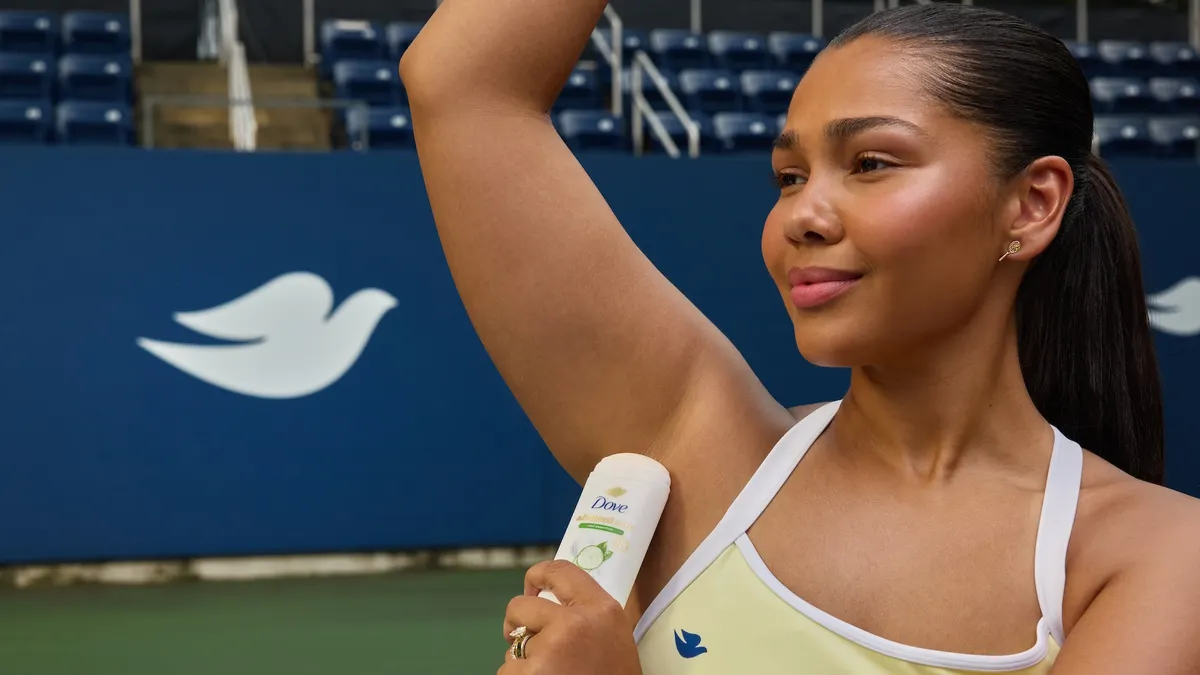
As the tennis world turns its collective gaze toward Queens for the 2026 US Open, Unilever-owned personal care giant Dove is once again stepping onto the court. Returning for its second year as the "Official Underarm Sponsor," the brand is launching a multi-faceted campaign titled "Don’t Sweat It. Make A Racket." The initiative, which blends high-fashion street photography, community-focused experiential events, and digital creator partnerships, marks a significant evolution in how CPG brands leverage sports sponsorships to drive both brand sentiment and tangible sales.
The Main Facts: A Bold Approach to Summer Sports
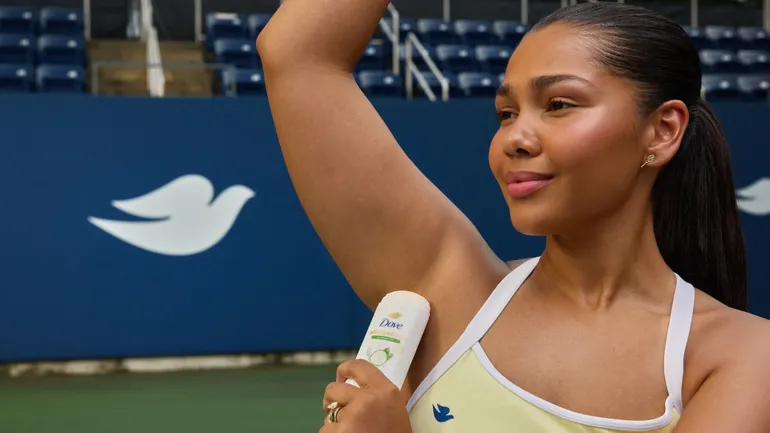
At the heart of the "Don’t Sweat It. Make A Racket" campaign is the promotion of Dove Invisible, the brand’s flagship antiperspirant designed to provide long-lasting protection without leaving the dreaded white marks on clothing. While the US Open, beginning August 23, is traditionally defined by athletic prowess, Dove is positioning itself as the silent partner for the tournament’s off-court experience.
The campaign centers on the intersection of style and comfort. Recognizing that tournament fashion—often highlighted in major publications like Vogue—is a key component of the US Open’s cultural cachet, Dove is leaning into the idea that fans should be able to express their personal style without the anxiety of sweat stains or deodorant marks.
Key pillars of the 2026 activation include:
- National Community Support: In a move to strengthen grassroots loyalty, Dove is subsidizing drinks and food at ten women-owned bars across the United States, creating designated hubs for fans to watch the tournament.
- The "Make A Racket" Digital Series: Featuring actor and comedian Aquilino, this content series aims to capture the unique, idiosyncratic spirit of the US Open through fan interviews.
- On-Site Activation: A branded refreshment and touch-up station at the USTA Billie Jean King National Tennis Center, allowing attendees to reset between matches.
- Visual Storytelling: A collaboration with the popular Instagram account Watching New York to document the trendiest match-day outfits, reinforcing the link between Dove Invisible and fashion-forward confidence.
A Chronology of the Partnership
Dove’s presence at the US Open is not a sudden pivot, but a calculated progression of a long-term strategy.
- 2025: The Debut: Dove entered the sponsorship landscape with a unique "N.U.L." (Name, Underarm, Likeness) deal, seeking a creator ambassador to serve as the brand’s eyes and ears on the ground. This marked the brand’s first official foray into the tournament’s high-stakes marketing ecosystem.
- Early 2026: The FIFA Catalyst: Throughout the summer, Unilever utilized the FIFA World Cup as a massive testing ground for its new social-first engagement model. By leveraging over 50,000 global creators, the company saw a significant uptick in personal care sales.
- August 2026: The US Open Return: With the momentum of the World Cup behind it, Dove returned to the US Open with a more robust, integrated approach, shifting from a simple sponsorship to an experiential lifestyle platform.
Supporting Data: The Power of the "Social-First" Model
The efficacy of Dove’s strategy is backed by strong financial indicators. Unilever reported that its personal care segment grew underlying sales by 5.9% in the second quarter of 2026. This growth is directly attributed to the company’s aggressive pivot toward massive, influencer-led sporting events.
CEO Fernando Fernandez, speaking on a recent earnings call, emphasized that the shift toward large-scale sports partnerships—exemplified by the FIFA World Cup activation—is not just about reach; it is about creating a new blueprint for brand engagement. "We believe that this is a proof of what Unilever is creating in terms of a new social-first model of reach and engagement for our brands at a scale that I personally believe very few companies can match," Fernandez noted.
This data suggests that Dove’s sponsorship of the US Open is a calculated hedge against traditional advertising fatigue. By moving away from static banner ads and toward experiential marketing—such as the bar takeovers and the Watching New York partnership—the brand is successfully integrating itself into the daily lives and social rituals of its target demographic.
Official Responses and Strategic Intent
The rationale behind the campaign was articulated by Kevin Tolson, Head of Dove and SheaMoisture deodorants at Unilever. According to Tolson, the goal is to shift the conversation from the stigma of sweating to the empowerment of the fan experience.

"We want to encourage everyone to ‘make a racket’ in their own way," Tolson stated. "Whether you’re making a statement with your match-day outfit or cheering at home with your hands raised high, Dove helps you do it without worrying about sweat or white marks."
This messaging is consistent with Dove’s long-standing brand identity, which has historically focused on self-esteem, inclusivity, and the rejection of unrealistic beauty standards. By reframing "sweating" as a natural byproduct of passion and active participation, the brand creates a psychological bridge between the physical stress of a hot New York summer and the emotional comfort of the product.
Implications: The Future of Sports Sponsorships
The implications of Dove’s 2026 campaign are profound for the broader CPG industry.
The Shift Toward Experiential Integration
No longer content with logos on walls, brands are increasingly looking to provide utility. By offering "refreshment spaces" at the stadium and supporting women-owned businesses nationwide, Dove is moving from an advertiser to a facilitator of the event experience. This creates a "halo effect" where the consumer associates the positive memories of the event directly with the product.
The "Summer Heat" Narrative
The timing of the US Open—falling during a period of record-breaking heat waves—is a masterclass in contextual marketing. By acknowledging the extreme weather (as seen in recent "Code Red" heat alerts in New York), Dove makes its product not just a luxury, but a necessity for the summer season. Sister brand Degree has adopted a similar strategy, recently launching a campaign that renamed subway stations to highlight their intense temperatures. This "sweat-themed" messaging signals a broader trend: brands are no longer ignoring the discomfort of the consumer; they are leaning into it to offer an immediate, tangible solution.

Creator-Led Scaling
The success of the FIFA World Cup partnership has confirmed that the future of marketing lies in decentralization. By utilizing creators to capture content, rather than relying solely on high-production television spots, Unilever is able to produce a higher volume of authentic, relatable content that performs better on social media algorithms. The US Open activation, with its focus on fashion-forward Instagram accounts and fan-led interview series, is a direct application of this lesson.
Conclusion: A Racket Worth Making
As the 2026 US Open approaches, Dove’s "Don’t Sweat It. Make A Racket" campaign stands as a testament to the power of targeted, community-centric marketing. By balancing the high-fashion aspirations of the tournament with the practical, everyday needs of the consumer, Dove has successfully navigated the difficult task of making an antiperspirant brand feel both aspirational and essential.
If the success of the World Cup is any indication, Unilever’s commitment to this social-first, experiential model will likely continue to pay dividends, both in market share and in the deepening of consumer trust. For now, all eyes are on the court—and, thanks to Dove, the focus is squarely on looking good while doing it.
