

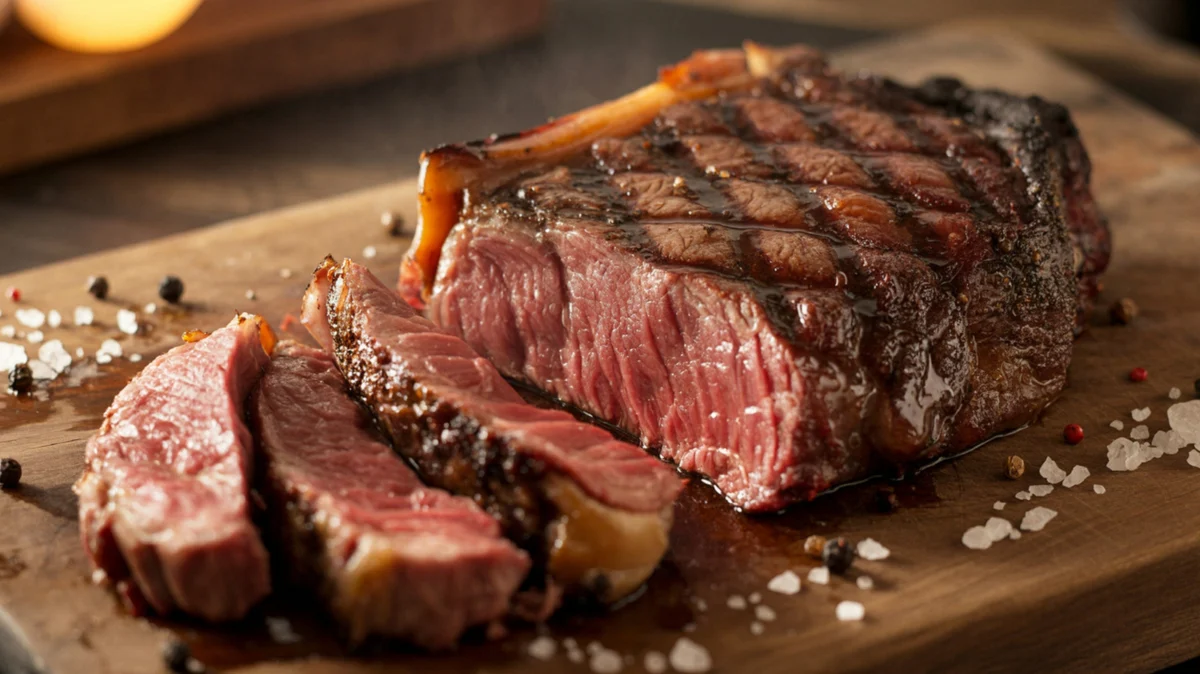
For the discerning home cook, the pursuit of the "perfect" steak is a lifelong endeavor. While the foundational skills—proper seasoning, tempering the meat, and achieving a robust Maillard reaction—are non-negotiable, the evolution of steak preparation often lies in the finishing touches. Among the most sophisticated, yet surprisingly accessible, techniques is the application of a bespoke blue cheese crust. By transforming a simple protein into a multi-sensory experience, this method bridges the gap between home cooking and fine-dining excellence.
The Science of the Sear and Beyond
The Maillard reaction is the primary objective of any steak cook. It is the chemical interaction between amino acids and reducing sugars that gives browned food its distinctive flavor. However, once that initial crust is achieved, the palate often craves an additional layer of complexity.
Adding a blue cheese crust is not merely about ornamentation; it is about balancing the primal intensity of red meat with the sophisticated "funk" and creamy salinity of aged cheese. When executed correctly, the crust provides a textural contrast—a crispy, toasted exterior giving way to a tender, juicy interior—that elevates even the most humble cuts of beef.
A Chronology of Culinary Fusion
While the marriage of steak and cheese is a staple of modern gastronomy, its roots trace back to the classic "Steak au Poivre" and the tradition of compound butters. Historically, French culinary experts experimented with adding sharp, pungent elements to counteract the richness of fats like ribeye or strip loin.
Over the last few decades, the rise of the "gastropub" movement and the influence of celebrity chefs—such as Bobby Flay, who famously championed the use of Roquefort on premium cuts—have brought this once-niche technique into the mainstream. The transition from simple crumbled toppings to the creation of a structural, baked-on crust marks the latest chapter in this culinary timeline, moving from a mere garnish to a core component of the dish’s architecture.
Crafting the Perfect Crust: The Technical Approach
To achieve a professional-grade crust that adheres to the meat and browns beautifully without sliding off, one must move beyond simply sprinkling crumbles over a finished steak.
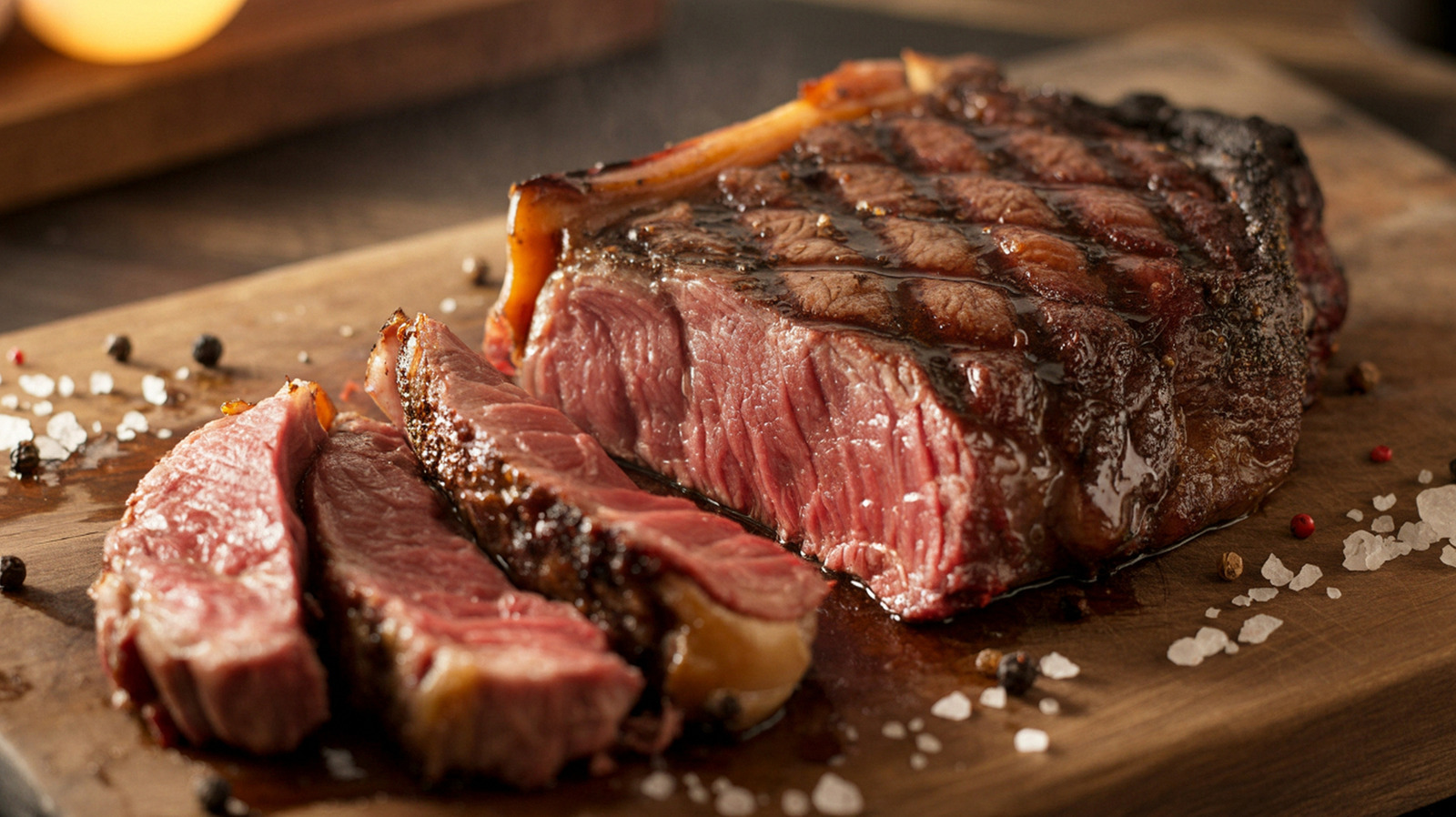
The Paste Method
The secret lies in creating a cohesive binding agent. By blending high-quality blue cheese with a small amount of breadcrumbs, a neutral oil or softened butter, and complementary seasonings (such as cracked black pepper or fresh chives), you create a malleable paste.
- The Binder: Breadcrumbs act as the essential starch, absorbing the rendered fat from the steak and providing the "crunch" that defines a true crust.
- The Application: Smear this mixture over the top of the steak once it has been seared to the desired state of near-doneness.
- The Finish: Place the steak under a high-heat broiler for 60 to 90 seconds. This allows the cheese to melt and the breadcrumbs to toast, creating a savory, golden-brown cap that locks in moisture.
The Importance of Undercooking
A critical nuance often overlooked by amateurs is the "carryover" heat. Because the final step of this process involves a short burst of intense heat to caramelize the crust, the internal temperature of the steak will inevitably rise. To maintain your preferred level of doneness, it is imperative to pull the steak from the primary heat source when it is one "stage" below your target (e.g., pulling at medium-rare if you desire a perfect medium). This margin of error ensures that the meat remains succulent, avoiding the common pitfall of an overcooked center.
Matching Intensity: A Sommelier’s Approach to Cheese
Just as one pairs wine with food, one must pair blue cheese with steak based on the intensity of the flavor profile. Not all blue cheeses are created equal, and failing to balance the strength of the cheese with the cut of meat can lead to an overpowering dish.
For Robust, Flavor-Forward Cuts
Cuts such as ribeye, flat iron, and sirloin possess a high level of marbling and a deep, beefy flavor. These cuts can stand up to the most aggressive cheeses.
- Roquefort: Often cited as the king of blue cheeses, this sheep’s milk variety is salty, sharp, and intense. It stands up to the richness of a well-marbled ribeye without being lost.
- Bleu d’Auvergne: A cow’s milk cheese that offers a strong, spicy bite, making it an excellent candidate for thick-cut, high-fat steaks.
For Lean, Milder Cuts
Filet mignon and round steak are prized for their tenderness and delicate flavor. Using a cheese that is too pungent can completely mask the flavor of the beef.
- Stilton or Fourme d’Ambert: These varieties offer a more subtle, nutty, and mellow blue profile. They provide the necessary creaminess and depth without the aggressive, acidic "bite" found in younger or more intense varieties.
- Young Gorgonzola: With its high moisture content and creamy, spreadable texture, young Gorgonzola is ideal for those who prefer a velvety finish over a granular, funky one. It behaves more like a sauce than a crust, offering a sophisticated, luxurious mouthfeel.
Implications for Home Culinary Standards
The adoption of a blue cheese crust signifies a shift in home cooking expectations. Consumers are no longer satisfied with salt and pepper alone; there is a growing demand for "restaurant-quality" results at home. This trend reflects a broader cultural interest in food science—understanding why certain textures work together and how ingredients interact at high temperatures.
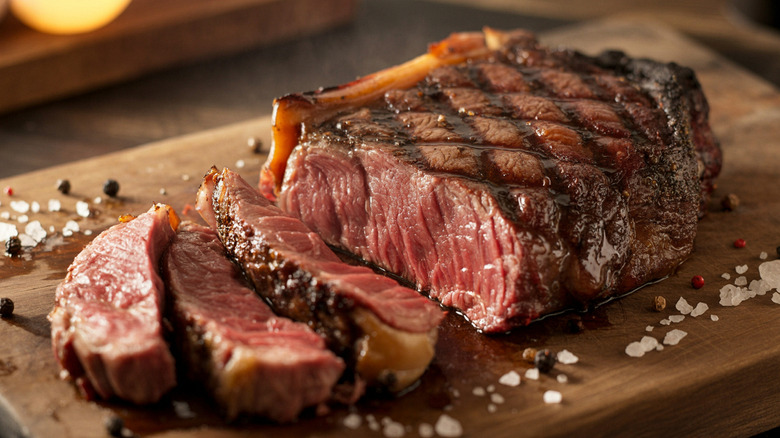
Moreover, this technique democratizes gourmet cooking. While a high-end steakhouse might charge a premium for a "Roquefort finish," the home cook can replicate this experience for a fraction of the cost, provided they understand the balance of flavor profiles and the mechanics of heat management.
Official Industry Perspective
Culinary experts emphasize that the success of this dish is contingent upon the quality of the ingredients. "The blue cheese acts as a seasoning agent," notes one food consultant. "If you use a low-quality, processed blue cheese, the crust will break down into an oily mess. You need a cheese that retains its structure under heat."
Furthermore, chefs warn against the use of too many competing flavors. Because blue cheese is naturally complex, it already provides a high degree of flavor density. Over-seasoning the crust with aggressive spices like garlic powder or heavy herbs can lead to "flavor fatigue," where the palate is overwhelmed by competing stimuli. Stick to simple, high-quality additives to allow the beef and the cheese to remain the protagonists of the dish.
Conclusion: Mastering the Balance
Creating a blue cheese-crusted steak is an exercise in restraint and balance. It requires the cook to respect the integrity of the protein while daring to enhance it with one of the most potent ingredients in the culinary world. By carefully selecting the right variety of blue cheese, utilizing the paste-and-broil method, and mastering the timing of the cook, any home cook can elevate their next dinner from a routine meal to a memorable event.
Whether you are hosting an intimate dinner or simply refining your own culinary repertoire, this technique serves as a testament to the fact that with just a little extra effort and a focus on the interplay of textures and flavors, the humble steak can be transformed into a work of art. The next time you find yourself at the butcher counter, look past the traditional spice rubs and consider the nuanced, sophisticated potential of the blue cheese crust. Your palate will thank you.
