

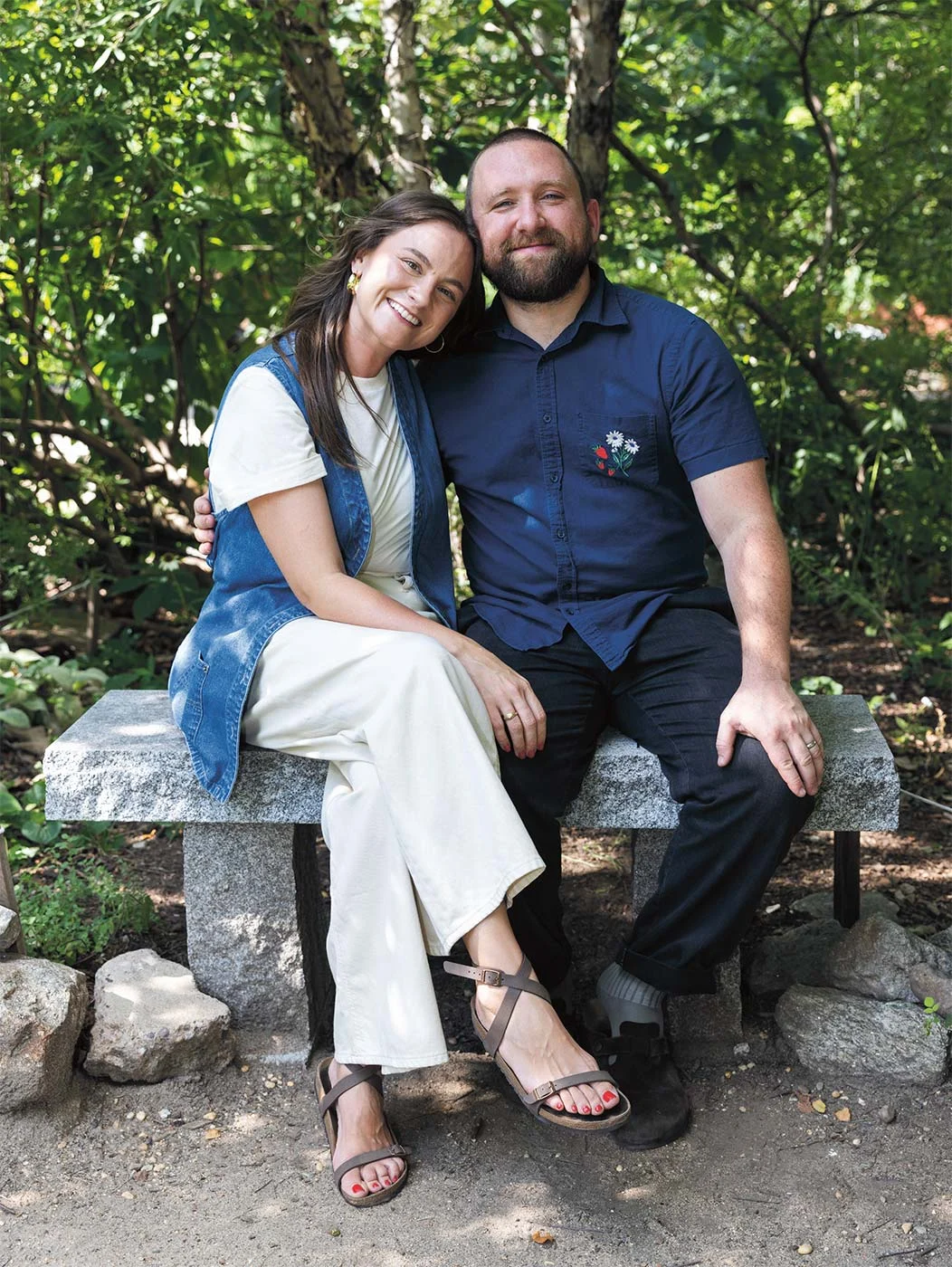
Just across the Delaware River, in the vibrant Northern Liberties neighborhood of Philadelphia, a quiet revolution in mixology is taking root. Field Day, the highly anticipated new cocktail bar helmed by James Beard Award-winning author and ethnobotanist Danny Childs and his wife, Katie, promises to be more than a simple watering hole. It is a manifestation of a decade-long study of the land, an exploration of biodiversity, and a love letter to the agricultural bounty of the Mid-Atlantic.
By blurring the lines between the farm and the glass, the Childs duo is preparing to unveil a space that challenges the status quo of modern cocktail culture. With a focus on “boundary-pushing drinks” that utilize everything from foraged black birch bark to experimental beeswax infusions, Field Day is poised to become a destination for those who believe that a drink should tell the story of the place where it was grown.

The Evolution of an Ethnobotanist: A Chronology of Discovery
To understand the ethos behind Field Day, one must trace the unconventional path of Danny Childs. In 2014, his trajectory was far from the world of hospitality. Armed with a background in ethnobotany—the academic study of the complex relationships between people and plants—Childs had recently returned from intensive fieldwork in South America. He found himself at a crossroads in New Jersey, near his childhood home on the Marlton-Medford border.
“I needed money, and I thought maybe Farm & Fisherman would buy some of our vegetables,” Childs recalls of his initial encounter with the Cherry Hill restaurant. While the restaurant did indeed purchase his produce, his life took a serendipitous turn when he applied for a bartending role, only to be hired as a server.

For the next nine years, Childs remained at Farm & Fisherman, working under the guidance of Josh Lawler and Todd Fuller. This period served as his crucible. It was here that his academic training in plant biology collided with the daily realities of a farm-to-table kitchen. He began to experiment with the raw materials of the farm, turning produce into preserves, ferments, and infusions.
As his reputation grew, so did the "Slow Drinks" movement—a philosophy Childs coined to describe the process of weaving together the stories of people, place, and plants. In 2018, his expertise landed him a column with Edible Jersey, where he spent two years honing his voice. His journey reached a national zenith with the publication of his James Beard Award-winning book, Slow Drinks, which encouraged home bartenders to forage for dandelions, herbs, and backyard shrubs. Today, that nine-year tenure at Farm & Fisherman serves as the foundational bedrock for Field Day, a project that is, in many ways, the culmination of a decade of intellectual and sensory exploration.

A Philosophy of Place: Supporting Data and Methodology
At the heart of Field Day’s methodology is a rejection of the globalized, industrial supply chain that characterizes much of the beverage industry. Instead, Childs leans into the hyper-regionality of the Mid-Atlantic. The bar is strategically situated in Philadelphia, yet it draws its soul from the surrounding agricultural corridors: the Jersey Shore, the Pine Barrens, the Pocono Mountains, and the farmland of Lancaster County.
The logistical framework of the bar is supported by a network of local partners who act as the "engine room" for the menu. In New Jersey, the team works closely with D&V Organics in Swedesboro and Robson’s Farm in Wrightstown. Across the river in Pennsylvania, they collaborate with Teddy Moynihan of Plowshare Farms to cultivate specialty heirloom ingredients specifically for the bar’s needs. For wine-based cocktails, they forage and source grapes from Blind Fox Vineyards in Bucks County.

This isn’t merely "sourcing local"—it is an academic approach to seasonal flux. By hiring a dedicated director of fermentation and preservation, the team ensures that the bounty of summer is captured, fermented, and held for the leaner months. This circular economy of ingredients—where ferments and preserves circulate between the bar and the kitchen—minimizes waste and maximizes depth of flavor.
Culinary Collaboration: The Role of Melissa McGrath
A critical component of the Field Day experience is the partnership with Chef Melissa McGrath, the James Beard Award-nominated talent behind Sweet Amalia Market & Kitchen in Newfield. Having been a regular at Farm & Fisherman, McGrath shares a profound philosophical alignment with the Childs family.

"I’ve always loved her food because it is both exceptional and unfussy," Childs notes. "Excellent ingredients, bright flavors."
As the consulting chef partner, McGrath is tasked with developing a menu of "elevated bar food" that avoids the pretension of fine dining while maintaining the integrity of the ingredients. The menu, which includes snacks, dips, and hearty sandwiches, is designed to reflect the region’s heritage. Diners can expect Pennsylvania Dutch staples, such as Lebanon bologna sandwiches paired with house-made fermented chowchow and red beet eggs, as well as classic Philadelphia tomato pie and baked clams that pay homage to the Jersey Shore. This collaborative effort ensures that the food is not an afterthought, but a vital companion to the complex, botanical-forward cocktails.

The "Slow Drinks" Experience: Official Perspectives
When asked about the vision for the bar, Danny Childs describes it as a "regional cocktail bar." However, he is quick to emphasize that he does not want Field Day to be an inaccessible, high-concept laboratory. "It’s a destination for the movement, sure," he says, "but also a neighborhood bar, comfortable enough to come multiple times a week."
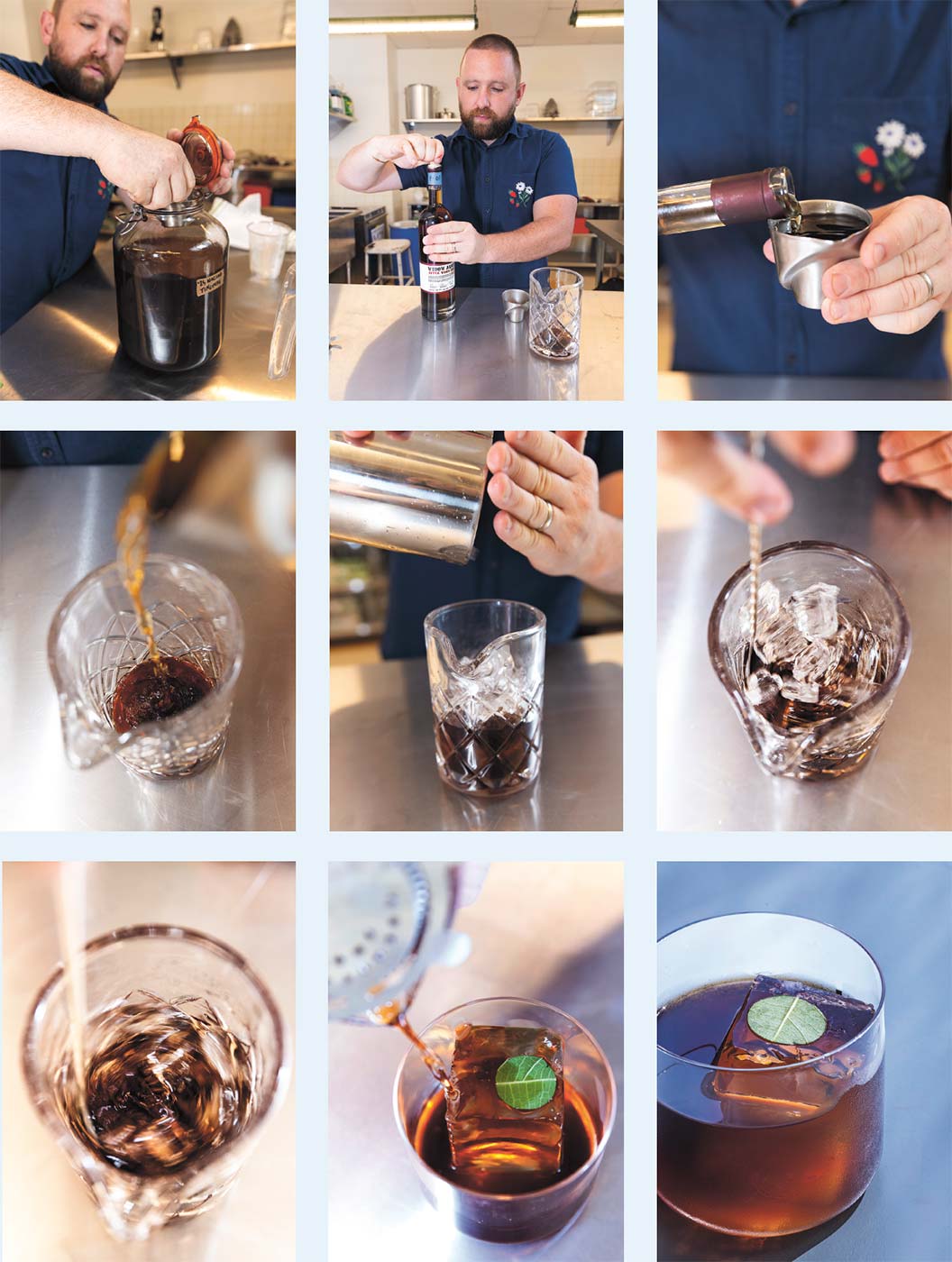
The drink menu will feature over 30 options, each highlighting a specific narrative or technique. One standout is the Birch and Bourbon, a complex blend of homemade birch beer, wintergreen, black birch bark, sassafras root, and hibiscus, rounded out with Appalachian Fernet and a premium bourbon. Another innovation on the menu is a boozy gelato, which reinterprets the classic Philadelphia water ice by blending it with soft serve.
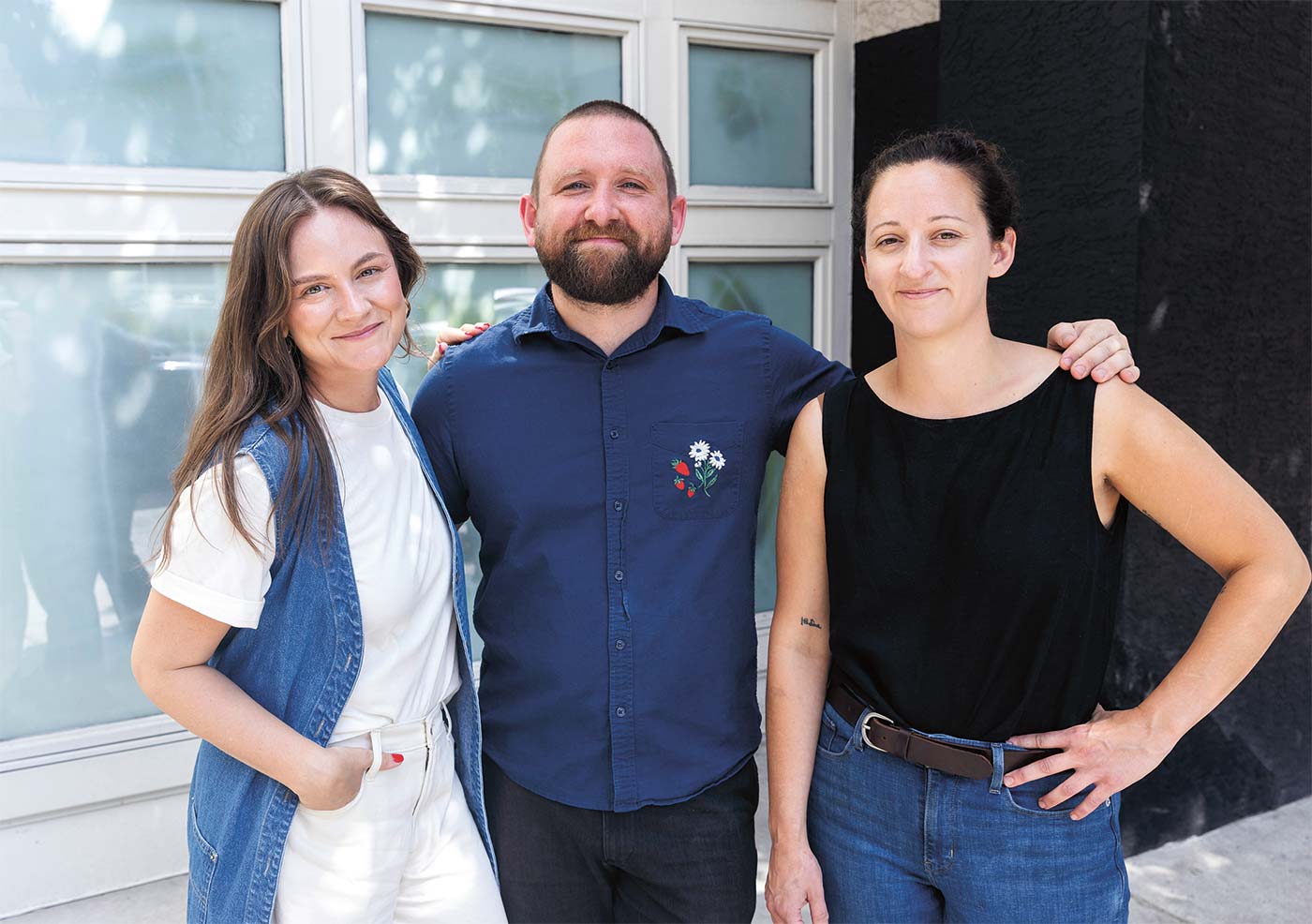
Childs remains emphatic about the importance of place, stating, "After years of studying and seeing culinary beverages and traditions proudly represented in their places, I thought it would be really cool to do that here." He believes that by framing the cocktail as a piece of history—a snapshot of a specific harvest in a specific location—he can foster a deeper connection between the patron and the environment.
The Implications of a Regional Bar Movement
The opening of Field Day has broader implications for the hospitality industry in the Philadelphia-South Jersey corridor. By prioritizing ethnobotanical research and localized fermentation, the Childs are setting a new standard for what a "local" business can achieve.
- Sustainability as a Business Model: By relying on local farms and seasonal preservation, Field Day demonstrates that high-end hospitality can thrive without relying on international logistics. This reduces the carbon footprint of the bar significantly and keeps capital within the regional economy.
- Cultural Preservation: Through their menu, the team is actively documenting and revitalizing regional foodways, such as the use of native roots and barks that have been overlooked in contemporary mixology.
- Educational Outreach: The bar functions as a classroom of sorts. By engaging with guests about the origins of their drinks—the story of a specific grape variety or the process of fermenting beeswax—the team is transforming the act of drinking into an educational experience.
The bar’s proximity to the owners’ home in Pennsauken, combined with the property’s own garden, allows the team to maintain a hands-on approach that is rare in the urban bar scene. As they prepare for their autumn opening, the anticipation among the local community is palpable. Field Day is not just an establishment; it is a declaration of intent—a belief that the most sophisticated flavors are not imported from afar, but found in the soil right under our feet.
With its blend of academic rigor, culinary expertise, and a genuine desire to serve the neighborhood, Field Day is positioned to become a blueprint for the next generation of bars—spaces that are deeply rooted, profoundly seasonal, and unapologetically regional. As Danny Childs puts it, each drink is a canvas, capturing a moment in time and place that is uniquely of the Mid-Atlantic. The fall opening of 923 N. Second St. will mark the beginning of a new chapter for Northern Liberties, one that tastes, quite literally, like the land itself.
