

For the past three years, Who What Wear has published an annual report titled Fashion’s New Guard, a curated editorial series dedicated to uncovering the most innovative, emerging brands from across the globe. As editors, our objective extends beyond merely claiming the title of "first to discover." Instead, this initiative serves as a vital platform to provide visibility and recognition to independent designers who are currently reshaping the fashion landscape.
Behind every emerging label lies an immense amount of labor: thousands of hours of research, daring creative leaps, personal sacrifices, and the steadfast belief in a singular vision. These designers operate in an ecosystem dominated by industry giants, often building their legacies from the ground up without the benefit of massive corporate infrastructure. By leveraging our platform to spotlight these labels, we hope to move the needle for these businesses, ensuring their stories resonate with a wider audience.
The Global Vanguard: A New Wave of Creativity
This year’s edition highlights eight standout designers who embody the future of fashion. Hailing from diverse cultural hubs—including Toronto, Caracas, Mexico City, and Paris—these designers offer distinct perspectives, ranging from historical reinterpretations to modern minimalism. Whether they launched their brands seven years ago or within the last twelve months, each of these designers represents a shift toward intentional, craft-focused, and narrative-driven fashion.
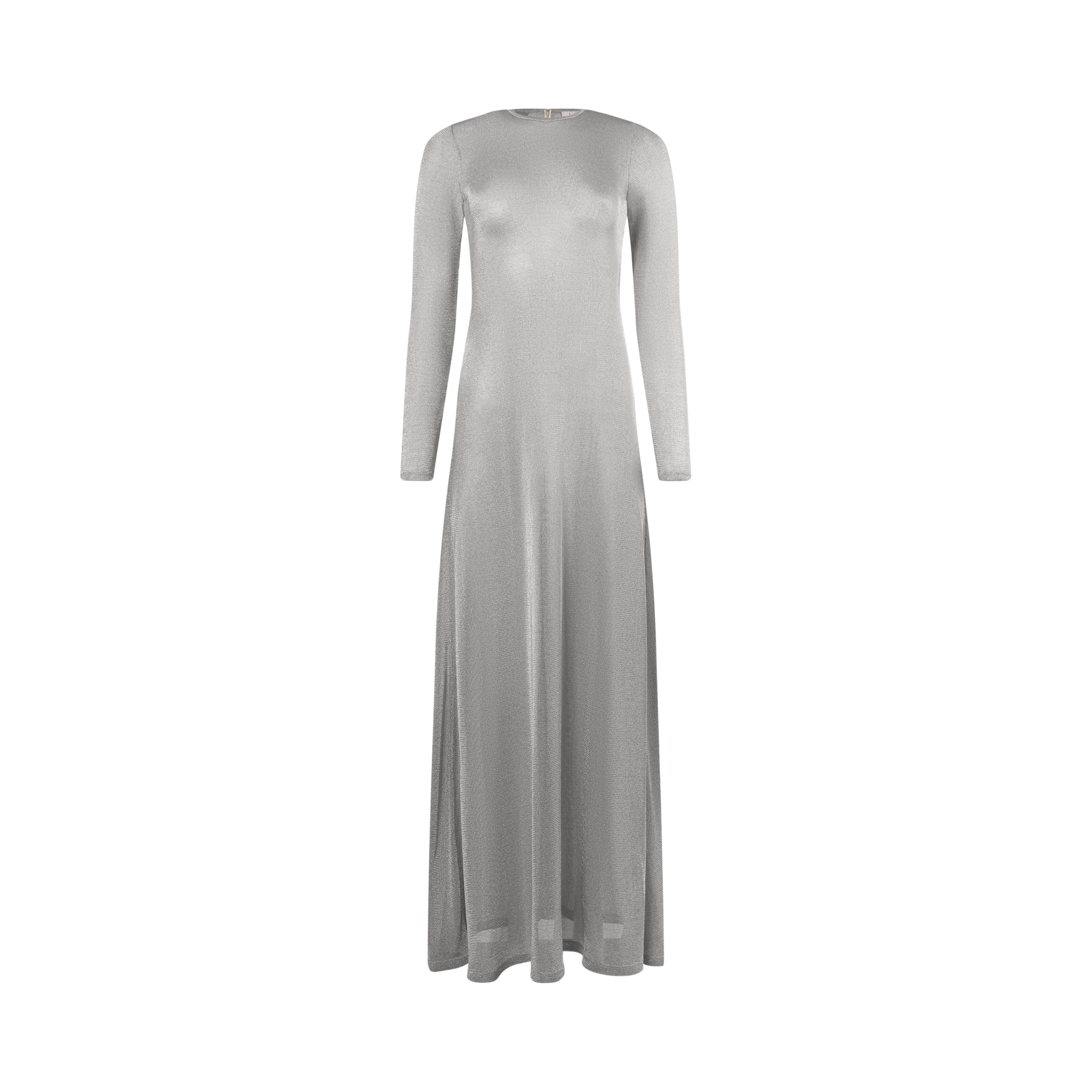
Mel Usine: Mythological Modernism in NYC
Founded by Parsons alumnus Stephen Biga, Mel Usine has become a fixture in the New York fashion scene. Inspired by the medieval French legend of Mélusine, Biga’s brand blends romanticism with architectural rigor. His work, recently worn by figures like Gracie Abrams, reflects his training at Proenza Schouler and Rodarte. Biga emphasizes "world-building," creating collections that feel grounded in history yet entirely contemporary. His advice to new designers? "Plan, plan, plan. Understand your world and what you’re trying to say before thinking about the market."
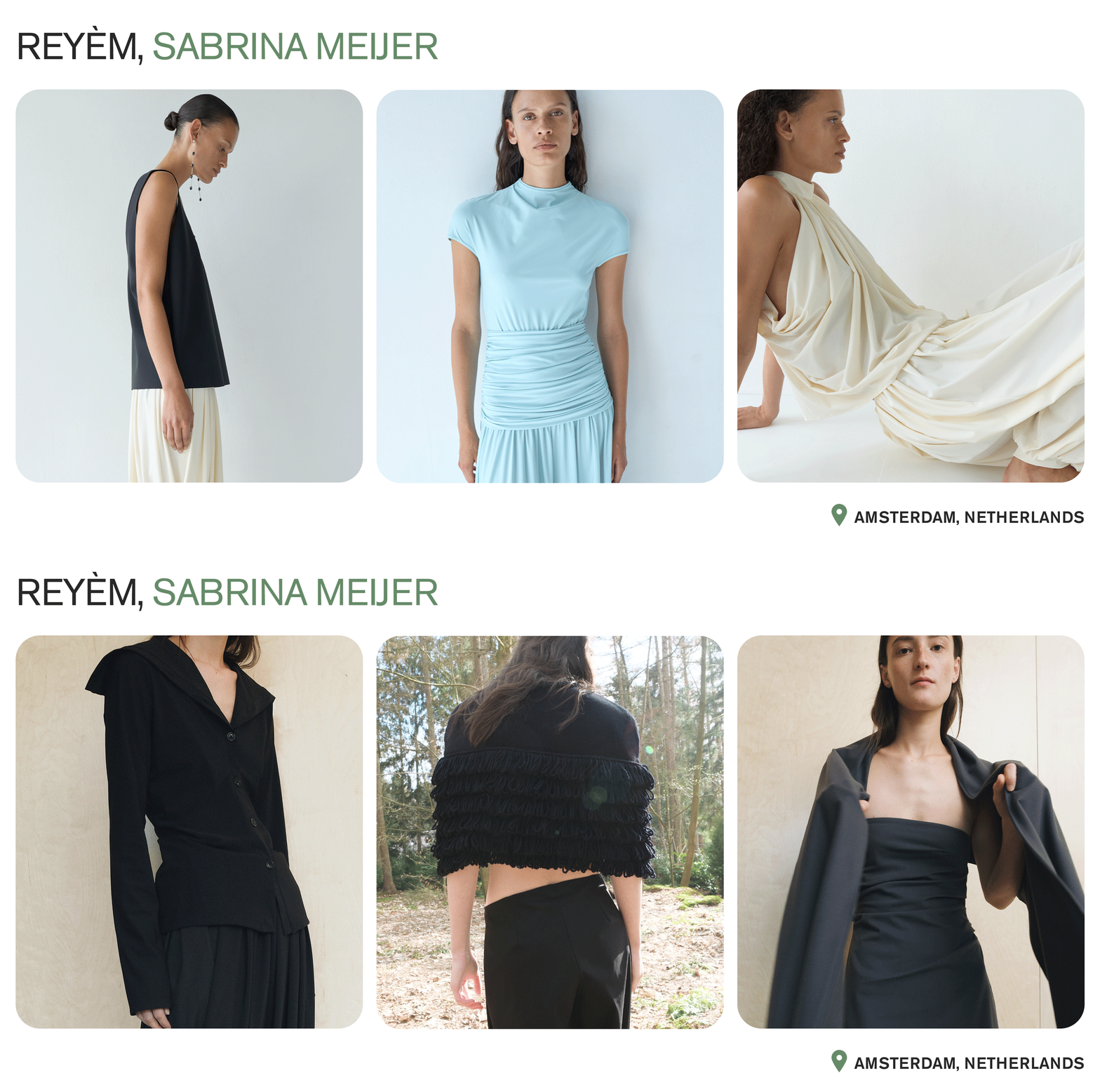
Reyèm: The Amsterdam Standard of Ease
Launched in 2019 by Sabrina Meijer, Amsterdam-based Reyèm fills the gap between "put-together" and "comfortable." Built around Italian recycled stretch jersey, the brand focuses on wardrobe staples that prioritize longevity. Meijer’s practical advice for designers is rooted in fiscal discipline: "Do you love numbers? If you don’t get your numbers right, you don’t have a business; you have an expensive hobby." Her brand, which recently expanded into knitwear, exemplifies the trend of "ease-led elevation."
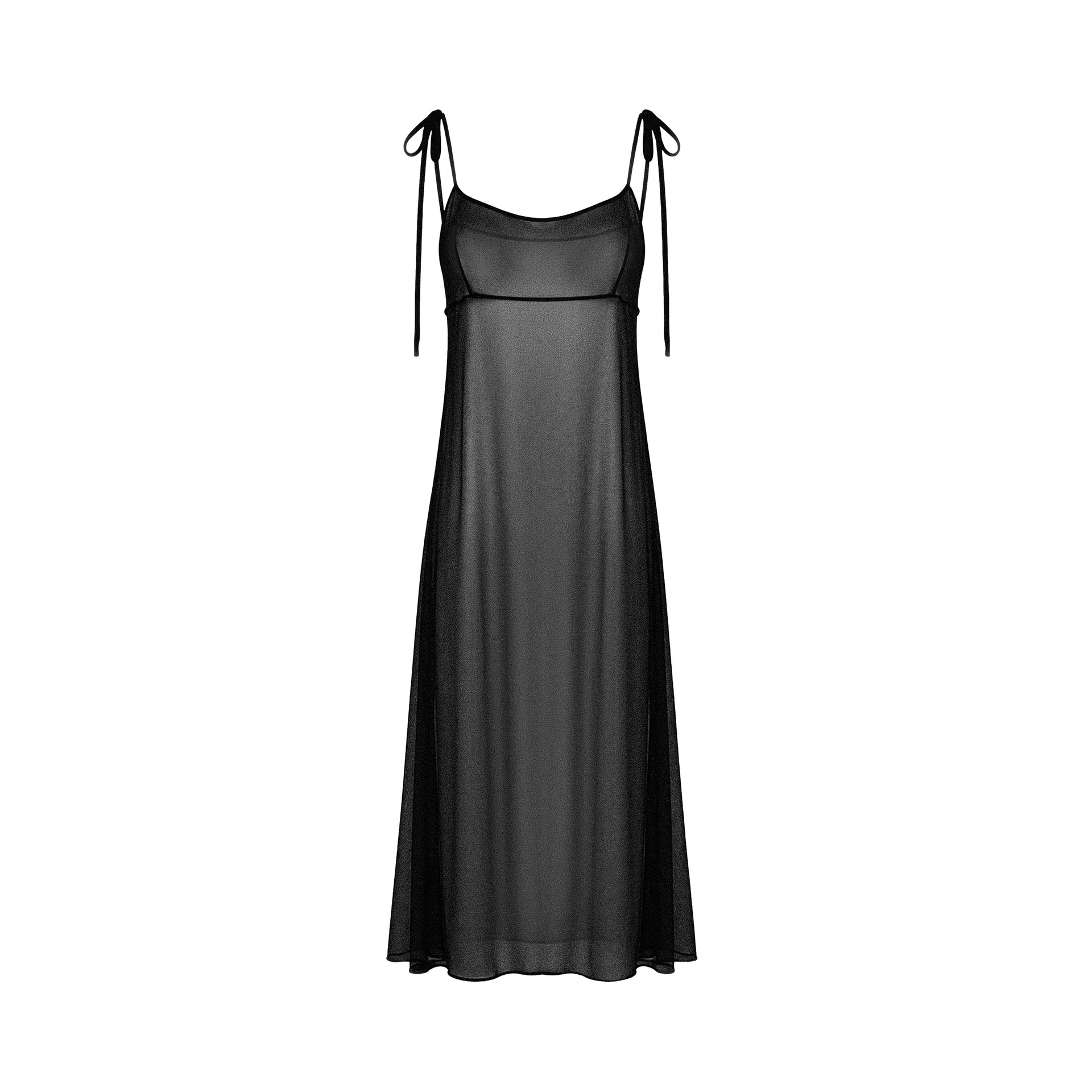
Euchronia: The Art of Memory and Lace
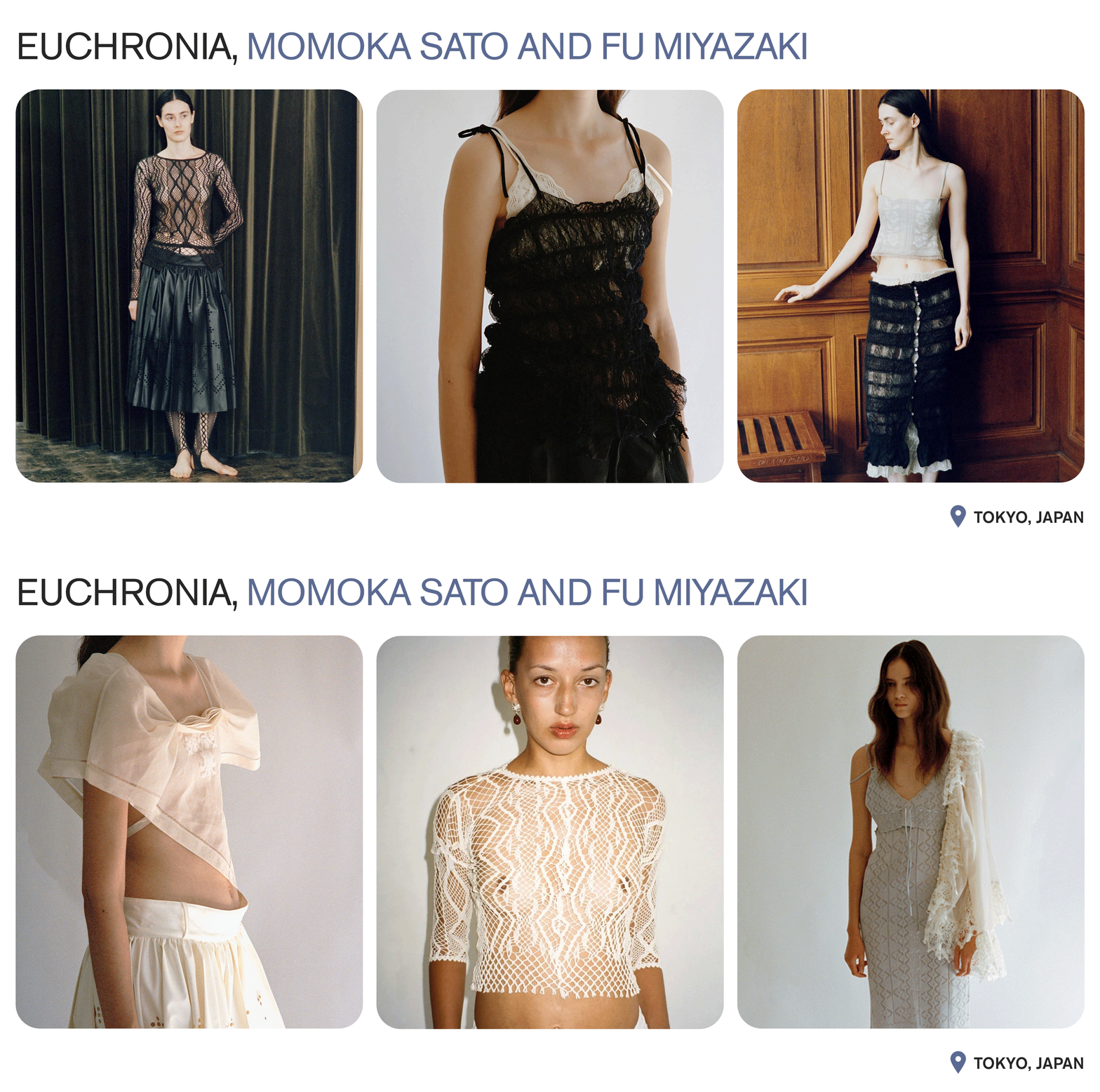
Momoka Sato, co-founder of the Japanese brand Euchronia, views lace as a medium for memory. Launched in 2023, the brand reimagines traditional techniques through a poetic, modern lens. Drawing inspiration from choreographer Pina Bausch and the philosophy of wabi-sabi, Sato’s work is characterized by its restraint and focus on negative space. For Sato, the goal is to make lace feel "quieter and more contemporary," ensuring that the material serves as an emotional connection to the past rather than a mere decorative element.
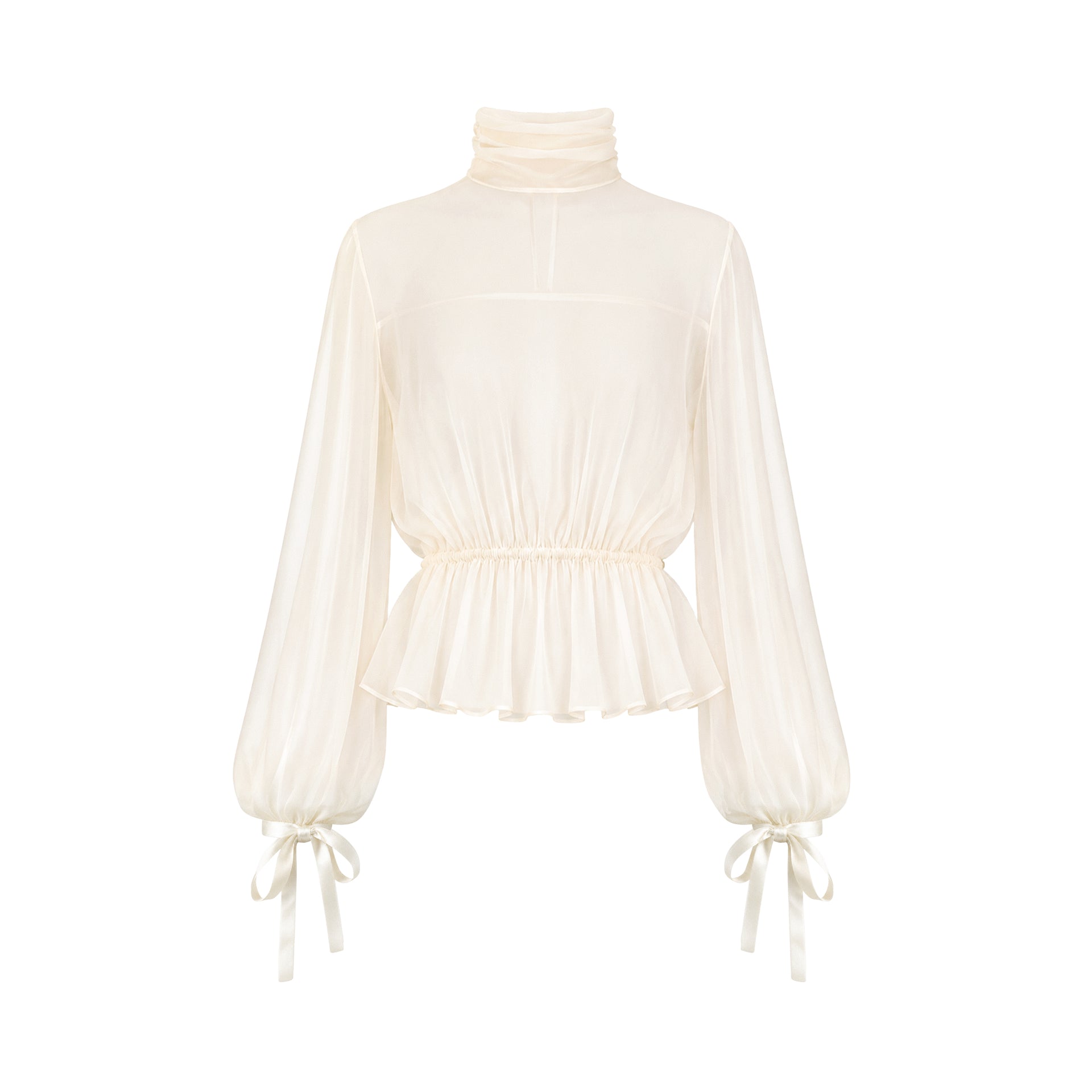
Banzo: Surrealism from Mexico City
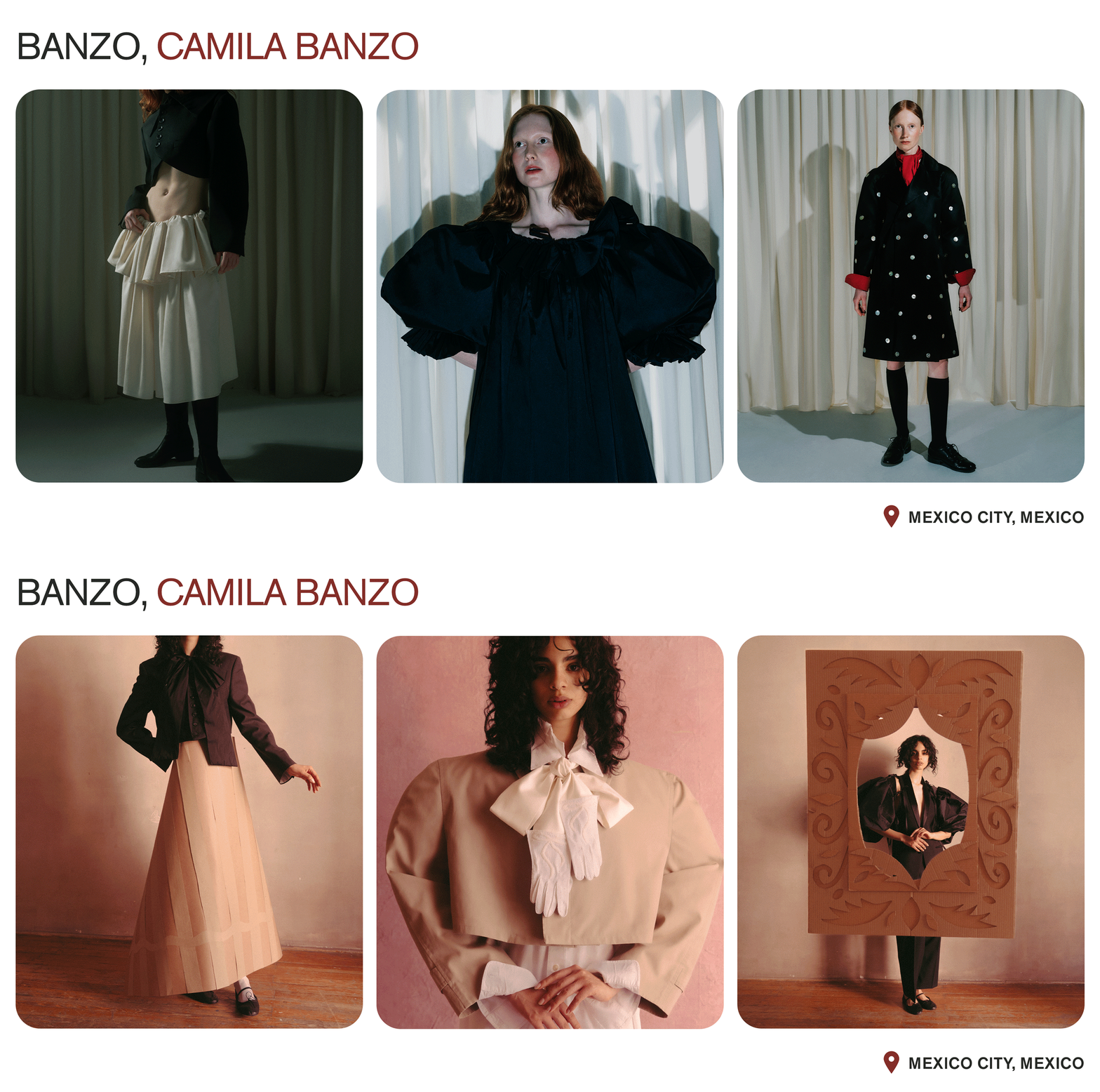
Camila Banzo’s namesake brand, launched in 2021, is a masterclass in circular fashion. After founding the vintage store La Vintaje, Banzo began deconstructing and upcycling garments during the pandemic. Her designs, such as the signature Apron Blazer, embody a sense of nostalgia for a time that no longer exists. "Mexico City is more surreal than surrealism itself," she notes, explaining how the city’s inherent unpredictability fuels her design process.
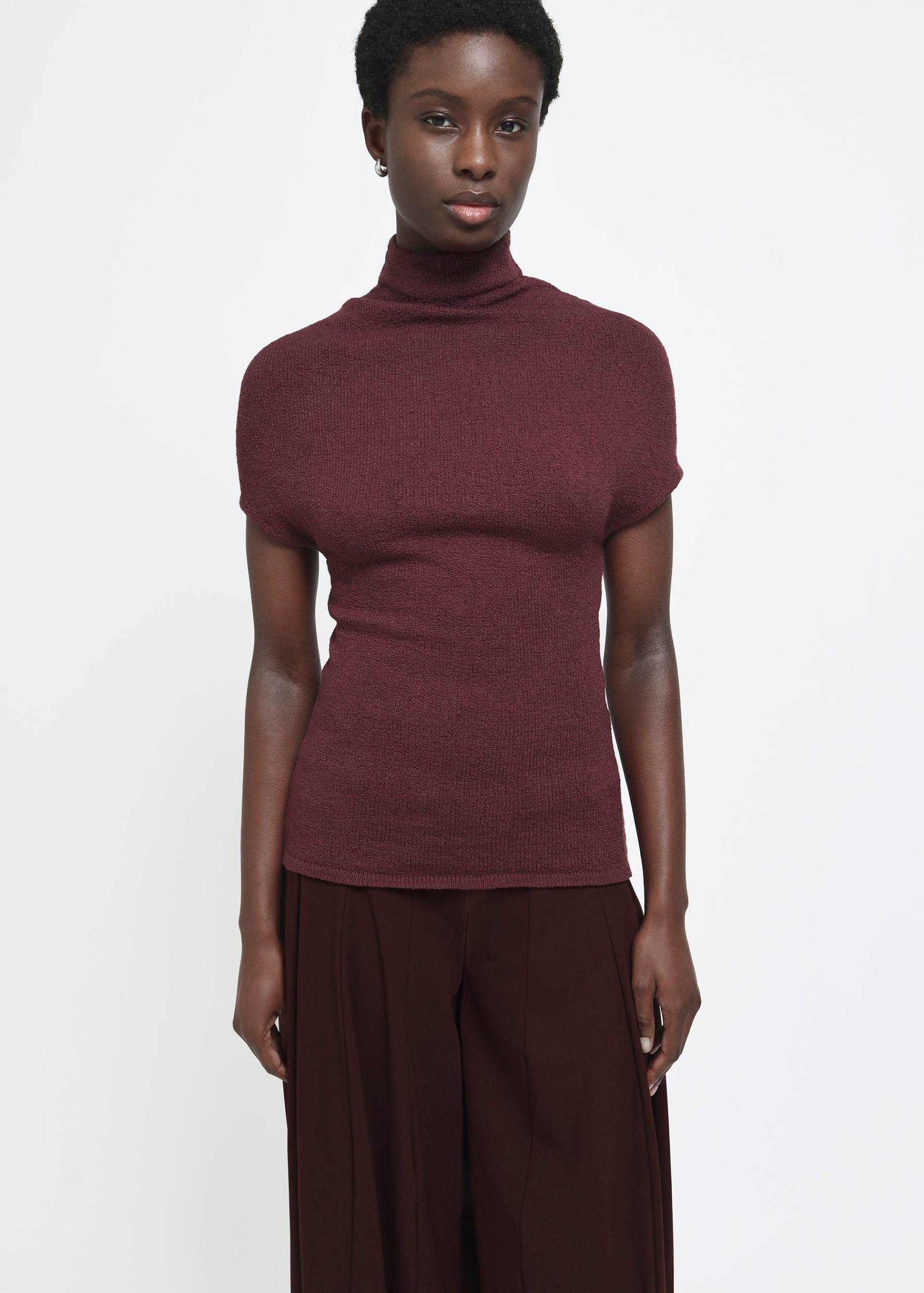
Golshaah: Strength and Self-Expression
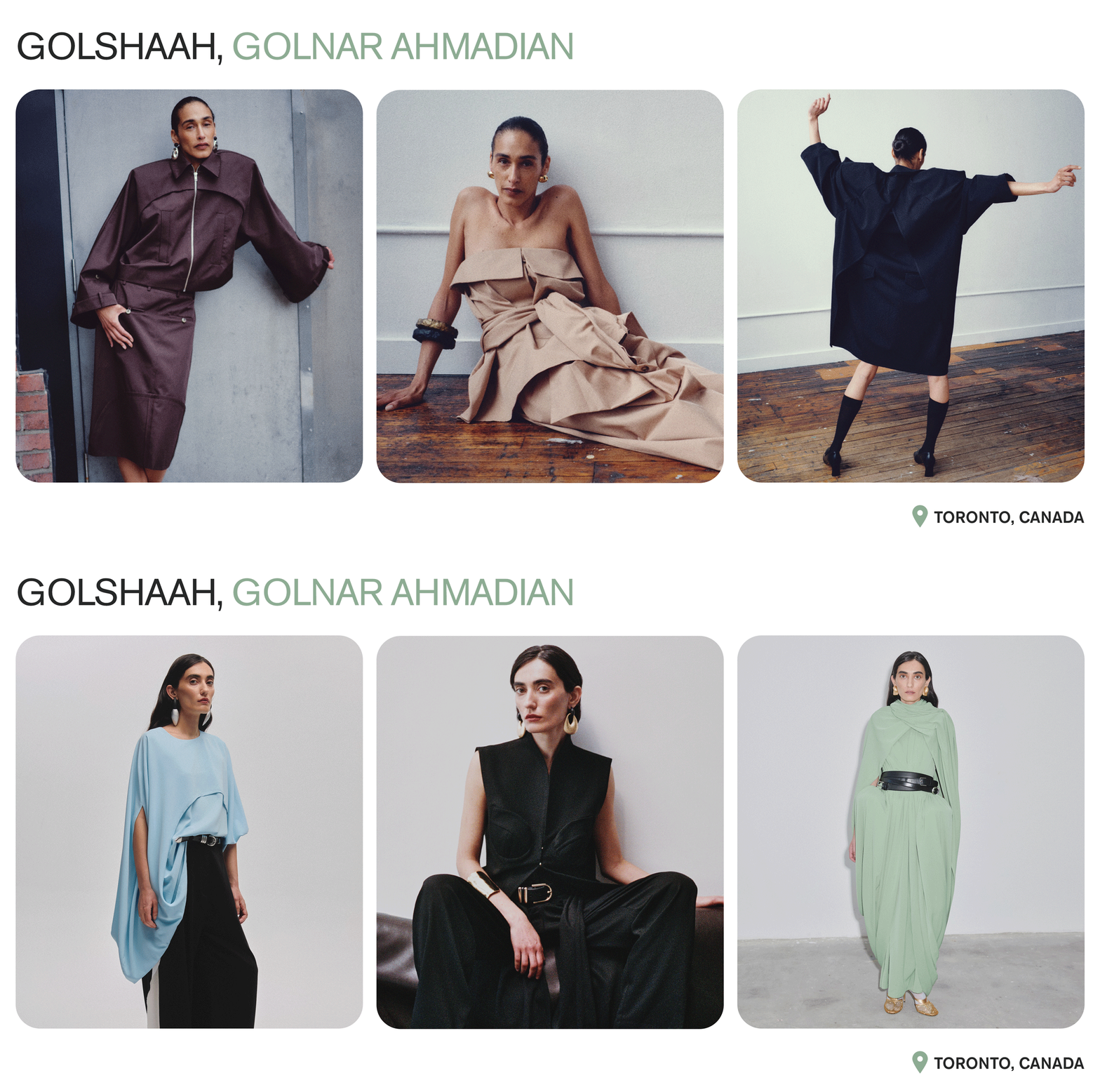
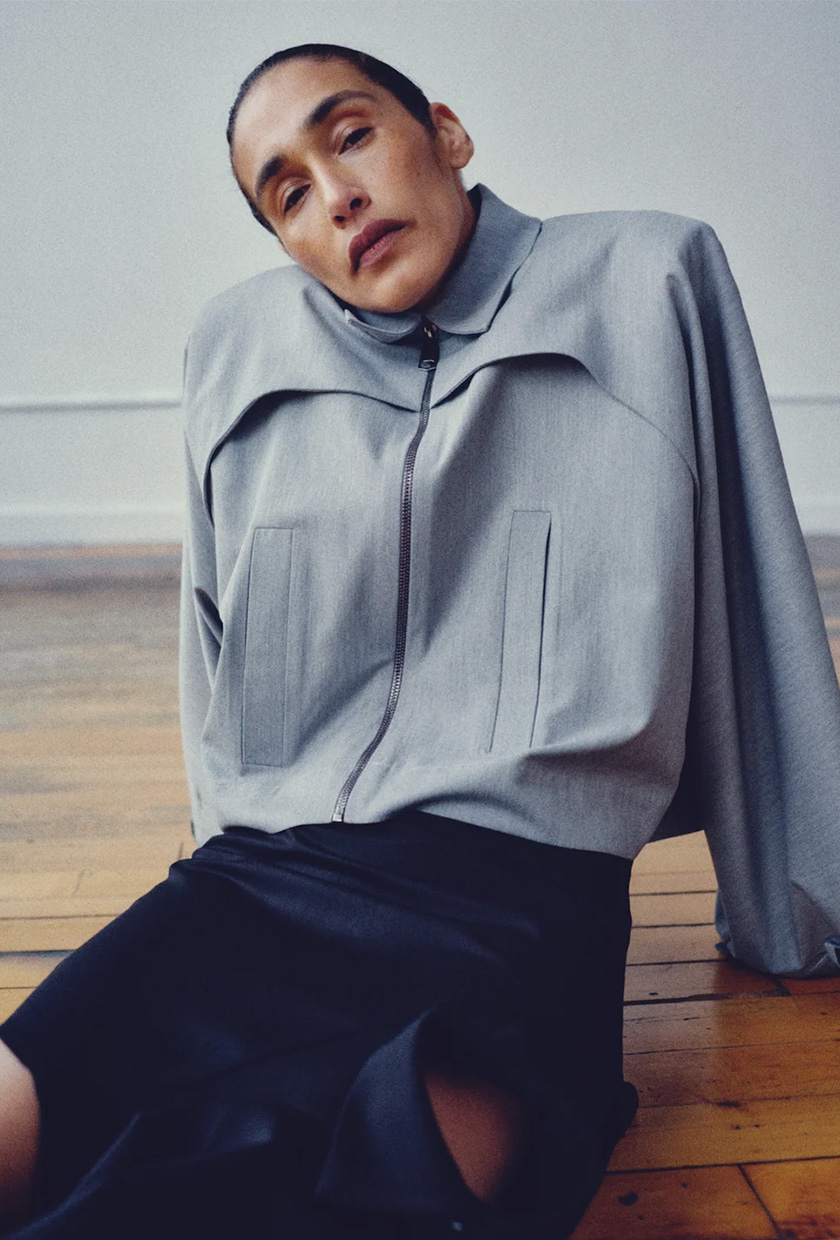
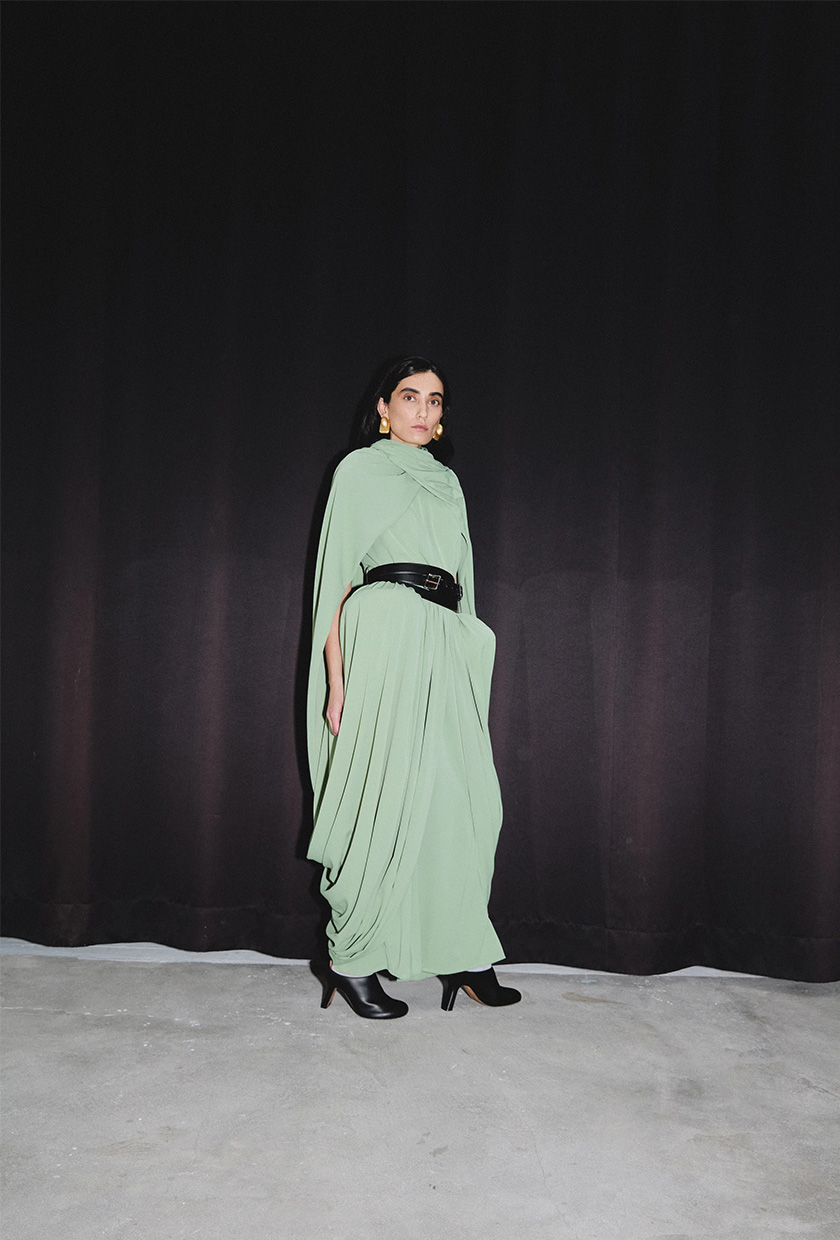
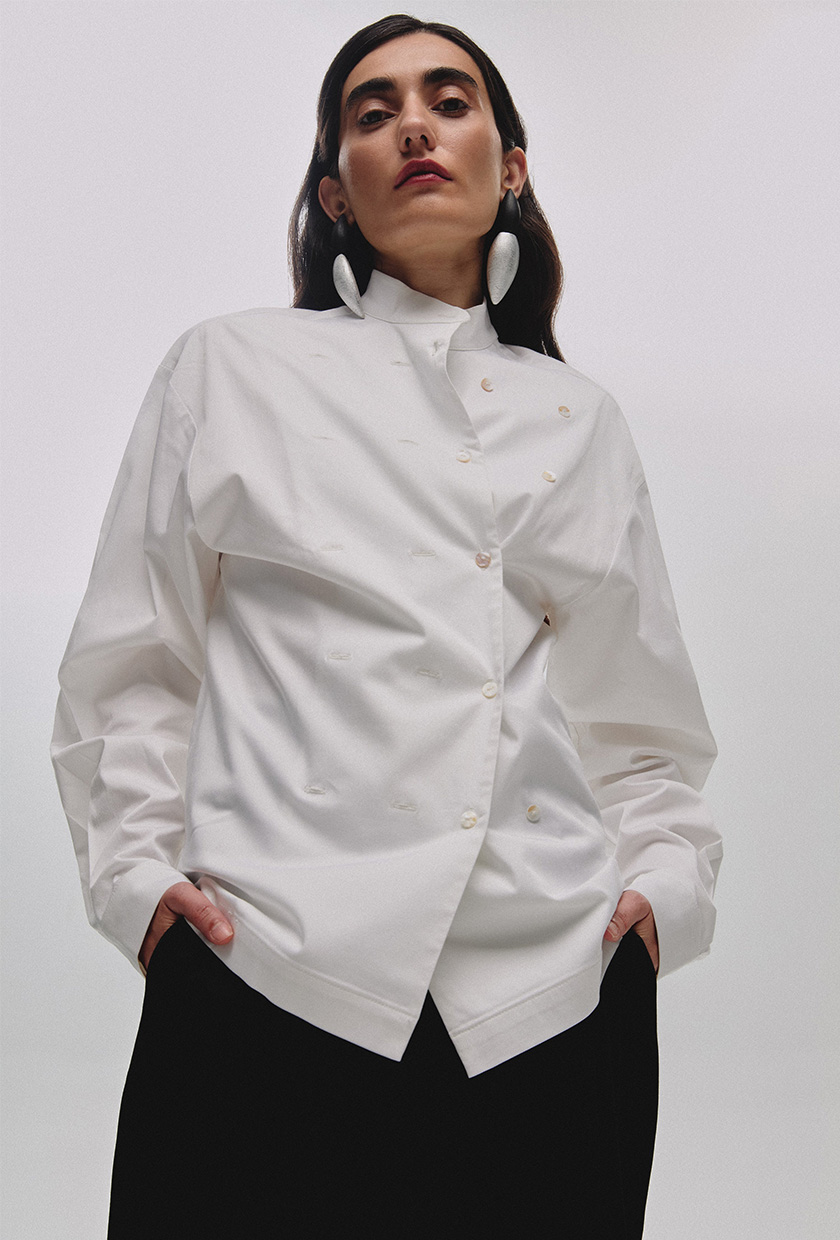
Golnar Ahmadian’s Toronto-based label, Golshaah, has quickly earned recognition as a 2026 LVMH Prize semifinalist. Drawing on her Iranian heritage and architectural training, Ahmadian specializes in structured, layered garments. The name "Golshaah"—a combination of "flower" and "king"—perfectly encapsulates her brand ethos: a balance of beauty and strength. Her success underscores the importance of staying true to one’s instincts in an industry that is increasingly complex and emotionally charged.
Puerta Negra: The Philosophy of Craft
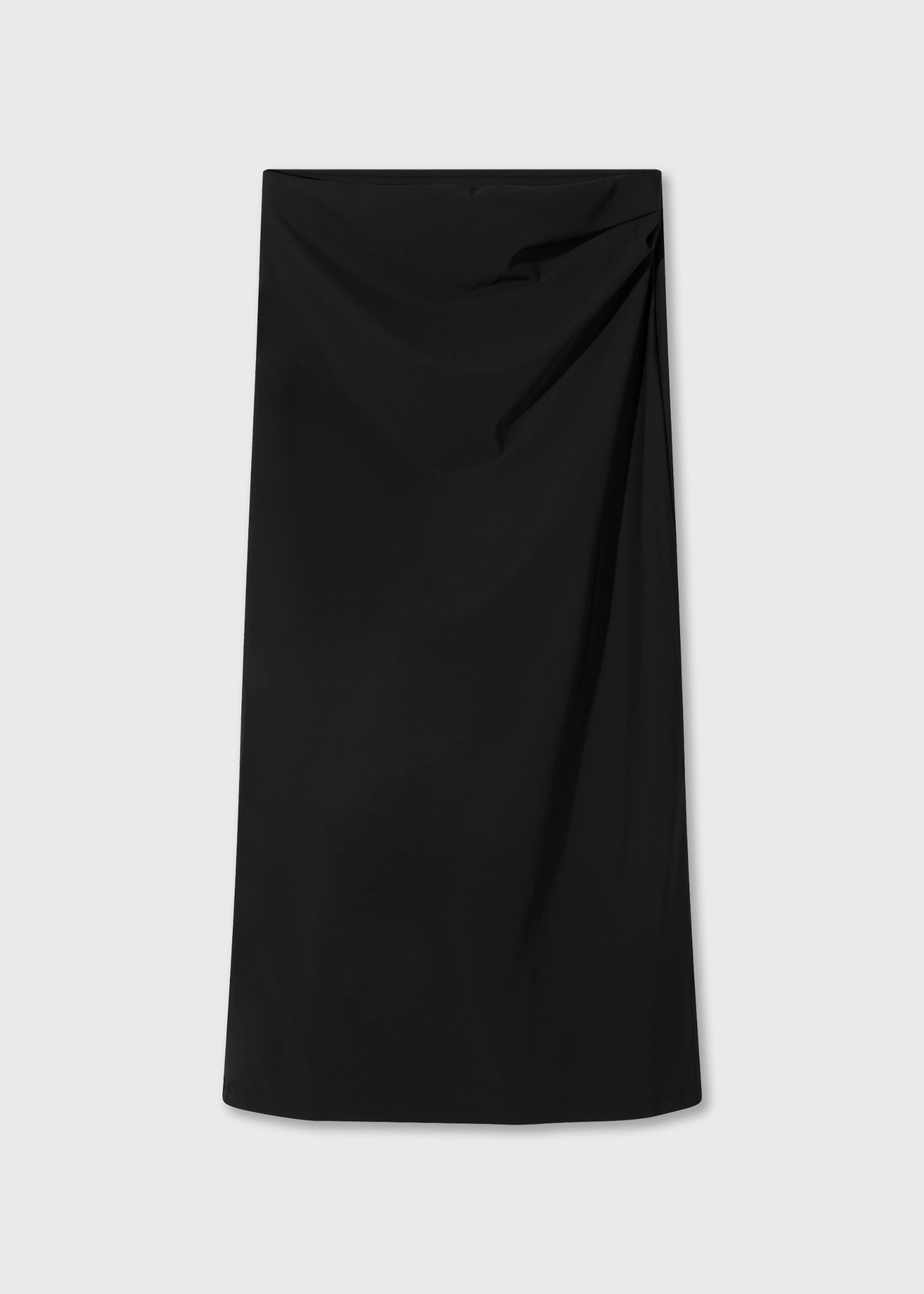
Catalina Quintana’s Venezuelan label, Puerta Negra, treats each collection as a chapter in an ongoing conversation. Raised by a sculptor, Quintana approaches fashion through a lens of form and proportion. Producing in Caracas, a city defined by its dramatic contrasts, has taught her to value craftsmanship even under difficult circumstances. Puerta Negra is not merely a clothing brand; it is an exploration of memory and curiosity, prioritizing the "why" behind every garment.
Thuylâm: The Evolution of Intention
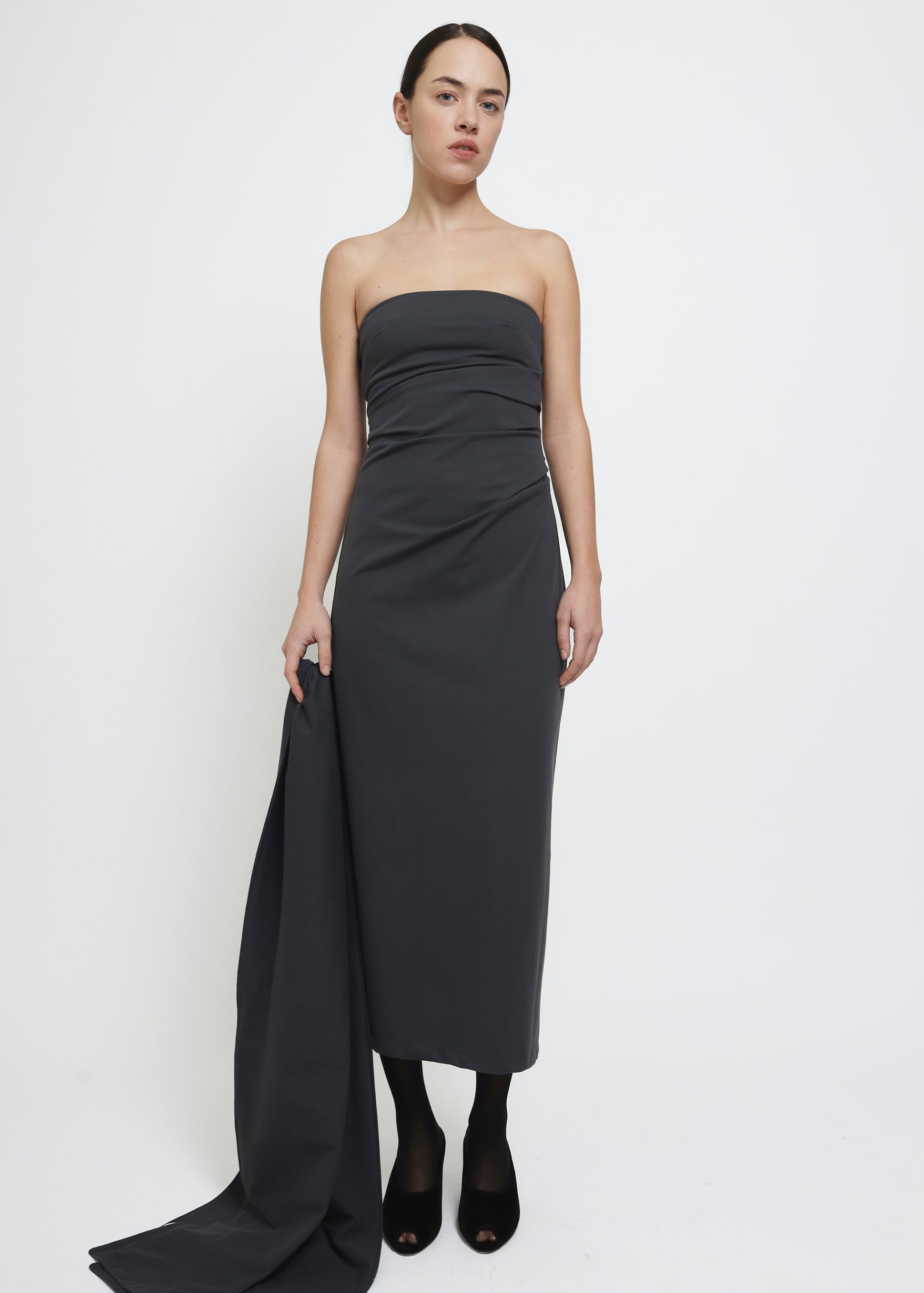
Mikayla Tseng’s brand, Thuylâm, is a testament to the power of self-taught success. Named after the Vietnamese phrase for "little forest," the label prioritizes slow, careful growth. As a solo operator who handles everything from production to social media, Tseng emphasizes the necessity of resilience. By producing in Northern Italy, she ensures that her brand maintains the highest standards of quality, signaling a shift toward small-batch, high-intent production.
Leïna de La Valette: A Multicultural Aesthetic
Leïna de La Valette’s brand is the culmination of a decade spent working at legacy houses like Chloé and Givenchy. Her upcoming private atelier in Paris serves as a hub for her unique blend of French elegance, Japanese philosophy, and Brazilian sensuality. Using leftover silk and antique kimonos, she proves that luxury materials are not reserved for special occasions. Her advice to the next generation is simple yet profound: "Commit to your work, but don’t forget to live."
Chronology of an Industry Shift
The rise of these brands is not coincidental. Over the last three years, we have observed a distinct shift in the fashion industry toward "Slow Fashion 2.0." This era is defined by:
- 2023: The emergence of "upcycling as a business model," popularized by brands like Banzo.
- 2024: A renewed interest in heritage materials, seen in the rise of specialized lace houses like Euchronia.
- 2025: The prioritization of "fiscal health over rapid expansion," a trend championed by Reyèm and Thuylâm.
- 2026: The maturation of the global independent sector, evidenced by the inclusion of emerging names in prestigious competitions like the LVMH Prize.
Supporting Data: Why Small Matters
Market research indicates that the "independent designer" sector is seeing a 15% year-over-year growth in consumer interest. This is driven by several factors:
- Authenticity: 70% of Gen Z and Millennial consumers report a preference for brands with a transparent supply chain.
- Versatility: Consumers are moving away from trend-based consumption in favor of the "capsule wardrobe" approach advocated by Reyèm and Leïna de La Valette.
- Regional Resilience: Brands like Puerta Negra and Golshaah prove that high-fashion concepts can be executed successfully outside of the traditional Paris-Milan-New York axis.
Official Responses and Industry Implications
Industry analysts note that these emerging designers are not just creating clothes; they are building "intellectual property around identity." The success of these eight designers has significant implications for the future of retail:
- Manufacturing: We are seeing a move toward smaller, family-run mills in Italy and Portugal, as designers prioritize quality control over mass production.
- Capital: Many of these brands are choosing to remain self-funded for longer periods, allowing them to maintain creative autonomy—a marked departure from the venture-backed model of the 2010s.
- Digital Presence: While social media remains a primary discovery tool, these brands are shifting toward "community-first" marketing, focusing on long-term storytelling rather than viral short-form content.
Conclusion: The Path Forward
The designers featured in this year’s Fashion’s New Guard report represent the best of the modern industry: they are pragmatic, deeply researched, and profoundly connected to their personal histories. They are proving that a brand does not need a century of heritage to carry weight; it only needs a clear, compelling, and authentic voice.
As these designers continue to grow their respective worlds, we are reminded that fashion is not just about what we wear—it is about the ideas we choose to carry. We encourage our readers to explore these labels, engage with their stories, and consider adding a piece from one of these emerging talents to their rotation. In doing so, you are not just buying a garment; you are investing in the next generation of creative leadership.
