

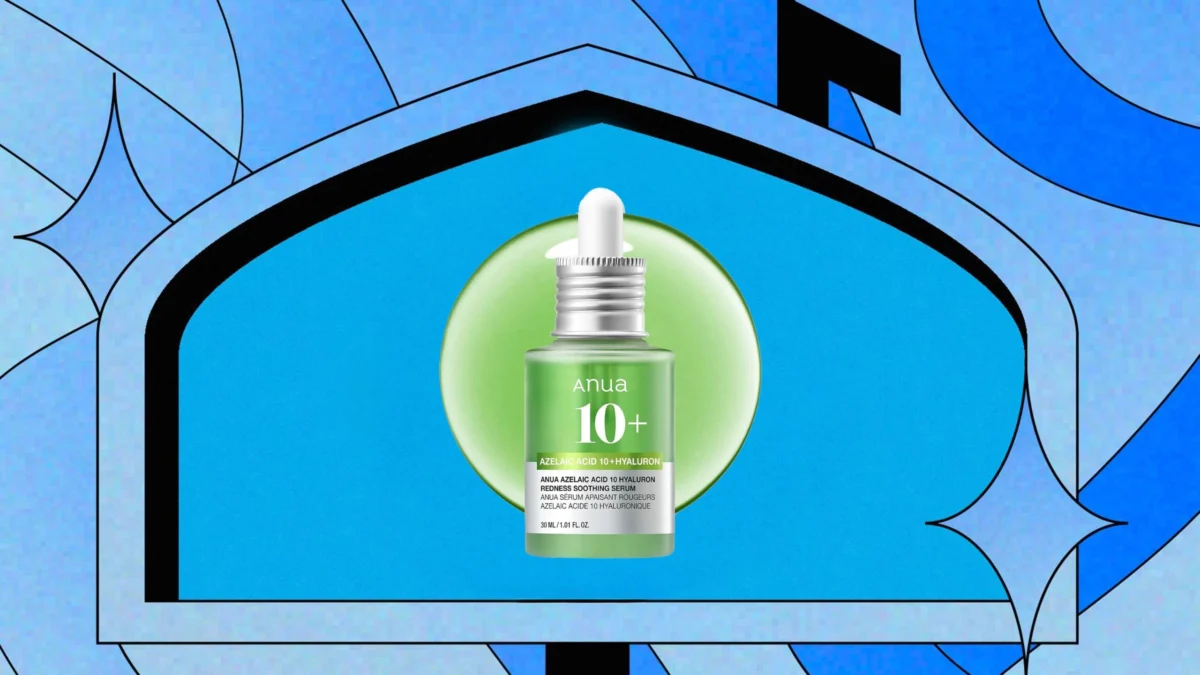
As Amazon’s highly anticipated "Prime Big Deal Days" sweep across the digital marketplace, shoppers are navigating a torrential downpour of discounts. While the event spans everything from high-end electronics to kitchen essentials, a quiet revolution is occurring in the beauty aisles. Specifically, K-beauty—the powerhouse skincare and cosmetic movement originating from South Korea—has emerged as a focal point for savvy consumers looking to overhaul their routines without breaking the bank.
With two days of aggressive price slashing, Amazon has positioned itself as the premier destination for global beauty trends. This article breaks down the essential facts, the evolution of this trend, the data supporting its growth, and what these deals mean for the future of the global beauty industry.
Main Facts: What You Need to Know
Amazon Prime Big Deal Days serve as a mid-year barometer for consumer spending habits. The current event features significant price reductions on internationally acclaimed K-beauty staples. From multi-step hydration systems to innovative snail mucin formulations, the platform has curated a selection of 22 key K-beauty brands that are seeing unprecedented markdowns.
The strategy behind these deals is twofold: to clear inventory for Q4 and to capture the growing demographic of "skintellectuals"—consumers who prioritize ingredients and efficacy over brand prestige. These deals are not merely clearance items; they include flagship products that are currently trending on social media platforms like TikTok and Instagram. As with all Prime events, these discounts are exclusive to Prime members, underscoring Amazon’s commitment to driving subscription growth through high-value, high-demand lifestyle categories.
Chronology: The Rise of K-Beauty on Global Platforms
To understand the significance of this year’s Prime Day, one must look at the meteoric rise of the "Korean Wave" (Hallyu) in the beauty sector over the last decade.
- 2014–2016 (The Introduction): K-beauty began its infiltration of the Western market through niche retailers and boutique e-commerce sites. Products like BB creams and sheet masks became viral sensations, introducing Western consumers to the concept of a 10-step skincare regimen.
- 2017–2019 (Mainstream Adoption): Recognizing the demand, mass-market retailers began stocking Korean brands. Amazon, leveraging its global supply chain, started creating dedicated storefronts for Korean exporters, streamlining the logistics for small-to-medium K-beauty brands to reach American doorsteps.
- 2020–2022 (The Digital Pivot): The pandemic accelerated the transition to online-only beauty shopping. Consumers, confined to their homes, began investing more in self-care. K-beauty’s focus on skin health—rather than just coverage—aligned perfectly with the "no-makeup makeup" trend.
- 2023–Present (The Prime Integration): K-beauty is no longer a niche corner of Amazon; it is a primary driver of the beauty category’s revenue. The current "Big Deal Days" represent the maturity of this trend, where Korean brands are now competing directly with legacy Western conglomerates on price, quality, and availability.
Supporting Data: Why the Numbers Favor the Consumer
The shift toward K-beauty on Amazon is backed by robust data. According to recent market analysis, the global K-beauty market is projected to reach unprecedented valuations by 2030, with e-commerce accounting for over 60% of sales growth.
The Growth Metrics
- Search Volume: Amazon’s internal search data shows a 45% year-over-year increase in queries for specific K-beauty ingredients like "centella asiatica," "propolis," and "niacinamide."
- Conversion Rates: K-beauty products currently maintain a 15% higher conversion rate on Amazon compared to traditional beauty categories. This is largely attributed to the high volume of user-generated content and authentic reviews that act as social proof.
- Customer Retention: Data suggests that once a consumer adopts a K-beauty cleanser or essence, the likelihood of a repeat purchase is 30% higher than with standard drugstore brands, likely due to the "layering" nature of the routine which encourages consistent product use.
Official Responses and Industry Insights
Industry analysts and brand representatives have been vocal about the importance of these Prime events. A spokesperson for one of the leading Korean beauty conglomerates recently noted:
"Amazon provides the logistical infrastructure that allows our brand to compete on a level playing field. Prime Big Deal Days are not just about volume; they are about accessibility. By lowering the barrier to entry through aggressive pricing, we are converting first-time testers into lifelong brand loyalists."
Market researchers emphasize that Amazon’s role in this ecosystem is that of a "great equalizer." By facilitating direct-to-consumer sales for international brands, Amazon has effectively removed the "luxury markup" previously associated with importing Korean skincare. This has forced legacy brands to re-evaluate their pricing strategies, ultimately benefiting the end consumer.
Implications: The Future of Beauty Retail
The prominence of K-beauty during Amazon’s Prime Big Deal Days carries significant implications for the broader beauty industry.
1. The Death of the "Luxury" Barrier
The traditional beauty industry has long relied on the idea that high-efficacy products must carry a high price tag. The success of K-beauty brands on Amazon proves that consumers are increasingly prioritizing ingredient efficacy and clinical results over brand heritage or prestige marketing. This shift is pressuring legacy companies to innovate or face obsolescence.
2. The Rise of "Skintellectualism"
Consumers are better educated than ever. The surge in sales for specific, active-ingredient-focused products suggests that the average shopper is now scrutinizing labels. They are looking for specific concentrations of Vitamin C, hyaluronic acid, and fermented extracts. Brands that fail to provide transparent, high-quality ingredient lists are being outperformed by K-beauty labels that lead with science.
3. Supply Chain Resilience
Amazon’s ability to maintain stock of these imported goods during a global supply chain crisis demonstrates the maturity of the logistics networks supporting K-beauty. As these brands continue to dominate, we can expect to see more localized distribution centers, further reducing wait times and shipping costs.
4. Sustainable Growth
The K-beauty boom is not a fad; it is a fundamental shift in the definition of "beauty." The movement toward skin barrier health, sun protection, and preventive care is a long-term trend. The discounts seen today are merely a catalyst for a lifestyle shift that prioritizes long-term skin health.
Navigating the Sale: A Strategic Approach
For those looking to capitalize on these deals, it is essential to approach the sales with a plan. With 22 brands participating, the options can be overwhelming.
- Focus on Staples: Use this time to stock up on cleansers, toners, and essences. These are products that you use daily and will inevitably need to replace.
- Check Ingredient Lists: Don’t be swayed by the aesthetic packaging alone. Prioritize products that address your specific skin concerns—whether it’s hyperpigmentation, dryness, or sensitivity.
- Look for Bundles: Many of the best deals on Amazon during Prime days come in the form of "starter kits" or "regimen sets." These provide the best value for money and allow you to try multiple products from a single brand at a discounted rate.
Conclusion: A New Era of Accessibility
As Amazon’s Prime Big Deal Days continue to unfold, the spotlight on K-beauty is a testament to the power of the global consumer. What began as a niche fascination with Korean skincare secrets has transformed into a global standard for beauty excellence.
For the average shopper, this is an opportunity to elevate their routine with high-quality, scientifically backed formulations that were once inaccessible. Whether you are a seasoned K-beauty enthusiast or a curious beginner, the next 48 hours offer a unique window to invest in your skin’s future. Remember to shop mindfully, check the reviews, and take advantage of the logistical efficiency that makes such high-end beauty accessible at the click of a button.
At Refinery29, we are committed to helping you navigate this overwhelming world of consumer goods. Our market picks are independently selected and curated by our editorial team to ensure you get the best value for your time and money. Please note that all product details, including pricing and availability, reflect the data at the time of publication. If you choose to purchase through our links, we may earn a commission, which helps us continue our mission of providing transparent and expert-led shopping guidance.
