

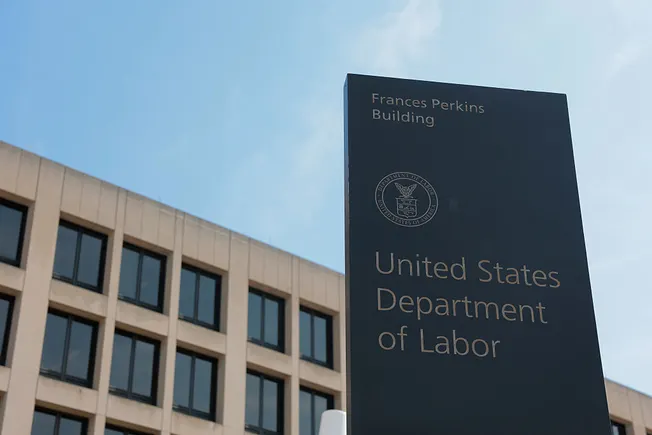
In a significant escalation of the Trump administration’s broad campaign to reshape U.S. immigration policy, federal authorities have launched a wide-ranging investigation into the hiring practices of several of the nation’s most prestigious research universities. The inquiry, centered on the use of the J-1 visa program, seeks to determine whether elite institutions are leveraging foreign researchers as a source of low-cost labor to the detriment of domestic workers.
The investigation, announced Thursday, involves the issuance of extensive subpoenas to major academic institutions, including Harvard, MIT, and Brown, among others. The move marks a pivot in the administration’s strategy, shifting from general border security and visa caps toward a granular audit of how federally funded research entities utilize international talent.
Main Facts: The Scope of the Inquiry
The investigation, spearheaded by federal agencies including the Department of Labor, focuses on the reliance of universities on the J-1 Exchange Visitor Program. While traditionally intended for cultural and educational exchange, the program has become a cornerstone of the American research ecosystem, allowing universities to bring in postdoctoral fellows and researchers to staff laboratories and high-tech projects.
Federal officials argue that the scale of J-1 reliance at certain institutions is disproportionate. According to figures cited during the administration’s press briefing, some institutions report that up to 61% of their researchers on federally funded projects are J-1 visa holders, a figure significantly higher than the national academic average of 38%.
The core of the government’s argument is economic: officials allege that universities are using foreign researchers to undercut the prevailing wage for American scholars. By bringing in international researchers, institutions are reportedly able to keep payroll costs lower than if they hired domestic workers, who officials claim earn an average of $20,000 more per year in comparable positions.
Chronology of Regulatory Pressure
The scrutiny of academic labor practices does not exist in a vacuum; it is the latest chapter in a multi-year effort by the Trump administration to restrict both legal and illegal immigration through administrative and regulatory action.
- Initial Restrictions (2020): The administration first signaled its intent to target high-skilled immigration by attempting to impose a $100,000 fee on H-1B visas. While this measure was struck down by a federal court in June, the administration remained undeterred, later floating a revised $103,265 fee structure for specific organizations.
- The Four-Year Cap Controversy: In an effort to limit the duration of student stays, the Department of Homeland Security (DHS) sought to cap F-1 and J-1 student visas at four years. This rule was halted by a federal judge in September, though the administration has since filed an appeal.
- Training and Internship Limitations: Throughout the late summer and autumn, the administration issued guidance restricting Optional Practical Training (OPT) programs and internships for foreign students, further tightening the pipeline between international study and U.S.-based work.
- The Current Subpoena Surge: The latest development involves the delivery of "very broad" subpoenas to universities, demanding comprehensive documentation on hiring practices, payroll data, and visa sponsorship logs.
Supporting Data and Economic Allegations
The administration’s case rests on the premise of "wage suppression." The $20,000 pay gap cited by officials is the central piece of evidence being used to justify the investigation. Proponents of the administration’s stance argue that this price difference creates an incentive for university departments to prioritize international applicants over domestic graduates, effectively creating a "shadow workforce" that keeps the labor market for researchers stagnant.
However, the statistical picture remains complex. Higher education advocates point out that the research labor market is global, and the specialized nature of these roles—often requiring highly specific technical expertise in fields like quantum computing, biotechnology, and artificial intelligence—means that the pool of qualified applicants is inherently limited. The universities involved maintain that their hiring is driven by a need for elite talent that is not always readily available in the domestic pipeline.
Official Responses from Higher Education
The academic community has reacted to the subpoenas with a mixture of professional caution and legal preparation. Most institutions have emphasized their commitment to compliance and transparency, while simultaneously signaling that they intend to challenge the narrative that they are "undercutting" American workers.
Arizona State University
A spokesperson for Arizona State University (ASU) underscored the institution’s massive contribution to the national economy, noting that the university manages one of the largest technical workforces in the country. "This benefits both the Arizona and the United States economies," the spokesperson stated. "ASU has hired the talent needed to perform these functions—and done so in complete compliance with existing United States policy and law."
Stanford and Ivy League Institutions
Stanford University, along with Yale and UC Davis, released statements confirming they would cooperate fully with the investigation. Each institution stressed that its hiring processes are conducted in accordance with all applicable visa laws.
MIT and Brown
The response from MIT was perhaps the most pointed regarding the breadth of the government’s request. A spokesperson described the subpoena as "very broad" but moved quickly to defend the integrity of their hiring process. "Of note, each J-1 visa holder at MIT has been vetted and authorized to come here by the U.S. government, and we take seriously our obligations to follow U.S. law," the spokesperson said. Brown University similarly confirmed receipt of the documents, promising to respond "promptly and directly to the government."
Implications for the Future of Research
The implications of this investigation are profound for both the U.S. higher education sector and the broader scientific community.
1. The Potential "Brain Drain"
Critics of the administration’s policies warn that the increased scrutiny, combined with high new fees and visa duration caps, risks a "brain drain." If international researchers find the U.S. regulatory environment hostile or prohibitively expensive, they may choose to conduct their research in Europe, Canada, or Asia, potentially damaging the long-term competitive edge of American innovation.
2. Fiscal Strain on Universities
For many top-tier research universities, the cost of compliance is mounting. Beyond the direct costs of managing new, complex visa regulations, universities now face the prospect of expensive legal battles to defend their hiring practices. If the administration successfully levies heavy fees—such as the proposed $100,000 charges for OPT participation—the financial burden could force a significant reduction in research output.
3. A Shift in Global Collaboration
The investigation signals a potential end to the era of seamless global collaboration in academia. By questioning the legitimacy of the J-1 program, the government is effectively signaling that it views foreign academic presence as a security or economic liability rather than a vital component of the intellectual economy.
4. Long-term Legislative Uncertainty
As the legal battles continue to play out in federal courts, universities are left in a state of operational uncertainty. With regulations being proposed, blocked, and appealed, the environment for international students and researchers remains volatile.
In summary, the current investigation into J-1 visa usage is more than a labor audit; it is a fundamental challenge to the way American universities have recruited and utilized talent for decades. Whether this leads to a systematic change in university hiring or results in a series of protracted legal defeats for the administration remains to be seen. However, the message from the White House is clear: the era of unrestricted access to the international research labor market is under intense, and likely permanent, revision.
