

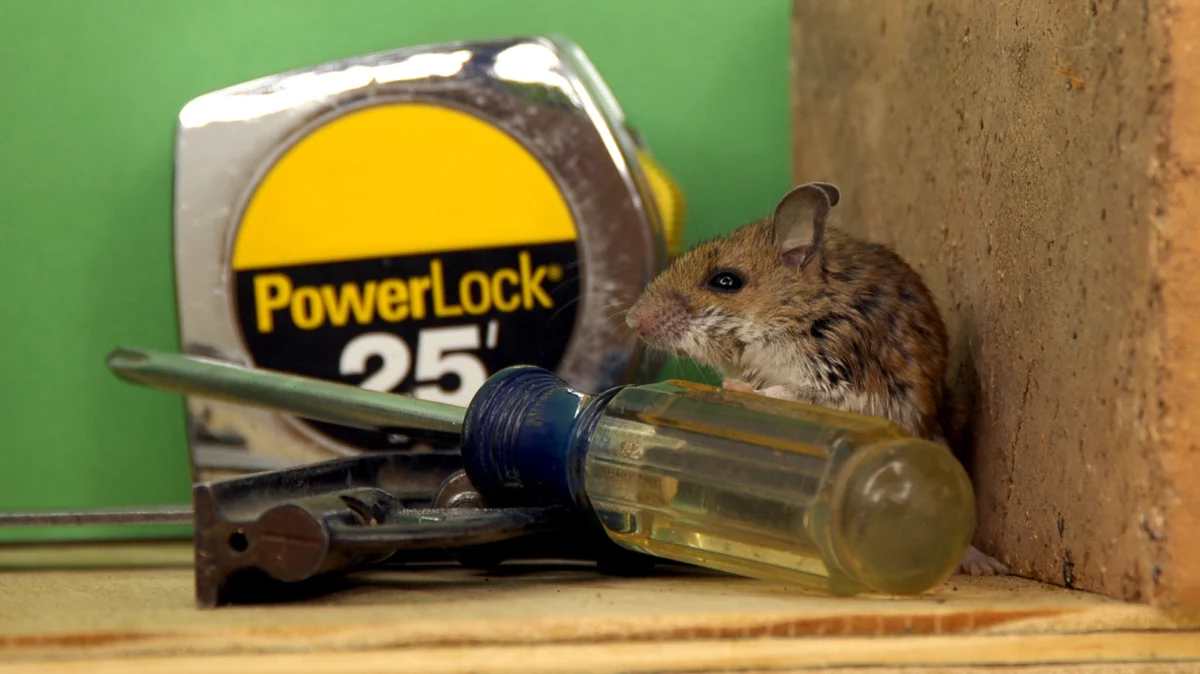
As the mercury drops and the first frost settles over the landscape, homeowners often find their garages transformed from mere storage spaces into highly coveted real estate for local rodent populations. While the sight of a mouse scurrying across a concrete floor might seem like a minor nuisance to some, it is often a harbinger of a more significant, structural, and sanitary crisis. Mice are opportunistic survivors, and as the natural food sources of autumn dwindle, your garage becomes a sanctuary of warmth and shelter.
Effectively managing this seasonal challenge requires shifting the focus from reactive measures—such as toxic chemicals or traditional snap traps—to a proactive strategy of exclusion. By understanding the biology of these pests and the structural vulnerabilities of your home, you can create an impenetrable fortress that keeps your garage free of unwanted tenants this winter.
The Reality of Rodent Infiltration: Main Facts
The primary reason mice succeed in infiltrating our homes is not due to a lack of effort on our part, but a fundamental misunderstanding of their physical capabilities. According to the Centers for Disease Control and Prevention (CDC), a house mouse can compress its skeleton to fit through an opening as narrow as 1/4 inch—roughly the diameter of a standard pencil.
This startling anatomical fact means that traditional gaps under garage doors, minor cracks in the foundation, or the small voids around utility conduits are not just "small flaws"—they are open doors. Once inside, mice do not merely coexist; they actively dismantle their environment. They shred insulation to create nesting materials, chew through electrical wiring (a leading cause of accidental garage fires), and contaminate storage areas with droppings and urine, which can transmit diseases such as Hantavirus and Salmonella.
A Chronological Approach to Winter Proofing
To successfully secure your garage, you must approach the task with the methodical eye of an inspector. The process is best broken down into three distinct phases: Observation, Physical Hardening, and Environmental Modification.
Phase 1: The External Audit
The battle begins outside. Before the deep freeze sets in, conduct a thorough perimeter walk of your garage.
- The Foundation-Siding Interface: Look for gaps where the concrete foundation meets the wood framing or siding.
- Door Frames: Inspect the weather stripping around human-entry doors. If you can see light through the frame when the door is closed, a mouse can enter.
- The Garage Door: This is the most common point of failure. Check the bottom seal for dry rot or missing chunks, and ensure the gap between the door and the metal tracking is flush.
Phase 2: Internal Inspection
Once the exterior is secured, move inside. A highly effective technique is the "Lights Out Test." During the day, close the garage door and turn off all interior lights. Any point where daylight pierces through the structure—be it around pipe penetrations, vents, or wall joints—is a confirmed entry point that requires sealing.
Phase 3: The Hardening Process
Once identified, these gaps must be sealed with materials that mice cannot chew through. Standard caulk or expanding foam alone is often insufficient, as mice can gnaw through these soft materials in minutes. Instead, use a "layering" approach: stuff the void with steel wool or copper mesh—materials that irritate a rodent’s mouth and gums—and then cap the opening with a durable sealant or hardware cloth.
Supporting Data: Why "Exclusion" Outperforms "Removal"
While the market is flooded with ultrasonic repellents, chemical poisons, and snap traps, the scientific consensus supports "exclusion" as the only long-term solution.
Research into rodent behavior indicates that once a mouse finds a safe, warm, and food-rich environment, they leave pheromone trails that invite others to follow. Traps only remove the individual; they do not address the structural flaw that allowed the individual to enter. Furthermore, the use of rodenticides presents significant secondary risks: poisoned mice may die within the walls of your home, leading to decomposition odors, or they may be scavenged by pets or local wildlife, causing accidental poisoning up the food chain.
By contrast, structural exclusion creates a "hard" barrier. Hardware cloth (a heavy-duty wire mesh) and stainless-steel kickplates are essentially invisible to the human eye but present a physical wall that even the most determined rodent cannot bypass.
Expert Insights: Addressing Vulnerabilities
Structural engineers and pest control professionals emphasize that homeowners often overlook "hidden" entry points. For instance, brick homes often feature "weep holes"—small, intentional gaps left in the mortar to allow moisture to escape from behind the brick veneer. While necessary for the health of your home’s masonry, these gaps are highways for mice. Using specialized weep-hole screens—which allow airflow but block rodents—is a critical, often neglected, maintenance step.
Additionally, the garage-to-home connection is the most dangerous point of ingress. Even if a mouse is "contained" in the garage, it is only a matter of time before it discovers the gap around a plumbing pipe that leads into the kitchen or basement. Sealing these shared walls is a non-negotiable step for homeowners who value the integrity of their living space.
Implications: The Long-Term Benefit
Implementing these measures is an investment that yields dividends far beyond the winter season.
- Energy Efficiency: Many of the gaps that allow mice to enter are the same gaps that allow expensive climate-controlled air to escape. By sealing your garage, you effectively reduce the "thermal leakage" of your property, leading to lower energy bills.
- Asset Protection: A mouse-proofed garage protects your stored items—holiday decorations, family heirlooms, and camping gear—from being destroyed by nesting rodents.
- Peace of Mind: Perhaps the most significant implication is the psychological benefit of knowing your home is secure. The stress of discovering an infestation is significant; preventing it allows you to enjoy the winter months without the anxiety of pest-related damage.
Conclusion: Making the Garage Uninviting
Finally, remember that sealing the building is only half the battle; you must also manage the interior environment. Mice are attracted to the "three S’s": Shelter, Sustenance, and Safety.
- Eliminate Food Sources: Store pet food, birdseed, and grass seed in heavy-duty, chew-proof plastic or metal bins.
- Remove Clutter: Mice thrive in dark, quiet corners filled with "soft" materials. Cardboard boxes, old newspapers, and fabric scraps are the building blocks of a mouse nest. By organizing your garage with elevated shelving and plastic storage bins, you remove the habitats they require.
By combining physical exclusion with diligent environmental management, you transform your garage from a high-risk zone into a well-maintained, secure component of your property. Winter is inevitable, but a rodent infestation in your garage does not have to be. Take the time this weekend to walk your perimeter, identify the gaps, and seal them—because for a mouse, a quarter-inch is all it takes to turn your garage into their winter home.
