

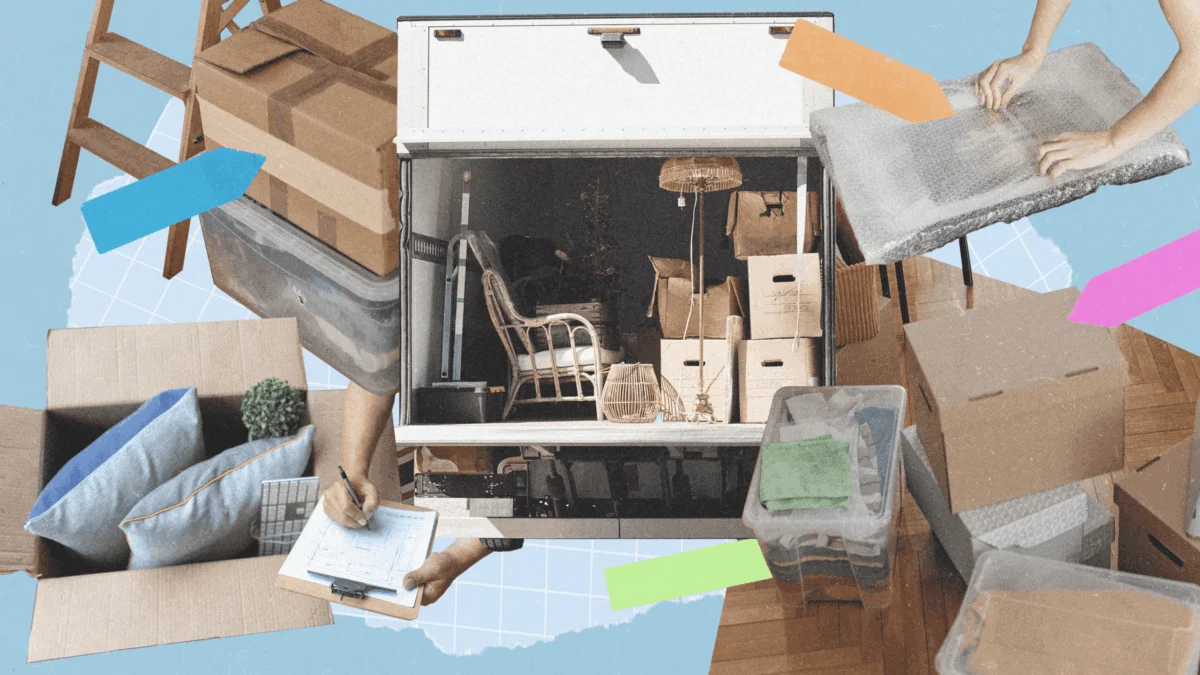
Moving is universally acknowledged as one of life’s most stressful milestones. Often ranked alongside high-anxiety events like filing taxes or undergoing dental surgery, the physical and logistical burden of relocating—sorting, packing, lifting, and organizing—can leave even the most prepared individual feeling overwhelmed. However, according to industry professionals, the difference between a chaotic, back-breaking move and a seamless transition lies in preparation, methodology, and a few "insider" secrets that can save both time and money.
The Psychology and Logistics of Relocation
At its core, moving is not merely about changing an address; it is a profound life transition. Najah Ayoub, chief marketing officer of Piece of Cake Moving & Storage, describes the process as a significant life event that requires a disciplined approach.
"Approaching the process efficiently and in an organized manner means less stress, a more seamless move, and a more enjoyable start to your next chapter," Ayoub explains. When the logistics are managed with precision, the emotional weight of the transition lifts, allowing the individual to focus on the excitement of their new surroundings rather than the exhaustion of the move itself.
Matt Graber, co-owner of Brooklyn-based Cool Hand Movers, echoes this sentiment, noting that most clients possess the resources for a successful move but often lack the structured plan to execute it. "An efficient approach to moving can help save time, money, and headaches," Graber adds. "The extra legwork during the planning phase pays dividends on moving day."
Chronology of a Successful Move: A Strategic Roadmap
To demystify the process, industry experts suggest a chronological approach to packing and preparation.
Phase 1: The Pre-Move Purge (6–8 Weeks Out)
The most critical step in any move is decluttering. Nick Valentino, vice president of market operations for Bellhop, identifies this as his "single best tip."
"If it won’t have a home in your new home, get rid of it before the move," Valentino advises. Reducing your inventory is the most effective way to lower moving costs, as many companies calculate quotes based on volume or weight. Furthermore, less clutter ensures that your new living space remains spacious and organized from day one. This is the time to audit your kitchen gadgets, old electronics, and unused furniture. Donate, sell, or recycle items that no longer serve a purpose in your life.
Phase 2: Administrative Compliance (4–6 Weeks Out)
Administrative oversights are the primary cause of last-minute moving day failures. Many residential buildings, particularly in urban centers, require a Certificate of Insurance (COI) before allowing movers into the building.
"Many buildings have specific elevator reservations and insurance requirements—the earlier you know about them, the better," warns Graber. If you are renting bins or hiring third-party contractors—such as television wall-mounting services or cleaning crews—ensure you have a COI for every vendor. It is also prudent to request secondary COIs if a contractor needs to return to the apartment for follow-up work, as we experienced during our own recent relocation.
Phase 3: The Packing Strategy (2–4 Weeks Out)
The average two-bedroom apartment takes approximately two weeks to pack if done by the occupant. Ayoub emphasizes the importance of overestimating the time required. "Start early!" she advises. Begin with items that are not part of your daily routine, such as seasonal clothing or decorative items. Leave essential cleaning supplies and basic tools for the very last step, ensuring they are packed in a box that remains easily accessible during the move.
Supporting Data and Best Practices
The Case for Reusable Bins
The traditional cardboard box is becoming an antiquated tool in the world of professional moving. Sustainability is increasingly at the forefront of the industry, and renting reusable plastic bins offers significant advantages.
"Cardboard boxes vary in quality and require assembly, taping, breaking down, and eventual disposal," Graber explains. Reusable bins, by contrast, are sturdier, require no assembly, and are collected by the rental company after the move, significantly reducing waste. For those who prefer to own their supplies, vacuum-seal plastic bags are an excellent alternative for linens and bedding, as they compress volume and can be repurposed for long-term storage.
The Science of Box Selection
If you must use cardboard, be intentional about the type you choose. Professionals recommend corrugated boxes with double-wall construction.
- Uniformity: Consistent dimensions make for a more stable stack, reducing the risk of shifting or collapsing during transit.
- The Box Maker’s Certificate: Look for this stamp on the bottom of a box. It provides the weight capacity and strength rating, allowing you to avoid "guesstimating" if a box can handle your heavy collection of books or kitchenware.
- Specialty Containers: Kitchen and stemware boxes with built-in dividers are essential for fragile items. They eliminate the guesswork of cushioning and prevent overcrowding.
Packing with Intention
A common mistake is the "all-in-one" packing method, where one large box is filled with heavy items to the brim. This is a recipe for broken boxes and strained muscles. Distribute weight evenly across all containers. Furthermore, always pack dishes vertically—never flat. Placing a bed of packing material at the bottom of the box and standing plates on their sides prevents the pressure-based fractures that occur when dishes are stacked horizontally.
Technical Expertise: Furniture and Protection
Measuring for Success
Before the moving truck arrives, measure your furniture against your new doorways, hallways, and stairwells. "Disassemble any furniture that can be," advises Kyle Stockford, a Boston-based professional mover on Taskrabbit. If you lack the physical capability to handle large pieces, ensure you have hired adequate labor to manage the heavy lifting.
The Layering Technique
Do not rely on a single type of packing material. Experts suggest a layered approach:
- Honeycomb Paper: Ideal for moderate protection of decor and kitchenware.
- Bubble Wrap: Reserved for highly fragile items or pieces with delicate protrusions.
- Rigid Foam and Corrugated Protectors: Essential for safeguarding the edges of mirrors, tabletops, and artwork.
Implications: The "First-Night" Philosophy
Even with a perfect plan, you will likely be too tired to unpack everything on your first night. To maintain your sanity, prioritize the creation of "first-night" kits or suitcases.
"You don’t want to dig through boxes for medication, toothpaste, or chargers," Graber notes. Ayoub suggests including a basic set of kitchen items, fresh linens, towels, and essential electronics in this "survival" kit.
The Color-Coding Advantage
To ensure that your boxes land in the correct room, use a color-coding system. Assign a specific color to each room (e.g., blue for the kitchen, green for the bedroom) and mark both the boxes and the door frames of the new residence. This simple visual cue allows movers to place items precisely where they belong, saving hours of manual labor after the truck has departed.
Conclusion: The Path Forward
Moving does not have to be a traumatic experience. By treating the move as a structured project rather than a chaotic chore, you can reclaim your time and energy. Whether it is through the use of reusable bins, the rigorous application of a packing schedule, or the simple act of purging unnecessary belongings, the transition into a new home should be a celebration of a new chapter, not a burden. By following the advice of industry veterans, you can transform the daunting task of moving into an experience as effortless as a "piece of cake."
