

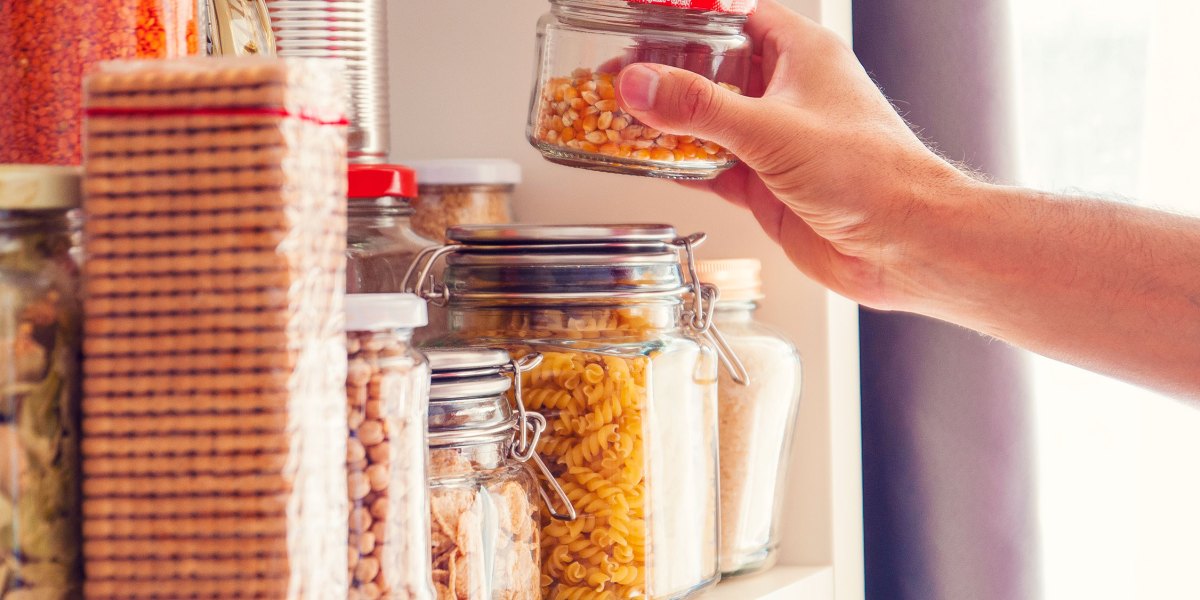
When you peer into the average home pantry, the landscape is often predictable: rows of olive oil, boxes of dry pasta, canned beans, and the occasional bag of flour. These are the workhorses of the domestic kitchen. However, if you were to gain access to the private culinary sanctuaries of professional chefs, you would find a different story—one defined by curiosity, depth of flavor, and an intentional departure from the mundane.
For those who create world-class meals for a living, the pantry is not just a storage space; it is a library of potential. Chefs spend their professional lives obsessing over the nuance of a dish, and that intensity follows them home. As many West Coast culinary experts suggest, the secret to restaurant-quality food isn’t always found in expensive equipment or complex techniques, but in the "off-the-cuff" ingredients that bridge the gap between basic nourishment and a memorable dining experience.
The Philosophy of the Professional Pantry
"Having versatile, high-impact pantry items is the ultimate hack," says Chef Kari Shaughnessy of Hayward in Carlton, Oregon. "They have a way of turning the most straightforward, humdrum meal into something that feels deliberate and special."
This philosophy rests on the concept of "flavor architecture." While home cooks often rely on salt, pepper, and garlic, professional chefs prioritize ingredients that provide layers of complexity—acidity, umami, texture, and brightness—without requiring hours of preparation. By keeping a rotating stock of these "secret weapons," even a tired weeknight dinner can be transformed into a chef-approved culinary moment.
Chronology of a Culinary Shift: From Basic to Bespoke
The evolution of the home pantry has been accelerated by the democratization of professional ingredients. A decade ago, items like togarashi or verjus were relegated to niche ethnic grocers or professional supply catalogs. Today, the rise of specialty e-commerce and a more adventurous home-cooking public has brought these staples into the mainstream.
- The Rise of Umami (2015–2018): As Japanese and fusion cuisine gained global dominance, ingredients like miso, seaweed, and chili crisp moved from restaurant kitchens to home shelves.
- The "Slow Food" Resurgence (2019–2021): During the pandemic, home cooks began looking for shelf-stable ways to recreate restaurant flavors. This era saw a spike in interest for preserved, fermented, and cured ingredients like preserved lemons and specialized vinegars.
- The Modern Fusion Era (2022–Present): Chefs are now encouraging home cooks to bypass traditional usage. We are seeing a move toward using traditional Mexican masa in desserts or Japanese nori in non-Asian dishes, signaling a new, boundary-less era of domestic cooking.
The Essential Toolkit: A Deep Dive into Chef Favorites
We spoke with some of the West Coast’s most influential culinary figures to identify the unassuming, yet transformative, items that occupy their personal shelves.
Togarashi: The Instant Flavor Multiplier
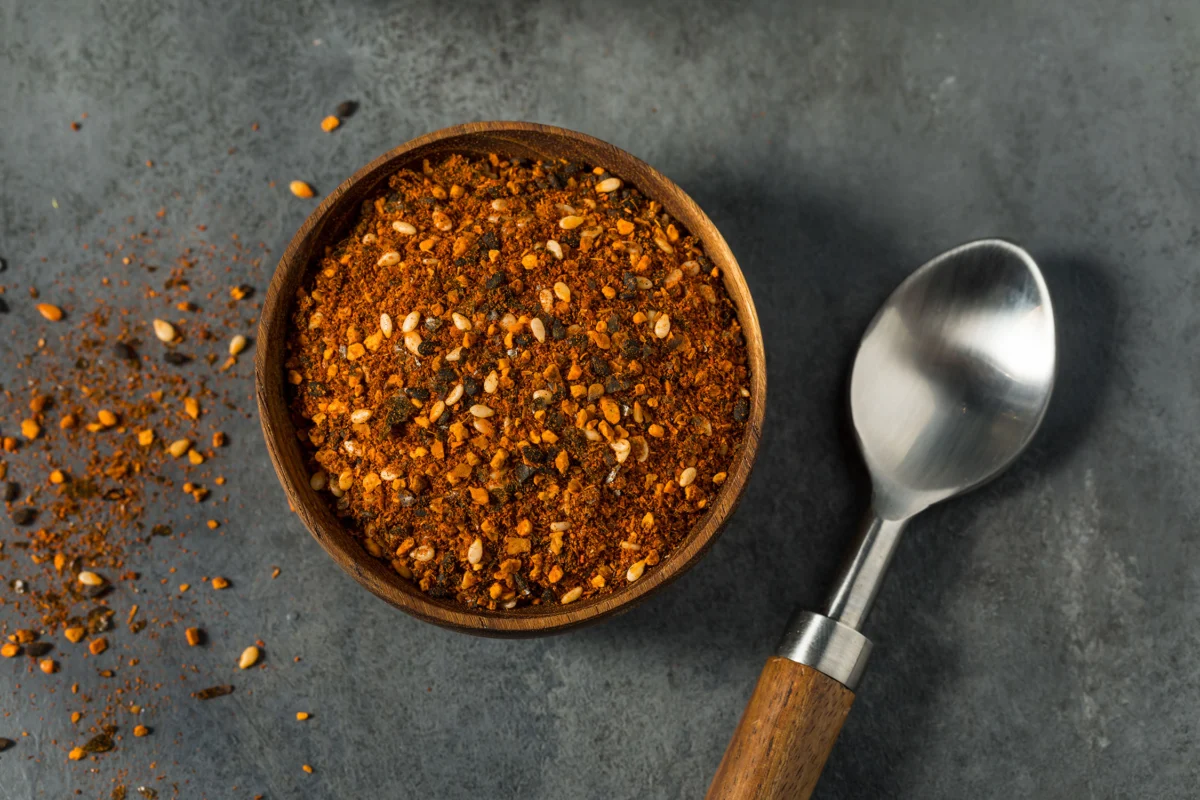
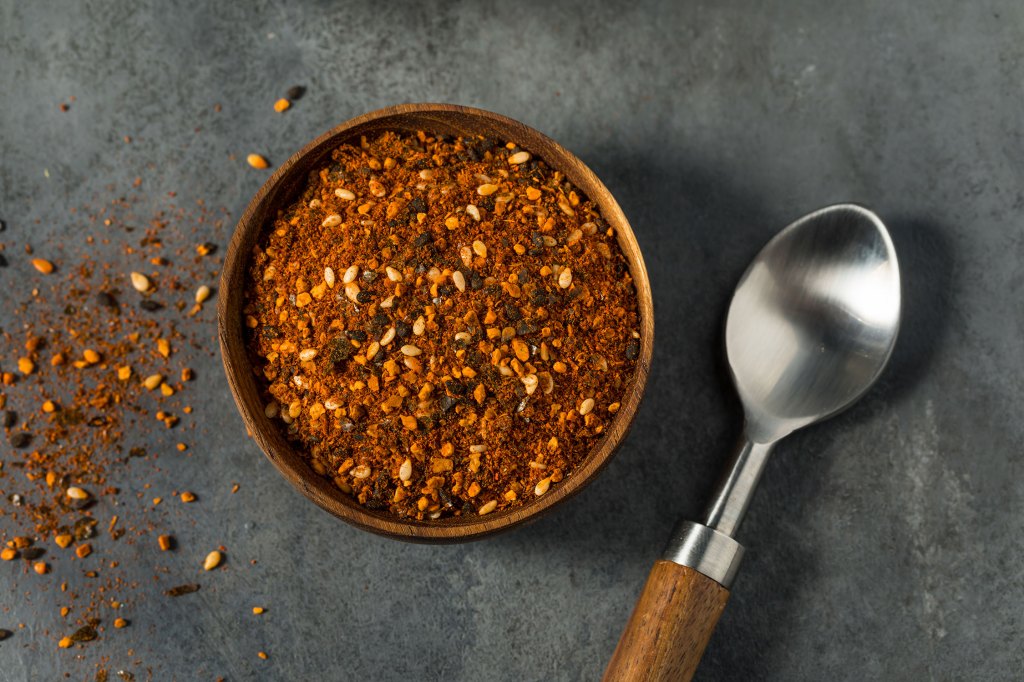
Chef Mika Paredes of Portland’s L’échelle considers togarashi—a Japanese spice blend typically featuring chili, orange peel, black sesame, and ginger—to be the ultimate pantry savior.
"I don’t get much time away from the restaurant, so when I have a Sunday off, I’m all about making breakfast at home," Paredes explains. "A little togarashi or chili crisp makes even a simple, soft-boiled egg feel intentional." The spice provides a complex heat that doesn’t just burn; it sings with citrus and nuttiness. For those who cannot find the blend, Paredes recommends S&B Umami Topping Crunchy Garlic or La Yu chili oil, citing the latter’s precise, design-forward bottle as a bonus for the home cook.
Dolmades: The Unexpected Umami Bomb
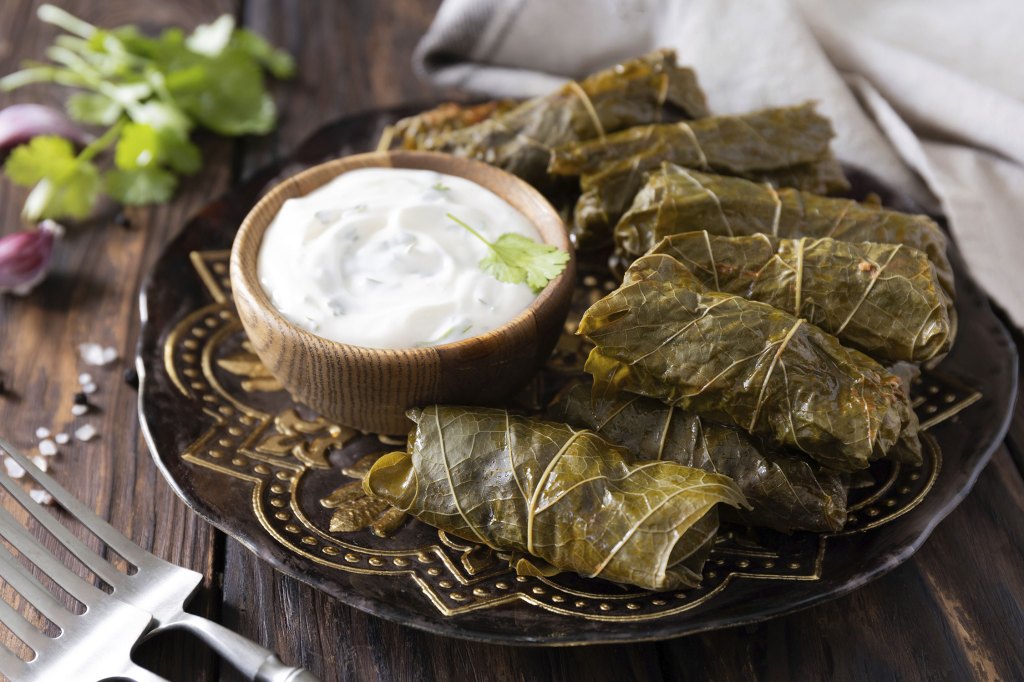
Chef Spencer Horovitz, the visionary behind San Francisco’s upcoming Hadeem, champions a controversial but brilliant pantry staple: canned dolmades (stuffed grape leaves). While often viewed as a simple appetizer, Horovitz argues that their potential is vastly underestimated.
"I’ve recently been finding even more uses for them than just eating them out of the can," Horovitz says. His techniques include broiling them with feta for a crispy, salty snack, or poaching them directly in simmering tomato sauce to infuse the rice with the sauce’s acidity. By treating them as a component rather than a standalone snack, he elevates a humble, shelf-stable good into a sophisticated main.
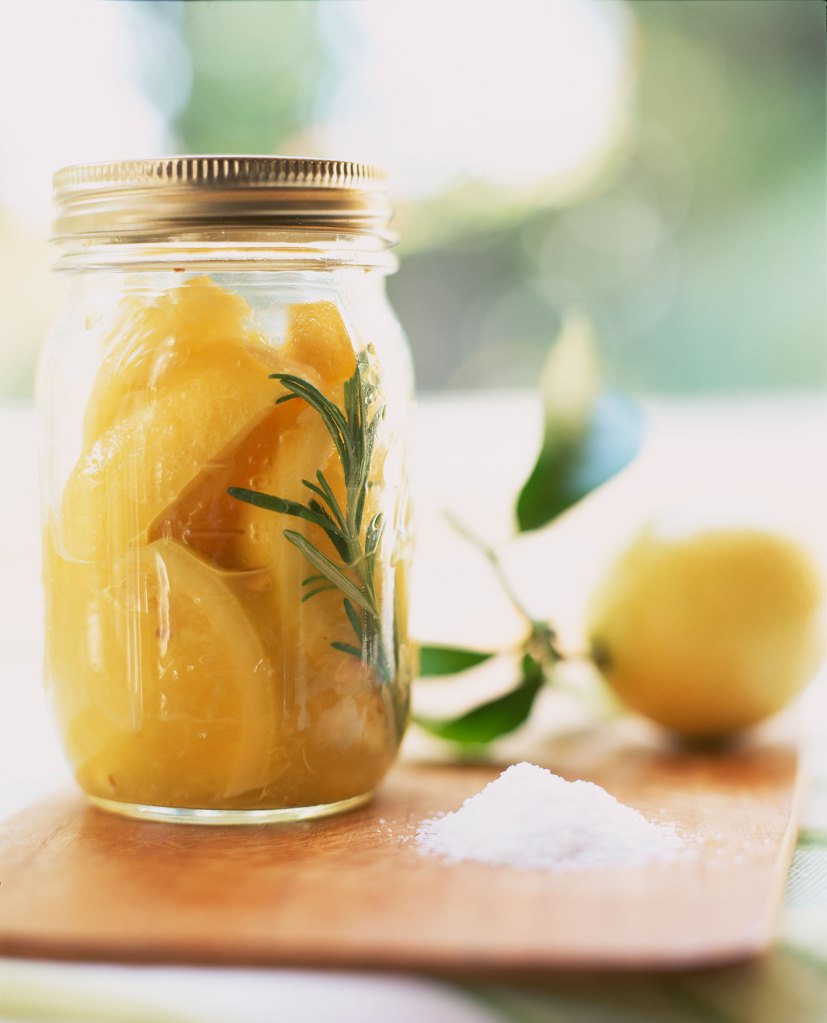
Preserved Lemons: Brightness in a Jar
Moving beyond the standard pickle, preserved lemons offer a concentrated burst of salinity and floral citrus notes. Chef Paredes suggests chopping them into vinaigrettes, beans, or even muddling them into tonic water for an elevated mocktail. The fermentation process creates a depth of flavor that raw lemon juice simply cannot replicate.
Verjus: The Chef’s Best Friend
Chef Kari Shaughnessy is unabashed in her love for verjus—the unfermented, acidic juice of unripe grapes. "We are best friends," she quips. "It’s a bit of a joke at Hayward how often I use it, but it is that special to me."
Verjus occupies a unique space between vinegar and wine. It provides acidity without the sharp, acetic bite of vinegar, and a touch of sweetness that balances savory dishes. Shaughnessy utilizes it across the board: in salad dressings, to deglaze pans for pasta sauces, and even in syrups for dessert, proving its versatility as a "secret" balancing agent.
Dried Californian Nori: The Ocean’s Essence
For Chef Nik Neuwirt of Kappo in Palo Alto, nori is the key to bringing the "smell and taste of the ocean" into the home kitchen. Beyond ramen, Neuwirt encourages home cooks to experiment with nori as a structural ingredient. Whether powdering it to create an umami-rich seasoning or using sheets as a vessel for a quick sushi bake, nori provides a depth of flavor that is difficult to achieve with traditional salt-based seasonings.
Blue Corn Masa Harina: The Foundation of Flavor
Executive Chef Laura Ozyilmaz of Maria Isabel advocates for keeping masa harina—the nixtamalized corn flour—at the ready. "Corn is at the center of so much of what we cook, and good masa harina gives you that beautiful, earthy flavor with very little effort," she explains.
Executive Pastry Chef Yesenia Castañón adds that it is the ultimate late-night hack. "Just add water, press, and cook. It is the fastest way to turn a basic snack into a legitimate taco experience."
Supporting Data: The Impact of Pantry Optimization
According to recent culinary trend reports, home cooks who incorporate three or more "specialty" pantry items (such as those listed above) report a 40% higher satisfaction rate with their home-cooked meals. Furthermore, the use of fermented and umami-heavy staples reduces the need for excessive added salt, as these ingredients provide "perceived saltiness" through natural glutamate content.
| Ingredient | Primary Profile | Recommended Use |
|---|---|---|
| Togarashi | Heat/Citrus | Eggs, Noodles, Popcorn |
| Verjus | Mild Acid/Sweet | Vinaigrettes, Deglazing, Syrups |
| Preserved Lemon | Salty/Floral | Stews, Beans, Cocktails |
| Masa Harina | Earthy/Nutty | Tortillas, Tamales, Crusts |
| Nori | Umami/Briny | Handrolls, Seasoning Powders |
Official Perspectives: Why "Chef-Approved" Matters
The shift toward these ingredients represents a broader change in how we define "scratch cooking." In the past, scratch cooking was defined by the labor involved—peeling, chopping, and simmering for hours. Today, professional chefs define it by the quality of the raw materials. By keeping a pantry stocked with ingredients that have been carefully processed—like nixtamalized corn or fermented grapes—home cooks can achieve professional results without the commercial-grade kitchen.
"You don’t need to be a professional to cook like one," says Chef Shaughnessy. "You just need to stock the right tools. When you have the right building blocks, the cooking happens almost by itself."
Implications for the Home Kitchen
The transition from a "basics-only" pantry to one that reflects the sensibilities of a professional chef has several profound implications for the domestic cook:

- Reduction in Food Waste: Many of these ingredients (like preserved lemons and verjus) have long shelf lives and can be used in small quantities to "save" a dish that has gone slightly wrong.
- Healthier Palates: By relying on ingredients that provide natural umami and acid, home cooks can move away from heavy reliance on processed sauces, refined sugars, and excessive sodium.
- Creative Confidence: The most significant implication is the psychological shift. When a home cook learns how to use an ingredient like nori or masa harina, they are no longer restricted by recipes. They begin to understand the science of the flavor, leading to greater experimentation and confidence in the kitchen.
As we move toward a future where the home kitchen is an extension of the culinary arts, the "pantry revolution" stands as the most accessible way to elevate our daily lives. By auditing your own cabinets and swapping out the mundane for the meaningful, you aren’t just stocking shelves—you are setting the stage for your next great meal.
Note: The insights provided above reflect the personal preferences of professional chefs and are intended to inspire creativity in the home. Always experiment with ratios to suit your personal palate.
