

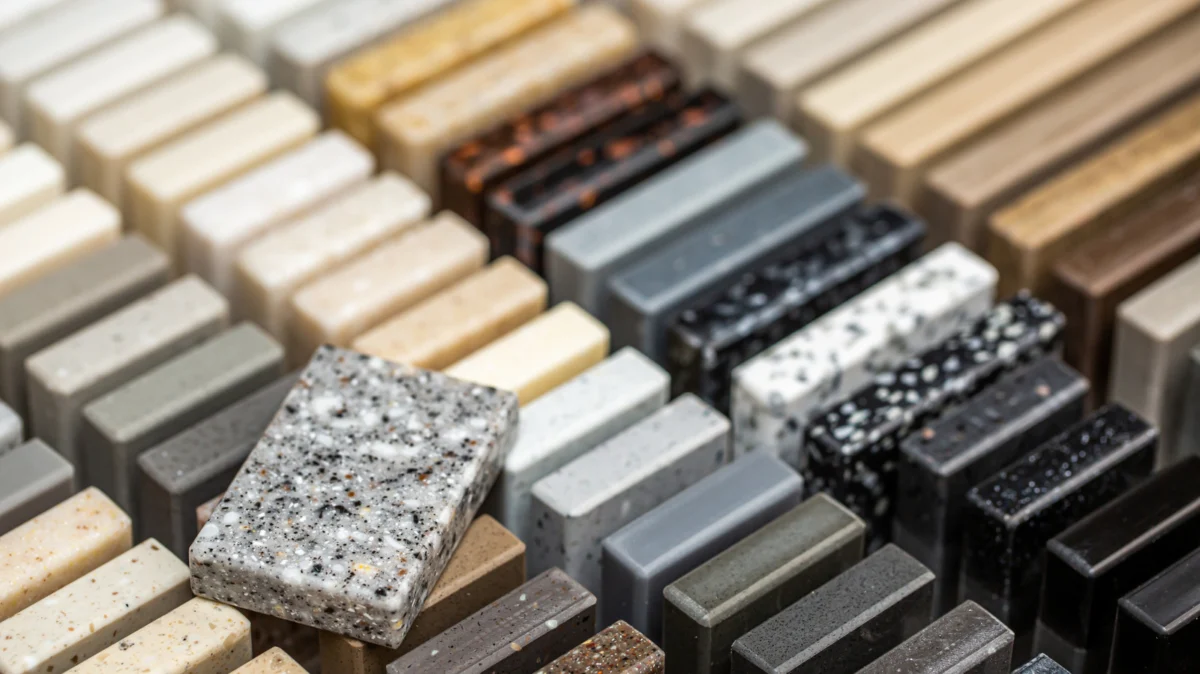
In the ever-evolving world of interior design, a quiet revolution is taking place on the workshop benches of DIY enthusiasts and eco-conscious homeowners. The era of mindless consumption is giving way to a more thoughtful, curated approach to home aesthetics. At the forefront of this movement is a surprising material: granite countertop scraps. What was once considered industrial waste destined for a landfill is now being transformed into sophisticated, farmhouse-inspired wall art.
This trend, popularized by viral content creators like Juniper Point Design Co., highlights a shift in how we perceive kitchen renovations. No longer just a matter of tearing out the old to make way for the new, modern remodeling has become an exercise in creative resourcefulness. By repurposing the remnants of heavy-duty stone fabrication, homeowners are finding that the most luxurious decor often comes from the most unexpected places.
The Core Concept: Redefining Kitchen Waste
The philosophy behind this DIY trend is rooted in the "circular economy." As renovation projects generate tons of construction debris annually, finding ways to upcycle these materials is not just a stylistic choice—it is an environmental imperative.
Granite, a natural igneous rock prized for its durability and unique mineral patterns, has been a staple in kitchen design for decades. However, as interior trends shift toward lighter, more minimalist color palettes, many homeowners are opting to remove older, earth-toned granite slabs in favor of quartz or porcelain. This mass removal creates a secondary market for stone offcuts.
When a DIYer takes these jagged, discarded shards and processes them into refined, decorative pieces, they are participating in a broader cultural movement that values "the hunt" for materials as much as the final product. The aesthetic result—a rustic, tactile, and highly personalized piece of art—offers a level of character that mass-produced big-box store decor simply cannot replicate.
A Chronology of the Craft: From Fabrication to Frame
The journey of a granite scrap from a construction site to a living room wall follows a distinct, manual process that requires patience, safety, and a sharp eye for design.
Phase 1: Procurement and Preparation
The process begins at the stone yard or the local kitchen fabricator. Most fabricators are happy to clear out their "remnant piles," which are often filled with high-quality stone pieces too small for a full countertop but perfect for craft projects. Once acquired, the stone must be broken down. Creators often wrap the granite in heavy fabric to contain shards and dust before using a hammer to break the slabs into manageable, pebble-sized pieces.
Phase 2: Artistic Curation
Once the granite is reduced to a granular form, the sorting begins. This is where the artistry takes center stage. By organizing the stones by color—ranging from deep, crystalline blacks and speckled grays to creamy whites and earthy tans—the creator can plan a gradient or ombre effect. This meticulous sorting turns a pile of raw, chaotic stone into a structured palette of natural textures.
Phase 3: Structural Engineering
While the stone provides the texture, the frame provides the context. Creating a deep, shadow-box style wooden frame is the next step. Whether the wood is reclaimed from shipping pallets or purchased as raw lumber, it must be cut, mitered, and stained to match the desired farmhouse aesthetic. The deep sides of the frame are crucial, as they create a "well" that allows the granite pebbles to be set in a way that catches light and creates depth.
Phase 4: Final Assembly
The final stage involves the use of high-strength adhesives. Applying the granite pieces to a backing material (usually plywood or heavy-duty fiberboard) requires a strong construction adhesive—products like Gorilla Max Strength are industry favorites due to their ability to bond porous stone to wood surfaces. Once the adhesive cures, the piece is ready to be hung or displayed.
Supporting Data: Why Upcycling Matters
The economic and environmental implications of this project are significant. According to recent industry reports on home improvement, the cost of custom art and high-end wall decor has risen by nearly 15% over the past three years. Conversely, by sourcing granite scraps for free or at a nominal cost, a DIYer can create a statement piece for a fraction of the market price.
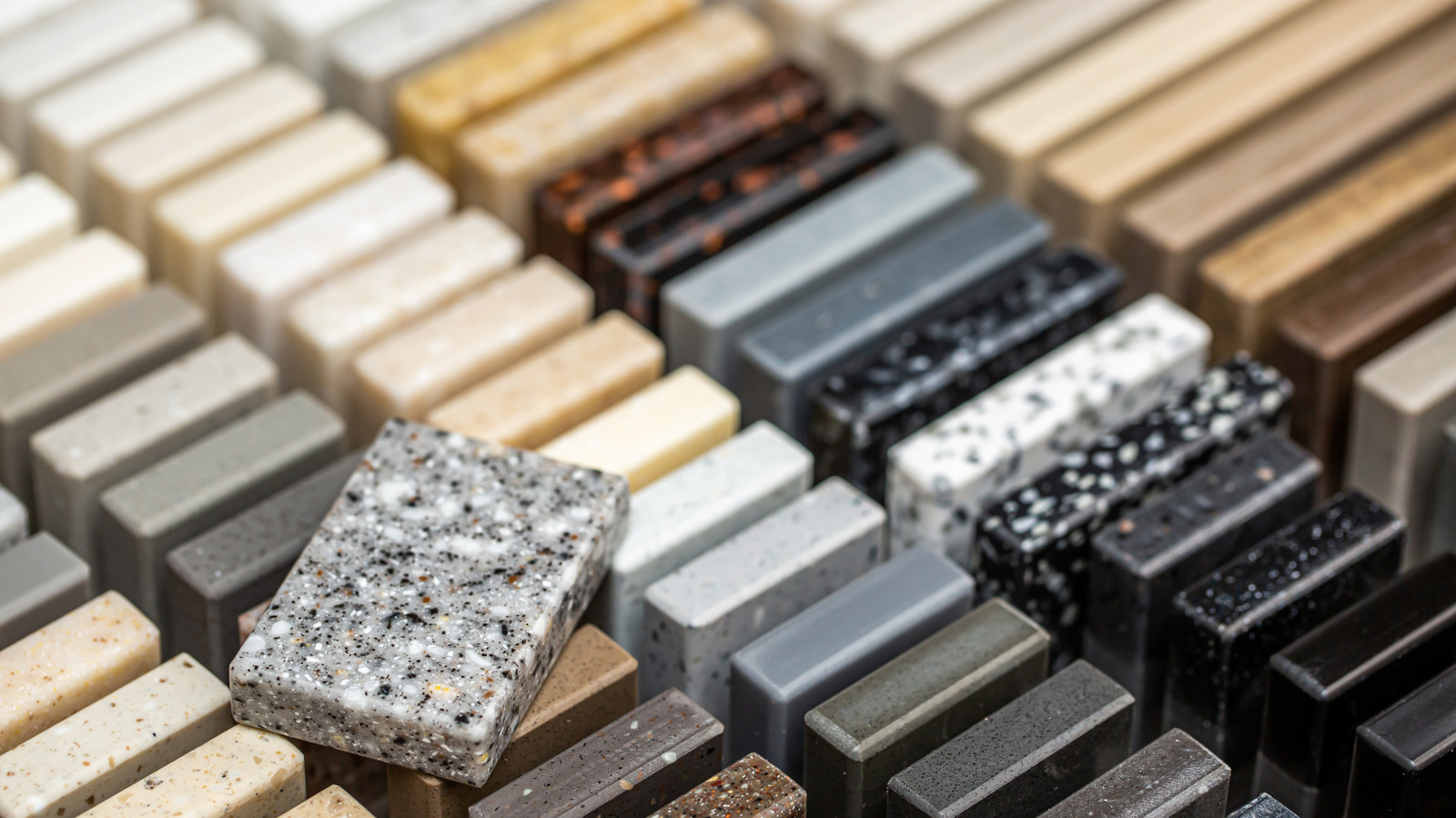
Furthermore, the environmental impact of granite extraction is considerable. Granite mining involves significant energy consumption, water usage, and land disruption. By extending the lifecycle of a piece of granite—even a scrap—we reduce the overall demand for new raw materials. Every pound of stone diverted from a landfill is a small victory for sustainable home design.
Data from social media platforms also suggests a massive increase in engagement for "upcycling" content. The viral nature of projects like the one popularized by Juniper Point Design Co. demonstrates that there is a massive, untapped demographic of homeowners eager to learn how to handle industrial materials. They are not looking for the easiest path; they are looking for the most meaningful one.
Professional Perspectives and Industry Response
Interior designers and stone fabricators have taken note of this trend. While traditionally, fabricators might view scraps as an inconvenience, some forward-thinking shops are now "curating" their offcuts for local hobbyists.
"We’ve seen a shift," says one industry consultant. "For years, it was all about the seamless, pristine slab. Now, we have clients asking for the ‘interesting’ cuts—the pieces with unusual veins or unique mineral inclusions. When a customer tells us they want to turn those scraps into art, it changes the conversation from waste management to community partnership."
However, professionals emphasize safety. Working with granite involves fine dust, which can contain silica. Experts warn that anyone attempting this project must use proper personal protective equipment (PPE), including N95-rated respirators and safety goggles, especially during the "smashing" phase. The move toward DIY, while empowering, must be grounded in professional-grade safety standards to prevent respiratory issues or injury.
Implications for Future Kitchen Design
What does this say about the future of our homes? It suggests that the "Farmhouse" trend is evolving. We are moving away from the mass-manufactured "Live, Laugh, Love" signs of the 2010s and toward textures that tell a story.
Personalization over Standardization
The primary implication of this trend is that homeowners are reclaiming their space. By creating art from the very materials that were once part of their kitchen’s foundation, they are weaving their home’s history into its new design. It is a form of design-level storytelling that creates a sense of place.
The "Pro-sumer" Shift
We are witnessing the rise of the "pro-sumer"—the consumer who is willing to learn the skills of a professional. From learning how to cut wood to understanding the chemistry of adhesives, homeowners are becoming more technically proficient. This shift is likely to pressure manufacturers to provide better, safer, and more accessible tools for the average person to engage in high-level DIY.
The Sustainability Mandate
Finally, this trend serves as a signal to the broader construction industry. If homeowners are actively seeking out "waste" to make art, it highlights a disconnect in how we handle construction materials. Perhaps the next step is for architects and designers to incorporate "scrap design" into their initial plans—creating homes that are designed from the start to be easily upcycled at the end of their lifecycle.
Conclusion: A Stone-Cold Masterpiece
Transforming granite countertop scraps into farmhouse-inspired decor is more than a weekend project; it is a manifestation of modern values. It combines the rugged durability of ancient stone with the fleeting, creative spirit of the DIY movement.
Whether you are a seasoned carpenter or a beginner picking up a hammer for the first time, this project offers a path to creating something that is not only beautiful but also sustainable. It encourages us to look at the discarded, the chipped, and the broken, and see the potential for a masterpiece. As we move toward a future where our homes must be as environmentally responsible as they are aesthetically pleasing, the granite scrap art trend stands as a testament to human ingenuity—turning the heavy, hard, and forgotten into the focal point of our daily lives.
