

In the pantheon of American culinary culture, Louisiana occupies a hallowed position. It is the crucible of soul food, Creole sophistication, and the birthplace of the modern fried chicken craze. When the average consumer thinks of Louisiana-style fried chicken, two global behemoths inevitably dominate the conversation: Popeyes, the spicy, shatter-crisp titan founded in 1972, and Raising Cane’s, the chicken-finger empire that transformed the quick-service industry starting in 1996.
However, beneath the glow of neon signage and national advertising campaigns lies a deeper, more storied legacy. Tucked away in the streets of Baton Rouge, Louisiana, stands Chicken Shack—a family-owned institution that has been serving what locals call "knuckle-suckin’ good" fried chicken since the Great Depression. With a history that stretches back to 1935, Chicken Shack is not merely a restaurant; it is a living monument to the resilience of family-owned enterprise and a testament to the fact that the most authentic culinary treasures are often found long before the franchising machine takes hold.
The Foundation: From Ice Cream to Icons (1935–1959)
The origin story of Chicken Shack is one of humble ambition and entrepreneurial evolution. Long before the term "quick-service restaurant" was part of the common lexicon, Thomas "Tommy" H. Delpit laid the groundwork for what would become a generational legacy.
In 1935, during the height of the Great Depression, Delpit made a bold move: he invested a mere 35 cents—a sum equivalent to roughly $8.50 in today’s economy—to purchase a modest sweets shop known as the Suburban Ice Cream Parlor. While the location of that original storefront now serves as the administrative headquarters for the modern Chicken Shack, the trajectory of the business changed almost immediately.
By 1937, just two years after the initial investment, Delpit recognized that his patrons hungered for more than just sugar. He rebranded the establishment as "Chicken Shack." Drawing on his time living in New Orleans, Delpit began experimenting with Creole culinary staples. He introduced red beans and rice, fresh seafood, and, most importantly, a proprietary fried chicken recipe. Unlike the heavy, flour-dusted breading seen in many modern iterations, Delpit perfected a wet-batter technique. By dipping the poultry directly into the searing oil, he achieved a distinct, golden-crisp texture that set the gold standard for Baton Rouge poultry long before the industry standardized the "finger-lickin’" style.
The Evolution: A Family Stewardship (1959–Present)
The death of Thomas Delpit in 1959 was a pivotal moment for the restaurant. Rather than closing its doors, the business entered its second phase under the guidance of his son, Joe Delpit. This transition was critical in cementing Chicken Shack as a community pillar. By 1973, Joe and his wife took full ownership, steering the brand through the decades of rapid commercialization that saw many independent shops shuttered by corporate competitors.
Today, the spirit of the Delpit family remains the heart of the operation. With two current locations—on Acadian Highway and Pawtucket Street—the restaurant maintains a sense of intimacy that is difficult to replicate in a boardroom-driven franchise model. The operations are bolstered by long-term staff, including general manager Troy Carter. Carter’s role serves as a bridge between the restaurant’s history and its daily community engagement; he is famous for recording the daily voicemail greeting, which balances the day’s specials with thoughtful, inspirational quotes, serving as a reminder that this is a business built on human connection.
Culinary Philosophy: What Defines "Knuckle-Suckin’"?
While the national chains have spent decades optimizing supply chains for speed and consistency, Chicken Shack has spent its time refining the soul of the plate. The menu is a comprehensive map of Southern and Creole comfort food.
The Signature Chicken
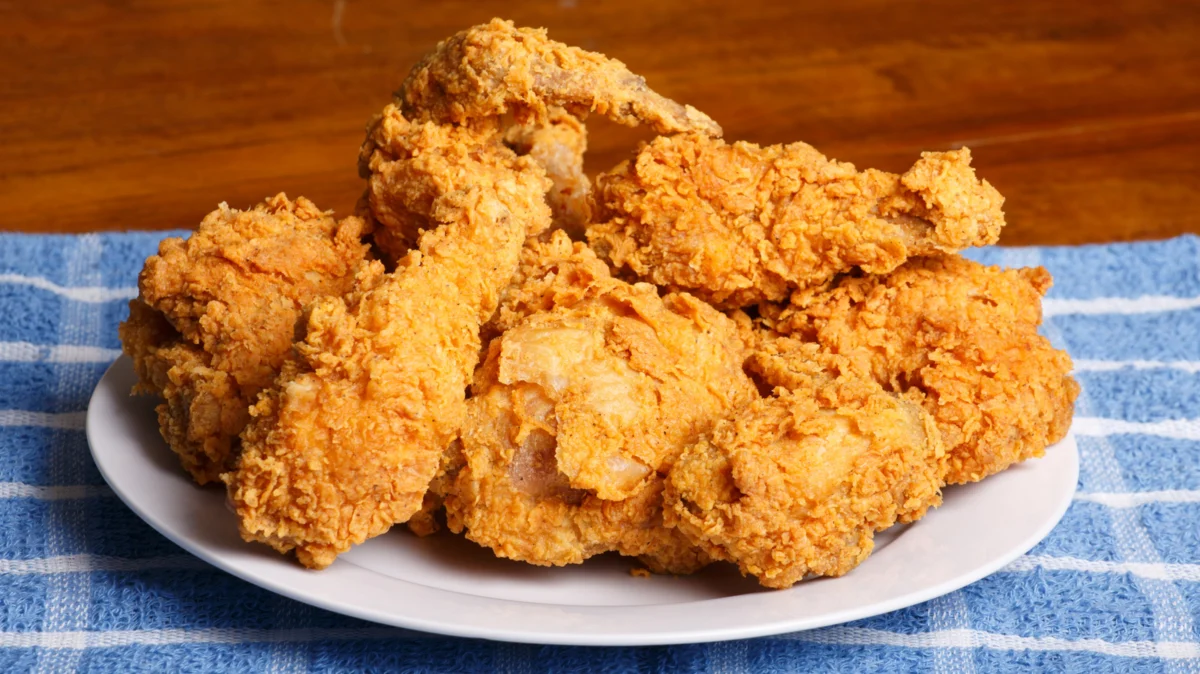
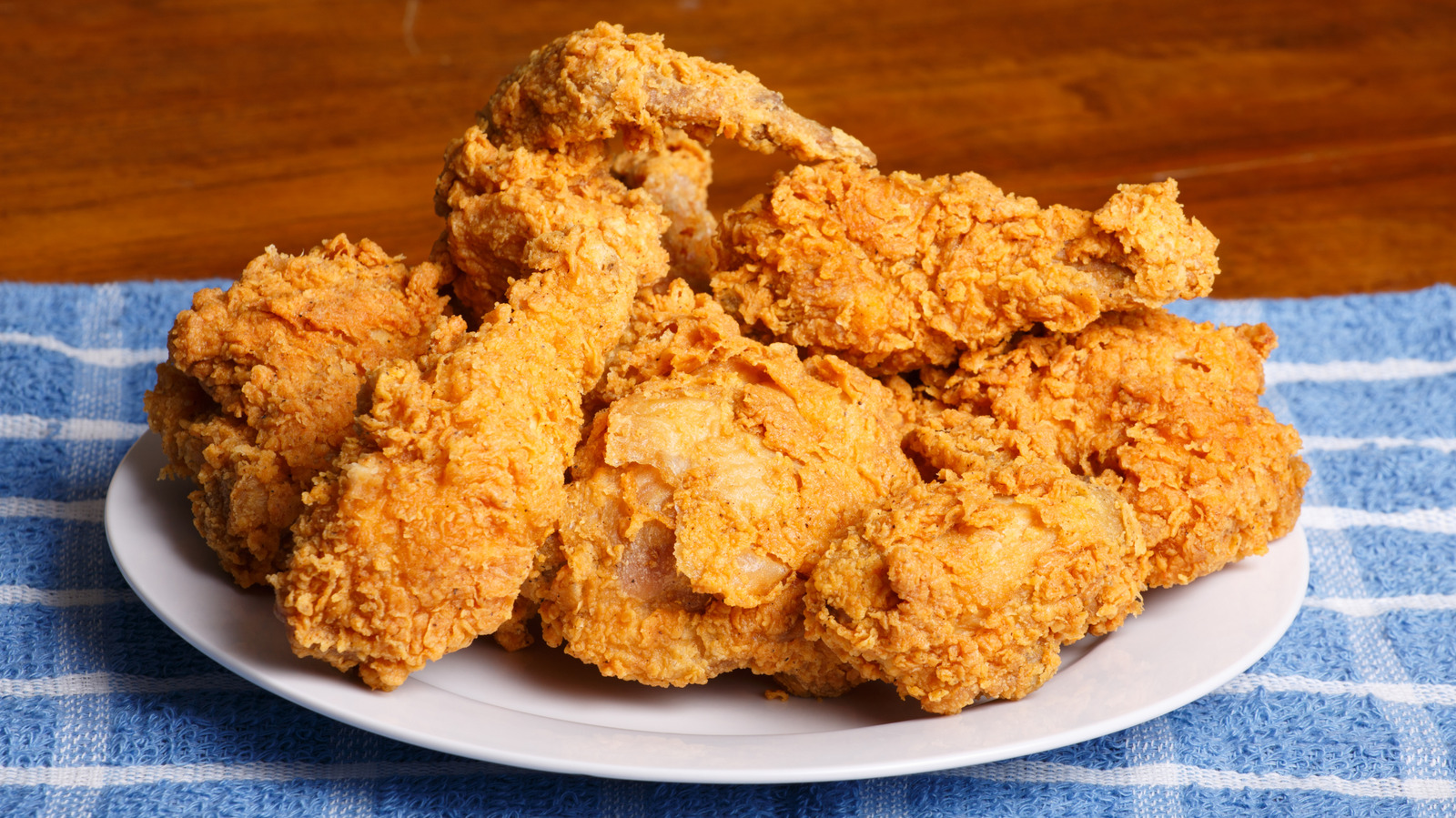
The core of the menu remains the wet-batter fried chicken. By eschewing the traditional breading process, the chicken retains a unique, succulent moisture that is often lost in thicker, flour-heavy versions. This method allows the seasoning of the batter to permeate the skin directly, resulting in a flavor profile that is robust without being overly salted.
Beyond the Bird
A testament to the restaurant’s longevity is its commitment to a full menu of traditional sides and entrees.
- The Po’boy: A Louisiana staple that predates the modern fast-food sandwich, served with the respect and ingredient quality that defined the dish in the 1930s.
- Hearty Sides: The menu features staples like mustard greens, candied yams, macaroni and cheese, and rice dressing—a dish that highlights the restaurant’s deep ties to the Louisiana culinary landscape.
- Sweet Endings: To complete the meal, the Shack serves traditional peach cobbler, sweet potato pie, and lemon pie, maintaining recipes that have been passed down through the Delpit family for nearly a century.
Comparative Data: The David and Goliath Perspective
To understand the scale of Chicken Shack’s achievement, one must view it through the lens of the competitive landscape.
| Restaurant | Founded | Headquarters | Primary Focus |
|---|---|---|---|
| Chicken Shack | 1935 | Baton Rouge, LA | Southern Creole/Fried Chicken |
| Popeyes | 1972 | Miami, FL (orig. New Orleans) | Spicy Louisiana-style Fried Chicken |
| Raising Cane’s | 1996 | Baton Rouge, LA | Chicken Fingers |
While Popeyes and Raising Cane’s have achieved global dominance, their success is largely rooted in high-volume franchising and mass marketing. Chicken Shack, conversely, has remained a localized treasure. The economic implications of this are significant; while the giants measure success in global revenue and unit count, Chicken Shack measures success in community longevity and the preservation of a specific, non-industrialized culinary art form.
The Implications of "Oldest" in a Modern Market
The existence of Chicken Shack in the 21st century serves as a critical lesson for the food and beverage industry. In an era where "authenticity" is often a marketing buzzword, the Shack represents a genuine, unadulterated history.
For the residents of Baton Rouge, the restaurant serves as a cultural repository. It is a place where generational knowledge is passed down, not through corporate manuals, but through the rhythm of the kitchen. The implications for the local economy are also noteworthy: by remaining independent, the restaurant keeps its capital and its community ties firmly within the city, avoiding the profit-drain often associated with large-scale corporate ownership.
Furthermore, the longevity of the brand challenges the notion that longevity requires aggressive expansion. By choosing to focus on two high-quality locations, the Delpit family has successfully navigated the pitfalls that have swallowed many small-to-mid-sized restaurants during the rapid expansion of fast-food chains.
Official Stance and Community Reception
The community of Baton Rouge treats Chicken Shack with a reverence typically reserved for historical landmarks. It is frequently cited in local surveys and culinary reviews as the "true" flavor of the city.
Regarding the brand’s identity, the management has historically stayed focused on the product rather than the politics of the "chicken wars." While the national press often pits the big brands against one another, Chicken Shack’s management emphasizes the distinction of their product: it is not intended to compete with the "finger-lickin’" fast-food variety, but rather to offer a home-cooked, "knuckle-suckin’" experience.
The inclusion of daily specials—such as oxtails and smothered pigtails—further differentiates the establishment. These are not items typically found in a standard quick-service environment, signaling that Chicken Shack is more akin to a traditional cafeteria or "meat-and-three" establishment than a standard fry-house.
Conclusion: A Legacy of Flavor
The narrative of Chicken Shack is a vital chapter in the history of American dining. It reminds us that behind every massive corporate empire, there is often a local innovator who paved the way. Tommy Delpit did not just start a business; he established a cultural institution that survived the Great Depression, the rise of industrial fast food, and the changing demographics of a city.
As Baton Rouge continues to evolve, the enduring presence of the Chicken Shack on Acadian Highway and Pawtucket Street stands as a delicious reminder of our roots. Whether you are a local who has eaten there for four generations or a visitor seeking the authentic flavor of the Louisiana delta, the Shack offers something that can never be franchised: a century of history, prepared with a wet batter, a hot fire, and a family’s unwavering commitment to the craft.
In the crowded market of fried chicken, the quiet, persistent success of the Delpit family proves that the best way to stand the test of time is to never lose sight of where you began.
