

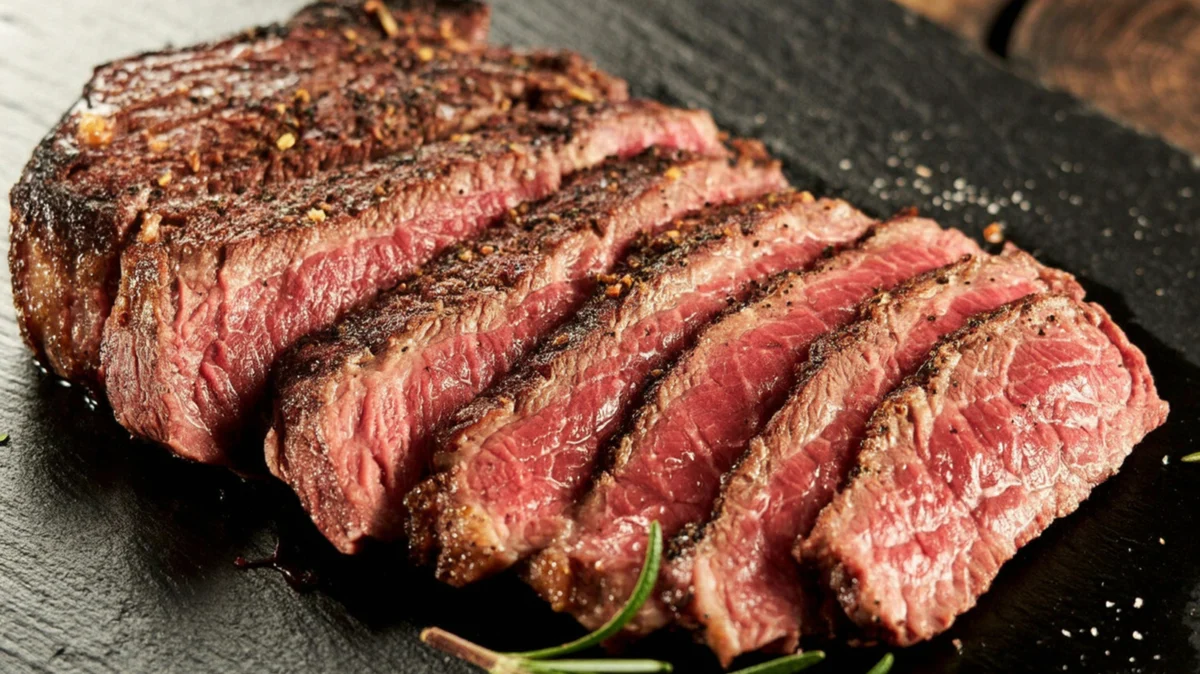
For the dedicated home cook and the professional chef alike, the quest for the perfect steak is an eternal journey. While purists argue that high-quality beef requires nothing more than a dusting of coarse sea salt to sing, and maximalists swear by complex, multi-day marinades and elaborate sauces, there exists a middle ground that offers a transformative experience. That "missing link" for your next steak night isn’t a complex spice blend or a pricey cut of meat; it is a single, potent ingredient: chipotle chili powder.
Moving beyond the standard pantry staples of paprika or brown sugar, chipotle chili powder brings a depth of character that balances the richness of beef with a sophisticated, lingering warmth.
Main Facts: Understanding the Chipotle Difference
To understand why chipotle chili powder elevates steak, one must first understand what it is. Unlike generic "chili powder," which is often a catch-all blend of ground peppers, cumin, garlic, and oregano, chipotle chili powder is a singular powerhouse. It is made from red jalapeño peppers that have been smoke-dried over a period of several days.
This smoking process is the key to its culinary efficacy. The smoke infuses the pepper with a deep, earthy resonance that standard chili powders lack. When paired with the high-fat content of a ribeye or the dense, muscular flavor of a sirloin, the smoky notes of the chipotle act as a bridge, grounding the intense, savory flavor of the protein. Furthermore, the natural, subtle sweetness of the pepper creates a balanced profile that avoids the one-dimensional heat often associated with cayenne or habanero-based seasonings.
Chronology: The Evolution of Steak Seasoning
The history of seasoning meat is a timeline of innovation, spanning from ancient preservation techniques to modern molecular gastronomy.
- The Age of Preservation: Historically, salt was the primary seasoning agent, used not just for flavor, but as a critical tool for preservation. For centuries, "seasoning" was synonymous with salinity.
- The Era of Spices: As trade routes opened, aromatics like peppercorns, dried herbs, and eventually paprika became accessible. Paprika, in particular, became a staple of the American BBQ scene, prized for its color and mild flavor.
- The Sugar Revolution: In the mid-20th century, the rise of the backyard barbecue led to the popularization of brown sugar-based rubs. While effective for creating a "bark," they are notoriously difficult to manage, often scorching before the meat reaches the desired internal temperature.
- The Modern Craft Era: Today, we are in an era of intentional flavor profiling. The shift toward chipotle chili powder represents a move away from sweet or one-note rubs toward complex, savory-forward profiles that complement, rather than mask, the natural quality of the beef.
Supporting Data: Why Chipotle Outperforms the Competition
When testing the efficacy of a seasoning, one must look at how it interacts with the Maillard reaction—the chemical reaction between amino acids and reducing sugars that gives browned food its distinctive flavor.
The Problem with Sugar
Brown sugar rubs are a common culprit in "burnt steak" syndrome. Because sugar caramelizes and eventually carbonizes at temperatures well below the ideal searing heat of a cast-iron skillet (around 400°F to 450°F), users are often forced to choose between a properly cooked interior and a bitter, burnt exterior.
The Stability of Chipotle
Chipotle chili powder is thermally stable. Because it is a dried vegetable product, it does not possess the same low-burning threshold as sucrose. It can withstand the intense, direct heat of a high-temperature sear, allowing the spice to toast and release its essential oils directly into the fat of the steak without turning bitter.
Moisture Management
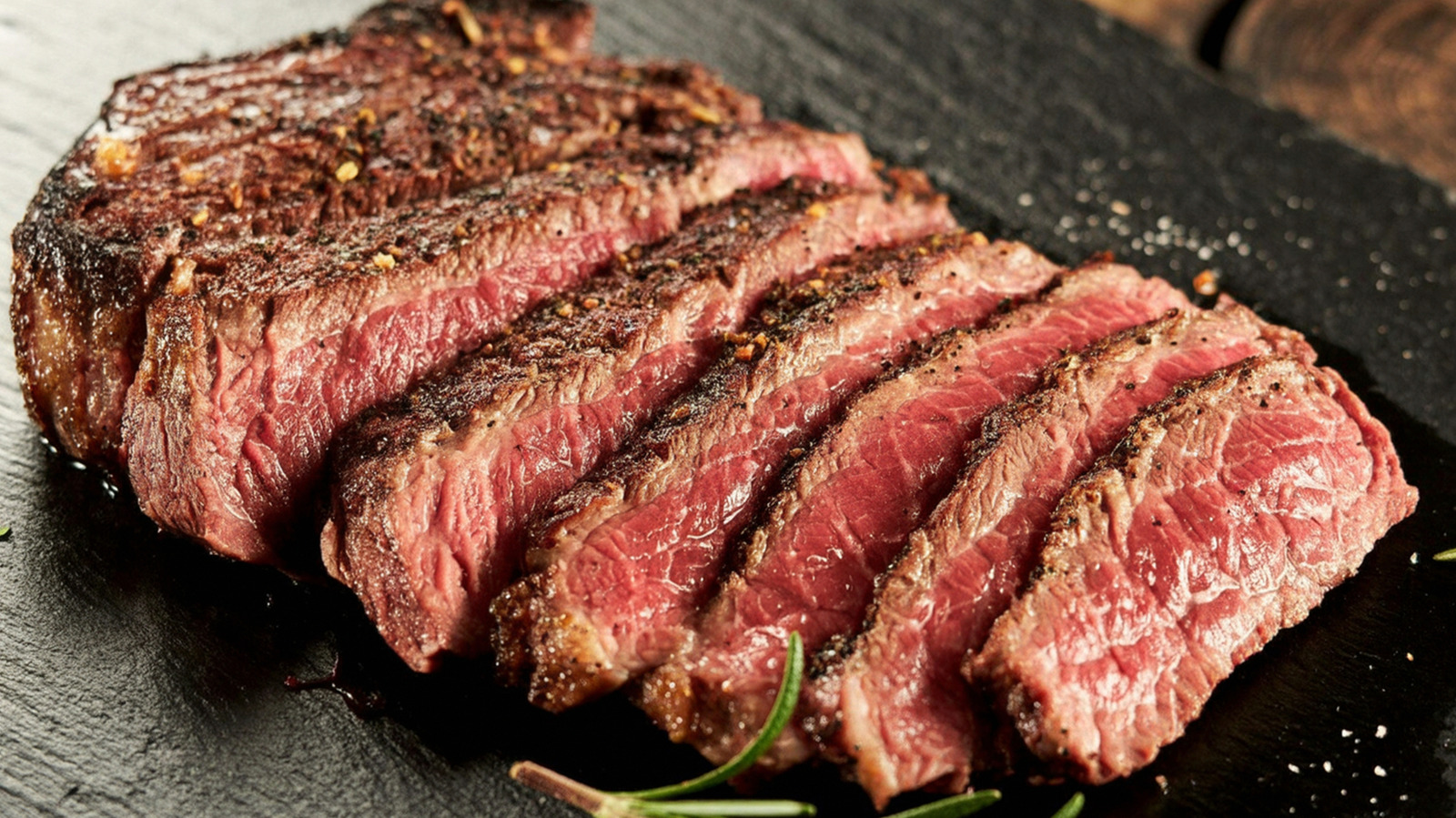
A dry rub featuring chipotle acts as a moisture-retaining layer. By applying the powder to a "bone-dry" surface, the spice particles adhere to the meat, creating a protective barrier that helps develop a deep, mahogany-colored crust—often referred to as a "bark" in BBQ terminology—while simultaneously shielding the steak’s internal juices from evaporative loss.
Official Perspectives and Culinary Techniques
Professional chefs emphasize that the application of spice is just as important as the quality of the ingredient. The "15-minute rule" is frequently cited in professional kitchens: by applying a dry rub at least 15 minutes before the heat hits the meat, you allow the salt and the capsaicin-infused oils to permeate the surface fibers of the steak.
The Reverse Sear Advantage
To maximize the flavor of chipotle without risking any potential for scorching, culinary experts recommend the "reverse sear" method. By cooking the steak slowly in a low-temperature oven (225°F) until it reaches an internal temperature of about 115°F, and then finishing it in a screaming-hot pan, you achieve a perfect, edge-to-edge pink interior and a crust that is perfectly toasted—not burnt—by the chipotle.
The Marinade vs. The Rub
While the dry rub is the gold standard for crust development, the chipotle marinade remains a superior choice for budget-friendly or tougher cuts of meat. By incorporating chipotle into an acidic base—such as lime juice or apple cider vinegar—you introduce a tenderizing agent that breaks down connective tissues while forcing the smoky flavors deep into the protein’s structure.
Implications: A New Standard for Home Dining
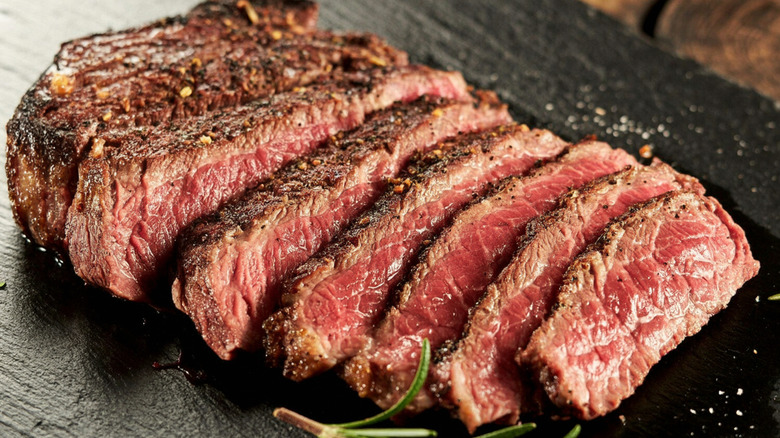
The adoption of chipotle chili powder as a primary seasoning agent has significant implications for how we view home cooking. It suggests a movement toward "ingredient-driven" flavor profiles where the goal is to enhance the protein’s inherent characteristics rather than burying it under sugary sauces.
Expanding the Culinary Palette
This shift encourages home cooks to experiment with balancing flavors. For example, the smokiness of chipotle is an ideal canvas for:
- Creamy Counterpoints: Pairing chipotle-rubbed steak with a crema fresca or a lime-infused sour cream allows the cool, tangy dairy to cut through the heat and smoke, creating a restaurant-quality contrast.
- The Arrosé Technique: The practice of "butter basting" (arrosé) with chipotle-infused butter provides an indulgent, glossy finish. As the butter foams in the pan, it carries the smoky essence of the chipotle into every crevice of the steak, creating a mouthfeel that is both rich and complex.
Economic and Health Considerations
From a practical standpoint, chipotle chili powder is an affordable luxury. A small jar can provide months of elevated meals, proving that high-end flavor doesn’t require high-end ingredients. Furthermore, by relying on the natural heat and smoke of peppers rather than the excess sodium or refined sugars found in pre-packaged "steak seasonings," home cooks can produce healthier, more vibrant meals.
Conclusion
The transition from traditional brown sugar and paprika-heavy rubs to the sophisticated, smoky profile of chipotle chili powder is more than just a passing trend—it is a culinary upgrade that respects the integrity of the steak. Whether you are using it as a dry rub to build a robust crust, a marinade to tenderize and infuse, or an arrosé finish to add a layer of luxurious, smoky butter, chipotle offers a versatility that few other spices can match.
As you prepare for your next culinary endeavor, consider the chipotle. It provides the depth, the complexity, and the "10x flavor" experience that turns a standard weeknight dinner into a memorable gastronomic event. By understanding the chemistry of the spice and the technique required to handle it, you can master the art of the perfect steak, one smoky, delicious bite at a time.
