

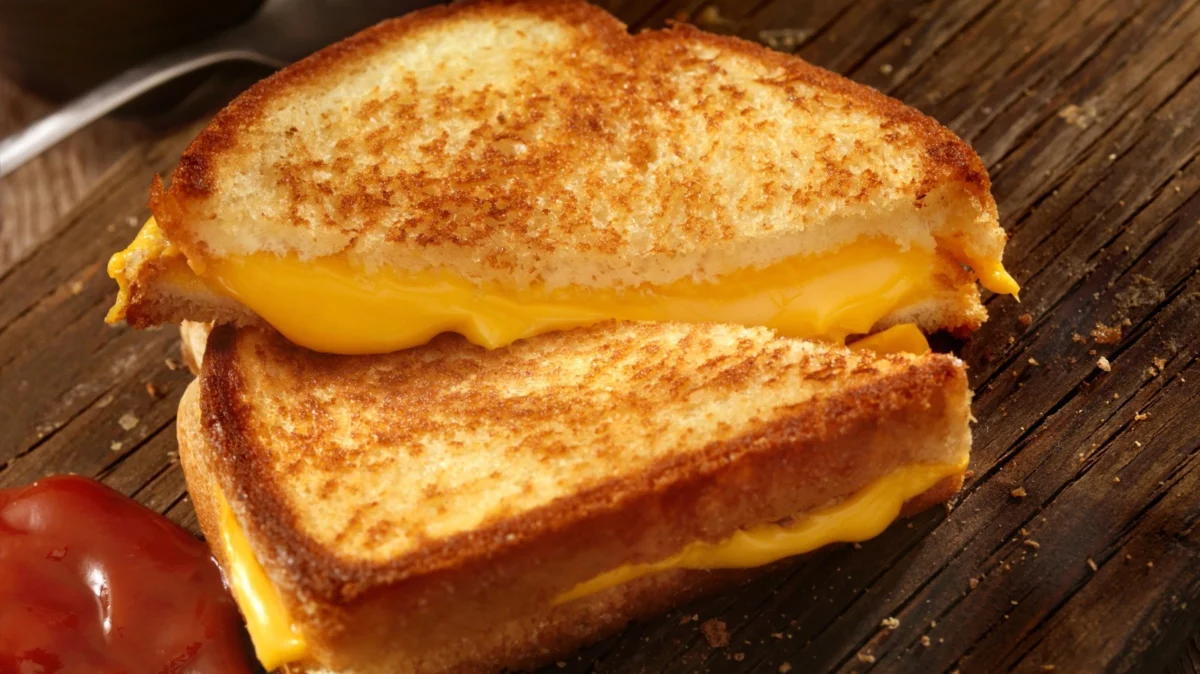
For generations, the grilled cheese sandwich has stood as the undisputed titan of comfort food. It is a dish defined by its deceptive simplicity: bread, fat, and cheese, toasted to a golden-brown perfection. Yet, in the modern culinary landscape, where home cooks are increasingly seeking ways to balance convenience with nutritional density, the classic recipe is undergoing a quiet revolution.
While food influencers often point toward artisanal sourdoughs or expensive imported cheeses to "level up" the lunch staple, a more accessible, budget-friendly hero has been hiding in plain sight in the pantry aisle: the humble canned mushroom. This oft-overlooked ingredient offers a unique opportunity to infuse depth, umami, and essential fiber into a sandwich that is frequently criticized for its lack of nutritional complexity.
Main Facts: The Intersection of Convenience and Umami
At its core, the appeal of adding canned mushrooms to a grilled cheese sandwich lies in the principle of flavor synergy. Both aged cheeses and mushrooms are rich in glutamate, the amino acid responsible for the "fifth taste"—umami. By pairing these two ingredients, home cooks can create a "flavor bomb" that elevates a standard cheddar or American cheese sandwich into something reminiscent of a high-end bistro meal.
Beyond flavor, there is the matter of nutritional enrichment. A standard grilled cheese is notoriously devoid of dietary fiber. By incorporating mushrooms, one can add roughly 3 grams of fiber per drained can. While this may seem modest, it represents a significant upgrade to a meal that is traditionally composed entirely of refined carbohydrates and saturated fats.
Furthermore, the canned format solves the primary obstacle faced by home cooks attempting to use fresh mushrooms: the moisture content. Raw mushrooms are approximately 90% water. When added to a sandwich, they often release this water during the grilling process, resulting in a soggy, unappealing crust. Canned mushrooms, having already undergone a heat-processing phase, offer a consistent, chewy texture that integrates seamlessly into the melted cheese layer without compromising the integrity of the bread.
Chronology: The Evolution of the Pantry-Friendly Gourmet
The transformation of the grilled cheese from a basic "kids’ meal" to a versatile canvas for culinary experimentation has been a decades-long process.
- The Mid-20th Century: The grilled cheese became a staple of the American household, cemented by the rise of mass-produced processed cheese and sliced white bread. During this era, the focus was purely on efficiency.
- The 1990s and 2000s: As the culinary world became more accessible through the Food Network and the internet, home cooks began experimenting with "gourmet" grilled cheese. This was the era of adding sun-dried tomatoes, pesto, and artisan breads. However, these ingredients were often expensive and required specialty trips to the grocery store.
- The 2010s to Present: The "Pantry Cooking" movement, accelerated by global supply chain disruptions and a renewed focus on inflation-conscious meal planning, has brought canned goods back into the spotlight. Food writers and chefs have begun advocating for the "elevated pantry," where staples like canned mushrooms, beans, and preserved vegetables are used not as placeholders, but as foundational elements of flavor building.
The current trend of adding mushrooms to grilled cheese represents a synthesis of these eras: the convenience of the mid-century, the culinary ambition of the 2000s, and the economic pragmatism of the present day.
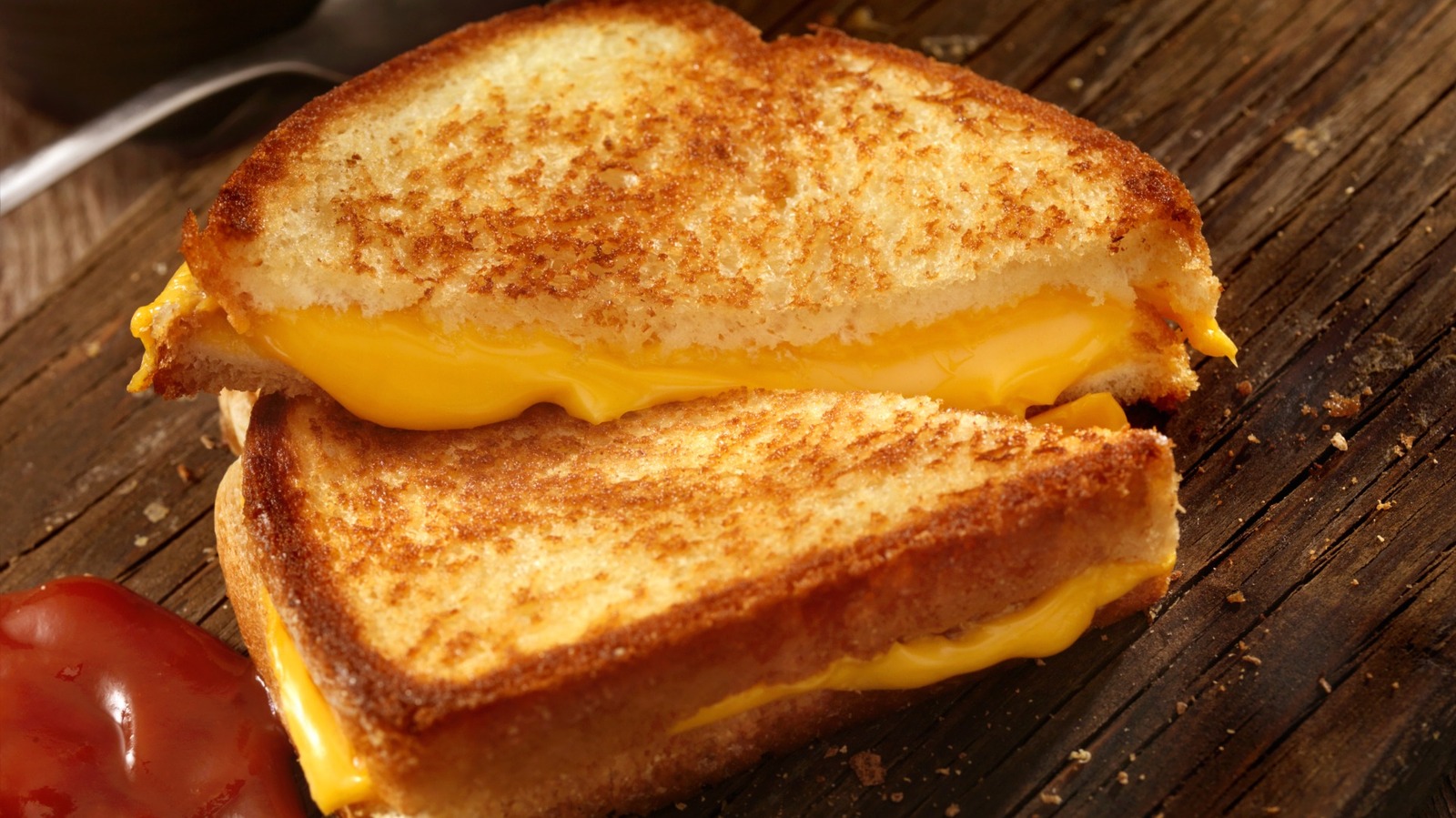
Supporting Data: Why Canned Mushrooms Outperform Their Fresh Counterparts in This Application
The resistance to canned vegetables is often rooted in the perception of "freshness." However, in the context of a grilled cheese sandwich, the technical requirements for success—specifically texture and moisture control—actually favor the canned variety.
The Science of Texture and Moisture
Fresh mushrooms require a high-heat sauté to reduce their volume and evaporate their water content. If this step is rushed, the mushroom acts as a sponge, absorbing heat and releasing liquid only once it is trapped inside the sandwich. Conversely, canned mushrooms are shelf-stable and pre-blanched.
When drained and patted dry, they retain a "meaty" resistance that provides a necessary contrast to the gooey, molten texture of the cheese. This textural interplay is essential in professional cooking; a dish that lacks varying textures is often perceived as monotonous or "mushy."
Flavor Concentration
The canning process effectively "pre-cooks" the fungi, which, when paired with the right seasonings, allows the mushrooms to act as a marinade vehicle. Because the cell walls of canned mushrooms have already been broken down by the canning heat, they are significantly more porous than raw mushrooms. This means that if you toss them in soy sauce, balsamic vinegar, or truffle oil, they absorb the flavor profile far more efficiently than a fresh mushroom ever could.
Official Culinary Perspectives and Best Practices
To achieve the best results, culinary experts suggest a structured approach to the preparation of this ingredient.
Pre-Treatment: The "Rinse and Dry" Protocol
The most common complaint regarding canned mushrooms is a slight metallic aftertaste or an excess of sodium from the brine. The industry-standard remedy is twofold:
- Rinsing: Run the mushrooms under cold water in a colander to remove the excess canning liquid.
- Drying: Use a paper towel to press the mushrooms dry. Removing surface moisture is the single most important step in ensuring a crisp crust on your bread.
The "Cheese-Sandwich" Technique
For those who want to avoid any possibility of sogginess, the placement of the mushrooms is critical. Instead of placing the mushrooms directly against the bread, create a "cheese-mushroom-cheese" structure. By nesting the mushrooms in the center of the cheese layers, the fungi are effectively sealed off. As the cheese melts, it forms an emulsion with the natural savory juices of the mushrooms, creating a rich, creamy sauce trapped within the sandwich.
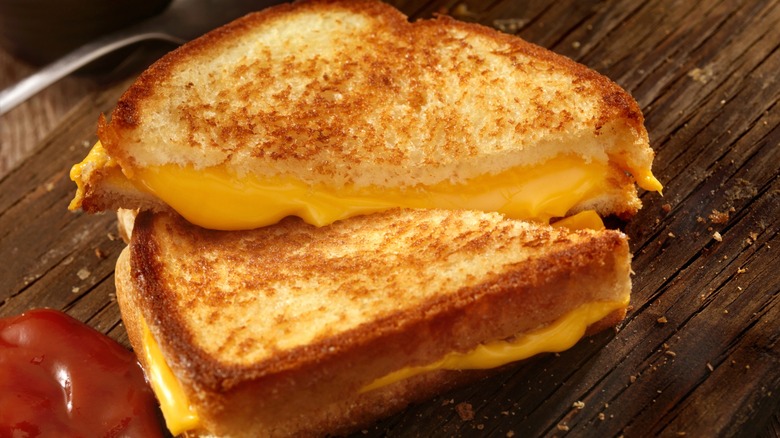
Flavor Infusions
For the adventurous home cook, the potential for customization is nearly limitless:
- The Umami Boost: A dash of dark soy sauce or Worcestershire sauce during a quick sauté can turn standard white mushrooms into something with the depth of a wild forest variety.
- The Acid Balance: A small splash of dry white wine or balsamic vinegar during the final seconds of cooking adds a bright acidity that cuts through the richness of the cheese.
- The Herb Finish: Fresh oregano, thyme, or even a sprinkle of crushed red pepper can be added to the mushrooms to provide a specific regional profile—such as a Mediterranean-style grilled cheese.
Implications for the Modern Home Kitchen
The shift toward utilizing ingredients like canned mushrooms in grilled cheese speaks to a broader change in how we define "good food." We are moving away from the idea that a meal must be expensive or labor-intensive to be "gourmet." Instead, we are seeing a focus on technique—the ability to take a humble, inexpensive, and shelf-stable item and manipulate it to maximize its potential.
Economic Implications
As food prices continue to fluctuate, the reliance on pantry staples is a smart financial strategy. A can of mushrooms typically costs a fraction of a block of specialty cheese or a package of fresh shiitakes. By upgrading the flavor of a sandwich through simple additions, households can reduce food waste and lower their weekly grocery bills without sacrificing the satisfaction of a high-quality lunch.
Health and Nutrition
While a grilled cheese is rarely considered a "health food," the addition of mushrooms introduces essential micronutrients—including B vitamins, potassium, and selenium—alongside the aforementioned fiber. This represents a "stealth health" approach: improving the nutritional value of a meal without changing its fundamental, comforting character.
Conclusion
The evolution of the grilled cheese sandwich serves as a microcosm for the evolution of modern home cooking. We are no longer limited by the binary choice of "classic" versus "gourmet." By leveraging the unsung hero of the grocery store—the canned mushroom—home cooks can achieve a sophisticated balance of texture, flavor, and nutritional value.
Whether you are looking to save money, increase your fiber intake, or simply break the monotony of a standard lunch, the canned mushroom offers a versatile, effective, and profoundly delicious solution. The next time you find yourself craving that ooey-gooey comfort, consider reaching for the pantry shelf. With just a few minutes of preparation, you can transform your grilled cheese from a simple snack into a culinary experience.
