

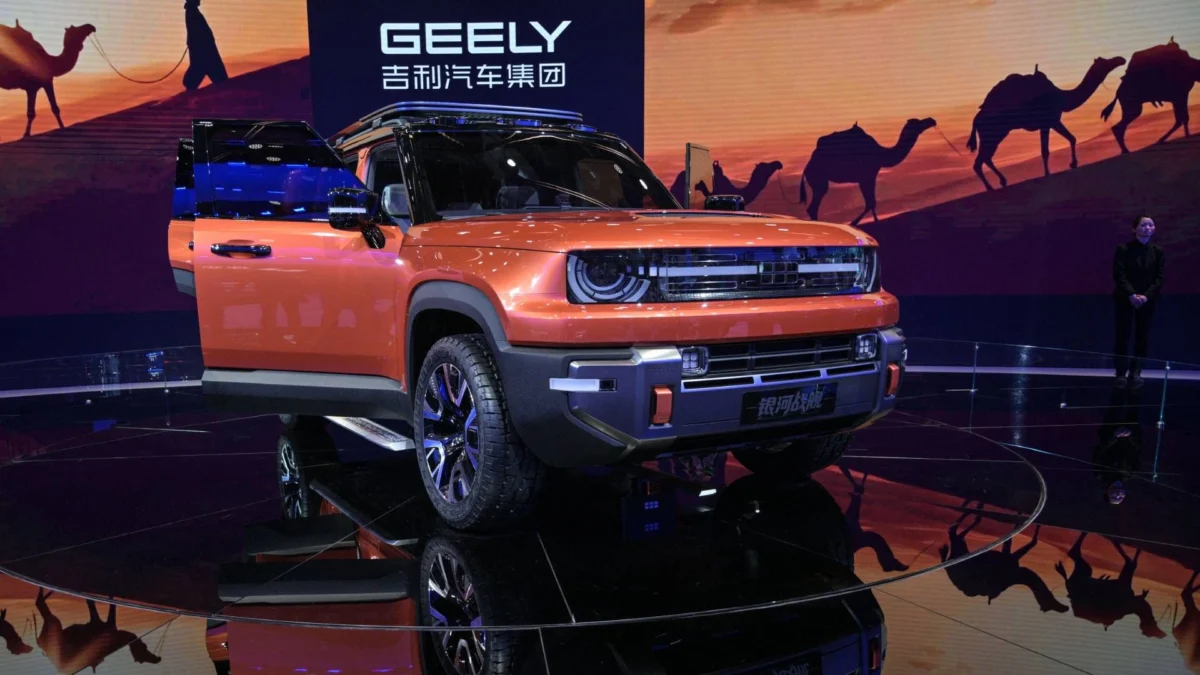
The landscape of the Canadian automotive sector is on the cusp of a transformative shift. Geely Auto Group, the automotive powerhouse headquartered in Hangzhou, China, has officially confirmed its intent to establish a direct retail and service presence within Canada. This strategic move, which aims to see the first wave of Geely-branded vehicles hitting Canadian showrooms by 2027, marks a significant milestone in the company’s aggressive international expansion strategy.
By establishing a dedicated Canadian team and laying the groundwork for a comprehensive national sales and service network, Geely is signaling its transition from a silent giant—known primarily for its ownership of established premium brands—to a direct consumer-facing competitor in the North American market.
The Strategic Expansion: A New Footprint
For years, the Canadian consumer has been indirectly interacting with Geely’s engineering and manufacturing prowess through its portfolio of subsidiaries. As the parent company of Volvo, Polestar, and Lotus, Geely has already embedded itself into the fabric of the Canadian automotive landscape. However, the upcoming expansion represents a shift in strategy.
The company intends to introduce its proprietary stable of vehicles to the Canadian public. This includes the high-tech Galaxy series, the performance-oriented Zeekr brand, and the innovative Lynk & Co lineup. With a global sales footprint spanning more than 100 countries and a staggering 3.02 million vehicles sold in the last fiscal year—including 1.69 million new-energy vehicles—Geely arrives in Canada with the scale and capital necessary to disrupt the status quo.
Chronology of an Entry
The path to this announcement was not built overnight. Geely’s entry into the Canadian market is the culmination of years of global growth and meticulous planning:
- Global Consolidation: Over the past two decades, Geely acquired significant stakes in global icons, including Volvo (2010), Lotus (2017), and a significant interest in Daimler AG. These moves provided the company with the technological infrastructure and brand equity required to compete in Western markets.
- Technological Maturation: Between 2020 and 2025, Geely ramped up its focus on modular vehicle architectures, such as the Sustainable Experience Architecture (SEA), which allows for the rapid development of electric vehicles across multiple brands.
- The Shanghai Exhibition Reveal: The momentum solidified during the 21st Shanghai International Automobile Industry Exhibition in April 2025, where the "Galaxy Cruiser Concept" was unveiled, signaling the aesthetic and technological direction of the brand’s future global offerings.
- The Canadian Setup: Throughout 2026, Geely began quietly assembling its Canadian executive team. By late 2026, the company officially filed the necessary documentation and began the process of establishing a retail framework, leading to the public confirmation of their 2027 launch date.
Supporting Data: Why Canada?
Geely’s decision to enter the Canadian market is underscored by a compelling set of metrics. The company’s focus on "New Energy Vehicles" (NEVs) aligns perfectly with the Canadian federal government’s transition toward zero-emission vehicle mandates.
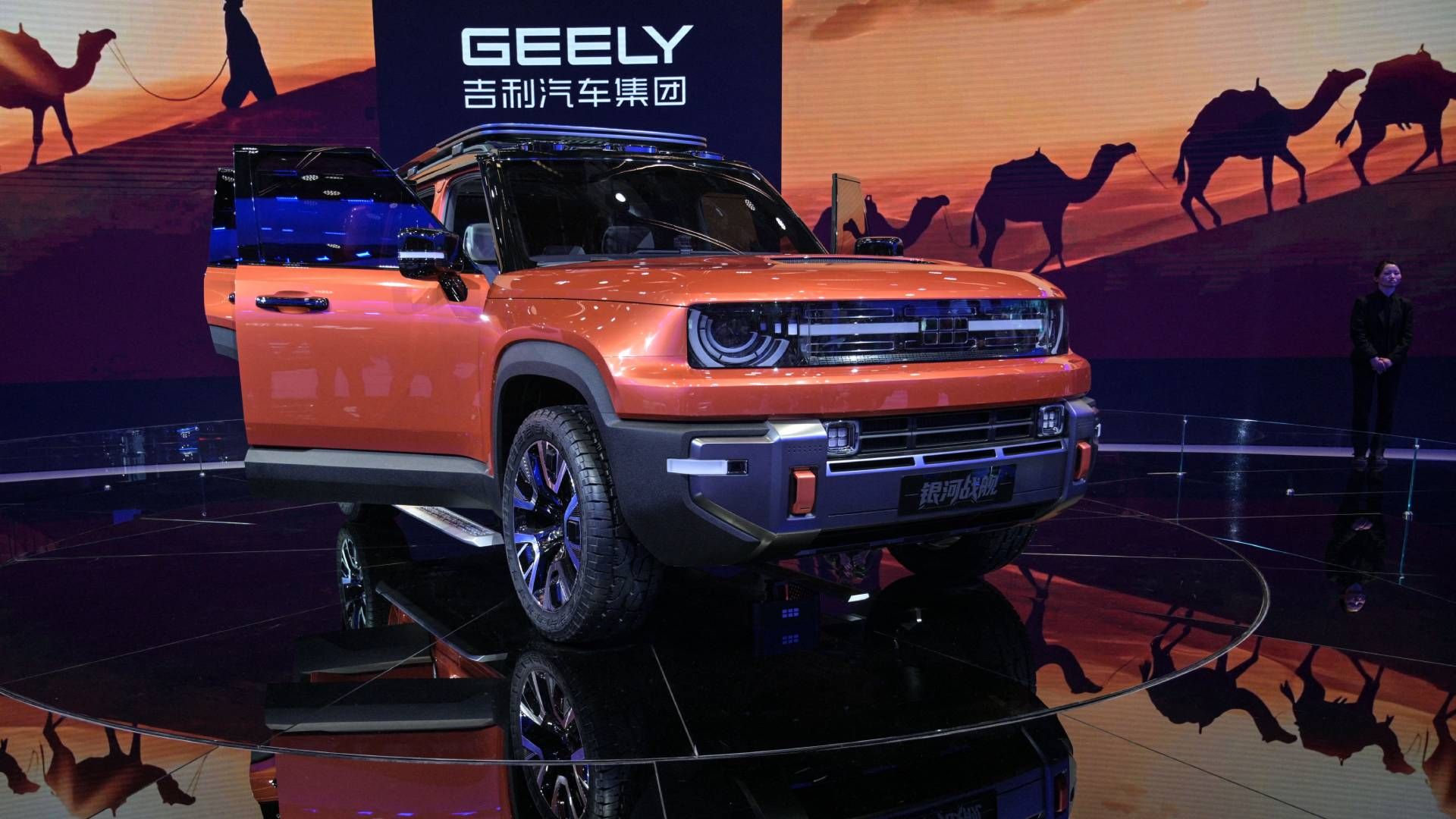
Geely’s global sales volume of 3.02 million units suggests a highly efficient manufacturing pipeline. More importantly, their experience in adapting to diverse regulatory environments—ranging from the stringent emissions standards of the European Union to the diverse infrastructure needs of Southeast Asia—provides them with a "plug-and-play" capability for the Canadian market.
Furthermore, the diversification of their product portfolio is a key asset. While many competitors are betting exclusively on battery-electric vehicles (BEVs), Geely maintains a robust catalog of Plug-in Hybrid Electric Vehicles (PHEVs). Products like the Radar RD6, a mid-size electric pickup truck, are specifically engineered to bridge the gap between traditional utility expectations and modern environmental mandates, a combination that has historically resonated well with Canadian drivers.
Official Responses and Corporate Vision
Bryan Wu, the Managing Director of Geely Auto Canada, framed the entry as a long-term commitment to the Canadian consumer. In a press release, Wu stated: "Canada represents an important next step in Geely Auto’s international growth. We are entering this market with a long-term commitment, bringing our global technology and engineering capabilities to Canadian drivers while building strong local partnerships and the support customers need to feel confident in choosing Geely."
The establishment of the dedicated website, www.geely.ca, serves as a direct communication channel. The company has promised that this platform will function as the primary hub for updates on vehicle availability, dealership locations, and brand-specific technological disclosures in the coming months.
Implications for the Canadian Market
The arrival of Geely is expected to trigger a significant ripple effect across the Canadian automotive industry.
Competition and Pricing
The Canadian market, currently dominated by a mix of North American, Japanese, and Korean manufacturers, has seen a steady increase in vehicle pricing. The introduction of a manufacturer that leverages a high-efficiency global supply chain could potentially lower the barrier to entry for electric and hybrid vehicles. If the pricing strategy mirrors the competitive nature of the Chinese domestic market, incumbents will face immediate pressure to optimize their own cost structures.

The "Chinese Wave"
Geely is not entering a vacuum. It is part of a broader, emerging trend of Chinese automotive giants—including BYD, Chery, and Dongfeng—viewing Canada as a viable, albeit challenging, market. This "wave" suggests that the next five years will be defined by an intense race for market share in the EV and PHEV segments. Consumers are likely to benefit from a wider array of choice, ranging from inexpensive, city-focused electric hatchbacks like the Galaxy Geome EX2, to premium, long-range luxury cruisers from the Zeekr stable.
Infrastructure and Service Challenges
Perhaps the biggest hurdle for Geely will be the establishment of a "trust" network. Canadian drivers, particularly those outside of major urban centers, are highly sensitive to service availability and parts supply chains. Geely’s success will hinge less on the vehicles themselves and more on their ability to build a comprehensive, reliable service network that can match the standards set by long-standing domestic and international brands.
Conclusion: A New Horizon
As we look toward 2027, the automotive landscape in Canada is poised for a fundamental change. The entry of Geely Auto Group is more than just another brand hitting the market; it is a signal of the globalization of the automotive industry’s most critical sector: the transition to new energy.
Whether the Canadian consumer—accustomed to a specific set of brands and a specific way of purchasing vehicles—will embrace this newcomer remains to be seen. However, given the company’s massive global scale, its deep pockets, and its track record of technological innovation, Geely has positioned itself to be a formidable player. The road to 2027 is paved with anticipation, and for the Canadian driver, the coming years promise to be among the most interesting in the history of the country’s automotive market.
For those looking to keep a close eye on these developments, the industry is shifting rapidly. The expansion is no longer a question of "if," but a question of "how" and "when," and as the company continues to build its Canadian infrastructure, the, automotive world will undoubtedly be watching.
