

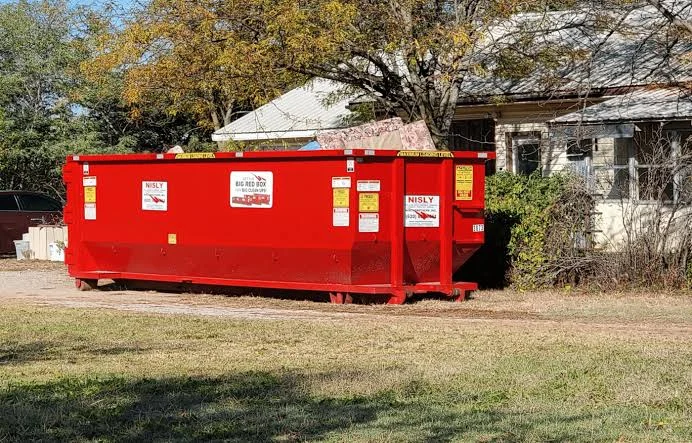
For construction firms, developers, and project managers operating within the high-stakes environments of dense urban cores, historic districts, and bustling downtown corridors, the logistics of waste management extend far beyond the mere physical removal of debris. In these areas, the placement of a temporary dumpster is a complex, regulated activity that intersects with municipal codes, right-of-way (ROW) policies, traffic management mandates, and stringent public safety standards.
When executed with precision, waste logistics act as the backbone of a steady jobsite flow. When treated as an afterthought, they become a catalyst for costly stop-work orders, punitive municipal fines, forced relocations, and irreparable damage to a contractor’s reputation with local authorities. This guide explores the regulatory framework, strategic planning, and risk management required to master dumpster logistics in permit-restricted zones.
The Architecture of the Right-of-Way
Understanding the legal definition of a "right-of-way" is the first step toward operational stability. In urban planning, a public right-of-way typically encompasses streets, sidewalks, curb lanes, alleys, and publicly controlled access corridors. Crucially, contractors must recognize that even curb space appearing to be "unused" or "nondescript" is classified as public infrastructure.
Placing a dumpster in these zones constitutes a temporary occupation of public property. Municipalities view this as a regulated encroachment, necessitating formal authorization. Contractors who mistakenly assume that curb space is a public utility available for private use often find themselves on the wrong side of aggressive, complaint-driven enforcement.
Why Municipalities Impose Strict Controls
Local governments regulate the use of the right-of-way to protect the following core priorities:
- Public Safety: Ensuring that fire lanes, emergency access routes, and pedestrian paths remain clear.
- Traffic Flow: Preventing the narrowing of travel corridors that could cause bottlenecks or accidents.
- Infrastructure Integrity: Protecting underground utilities and street surfaces from heavy, concentrated loads.
- Public Aesthetics: Preserving the character of historic districts and maintaining the visual appeal of commercial zones.
The Chronology of Compliance: From Pre-Construction to Completion
Integrating waste logistics into the pre-construction phase is a marker of professional project management. A chronological approach to permitting prevents the "emergency" scramble that often leads to errors.
Phase 1: Pre-Construction Assessment
Before a shovel hits the ground, managers must conduct a site audit. This includes identifying the exact boundaries of the ROW, checking for underground utility easements, and reviewing local municipal ordinances regarding container placement. This is the time to engage with permit offices to understand specific, localized requirements that may differ from district to district.

Phase 2: The Permitting Window
There is no standardized national framework for dumpster placement. Permit review periods vary wildly—from 24-hour expedited approvals in business-friendly cities to multi-week review processes in historic preservation districts. Failing to account for this lead time is a common failure point that can delay the onset of demolition or renovation.
Phase 3: Active Operations and Documentation
Once a permit is secured, it must be physically accessible on-site. Inspectors frequently verify that the dumpster matches the permitted dimensions, duration, and safety marking requirements. Regular audits of the permit’s expiration date are mandatory; in high-density zones, renewals are often required, and operating on an expired permit is a primary driver of site closures.
Phase 4: Final Removal and Closeout
The final stage involves a site inspection post-removal. This ensures that the contractor is not held liable for pavement damage, debris left behind, or failure to restore the right-of-way to its original condition.
Supporting Data and Operational Implications
The Cost of Non-Compliance
The implications of poor logistics are quantifiable. Fines for unauthorized encroachment can range from hundreds to thousands of dollars per day. However, the indirect costs—the "hidden" losses—are often more severe:
- Labor Downtime: When a dumpster is forced to be removed or moved by a city inspector, labor crews often sit idle because they cannot dispose of waste, halting the progress of the entire project.
- Insurance Premiums: Frequent citations or incidents involving public safety can lead to higher liability insurance premiums for the firm.
- Reputational Damage: Developers working on multiple projects rely on the goodwill of municipal building departments. A record of non-compliance can lead to increased scrutiny on future projects, creating a cycle of regulatory friction.
Managing Weight and Surface Integrity
Public streets are not designed to support the concentrated, heavy loads of a 30-yard dumpster filled with masonry or wet concrete. In many jurisdictions, the contractor is held strictly liable for any resulting asphalt cracking or curb damage.
- Mitigation Strategy: Professional firms now routinely utilize heavy-duty protective mats or wooden dunnage to distribute the weight of the dumpster across a larger surface area, significantly reducing the risk of pavement failure.
Official Responses and Regulatory Trends
Municipalities across the country are moving toward digitized permit management systems. In cities like Chicago, New York, and San Francisco, the shift toward real-time, online permit tracking has increased the speed of enforcement. Digital permits often include GPS coordinates, allowing inspectors to use mobile apps to verify that a dumpster is located exactly where it was approved.
Industry leaders increasingly advocate for the centralization of these services. Services such as Temporary Dumpster have emerged as vital resources for contractors, helping to consolidate the fragmented regulatory requirements of multiple jurisdictions into a single, coherent management strategy. By centralizing the administrative burden, firms can ensure that every site—regardless of location—adheres to the same high standards of compliance.

Balancing Convenience and Safety
The tension between jobsite convenience and public safety is the central challenge of urban construction. While placing a dumpster directly in front of the jobsite is ideal for efficiency, it may violate local ordinances if it blocks a bike lane or a bus stop.
Key Considerations for Placement:
- Visibility: Dumpsters must be clearly marked with reflective tape and, in many cases, solar-powered flashing beacons to prevent vehicle collisions at night.
- Pedestrian Safety: If a dumpster forces pedestrians into the street, the contractor may be required to build a temporary pedestrian bridge or covered walkway.
- Hauling Windows: Many urban centers prohibit the movement of heavy waste containers during "rush hour" (7:00 AM–9:00 AM and 4:00 PM–6:00 PM). Aligning project schedules to these windows is essential for maintaining a consistent waste-disposal cadence.
Risk Management: The Long-Term View
Insurance carriers are increasingly auditing contractors on their permit documentation. In the event of a pedestrian injury or vehicle accident involving a dumpster, the first question asked by an adjuster is: "Was this unit placed in accordance with a valid, active permit?"
If the documentation is missing or incomplete, the liability exposure for the contractor—and the property owner—increases exponentially. Viewing dumpster placement as a formal risk management function rather than a basic chore changes the mindset of the crew. It transforms the dumpster from a "trash bin" into a piece of permitted infrastructure that requires the same level of care as a crane or a scaffolding rig.
Conclusion: The Path Forward
The complexity of operating in modern urban environments shows no signs of slowing down. As cities continue to densify and public space becomes more precious, the regulations governing the right-of-way will only become more stringent.
For the modern contractor, success depends on a shift in perspective. Waste logistics should be integrated into the earliest stages of pre-construction planning, treated with the same analytical rigor as structural engineering or electrical installation. By prioritizing administrative discipline, proactive communication with municipal authorities, and consistent on-site oversight, contractors can effectively navigate the complexities of permit-restricted zones.
In the final analysis, compliance is more than just avoiding fines; it is the fundamental strategy for project stability. By mastering the art of the right-of-way, firms can ensure that their projects remain on time, on budget, and in good standing with the communities they serve.
