

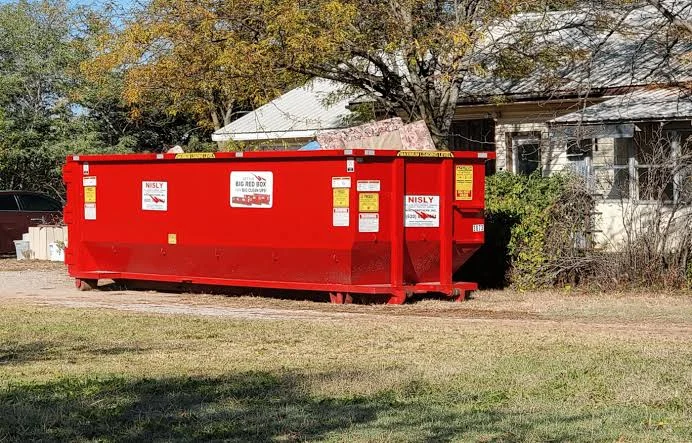
In the modern urban landscape, construction projects within dense cores, historic districts, and mixed-use neighborhoods are defined by their spatial constraints. When space is at a premium, the humble dumpster ceases to be a mere receptacle for waste; it transforms into a complex logistical challenge. Placing a temporary dumpster in these environments is not a routine decision—it is a highly regulated activity that intersects with municipal codes, public safety mandates, traffic management protocols, and civil liability.
For contractors operating in permit-restricted zones, success depends on a blend of documentation discipline, rigorous planning, and constant oversight. Failure to navigate these requirements with precision does not just lead to minor inconveniences; it results in significant financial penalties, stop-work orders, forced equipment relocations, and long-term reputational damage with local authorities.
The Anatomy of a Public Right-of-Way
To manage waste logistics effectively, contractors must first understand what constitutes a "public right-of-way." This term broadly encompasses streets, sidewalks, curb lanes, alleys, and any publicly controlled access corridor. In highly developed urban environments, even a strip of asphalt that appears to be "unused" or "out of the way" is likely classified as public infrastructure.
Placing a dumpster in these zones is legally viewed as an "encroachment." Municipalities grant temporary use of this public space only under specific conditions. Whether it is a roll-off container parked in a metered spot or a bin occupying a sidewalk, the action requires formal authorization. Contractors who rely on the assumption that curb space is readily available often find themselves on the wrong side of aggressive, complaint-driven enforcement.
The Rationale Behind Municipal Regulation
Local governments do not impose these restrictions out of a desire for bureaucracy; they act to protect the integrity of the urban fabric. Regulations are generally designed to:
- Ensure Public Safety: Preventing the obstruction of fire lanes, emergency vehicle access, and pedestrian pathways.
- Maintain Traffic Flow: Preventing the narrowing of travel lanes, which can cause congestion or hazardous bottlenecking.
- Protect Infrastructure: Preventing heavy equipment from damaging underground utility lines, pavement, or sidewalk curbing.
- Public Access: Maintaining ADA (Americans with Disabilities Act) compliance for pedestrians.
When a dumpster blocks a hydrant, narrows a bus route, or restricts visibility at a busy intersection, it creates an immediate liability. Understanding these municipal priorities is the first step in ensuring a project remains compliant and avoids the scrutiny of city inspectors.

The Permitting Process: A Non-Standardized Landscape
One of the greatest challenges for construction firms—particularly those operating across multiple cities—is the lack of a standardized national permit framework. Every municipality, and often every district within a city, maintains its own unique set of ordinances.
Key Permit Variables:
- Duration Limits: Many jurisdictions cap the number of days a container can occupy a public space, requiring a renewal process for longer projects.
- Zoning-Specific Requirements: Historic districts may have aesthetic requirements, such as requiring containers to be covered or painted a specific color.
- Utility Clearances: Specific distances from manholes, gas valves, and electrical boxes are often codified.
- Insurance and Bonding: Cities frequently require proof of liability insurance specifically naming the municipality as an additional insured party before a permit is issued.
Contractors must account for the "permit lead time." In some cities, authorization can be secured in 24 hours, while in historic or high-traffic zones, the review process can stretch for weeks. Failing to integrate this lead time into the pre-construction schedule is a frequent cause of site delays.
The Chronology of Compliance
Successful waste management requires a chronological approach to planning that begins long before the first shovel hits the ground.
- Phase 1: Pre-Construction Assessment. Evaluate the site’s footprint. Does the property have private space? If not, identify the most compliant public zone. Check for local events, such as street fairs or parades, that might coincide with the project and affect parking access.
- Phase 2: Permitting and Documentation. Submit applications well in advance. Secure all physical documentation. It is not enough to hold a permit; it must be displayed or readily accessible at the site.
- Phase 3: Operational Oversight. Once the dumpster is placed, maintain it. Regular inspections should ensure that the container is not overflowing, that it is clearly marked with safety reflectors, and that it is not leaking hazardous materials onto the street.
- Phase 4: Closeout and Removal. Ensure that the final pick-up is scheduled in accordance with the permit expiration date. Leaving a dumpster on-site past the permit date is a frequent trigger for heavy fines.
Supporting Data: The Cost of Non-Compliance
The financial implications of ignoring right-of-way regulations are substantial. Beyond the base permit fee, non-compliance costs include:
- Impoundment Fees: If a city tows a dumpster, the cost of recovery and storage can be thousands of dollars.
- Daily Fines: Many municipalities levy daily penalties for each day a container remains in a restricted zone without an active permit.
- Administrative Overhead: The man-hours required to resolve disputes with municipal code enforcement officers are a hidden, yet massive, drain on project profitability.
Industry data suggests that companies utilizing centralized management services—such as those provided by organizations like Temporary Dumpster—experience a 30% reduction in permit-related violations. By standardizing the paperwork and tracking renewal dates through a centralized portal, firms can mitigate the risk of human error in administrative tasks.
Official Responses and Public Safety
When interviewed on the subject, municipal transportation department heads consistently emphasize that "Public Right-of-Way" is the property of the citizens. Their role is to ensure that private profit-generating activities (construction) do not unduly interfere with the public’s ability to navigate the city.

In major urban centers, the shift toward "smart city" management means that enforcement is becoming more technological. Parking enforcement officers now use mobile applications to check if a specific vehicle—or a specific dumpster—has a valid, active permit tied to its location. If the permit is expired, the system automatically flags the location for a citation. This transition from manual to digital enforcement has made "playing dumb" or hoping for an lenient inspector an obsolete strategy.
Implications for Future Construction
As urban areas become more dense, the competition for "curb rights" will only intensify. The future of construction logistics lies in "Just-in-Time" (JIT) waste management. Instead of keeping a large dumpster on-site for months, high-efficiency firms are moving toward frequent, smaller-volume swaps. This minimizes the footprint of the container and reduces the time it spends occupying public space.
Strategic Recommendations:
- Integrate Waste Logistics into the Master Schedule: Treat the dumpster as a piece of heavy equipment that requires its own timeline.
- Site-Specific Risk Analysis: Conduct a pre-placement inspection to photograph the condition of the pavement. If the city later claims the container damaged the street, you have a baseline of the pre-existing conditions.
- Community Relations: In residential or retail-heavy areas, notify neighbors of the dumpster’s arrival. A well-informed neighbor is less likely to file a complaint than one who wakes up to an unexpected obstruction.
- Liability Protection: Ensure your insurance policy explicitly covers "temporary occupancy of public right-of-way." Many standard policies have exclusions for this type of liability.
Conclusion: Turning Logistics into a Competitive Advantage
The ability to manage waste in permit-restricted zones is a mark of professional maturity in the construction industry. While many firms view the dumpster as an afterthought, those who master the regulatory, logistical, and safety aspects of the process protect their bottom line and their reputation.
By treating right-of-way compliance as a core project management function rather than an administrative burden, contractors can ensure that their waste management strategy supports, rather than hinders, their overall project goals. In the tight, regulated environment of the modern city, this level of oversight is not just an advantage—it is a necessity for long-term project stability.
