

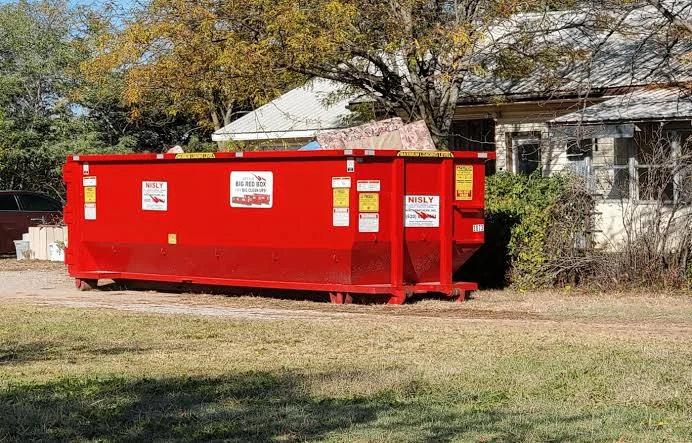
In the modern urban landscape, space is the ultimate luxury. For contractors tasked with renovations or new construction in dense city centers, historic districts, and bustling mixed-use corridors, the physical footprint of a project is often constrained by the building’s own property lines. When internal staging space is non-existent, the public right-of-way—the streets, sidewalks, and curb lanes—becomes the only viable location for essential waste logistics.
However, treating the public street as an extension of the job site is a high-stakes operational maneuver. Placing a temporary dumpster in these zones is not merely a logistical choice; it is a heavily regulated activity that sits at the intersection of municipal code, public safety mandates, traffic engineering, and complex liability frameworks. For construction professionals, mastering the nuances of right-of-way permitting is no longer optional—it is a critical component of project management.
The Anatomy of the Right-of-Way: Defining Public Space
To avoid the common trap of assuming that "open" curb space is fair game, contractors must first understand what constitutes a public right-of-way. This designation encompasses the entirety of the infrastructure owned and maintained by the municipality, including street lanes, parking lanes, sidewalks, alleys, and public plazas.
In hyper-dense urban environments, even a strip of asphalt that appears abandoned or underutilized is almost certainly under the jurisdiction of the local Department of Transportation or Public Works. Occupying this space is legally defined as a "temporary encroachment." Whether it is a small bin for a residential renovation or a massive roll-off for a commercial gut-rehab, the act of placing a container on public property requires explicit authorization. Contractors who fail to secure this permission often find themselves at the mercy of complaint-driven enforcement, where a single disgruntled neighbor can trigger a code enforcement visit that leads to immediate fines or forced removal of the equipment.
Chronology of Compliance: From Pre-Construction to Cleanup
Effective waste management in restricted zones follows a disciplined timeline that must be integrated into the broader project schedule.
1. Pre-Construction Assessment
Long before the first sledgehammer swings, the site superintendent must evaluate the physical constraints of the neighborhood. This includes measuring the width of the street, identifying nearby fire hydrants, checking for overhead utility lines, and noting existing traffic patterns. This is the stage where the "Permit Strategy" is developed.
2. The Permitting Window
Depending on the municipality, permit processing can take anywhere from 24 hours to several weeks. In historic districts, the review process is often more stringent, requiring design review or community board input. Failing to account for this lead time is a frequent cause of "start-up stalls," where a crew is ready to work but has nowhere to place the generated debris.

3. Execution and Maintenance
Once the permit is active, the container must be placed according to strict engineering standards. This includes the use of reflective markings, safety cones, and, in some cases, protective barriers to shield the curb and sidewalk from the weight of the dumpster.
4. Close-out and Restoration
The final phase of the permit involves removing the container and restoring the site to its original condition. Many cities now require photographic proof that the pavement was not damaged during the dumpster’s tenure. If repairs are necessary, the contractor is typically liable for the costs.
Supporting Data: The Cost of Non-Compliance
The implications of poor waste logistics go far beyond the cost of the dumpster rental. Financial data from municipal code enforcement offices suggests that the costs of non-compliance are escalating.
- Daily Fines: In major metropolitan areas, unauthorized placement can lead to daily fines ranging from $250 to over $1,000.
- Operational Stoppage: A "Stop Work Order" triggered by an illegal dumpster can freeze a project for days, costing thousands in idle labor wages and subcontractor rescheduling fees.
- Liability Exposure: If a pedestrian trips over an unmarked dumpster or a vehicle strikes a container that was improperly placed, the liability exposure for the contractor is significant. Insurance carriers are increasingly scrutinizing "permit compliance" as a prerequisite for coverage. If a contractor cannot produce a valid, active permit for the date of an incident, they may find their claims denied.
Official Perspectives: Why Municipalities Regulate
While contractors often view permit fees and regulations as "red tape," municipal officials emphasize that these rules are essential for maintaining the functionality of the city.
Public works departments categorize their concerns into four primary pillars:
- Safety: Ensuring that fire trucks and emergency vehicles have clear access to all travel lanes.
- Infrastructure Preservation: Protecting asphalt and concrete from the concentrated, high-pressure loads of steel dumpsters, which can cause cracking and subterranean damage.
- Pedestrian Mobility: Ensuring that individuals with disabilities—specifically those using wheelchairs or assistive devices—maintain a clear, unobstructed path of travel on sidewalks.
- Utility Access: Preventing the blockage of manhole covers, storm drains, and access points for electrical or fiber-optic utility crews.
By viewing these regulations through the lens of public safety rather than administrative burden, contractors can build better relationships with local permitting offices, often resulting in faster approvals and a more collaborative working environment.
The Complexity of Multi-Jurisdictional Projects
For firms that operate across multiple cities or counties, the lack of a standardized national permit framework creates a significant administrative burden. A set of rules that works in one suburb may be completely invalid in the neighboring municipality.

This variability has led to the rise of specialized logistics management services, such as those provided by firms like Temporary Dumpster. By centralizing the permitting process, these services ensure that compliance is not left to chance. They maintain a database of local codes, expiration dates, and specific municipal requirements, allowing contractors to focus on the build rather than the bureaucracy. Centralization reduces the risk of human error—such as forgetting to renew a permit—which is a primary cause of project-site chaos.
Implications for Future Planning
As cities continue to densify and the push for urban revitalization grows, the competition for curb space will only intensify. "Micro-logistics" is becoming a critical skill set for the modern general contractor.
Moving forward, the industry is seeing a shift toward "Just-in-Time" waste removal. Rather than keeping a dumpster on-site for a week, contractors are increasingly opting for "live loading"—where a truck waits while the container is filled—or utilizing smaller, more maneuverable bins that can be swapped out quickly. These strategies minimize the duration of the encroachment on public space, thereby reducing the permit fees and the regulatory risk associated with long-term placement.
Conclusion: Professionalism as a Competitive Advantage
In the high-pressure environment of urban construction, the management of a temporary dumpster is a microcosm of the project as a whole. A site that is cluttered, poorly managed, and lacking the necessary permits signals a lack of professionalism that can damage a contractor’s reputation with municipal inspectors and local residents alike.
Conversely, a site that adheres strictly to permit guidelines, keeps waste contained, and proactively manages the public-space interface demonstrates a level of competence that builds trust. In a competitive market, that trust is as valuable as the project itself. By integrating right-of-way compliance into the pre-construction planning phase, contractors do more than just avoid fines—they ensure the operational stability necessary to bring complex urban projects to a successful, on-time, and on-budget conclusion.
The successful contractor of the future will be the one who treats the public street with the same level of care and precision as the building structure itself. Compliance is not a hurdle; it is the foundation of long-term operational success in the modern city.
