

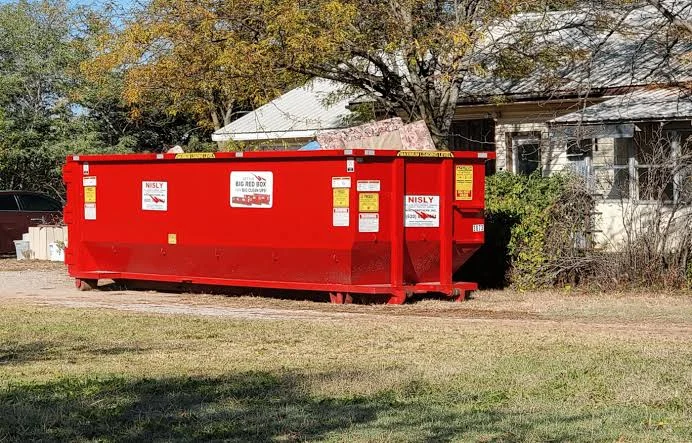
For construction managers, general contractors, and urban developers, the "staging area" is the heartbeat of a project. However, in the nation’s most dense urban cores—from the historic cobblestone streets of Boston to the high-traffic corridors of San Francisco—the luxury of private, on-site staging is rarely an option. In these environments, the humble dumpster becomes a complex regulatory hurdle.
Placing a temporary dumpster is no longer a simple logistics decision; it is a high-stakes, regulated activity that intersects with municipal codes, traffic engineering, public safety, and neighborhood politics. When handled with precision, waste logistics facilitate a seamless jobsite flow. When approached casually, they result in stop-work orders, steep fines, and irreparable damage to a firm’s reputation with local permitting authorities.
The Regulatory Reality: What Constitutes a "Right-of-Way"?
At the heart of the challenge is the definition of a "public right-of-way." Many contractors mistakenly believe that if a curb lane is not currently occupied by a parked car, it is fair game for a container. In reality, the public right-of-way includes streets, sidewalks, curb lanes, alleys, and publicly controlled access corridors.
In dense urban settings, municipal governments view any occupation of these spaces as a form of "regulated encroachment." Even a few days of occupancy requires a formal permit, which serves as a legal contract between the contractor and the city. Municipalities regulate these spaces for three primary reasons:
- Public Safety: Ensuring that fire lanes remain clear and that pedestrians are not forced into active traffic.
- Infrastructure Protection: Preventing the degradation of pavement and underground utility access points.
- Traffic Flow: Managing the "bottleneck effect" created by narrowed travel lanes and the positioning of heavy haul vehicles during pick-up and drop-off.
A Chronological Approach to Permit Management
To avoid the common pitfalls of project delays, contractors must treat permit acquisition as a critical path item in the pre-construction phase.
Phase 1: Pre-Construction Assessment (Weeks 4-6 Out)
Before a single tool hits the site, the project manager must conduct a "Right-of-Way Impact Study." This involves identifying the specific municipal district and its unique ordinance. For example, a project in a historic district may have "aesthetic compliance" requirements—such as requiring specific dumpster colors or signage—that do not exist in industrial zones.
Phase 2: Permitting and Documentation (Weeks 2-4 Out)
Permit processing times vary wildly. While some smaller municipalities offer 48-hour turnarounds, major metropolitan hubs often require a review period of two to four weeks. During this time, the contractor must provide site maps, safety barricade plans, and, in some cases, insurance certificates naming the city as an additional insured party.

Phase 3: The Active Execution Window (Duration of Project)
Once the dumpster is placed, the "maintenance" phase begins. This is where most projects fail. Compliance is not a "set it and forget it" task; it is an active duty. Contractors must ensure that the permit is physically posted on the container, that the expiration date is monitored, and that the site remains free of debris overflow.
Phase 4: Final Removal and Site Restoration (Post-Project)
The permit is only satisfied once the dumpster is removed and the area is inspected for damage. If the site was left with oil stains or cracked concrete, the contractor may be held financially liable for repairs, which can delay the release of bonds or final project sign-offs.
Supporting Data and Risk Factors
The financial implications of non-compliance are significant. According to urban planning metrics, a single stop-work order caused by a "permit violation" can cost a mid-sized project upwards of $5,000 to $10,000 per day in idle labor costs and equipment rental fees.
Furthermore, enforcement in modern cities is increasingly "complaint-driven." With the rise of 311 reporting apps, local residents are more empowered than ever to report "obstructive" containers. A single complaint from an adjacent business owner regarding a blocked loading zone can trigger an immediate inspection. If the permit is expired, missing, or improperly placed, the city is legally mandated to issue a citation or order an immediate removal of the dumpster.
Official Responses and Municipal Perspectives
Public works departments and departments of transportation (DOT) across the country maintain a consistent stance: the street is a public asset.
"Our priority is the fluidity of movement and the safety of the pedestrian," says one municipal urban planner. "When a contractor places a dumpster, they are essentially privatizing public infrastructure. We allow it because construction is necessary for the city’s growth, but that permission is contingent upon strict adherence to safety markings, reflective tape usage, and strictly limited timeframes."
Most city officials suggest that the best contractors are those who engage in "pre-emptive coordination." This includes notifying the local neighborhood association and the municipal traffic department before the dumpster arrives, ensuring that the presence of the container is expected rather than a surprise to local stakeholders.

Implications for Modern Site Logistics
The complexity of these regulations has led to a shift in how waste management services are delivered. Modern contractors are increasingly turning to specialized waste logistics providers, such as Temporary Dumpster, which offer centralized oversight for projects spanning multiple cities.
The Shift Toward Centralization
When a firm works across multiple municipalities, the variance in paperwork becomes a logistical nightmare. Centralized services act as a buffer, ensuring that:
- Compliance is standardized: No matter the city, the paperwork, insurance, and permit application processes follow a consistent protocol.
- Scheduling is synchronized: Hauling is scheduled during "off-peak" hours—often 3:00 AM to 6:00 AM—to avoid triggering traffic violations or violating noise ordinances.
- Accountability is maintained: By outsourcing the "permit-to-pick-up" lifecycle, the contractor minimizes the risk of human error in renewal tracking.
The Cost of Ignorance
Ignoring the nuances of right-of-way placement is a liability that extends beyond the bottom line. If a vehicle collides with a poorly marked dumpster in a public lane, the contractor can face severe litigation. Documentation is the primary defense in these scenarios. Proof that the dumpster was placed exactly where the permit allowed, with the required safety cones and lighting, is the difference between a minor insurance claim and a catastrophic legal judgment.
Strategic Recommendations for Project Managers
To maintain operational stability in permit-restricted zones, project managers should adopt the following strategies:
- Integrated Logistics Planning: Never plan the dumpster location as an afterthought. It should be part of the site safety plan (SSP) developed during the bidding phase.
- Utilize Professional Coordination: Leverage vendors that provide real-time permit tracking and automated renewal alerts.
- Prioritize Site Presentation: An overflowing, messy dumpster is a "magnet" for complaints. Strict debris management—including covering loads—keeps the site clean and discourages neighbor complaints.
- Regular Compliance Audits: Conduct weekly "permit checks" on-site. Ensure that the physical documentation matches the current state of the project.
- Municipal Calendar Awareness: Always check city events, parades, or road maintenance schedules before scheduling a container drop-off. Dropping a dumpster on the day of a major local event is a recipe for a forced (and expensive) relocation.
Conclusion: The Path to Seamless Operations
The ability to successfully manage waste logistics in dense urban areas is a hallmark of a professional, sophisticated construction firm. It requires a move away from viewing dumpsters as mere "trash bins" and toward viewing them as "permitted site infrastructure."
By prioritizing proactive permitting, rigorous site maintenance, and strategic coordination with municipal authorities, contractors can navigate the urban maze without missing a beat. In the competitive world of urban development, the firms that master these invisible, behind-the-scenes logistics are the ones that maintain their schedules, their budgets, and their hard-earned professional reputations. When the logistics are handled with the same care as the structural engineering itself, the result is a project that flows smoothly, safely, and successfully from groundbreaking to final inspection.
