

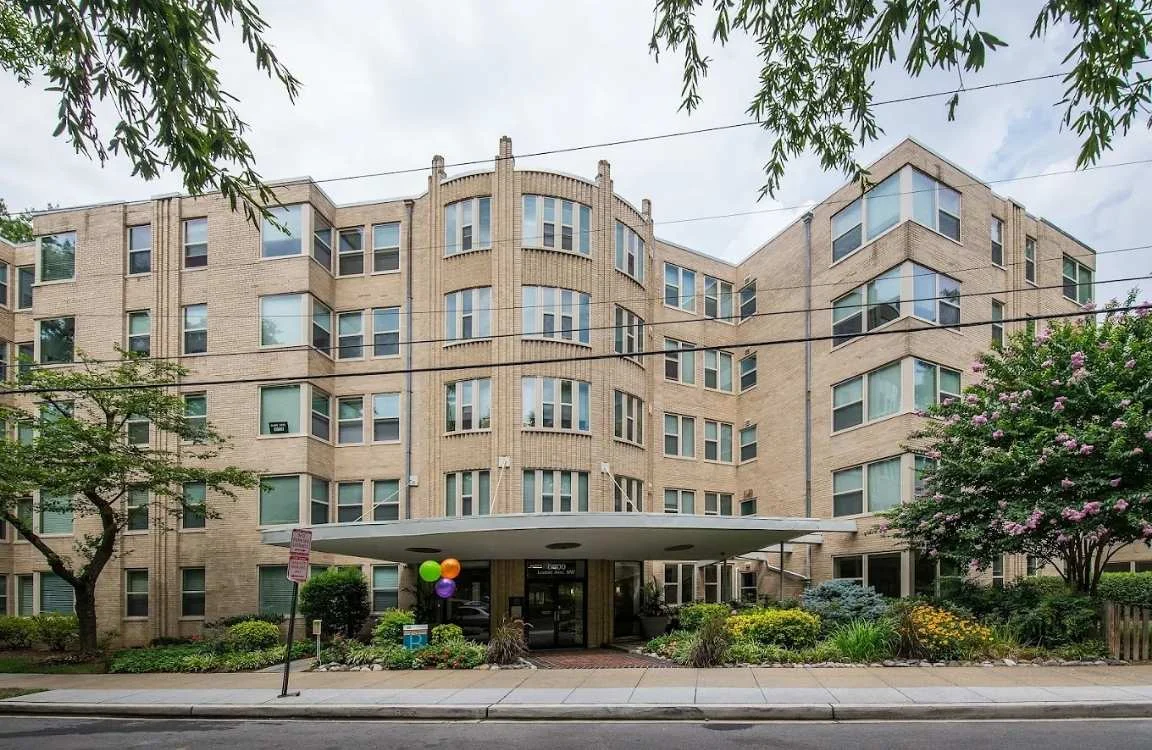
New Jersey Community Capital (NJCC), a leading national Community Development Financial Institution (CDFI), has announced a significant $3.5 million preferred equity investment that will safeguard 118 units of essential workforce housing in the vibrant Brightwood neighborhood of Northwest Washington, D.C. This strategic move, made in partnership with Capitol Rock Partners and with crucial support from Aya Enterprises, ensures the long-term affordability of The Luzon and The Van Buren, two midrise properties that are integral to the fabric of this supply-constrained urban submarket.
The investment, finalized recently, underscores NJCC’s commitment to preserving "naturally occurring affordable housing" (NOAH) – residential properties that remain affordable without the need for government subsidies due to market conditions and age. In a city grappling with escalating housing costs and a widening gap between wages and rent, this initiative is not merely a financial transaction but a critical intervention aimed at preventing the displacement of residents and maintaining the economic diversity of a beloved D.C. community.
The properties, located at 6600 Luzon Ave. NW and 6505 14th St. NW, represent a combined 115,250 square feet of net rentable area. Originally constructed in 1942 and 1955, these buildings embody the architectural character of the Brightwood/16th Street Heights area, a neighborhood nestled alongside the expansive 1,700 acres of Rock Creek Park. The housing stock here is a charming mosaic of mid-century and pre-war homes, reflecting a rich historical narrative. The Luzon and The Van Buren themselves offer a diverse range of apartment sizes, from studios to three-bedroom units, catering to a variety of household needs.
This investment is particularly impactful because it ensures that the existing units within The Luzon and The Van Buren remain under the District of Columbia’s rent control protections. This vital safeguard prevents dramatic rent increases, keeping these homes accessible to the local workforce – the teachers, healthcare professionals, service industry employees, and other essential workers who form the backbone of the city’s economy. The transaction closed concurrently with senior financing provided by Hingham Institution for Savings, a testament to the collaborative and robust financial structuring that underpins such preservation efforts.
The Strategic Imperative: Why Workforce Housing Matters
The concept of "workforce housing" is often misunderstood. It doesn’t refer to subsidized housing projects, but rather to housing that is affordable to households earning between 60% and 120% of the Area Median Income (AMI). In a city like Washington, D.C., where the cost of living has soared, this segment of the population often finds itself priced out of the market, even with stable employment. The loss of NOAH properties exacerbates this crisis, pushing essential workers further from their jobs and weakening the social and economic diversity of neighborhoods.
NJCC’s investment in The Luzon and The Van Buren directly addresses this critical need. By providing preferred equity, NJCC injects capital into the deal in a way that complements traditional senior debt. This structure offers sponsors, like Capitol Rock Partners, the financial flexibility required to acquire and stabilize these valuable housing assets. It’s a proactive approach, focusing on retaining existing affordability rather than waiting for the inevitable displacement and then attempting to rebuild or subsidize new affordable units – a far more costly and complex endeavor.
A Deeper Dive into the Transaction and its Partners
The Luzon and The Van Buren: A Historical Context
The properties themselves carry a history within the Brightwood community. Constructed during periods of significant urban development in Washington, D.C., they represent a tangible link to the city’s past. Their architecture reflects the styles prevalent in the mid-20th century, contributing to the neighborhood’s distinctive character. The fact that they have been maintained to offer a range of unit sizes suggests a long-standing commitment to serving diverse resident needs.
The location within Brightwood is also strategically significant. Situated near Rock Creek Park, residents benefit from access to significant green space, a valuable amenity in an urban environment. The neighborhood’s character, with its blend of mid-century and pre-war homes, is a draw for many, but it also signifies an area where housing stock is aging and potentially vulnerable to market pressures that could lead to redevelopment and price escalation.
Capitol Rock Partners: A Vision for Preservation
The partnership with Capitol Rock Partners is central to the success of this initiative. As a vertically integrated Washington, D.C., real estate platform, Capitol Rock Partners possesses the expertise and local market knowledge necessary to identify, acquire, and manage properties with a focus on long-term value and community benefit. Their involvement signals a shared understanding of the importance of preserving existing housing stock and integrating it into a sustainable urban environment.
Hingham Institution for Savings: Enabling Senior Financing
The provision of senior financing by Hingham Institution for Savings is a crucial component of the capital stack. This type of traditional lending provides the foundational debt financing, allowing the overall acquisition and stabilization of the properties to proceed. The willingness of a traditional lender to participate in a transaction that includes preferred equity from a CDFI highlights the growing recognition of the financial viability and social impact of affordable housing preservation.
Aya Enterprises: The Linchpin of Resident Protection
The support of Aya Enterprises is instrumental in ensuring that the primary goal of resident protection is met. While the article does not detail Aya Enterprises’ specific role, their involvement suggests a contribution that could range from providing expertise in tenant relations, facilitating lease agreements, or contributing to the operational aspects that maintain affordability and resident stability. Their participation underscores the collaborative nature of complex real estate transactions focused on community impact.
Bernel Hall’s Vision: Capital with a Conscience
The statement from Bernel Hall, President and CEO of New Jersey Community Capital, eloquently articulates the philosophy driving this investment: "Preserving naturally occurring workforce housing takes capital that understands both the financial structure and the residents who depend on it." This sentiment encapsulates the dual mission of CDFIs like NJCC – to achieve financial sustainability while simultaneously creating positive social outcomes.
Hall further emphasizes the proactive nature of their approach: "This investment protects 118 units of stable, affordable housing in a part of the District where that stability is getting harder to find every year – rather than waiting to replace it after it’s gone." This forward-thinking strategy is essential in a market characterized by rapid development and increasing housing costs. By intervening early, NJCC and its partners are preventing the loss of affordable units, a much more effective and equitable solution than attempting to create new affordable housing in a prohibitively expensive market.
NJCC’s preferred equity model is specifically designed to address the unique challenges of workforce housing preservation. Unlike traditional equity, preferred equity typically receives a fixed return and has priority over common equity but is subordinate to senior debt. This structure allows the sponsor to retain significant ownership and control while providing them with the necessary capital to acquire and improve the property without jeopardizing its affordability. It’s a sophisticated financial tool tailored to meet the complex needs of the affordable housing sector.
The Broader Implications: A Model for Urban Preservation
The successful closing of this $3.5 million investment in The Luzon and The Van Buren has significant implications beyond the immediate impact on the 118 households it directly serves. It offers a compelling model for how CDFIs, private developers, and traditional lenders can collaborate to address the growing crisis of housing affordability in urban centers across the country.
Combating Displacement: In cities like Washington, D.C., gentrification and rising property values can lead to the displacement of long-term residents and essential workers. Investments that preserve existing affordable housing act as a bulwark against this trend, helping to maintain the social and economic diversity that makes urban communities vibrant.
Strengthening Local Economies: When essential workers can afford to live in the communities where they work, it strengthens the local economy. It reduces commuting times, increases consumer spending within the neighborhood, and fosters a greater sense of community engagement.
Architectural Preservation: By investing in and stabilizing older buildings, initiatives like this also contribute to the preservation of a city’s architectural heritage. These buildings are not just housing units; they are part of the urban landscape and contribute to the unique character of a neighborhood.
Financial Innovation: NJCC’s strategic use of preferred equity demonstrates a sophisticated approach to real estate finance. This model can be replicated in other markets facing similar challenges, providing a blueprint for other CDFIs and investors looking to make a meaningful impact in the affordable housing sector.
The "Naturally Occurring" Advantage: The focus on NOAH is particularly efficient. These properties often require less intensive rehabilitation than deeply subsidized affordable housing projects, making them a more cost-effective solution for preserving affordability. The challenge lies in securing the capital to acquire them before they are redeveloped or their rents are significantly increased.
The Road Ahead: Continued Challenges and Opportunities
While this investment represents a significant victory for housing affordability in Washington, D.C., the challenge remains immense. The demand for housing continues to outpace supply, and the pressure on existing affordable units is relentless. NJCC’s commitment, however, signals a growing recognition of the importance of preservation as a key strategy in the affordable housing toolkit.
The success of The Luzon and The Van Buren transaction will likely encourage further investment in similar projects. As more capital becomes available and more partnerships are forged, the capacity to preserve workforce housing will grow. The ongoing collaboration between mission-driven organizations like NJCC and experienced real estate platforms like Capitol Rock Partners, supported by responsible financial institutions, offers a promising path forward in ensuring that cities remain inclusive and accessible for all their residents.
In conclusion, New Jersey Community Capital’s $3.5 million investment is more than just a real estate deal; it’s a strategic intervention that upholds the principle of housing as a fundamental human need and a cornerstone of thriving communities. By securing 118 units of workforce housing in Washington, D.C.’s Brightwood neighborhood, NJCC, alongside its partners, is not only protecting residents but also contributing to the long-term economic and social health of the city. This initiative serves as a powerful reminder that thoughtful, capital-driven solutions can indeed preserve the heart and soul of urban America.
