

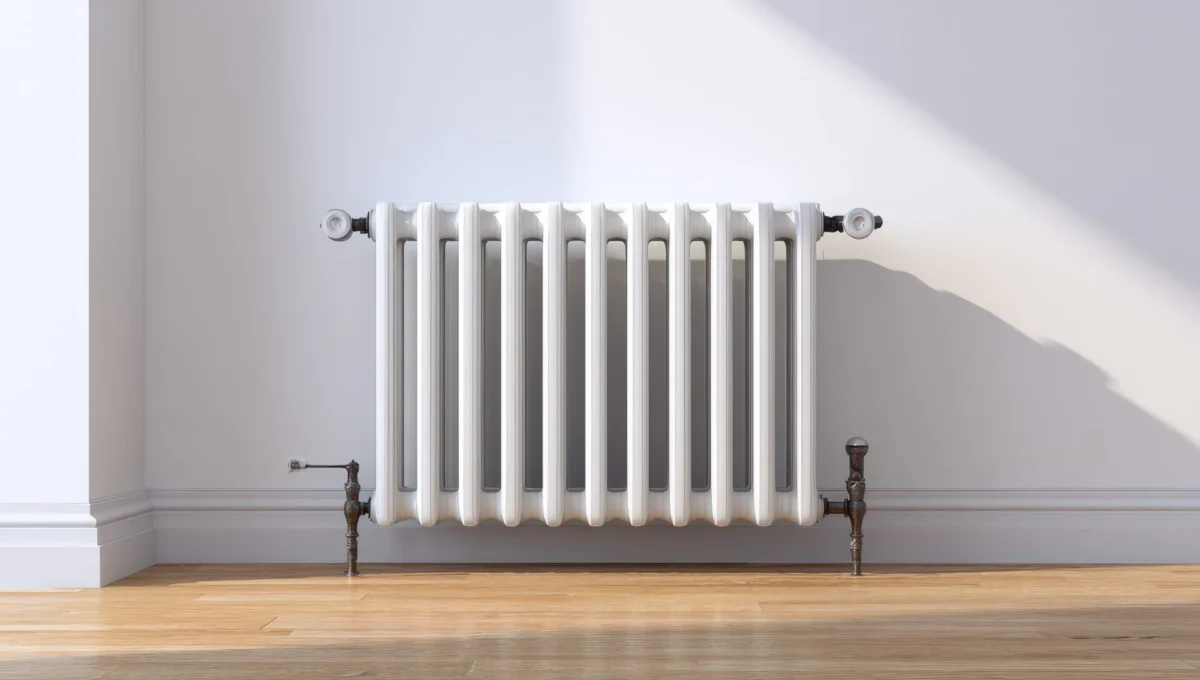
For homeowners looking to balance comfort with budget-conscious infrastructure, baseboard radiators remain a stalwart of residential heating. Often overlooked in favor of modern forced-air systems or sleek ductless mini-splits, these low-profile units provide quiet, reliable, and highly effective zoned heating. However, navigating the installation process requires an understanding of the mechanical differences between systems, the nuances of labor costs, and the long-term energy implications.
With professional installation, baseboard radiators generally cost between $200 and $1,200 per unit. This broad price range is dictated by the complexity of the installation, the type of system selected, and the existing infrastructure of your home.
Main Facts: Understanding Your Heating Options
At their core, baseboard radiators function by heating a room from the perimeter, typically placed along exterior walls to counteract the cold radiating from windows and glass doors. Unlike forced-air systems that rely on ductwork to push heated air throughout a house, baseboard radiators operate on a room-by-room basis.
Electric vs. Hydronic: The Fundamental Choice
The most significant decision a homeowner must make is between electric and hydronic systems.
- Electric Baseboard Radiators: These systems are the most budget-friendly upfront. They function by drawing air into the unit, heating it through internal electric coils, and releasing it back into the room via convection. They are relatively easy to install because they do not require plumbing or ductwork, though they do require a dedicated electrical circuit.
- Hydronic Baseboard Radiators: Also known as "hot water" baseboards, these systems rely on a central boiler to heat water or oil, which is then circulated through a series of pipes to the radiator units. While the upfront cost is higher, they are generally considered more energy-efficient for whole-home heating because liquid retains heat far longer than electric coils.
Key Cost Comparison
| Heating Type | Average Cost per Unit | Cost Including Professional Installation |
|---|---|---|
| Electric | $50 – $130 | $200 – $1,100 |
| Hydronic | $180 – $320 | $430 – $1,200 |
Chronology: The Lifecycle of an Installation Project
Understanding the timeline of an HVAC project helps homeowners manage expectations and budget effectively.
Phase 1: Assessment and Sizing
Before a single tool is lifted, a professional HVAC technician must calculate the heating load of your home. This involves measuring square footage, assessing insulation quality, and determining the climate zone. A common rule of thumb is that electric systems require roughly 10 watts per square foot, while hydronic systems require approximately 34 BTUs per square foot.

Phase 2: System Integration
Once the design is finalized, the labor-intensive portion begins.
- For Electric: Technicians run high-voltage wiring from your main electrical panel to the radiator locations. This must be done to strict building codes to prevent fire hazards.
- For Hydronic: Technicians install a closed-loop plumbing system. This requires connecting the radiators to a boiler, which acts as the heart of the system. This phase is significantly more complex and invasive than electric installation.
Phase 3: Testing and Commissioning
After installation, the system is tested for leaks (in the case of hydronic) or electrical continuity (in the case of electric). The technician will balance the system to ensure even heating across all zones and provide instructions on maintenance and thermostat usage.
Supporting Data: Factors Influencing Your Bottom Line
Installation costs are rarely static. Several variables can drive the price toward the higher end of the spectrum.
Room Size and Unit Length
The length of the radiator is directly proportional to its output. Units typically come in 2-to-6-foot sections. If you are heating a large, poorly insulated living room, you may require multiple long units, which increases the cost of materials and the time required for labor.
Labor Costs
HVAC contractors typically charge between $75 and $150 per hour. Because hydronic installations involve plumbing, boiler venting, and specialized piping, they often require three to four hours of labor per unit. Electric installations are generally faster, usually taking two to three hours. However, if your home’s electrical panel is outdated and requires an upgrade to support the new heating load, your labor costs will increase significantly.
Professional Guidance
Mitch Rosa, owner of Hudson Valley HVAC in Orange County, New York, emphasizes the importance of proper sizing. "Every home is like a body," Rosa explains. "It needs to breathe. If you run undersized heating solutions, it’s like running with cotton in your nose. You’re going to be working harder and cause a ‘heart attack’ to the system."

Official Responses: Expert Insights on System Performance
When comparing baseboard radiators to modern alternatives, the debate often centers on comfort versus aesthetics.
The Case for Zoning
One of the primary advantages of baseboard radiators is the ability to create distinct heating zones. By installing a thermostat in every room, homeowners can heat only the spaces they are actively using, which can significantly reduce monthly energy consumption.
Addressing Space Constraints
"People tend to ignore them, but baseboard radiators are one of the most effective ways to heat a home," says Rosa. However, he notes a common grievance: "They use up a lot of space, and homeowners don’t always like to lose that." Because baseboard units must remain unobstructed for air to circulate, they limit furniture placement, which is a major consideration for interior design.
Forced-Air vs. Radiator
Many homeowners considering a move away from forced-air systems often ask why they should switch to radiators. Rosa points to the quality of the air: "With forced air, it’s challenging to add AC and have heating be effective through the same ductwork. Plus, it’s pushing out dry air, so homeowners have to have a humidification system, which also needs maintenance annually." Baseboard heating avoids the dust circulation and air-drying associated with traditional HVAC blowers.
Implications: Long-Term Efficiency and Maintenance
Choosing a heating system is a long-term commitment. Baseboard heaters typically last up to 20 years, provided they are maintained.
The Efficiency Trap
While baseboard radiators are 100% efficient at converting energy into heat, the cost of that energy matters. Electric baseboard heating can be expensive during extreme cold snaps, whereas hydronic systems—especially those powered by high-efficiency boilers—offer a more stable, cost-effective solution for permanent, whole-home heating.

Maintenance Best Practices
To ensure your system remains efficient, follow these professional recommendations:
- Vacuum Regularly: Dust and debris buildup on the coils or fins act as insulation, preventing heat from escaping. Vacuum your units every six months.
- Mind the Clearance: Keep furniture at least 3 inches away from the unit. Drapes and curtains should hang at least 6 to 12 inches above the unit to avoid fire hazards.
- Bleed the Pipes: For hydronic systems, air pockets can form in the pipes, leading to "cold spots." Annual bleeding of the system ensures water circulates freely.
- Check the Louvers: Ensure the flappers (louvers) are open. If they are painted shut or closed, the heat cannot properly disperse into the room.
Avoid the "Laundry Room" Mistake
If you are installing a new boiler, location is critical. "Don’t put it in the same room as your washer and dryer," warns Rosa. "The laundry room lint gets sucked into the boiler system, causing major problems and clogs down the road."
Conclusion: Making the Right Choice
Baseboard radiators remain a premier choice for homeowners who value quiet, consistent, and zoned heating. While they require careful planning—especially regarding the layout of your furniture and the capacity of your electrical or plumbing systems—their ability to provide reliable warmth is difficult to beat.
Before moving forward, assess your home’s current infrastructure. If you already have a boiler, a hydronic upgrade is likely the most logical and efficient path. If you are retrofitting a room that lacks ductwork and plumbing, electric baseboard units offer a cost-effective, albeit higher-operating-cost, solution.
Always consult with at least three licensed HVAC contractors before beginning your project. By securing multiple quotes and verifying the professional’s experience with the specific system type you choose, you can ensure your investment provides comfort for years to come. When you are ready to move forward, remember that a system is only as good as its installation; prioritizing quality labor today will save you from costly repairs and inefficiency tomorrow.
