

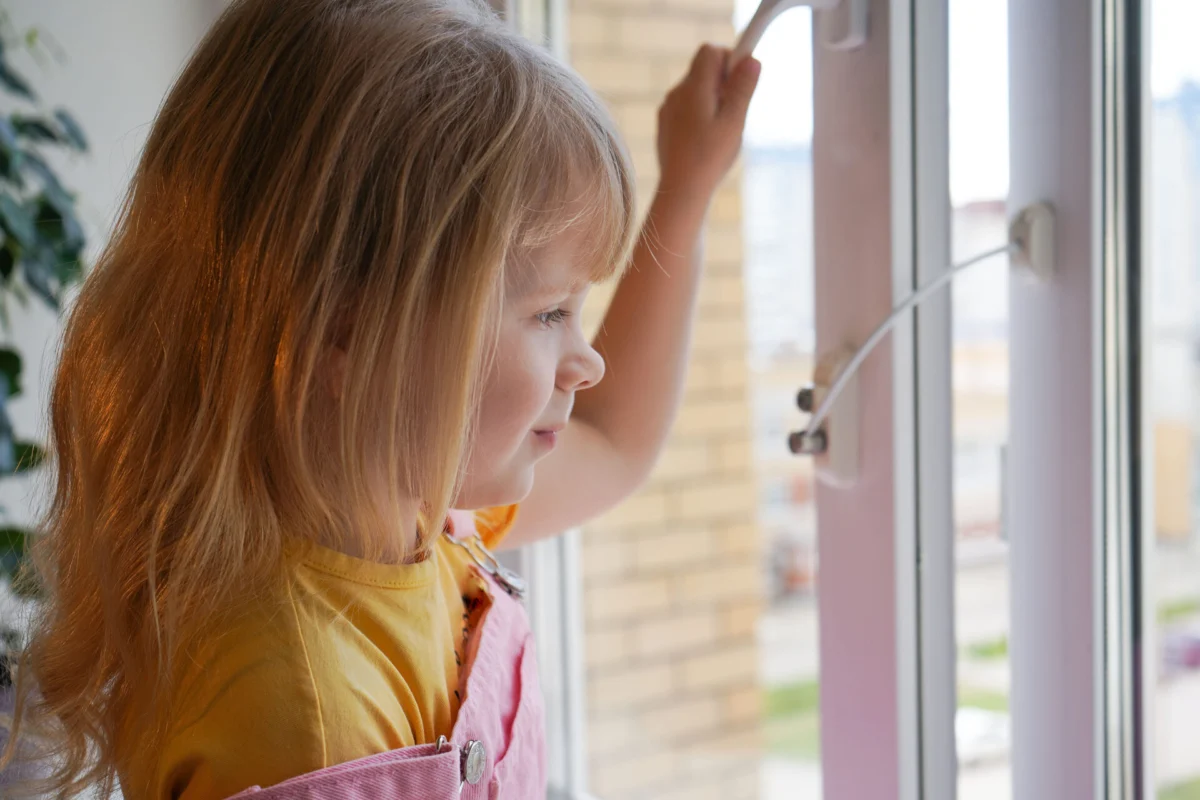
Every year, an average of eight children under the age of five lose their lives due to falls from windows, while more than 3,300 others suffer significant, life-altering injuries. These statistics, provided by Safe Kids Worldwide, serve as a sobering reminder that for parents and caregivers, the home environment requires constant vigilance. While we often focus on cabinet locks, corner guards, and outlet covers, the windows—often overlooked—present some of the most critical safety hazards in a modern household.
Childproofing your windows is not a task reserved for major home renovations; it is a series of strategic, affordable, and often DIY-friendly adjustments that can provide parents with the peace of mind they deserve. Whether you are living in a historic home with older, temperamental sash windows or a modern apartment with high-efficiency glazing, the goal remains the same: creating a secure perimeter that allows for ventilation without compromising the safety of your children.
The Reality of Household Risks: Understanding the Danger
To understand why window safety is paramount, one must first dismantle the myth of the "protective screen." Many parents operate under the false assumption that a standard window screen is a structural barrier capable of supporting a child’s weight. In reality, window screens are designed exclusively for airflow and insect deterrence. They are rarely engineered to withstand pressure, and they can easily pop out of their frames if a child leans against them.
Beyond the risk of falling, windows present a secondary danger: strangulation from window treatment cords. Dangling cords on blinds and shades act as "hazard magnets," creating loops that can easily entangle a curious toddler. Furthermore, broken glass remains a persistent risk, particularly in rooms where children play with toys or engage in high-energy activity.
A Chronological Approach to Childproofing
Childproofing should ideally be proactive rather than reactive. Professionals suggest that you should have all safety measures in place by the time your child begins to crawl—typically between six and nine months of age.
Phase 1: The Pre-Mobility Stage (Infancy)
Before your child is mobile, focus on furniture placement. Move cribs, changing tables, and toy bins away from windows. This prevents a child from using furniture as a platform to reach the sill.
Phase 2: The Exploration Stage (Crawling to Toddlerhood)
As your child begins to explore, focus on hardware. Install window stops or guards and replace corded blinds with cordless alternatives. This is also the time to test your existing window locks to ensure they are not easily manipulated by small hands.
Phase 3: The Active Stage (School Age)
As children grow, the focus shifts to education. Teach older children how to operate emergency-release latches. Ensure they understand that windows are for light and air, not for play, and continue to monitor their interactions with the home environment during "transition times"—such as nap time or after-school hours—when parents are often distracted.
Proven Methods for Securing Your Home
When it comes to hardware, there is no "one-size-fits-all" solution. The following methods, recommended by contractors and safety experts, are the industry standards for window security.
1. Window Guards and Stops
Window guards are robust metal or plastic bars spaced less than four inches apart. According to Tyler Hull, a licensed contractor with Modern Exterior Roofing, these should be installed at "mid-window height, not just the bottom, because kids climb and do not respect logic."
For a more budget-friendly approach, window stops are ideal. These small devices wedge into the window track, limiting how far the sash can slide open. Most models are affordable—ranging from $10 to $12—and some require no drilling, making them perfect for renters.
2. Upgrading Locks and Latches
Standard flip locks found on many modern windows are rarely "child-resistant." If your toddler has mastered the flip lock, it is time to upgrade. Keyed locks function much like front door deadbolts; without the key, the window remains immobile. For sliding windows, track-mounted locks provide a secondary layer of security that is easy for an adult to engage but nearly impossible for a child to defeat.
3. The Move to Cordless Treatments
If you have traditional blinds, you have a potential strangulation hazard. The modern solution is to transition to cordless shades or blinds. These systems use internal tension mechanisms or wands to adjust light, completely eliminating the need for dangling loops. "Cordless window shades are honestly underrated," says Hull. "Anything with a cord is basically a hazard magnet."
4. Shatter-Resistant Film
While this does not prevent a window from opening, it is an essential layer of protection for nurseries and playrooms. This film, which costs roughly $80 to $100 per window, prevents glass from scattering if an object is thrown against it, protecting the child from lacerations and severe injury.
Expert Perspectives on Window Safety
Safety is a collaborative effort between homeowners and industry professionals. Theresa Bertuzzi, chief program development officer and co-owner of Tiny Hoppers, emphasizes the importance of restrictive access. "Use sliding window locks or stops to prevent the window from fully opening; ensure the locks are placed out of children’s reach," she advises.
Stephanie Edenburgh, CEO of Bizzie Mommy, warns that accidents frequently occur when parents believe their child is safe in a separate room. "Most slips and bangs settle in bedrooms or playrooms, usually when a parent feels convinced their little one is still tucked away and out of trouble," she notes.
The consensus among experts is clear: hardware is only one layer of the safety net. Supervision is the final and most important layer.
Strategic Implications by Window Type
Different windows require different strategies. To effectively secure your home, you must tailor your approach to the architecture:
- Double-Hung Windows: Because these are the most common in North American homes, they are highly compatible with both window guards and stops. Guards are generally the preferred method as they allow for maximum ventilation while maintaining a physical barrier.
- Sliding Windows: These should be secured with side-track locks or keyed devices that physically prevent the sash from sliding.
- Casement Windows: These windows open outward via a crank. Because they create large openings that are easy for a child to climb through, the best practice is to remove the crank handle entirely when the window is not in use.
- Egress Windows: These are essential for fire safety. When securing basement egress windows, ensure that the safety devices are easy for an adult to release in an emergency, but too complex for a child to navigate.
The Long-Term Benefit: Peace of Mind
Childproofing your windows is an investment in your family’s daily security. By taking the time to identify your window types, measure for the correct hardware, and implement a layered strategy—such as combining furniture placement with window stops—you significantly mitigate the risks of accidental falls.
Remember the words of Tyler Hull: "Window safety is not a one-size-fits-all thing. You pick based on window type, child age, and budget. Layer solutions when you can. And when in doubt, overprotect."
As you move through your home today, look at your windows with a critical eye. Are the cords out of reach? Is the furniture positioned safely? Is the glass protected? By addressing these details now, you can turn your home into the safe haven it is meant to be, allowing your children to grow, play, and explore without the dangers that often hide in plain sight.
Frequently Asked Questions (FAQs)
Are window screens enough to protect kids from falling?
No. Window screens are engineered to facilitate airflow and keep insects out. They are not load-bearing and will fail if a child leans against them.
Can I install window guards myself?
Many window guards are designed for DIY installation. However, if you are installing permanent, heavy-duty guards, or if you are not confident in your ability to secure them to the wall studs, hiring a professional is recommended to ensure they meet safety standards.
At what age should I start childproofing?
The most effective time to begin is before your child becomes mobile. Aim to have all safety measures in place by the time your child is six months old.
What should I do if I have old, drafty windows?
Old windows that open with little resistance are inherently dangerous. If your windows are nearing the end of their lifespan, consider replacing them with high-efficiency models that feature integrated, child-safe locking mechanisms.
