

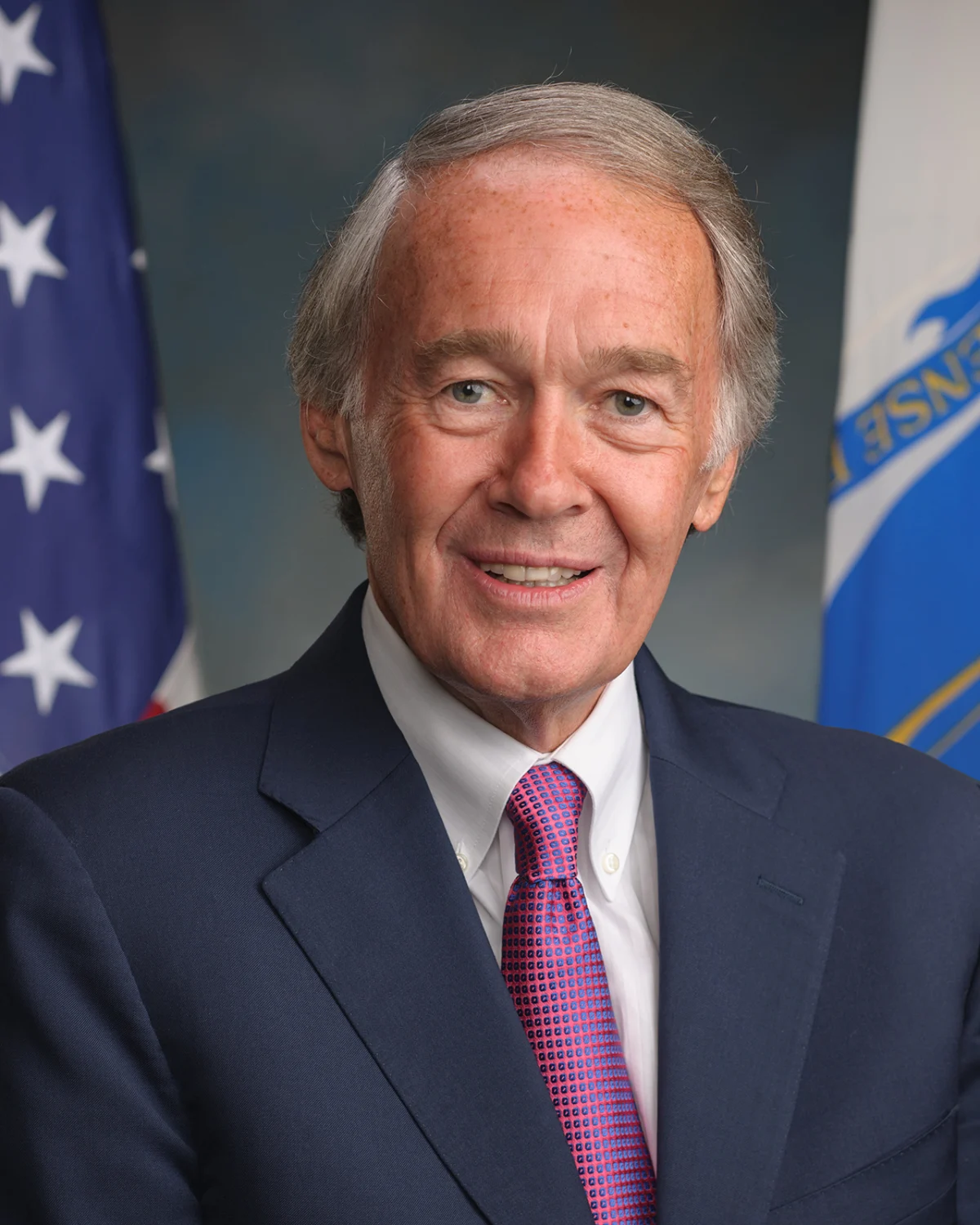
WASHINGTON, D.C. — In a high-stakes legislative maneuver aimed at protecting consumer wallets and environmental integrity, Senator Edward J. Markey (D-Mass.) has scheduled an urgent press conference for Wednesday, May 13, 2026. The event, set to take place at the Russell Senate Office Building, serves as a direct challenge to the Trump administration’s controversial proposal to dismantle the existing Corporate Average Fuel Economy (CAFE) standards.
Senator Markey, a longtime stalwart of environmental and consumer advocacy, will be joined by a coalition of experts, including representatives from the National Consumers League (NCL) and the Moms Clean Air Force. The gathering is intended to spotlight the intersection of national energy policy, volatile fuel prices, and the immediate financial burden placed on American households.
The Core Conflict: Fuel Economy vs. Administration Policy
At the heart of this confrontation is the administration’s attempt to roll back CAFE standards—regulations that have historically forced automakers to produce more fuel-efficient vehicles. These standards were designed to reduce oil consumption, curb greenhouse gas emissions, and shield consumers from the volatility of global energy markets.
Senator Markey argues that these standards are not merely environmental tools but essential economic safeguards. As the administration pushes for deregulation, critics argue that the move ignores the current reality of the energy market. According to recent reports, the administration’s geopolitical strategies—specifically what Senator Markey has termed a "war of choice in Iran"—have triggered a sharp increase in domestic fuel prices, with costs at the pump surging by more than $1.50 per gallon in just over two months.
A Chronology of Fuel Economy Legislation
To understand the weight of tomorrow’s press conference, one must look back at the legislative history that built the current framework. Senator Markey’s involvement is deep-rooted, dating back to his time in the House of Representatives.
- 2007: The Energy Independence and Security Act: Then-Representative Markey co-authored critical fuel economy language that was embedded into the 2007 landmark legislation. This act was the first major increase in fuel economy standards in decades, setting the stage for the modern automotive industry’s shift toward efficiency.
- 2010–2012: Strengthening the Standards: Throughout this period, the federal government successfully negotiated with the automotive industry to establish aggressive, long-term targets for vehicle efficiency, aiming to reduce dependence on foreign oil.
- 2024–2025: The Regulatory Shift: Following changes in the executive branch, the administration began exploring avenues to weaken these standards, arguing that they impose unnecessary costs on manufacturers and limit consumer choice.
- May 2026: The Impasse: With gas prices reaching record highs, the debate over the proposed rollback has moved from administrative offices to the Senate floor. The scheduled press conference on May 13 serves as the latest escalation in this ongoing tug-of-war.
Supporting Data: The Economic and Health Toll
The argument against the rollback is multifaceted, drawing on data from economic, consumer, and health advocacy groups.
The Consumer Impact
The National Consumers League (NCL), which has been a voice for the public since 1899, remains a central figure in this opposition. Daniel Greene, the organization’s Senior Director of Consumer Protection & Product Safety, is expected to present data showing that the repeal of these standards will lead to higher long-term vehicle ownership costs. When vehicles are less efficient, families are forced to allocate a larger portion of their household budget to fuel, particularly in rural and suburban areas where long commutes are common.
The Health and Environmental Nexus
Almeta Cooper, National Manager for Health Justice for Moms Clean Air Force, represents a different, yet equally critical, facet of the debate. The health implications of reverting to lower efficiency standards are significant. Increased fuel consumption leads to higher tailpipe emissions, which directly correlate with respiratory issues, particularly in children and vulnerable populations living near major transportation corridors. The argument here is simple: by prioritizing corporate flexibility over fuel efficiency, the administration is effectively choosing to degrade the air quality of the next generation.
The Small Business Perspective
The inclusion of a small business owner in the press conference highlights the ripple effect of energy prices. For small enterprises that rely on logistics, delivery, or travel, the $1.50 per gallon price hike is not a minor inconvenience—it is an existential threat to profit margins. When fuel costs skyrocket, the cost of transporting goods rises, leading to inflationary pressure on consumer products.
Official Responses and Stakeholder Positions
The administration has maintained that the proposed rollbacks are necessary to revitalize the automotive sector, suggesting that the standards are too burdensome for manufacturers to meet while remaining competitive in a global market. They argue that by easing these requirements, they can keep vehicle prices lower for the average consumer, offsetting the impact of high gas prices.
Conversely, Senator Markey and his allies view this rhetoric as a "false choice." They maintain that the automotive industry has already demonstrated the capacity to innovate and that technological advancements allow for both affordability and efficiency. The coalition asserts that the administration is using "consumer choice" as a smokescreen to benefit special interests in the oil and gas sector, rather than protecting the American public.
Broader Implications for Energy Policy
The implications of this press conference extend far beyond the immediate legislative battle. This event represents a broader, existential question for the United States: How does the country balance energy independence with economic stability?
- Geopolitical Sensitivity: The link between the administration’s foreign policy and domestic gas prices is a recurring theme in the senator’s critique. By failing to diversify the energy grid or maintain strict efficiency standards, the U.S. remains beholden to global oil market shocks.
- Climate Commitments: If the U.S. retreats from its fuel economy targets, it undermines the nation’s standing in international climate agreements. Such a reversal would likely signal a departure from the transition toward cleaner energy, potentially stalling innovation in the electric vehicle (EV) and hybrid markets.
- The Role of Federal Regulation: This conflict highlights the ongoing tension between federal oversight and deregulation. Whether the administration has the legal and moral authority to dismantle standards established under previous legislative acts will likely be a point of contention in future litigation, regardless of the outcome of tomorrow’s press conference.
Conclusion: What to Expect
The press conference, scheduled for 12:00 PM EST in SR-198 of the Russell Senate Office Building, is designed to mobilize public opinion and provide a platform for those most affected by the policy. Senator Markey is expected to outline a legislative path forward that would block the administration’s rollback, potentially through a Congressional Review Act (CRA) resolution or further committee oversight.
For those unable to attend in person, the senator’s office has emphasized that the event will be fully accessible via digital platforms, including Facebook, Twitter, YouTube, TikTok, and Twitch. This multi-platform approach underscores the urgency of the message: the fight over fuel economy is not just a niche technical debate—it is a critical issue affecting the pocketbooks and health of every American.
As the nation watches the price of gasoline continue to climb, the debate over CAFE standards will serve as a bellwether for the administration’s priorities. Tomorrow’s conference is, in essence, a call to arms for those who believe that in an era of volatile energy markets, the path to stability lies not in burning more, but in doing more with less.
Event Details Recap:
- Who: Senator Edward J. Markey (D-Mass.), Daniel Greene (National Consumers League), Almeta Cooper (Moms Clean Air Force), and a local Small Business Owner.
- When: Wednesday, May 13, 2026, at 12:00 PM EST.
- Where: Russell Senate Office Building, Room SR-198.
- RSVP: Members of the press are directed to email [email protected].
