

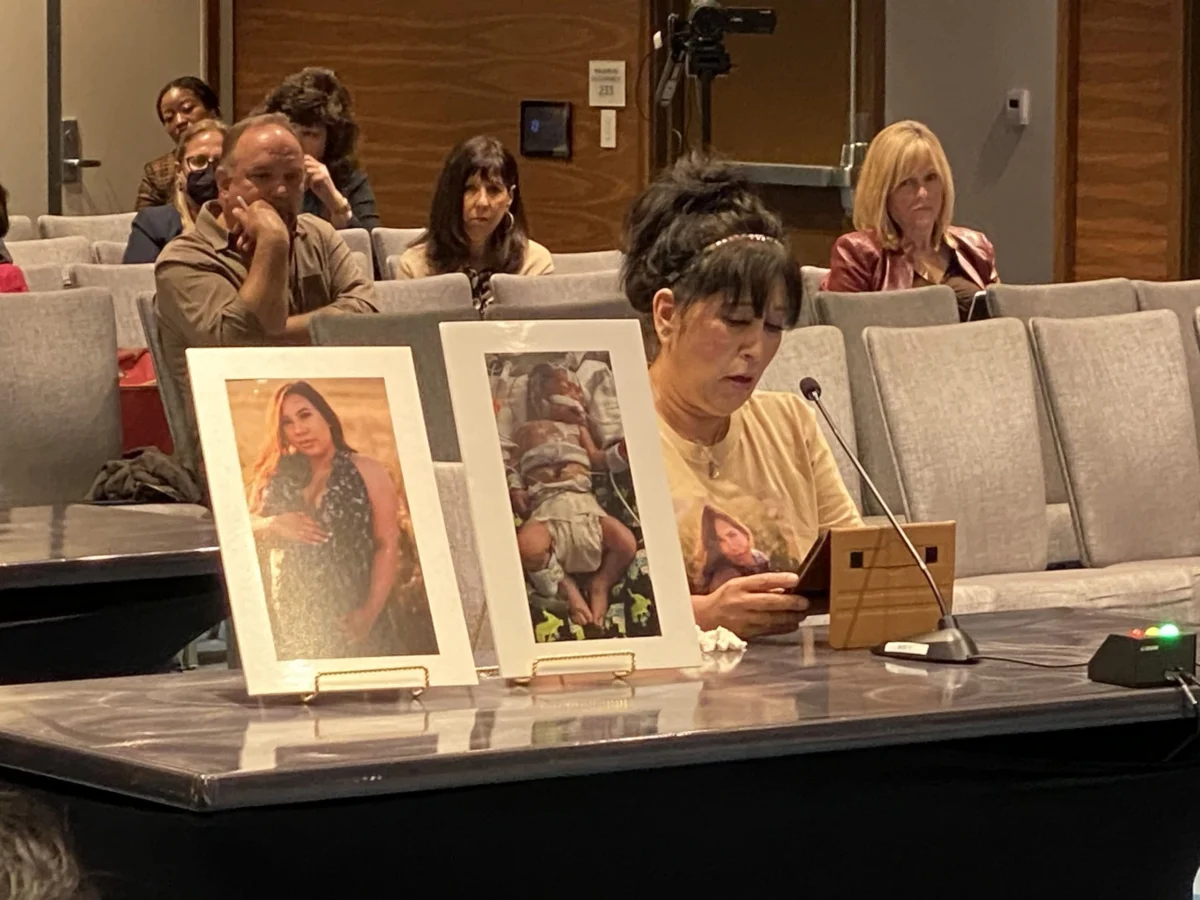
BAKERSFIELD, CA – Seven years after the tragic loss of 23-year-old Demi Dominguez and her newborn son, Malakhi, the wheels of justice are finally turning in the Kern County Superior Court. On Tuesday, proceedings will commence in a wrongful death lawsuit brought by Tracy Dominguez against Dr. Arthur Park, the OB/GYN who was on call during the critical hours preceding Demi’s death.
For the family, this trial represents more than just a legal battle; it is the culmination of nearly a decade of mourning, advocacy, and a systemic crusade to expose a pattern of medical negligence that plagued the southern Central Valley for years. With opening statements slated for Wednesday in Department 17 of the Bakersfield Metropolitan Justice Department, the trial is expected to place a spotlight on the broader, often ignored, maternal mortality crisis in California’s agricultural heartland.
A Legacy of Negligence: The Case of Demi Dominguez
The facts of the case, as outlined in court filings, paint a harrowing picture of missed opportunities and medical abandonment. In 2017, Demi Dominguez, a young mother-to-be, began exhibiting classic, unmistakable symptoms of preeclampsia—a potentially life-threatening pregnancy complication characterized by high blood pressure and signs of organ damage.
Seeking care, Demi presented herself at Mercy Southwest Hospital’s labor and delivery unit. Despite the severity of her condition, Dr. Arthur Park, who was the on-call OB/GYN, reportedly failed to perform a bedside assessment, provide a diagnosis, or formulate a treatment plan. Following a 13-hour hospitalization, Demi was discharged without being informed of the gravity of her condition or the risks she faced.
Tragedy struck just 48 hours later. While sleeping, Demi suffered a seizure. She was rushed to the hospital in critical condition, but she did not survive the journey. In a final, desperate attempt to save the infant, doctors performed a post-mortem C-section to deliver her son, Malakhi. The newborn survived for only 13 hours before succumbing to the trauma of his mother’s condition.
"Demi Dominguez went to the hospital with warning signs, trusting her doctors to protect her and her unborn son," said Courtney Rowley, lead attorney for the plaintiff and co-founder of Trial Lawyers for Justice. "She was sent home undiagnosed and untreated. Days later, both were dead. We cannot undo the harm done or give a husband and father back his wife and son. But a jury can now hold those responsible accountable."
A Chronology of a Failed System
To understand the weight of the upcoming trial, one must look at the history of the physician involved. Dr. Arthur Park’s tenure in the Central Valley was marred by repeated red flags that, according to advocacy groups, were not addressed with sufficient urgency by the state’s medical regulatory bodies.
- Pre-2017 History: Long before he encountered Demi Dominguez, Dr. Park had been the subject of disciplinary actions by the Medical Board of California. His record included allegations related to the deaths of two infants and the subsequent loss of life of two mothers under his care.
- 2014: The tragic death of Celeste Ortiz, a 23-year-old mother who died under Dr. Park’s care, served as a precursor to the systemic failure that would claim Demi’s life three years later.
- 2017: The deaths of Demi and Malakhi Dominguez.
- Post-2017 Advocacy: Following the death of her daughter, Tracy Dominguez began a tireless campaign to hold Dr. Park accountable. She partnered with Consumer Watchdog and other grieving families to pressure the Medical Board of California.
- The Surrender: Following years of public pressure, disciplinary filings, and advocacy by families, Dr. Arthur Park surrendered his medical license in 2022, effectively ending his 25-year practice in Kern County.
The Maternal Mortality Crisis: Data and Context
The death of Demi Dominguez was not an isolated incident; it was a symptom of a broader public health failure in the region. According to data from the California Department of Public Health’s Maternal, Child & Adolescent Health Division, the southern Central Valley—stretching into the San Joaquin Valley—consistently reports the highest maternal mortality rate in the state.
Current statistics indicate a rate of 28.2 deaths for every 100,000 live births in the region. These numbers are significantly higher than the state average, leading researchers and health equity advocates to describe the area as a "maternity care desert" where social determinants of health and a lack of medical oversight converge to create fatal outcomes for pregnant patients.
The trial is expected to feature expert testimony regarding these regional trends, highlighting how systemic neglect, combined with the actions of individual practitioners like Dr. Park, created a dangerous environment for expectant mothers in Bakersfield.
The Role of Advocacy and Regulatory Reform
The journey to this week’s trial was facilitated by a coalition of families and patient advocates. Michele Monserratt-Ramos, the Kathy Olsen patient advocate with Consumer Watchdog, was instrumental in uniting Tracy Dominguez with other families who had suffered similar losses.
"After connecting with a mother in Bakersfield whose daughter lost her life before delivery, Tracy Dominguez reached out to me, seeking justice for the death of her daughter, Demi," Monserratt-Ramos said. "We launched a campaign aimed at raising awareness about the critical issues of maternal health and mortality in the Central Valley, while also uniting with other families to develop plans for accountability."
This grassroots pressure forced the hand of state regulators. The result was a heightened focus on the Central Valley, which led to the establishment of the Central Valley Maternal Death Review committee. This committee was tasked with analyzing pregnancy-related deaths to identify patterns and prevent future tragedies. Furthermore, the state implemented specialized programs tailored for Medi-Cal pregnant patients to ensure that women in the region have access to timely, high-quality care.
For Tracy Dominguez, the transition from a grieving mother to a civil rights advocate has been a long and arduous process. "I was a grieving mother. I never imagined that I would become a patient advocate fighting for the rights of mothers in the Central Valley," she stated. "I learned that in order to effect change in honor of my daughter, I needed to come forward and advocate."
Implications of the Trial
The legal team representing Tracy Dominguez—which includes Courtney Rowley, John Kawai, and Patrick Logan—is expected to argue that Dr. Park’s failure to act was a fundamental breach of the standard of care. By presenting the case to a jury, the plaintiffs hope to achieve a level of accountability that the administrative process, while successful in stripping Dr. Park of his license, could not provide.
Beyond the specific outcome of this trial, the proceedings serve as a reminder of the fragility of maternal health infrastructure. The case highlights the necessity of:
- Robust Oversight: The medical board’s initial delays in addressing Dr. Park’s history underscore the need for more proactive disciplinary actions when a physician’s pattern of care suggests a high risk of patient harm.
- Health Equity: The high mortality rates in the Central Valley demand sustained investment in maternal health resources, particularly for marginalized or underserved communities.
- Patient Empowerment: As demonstrated by Tracy Dominguez, the voice of the patient and the bereaved family remains the most powerful tool in triggering institutional reform.
As the court prepares for opening statements, the community of Bakersfield looks on. For the Dominguez family, the trial is the final chapter in a seven-year quest for recognition of their loss. For the medical establishment, it is a sobering case study on the consequences of medical negligence and the power of public demand for systemic change.
The trial is expected to last several weeks. Throughout the proceedings, the memory of Demi and Malakhi will remain at the forefront, as their story continues to drive the push for a safer, more accountable healthcare system in California.
