

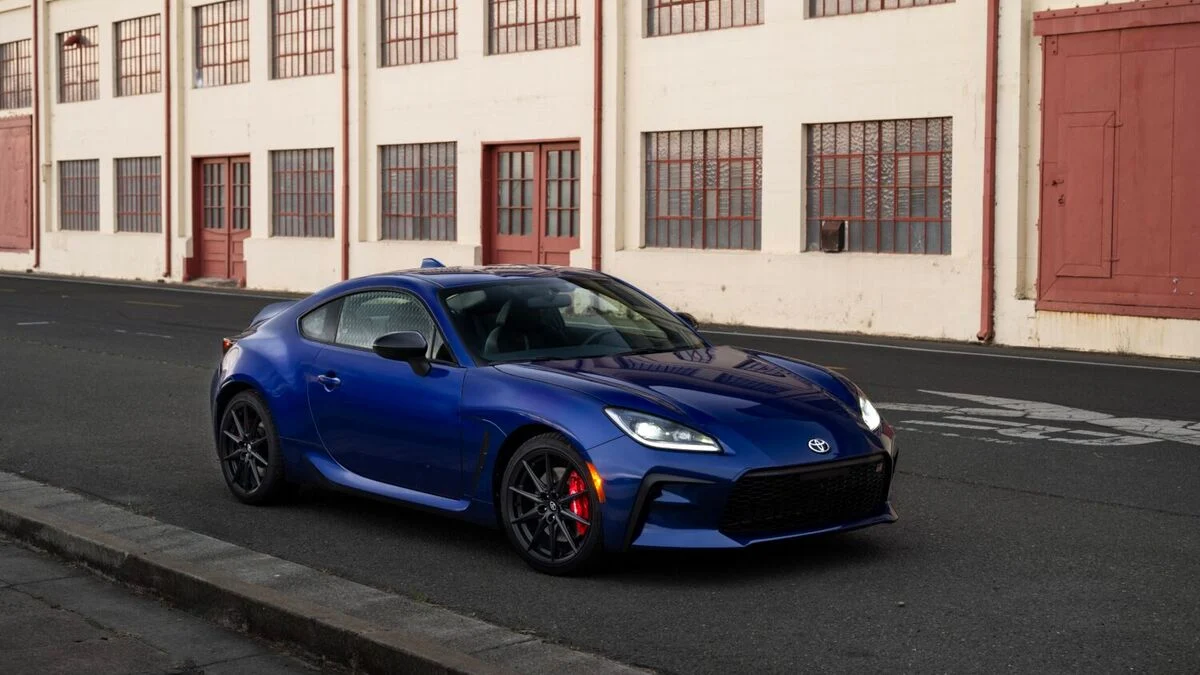
At the annual FuelFest automotive festival, amidst a sea of modified builds and high-octane enthusiasm, Toyota took the stage to pull the veil back on its latest iteration of the GR86. The 2027 Toyota GR86 represents more than just a minor model-year refresh; it stands as a testament to Toyota’s commitment to the "pure sports car" segment, a dying breed in an industry rapidly pivoting toward electrification and autonomous technology.
For enthusiasts, the GR86 remains a beacon of hope. As one of the lightest, most agile, and most accessible two-door sports cars on the market today, it serves as the entry point into the Gazoo Racing (GR) ecosystem. By focusing on mechanical feedback and driver-centric engineering, Toyota aims to solidify the GR86’s position as the gold standard for attainable performance.
Main Facts: The Evolution of a Driver’s Machine
The 2027 Toyota GR86 continues the successful collaborative partnership between Toyota and Subaru. Much like its twin, the Subaru BRZ, the GR86 is defined by its low center of gravity, rear-wheel-drive architecture, and a naturally aspirated engine that encourages drivers to explore the upper reaches of the tachometer.
Key pillars of the 2027 update include:
- Enhanced Chassis Dynamics: Toyota engineers have focused on suspension tuning and steering geometry to sharpen the vehicle’s turn-in response.
- Refined Cockpit Ergonomics: Interior adjustments aim to improve the tactile interface between the driver and the car, ensuring that inputs are direct and intuitive.
- Safety and Maintenance: Despite its track-focused intentions, the vehicle maintains a robust safety profile, coming standard with Toyota’s comprehensive Active Safety Suite and the inclusion of ToyotaCare.
The 2027 model will be available in both base and Premium trims, offering consumers the choice between a crisp 6-speed manual transmission—a favorite among enthusiasts—or a 6-speed automatic for those seeking a more relaxed daily driving experience.
Chronology: From Concept to Current Iteration
The history of the GR86 is deeply intertwined with the "86" legacy that dates back to the AE86 Corolla of the 1980s. However, the modern lineage began in earnest with the debut of the Scion FR-S/Toyota 86, a project that sought to revitalize the affordable rear-wheel-drive sports car market.
- 2012: The first-generation Toyota 86 (and Scion FR-S) launches globally, praised for its chassis balance but often criticized for its lack of mid-range torque.
- 2021: Toyota introduces the second-generation GR86, featuring a significant displacement jump to a 2.4-liter flat-four engine, effectively addressing the power deficits of the original.
- 2023-2025: Toyota continues to refine the platform, introducing special editions such as the TRD-tuned models and track-focused performance packages that included upgraded Brembo brakes and SACHS dampers.
- 2026 (FuelFest Announcement): Toyota showcases the 2027 updates, emphasizing that while the engine architecture remains largely consistent, the surrounding mechanical components have been tuned to extract higher levels of "driver confidence."
- Summer 2027: The expected arrival of the refreshed models at dealerships across North America.
Supporting Data: Why the GR86 Remains a Benchmark
To understand the significance of the 2027 GR86, one must look at the landscape of the current sports car market. With the segment thinning, the GR86 occupies a unique niche.
The Power-to-Weight Advantage
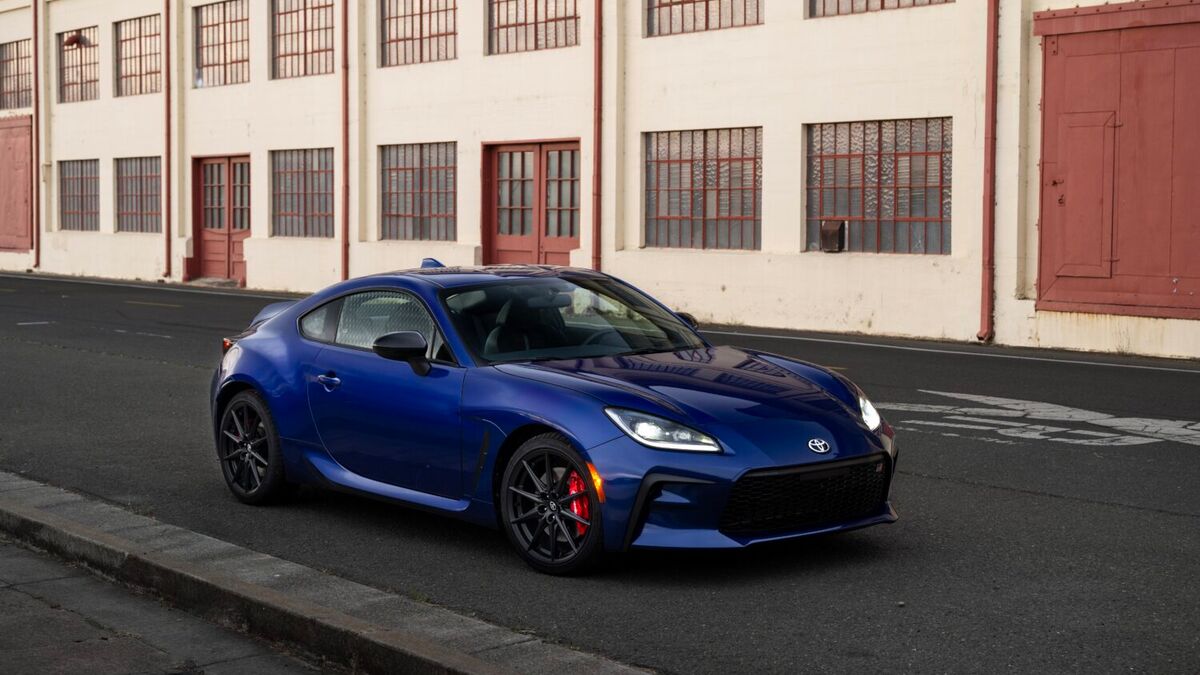
The GR86’s philosophy has always been centered on the power-to-weight ratio rather than raw, straight-line speed. By keeping the curb weight significantly lower than most modern performance coupes, Toyota allows the vehicle to rely on mechanical grip rather than heavy electronic aids. The 2027 model continues to utilize the FA24 boxer engine, which offers a linear power delivery that is increasingly rare in an era dominated by turbocharged engines with noticeable lag.
The "Gazoo" Influence
The "GR" moniker is not merely a marketing badge. It signifies that the vehicle has been vetted by Toyota’s Gazoo Racing division, the same team responsible for the company’s success in the World Rally Championship (WRC) and the World Endurance Championship (WEC). The 2027 updates benefit from data gathered at these elite levels of motorsport, specifically regarding chassis rigidity and suspension feedback.
Official Responses and Philosophy
During the unveiling at FuelFest, Toyota representatives emphasized that the 2027 update was not designed to reinvent the wheel, but to "deepen the connection between the driver, the car, and the road."
"Our goal with the 2027 model was to remove the barriers between the driver’s intent and the car’s reaction," a lead engineer noted during the presentation. "When you are behind the wheel of the GR86, you shouldn’t be thinking about the technology; you should be thinking about the apex. Every change we made—from the steering rack calibration to the damper valving—is meant to provide a more transparent dialogue between the asphalt and your palms."
Toyota is also leaning into the community aspect of ownership. By offering a complimentary one-year membership to the National Auto Sport Association (NASA), the company is actively encouraging owners to take their cars to the track, where the GR86’s engineering can truly be appreciated in a safe and controlled environment.
Implications: The Future of the Affordable Sports Car
The announcement of the 2027 GR86 carries broader implications for the automotive industry. As regulatory pressures regarding emissions and safety systems mount, the cost of manufacturing lightweight, performance-oriented vehicles rises. Toyota’s decision to continue investing in the GR86 suggests a long-term commitment to the "enthusiast brand" identity.
1. Market Sustainability
By maintaining a partnership with Subaru, Toyota manages to keep the costs of the GR86/BRZ platform down, effectively sharing the R&D burden. This ensures that the vehicle remains within reach of younger buyers—the demographic most likely to grow into future Toyota customers.

2. The Preservation of the Manual Transmission
While most manufacturers have abandoned the manual transmission, the GR86 continues to offer it as a primary option. This creates a halo effect for the brand, positioning Toyota as a company that listens to the "purist" segment of the market, even while it simultaneously develops mass-market hybrid and electric vehicles.
3. The Shift Toward "Experience"
The 2027 update signals a broader shift in the automotive industry from "spec-sheet racing" (where horsepower and 0-60 times are the only metrics that matter) to "experience-based" engineering. In the 2027 GR86, the focus is on steering weight, pedal feel, and the chassis’s ability to communicate impending grip limits. This approach is likely to become the new standard for legacy automakers looking to maintain relevance among driving enthusiasts.
Final Thoughts: What to Expect in 2027
As the automotive world waits for the official pricing to be released, the anticipation surrounding the 2027 GR86 is palpable. It remains a rare example of a vehicle that is just as at home on a twisty mountain pass as it is in the daily commute.
For those considering a purchase, the 2027 model year offers the most refined iteration of the current platform. With the inclusion of the Active Safety Suite—ensuring that the car remains safe in modern traffic conditions—and the backing of the ToyotaCare maintenance program, the 2027 GR86 strikes an enviable balance between the raw, visceral joy of a weekend track toy and the reliability of a daily driver.
As summer 2027 approaches, prospective buyers are encouraged to contact their local dealerships to stay informed on arrival dates and local allocation numbers. In a world that is increasingly automated and disconnected, the 2027 Toyota GR86 stands as a reminder that the most important part of driving is the driver.
