

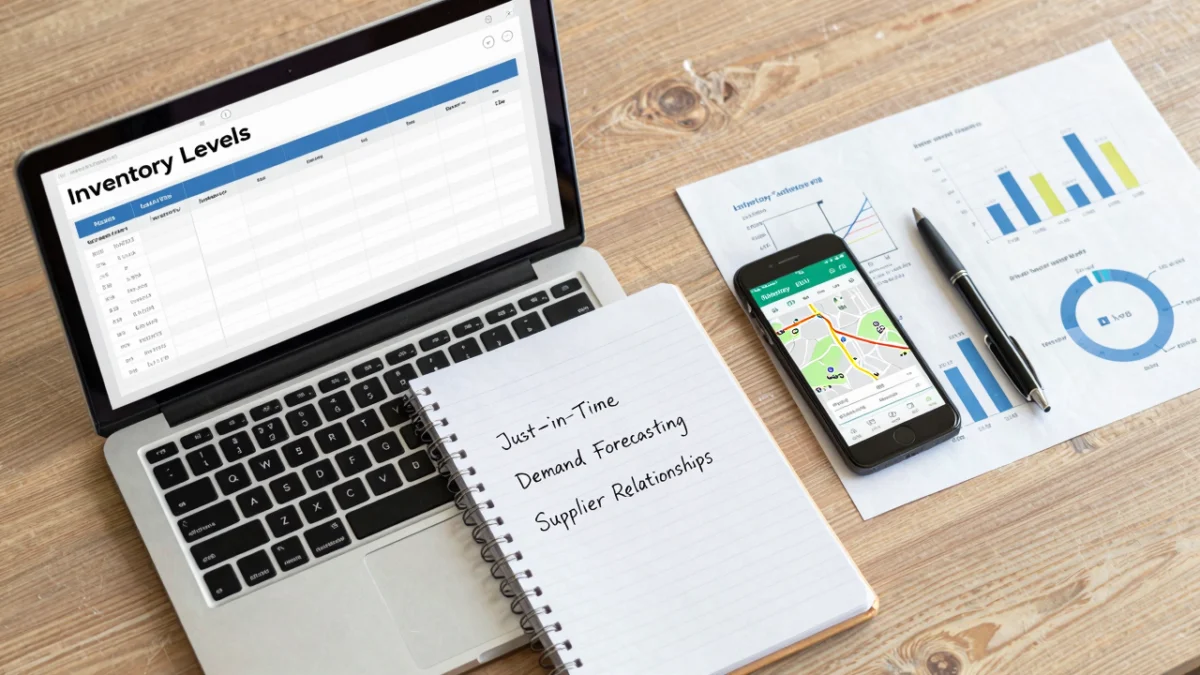
In the modern hyper-competitive global marketplace, the supply chain is no longer just a logistical necessity—it is a core strategic asset. As businesses face unprecedented fluctuations in consumer demand and global trade complexities, the ability to optimize inventory and streamline supply chain operations has become the ultimate differentiator. Organizations that master the delicate balance between lean inventory and product availability are seeing significant improvements in profitability, while those that fail to adapt risk obsolescence.
This report explores the essential strategies, technological integrations, and performance metrics required to transform your supply chain into a lean, responsive engine of growth.

Main Facts: The Anatomy of Modern Supply Chain Optimization
At its core, supply chain optimization is the systematic process of aligning inventory levels with actual market demand to minimize waste and maximize service levels. The primary objective is to eliminate "dead capital"—excess inventory that consumes warehouse space and ties up cash flow.
Current industry data indicates that businesses focusing on rigorous inventory control can reduce holding costs by up to 30%. By leveraging advanced methodologies such as ABC analysis, companies can categorize their stock based on impact, ensuring that the most critical items receive the highest level of oversight. Furthermore, the integration of real-time tracking via IoT (Internet of Things) and RFID (Radio Frequency Identification) has evolved from a luxury to a baseline requirement for competitive firms. These technologies provide the granular visibility needed to slash lead times by 20% to 50%, ensuring that products reach the customer precisely when they are needed.

Chronology: The Evolution Toward Real-Time Responsiveness
The transition from traditional, reactive supply chain models to proactive, data-driven systems has occurred in three distinct phases over the last decade:
- The Manual Era (Pre-2015): Inventory was managed through periodic physical audits and manual ledger entries. This process was inherently prone to human error, leading to massive stockouts or surplus inventory build-ups.
- The ERP Integration Phase (2015–2020): Businesses adopted Enterprise Resource Planning (ERP) systems to centralize data. While this improved organization, it often relied on historical data, which struggled to keep pace with the rapid volatility of digital-age consumer behavior.
- The Real-Time & Predictive Era (2021–Present): Today, we operate in an era of "always-on" supply chains. Through AI-driven demand forecasting and instant, cloud-based data synchronization, businesses can now adjust procurement orders in real-time. This shift has enabled the rise of the "Just-in-Time" (JIT) model, where goods are procured only as demand materializes, effectively transforming inventory management from a static cost center into a fluid, dynamic process.
Supporting Data: Why Efficiency Matters
The economic implications of a stagnant supply chain are severe. Operational costs are the primary target for optimization; studies suggest that through improved collaboration and technology integration, companies can achieve a 25% reduction in overall operational expenses.

- Inventory Turnover: High-performing companies now target turnover rates exceeding 12 times per year. This velocity indicates that capital is not trapped in the warehouse but is actively cycling through the business.
- Customer Availability Rate: As a primary KPI, this metric directly correlates with customer retention. A 1% increase in availability often leads to a measurable uptick in long-term customer lifetime value.
- The 5 C’s Framework: Modern management relies on the "5 C’s": Customer, Cost, Communication, Coordination, and Collaboration. By aligning these five pillars, firms create a resilient framework that can withstand localized disruptions, such as shipping delays or supply shortages.
Official Industry Responses: The Shift to Automation
Industry leaders are increasingly turning to Robotic Process Automation (RPA) and Warehouse Management Systems (WMS) to bridge the gap between intent and execution. When asked about the necessity of these shifts, supply chain analysts and CTOs emphasize that human oversight is no longer sufficient to manage the complexity of global logistics.
"Automation is no longer an optional upgrade; it is the infrastructure of the future," notes one industry expert. "By delegating repetitive procurement and tracking tasks to automated systems, human managers are freed to focus on high-level strategic relationships with suppliers."

This shift has also fundamentally changed the nature of supplier management. The old "adversarial" model of beating down suppliers on price is being replaced by "collaborative planning." By sharing real-time data through collaborative digital portals, suppliers are becoming partners in demand forecasting, which reduces the "bullwhip effect"—the phenomenon where small fluctuations in demand cause massive, inefficient oscillations in supply orders.
Implications: Building a Resilient Future
The implications of failing to optimize are clear: lost market share, higher logistics costs, and diminished customer trust. Conversely, the benefits of optimization extend far beyond the balance sheet.

Leveraging Technology for Optimization
Technology serves as the nervous system of the modern supply chain. Beyond basic tracking, AI is now being used to perform predictive analytics. By analyzing historical trends alongside external market signals—such as weather, social media sentiment, and economic indicators—AI can predict demand surges before they occur.
Cultivating Supplier Relationships
A resilient supply chain is only as strong as its weakest link. Collaborative planning sessions are essential for building trust. When suppliers are treated as strategic partners, they are more likely to prioritize your orders during global supply crises. Open communication lines allow for "shared risk management," where both parties work to mitigate disruptions before they impact the end customer.

Measuring Success
To thrive, organizations must move beyond vanity metrics and focus on actionable KPIs:
- Inventory Turnover Ratio: To monitor the efficiency of stock movement.
- Lead Time Variance: To track the reliability of the supply process.
- Fill Rate: To measure the percentage of customer orders fulfilled without stockouts.
The Four Pillars of Control
To ensure long-term stability, firms must institutionalize the four primary techniques of inventory control:

- Just-in-Time (JIT): Eliminating holding costs by minimizing on-hand stock.
- ABC Analysis: Prioritizing resources for high-value/high-velocity inventory.
- Economic Order Quantity (EOQ): Determining the precise order size that minimizes total inventory costs.
- Safety Stock: Maintaining a calculated buffer to protect against extreme volatility.
Conclusion: The Path Forward
Optimizing your supply chain is a continuous journey rather than a one-time project. It requires a fundamental shift in culture—moving from a mindset of "buying to store" to "buying to serve." By embracing real-time technology, fostering deep partnerships with suppliers, and ruthlessly monitoring performance metrics, businesses can unlock significant capital and improve their service levels simultaneously.
The technology exists, the methodologies are proven, and the competitive stakes have never been higher. Those who implement these strategies today will not only weather the fluctuations of the modern market but will set the standard for operational excellence in their respective industries. As we look toward the remainder of the decade, the winners will be those who view their supply chain not as a cost to be managed, but as a strategic engine for sustainable success.
