

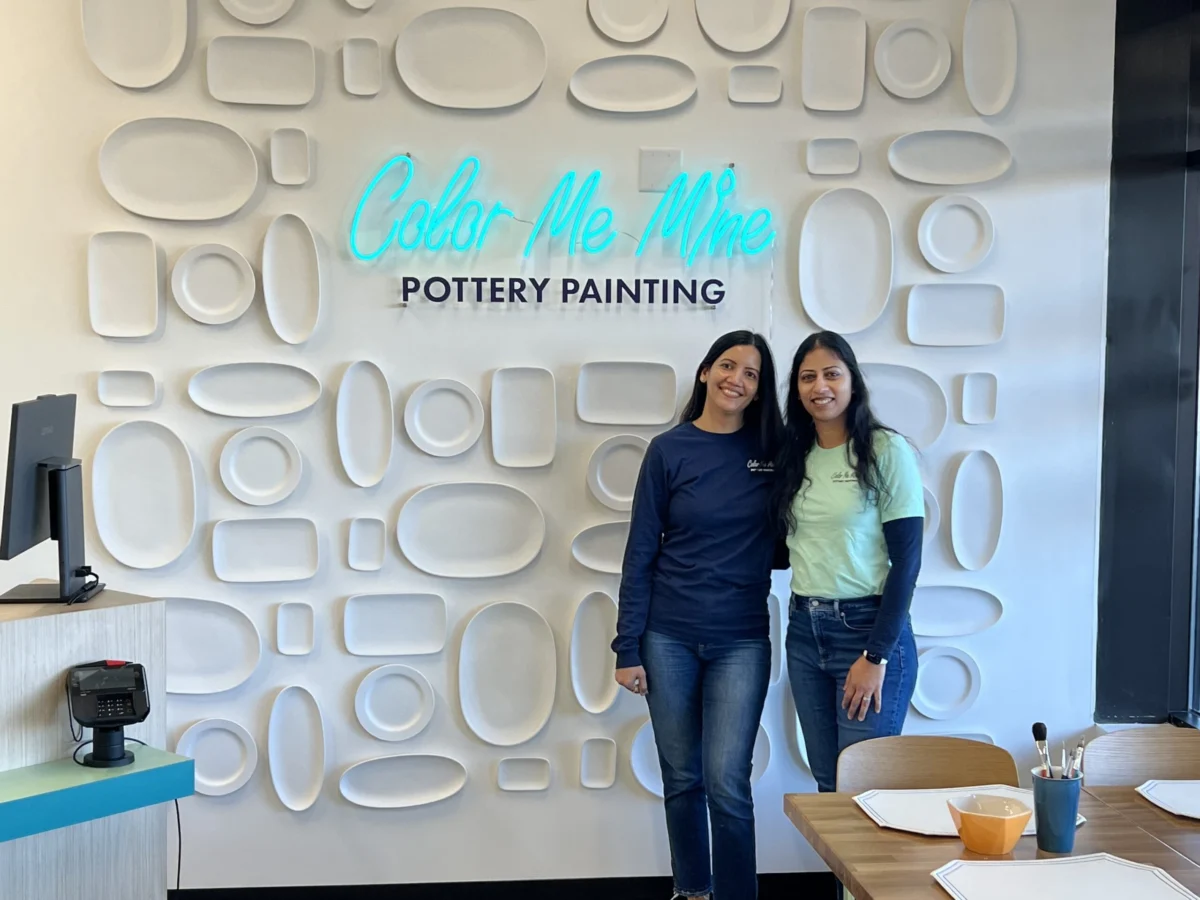
In the heart of Edina, Minnesota, a quiet revolution in community connection is taking place, one kiln-fired mug at a time. Inside the vibrant, sun-drenched walls of Color Me Mine, business partners Antima Jain and Pooja Choudhary are doing more than just selling pottery painting sessions; they are fostering a creative sanctuary where life’s most significant milestones are etched into ceramic.
The studio has become a local landmark, known for its calming atmosphere and the meticulous care its founders pour into every interaction. This was never more evident than a few months ago, when a customer arrived with a nervous disposition and a singular, ambitious plan: to propose to his girlfriend. He sought to paint a delicate jewelry tray with the words, “Will you marry me?”—a keepsake designed to hold the ring that would symbolize their future.
While the standard turnaround for firing and glazing pottery is seven days, Jain and Choudhary stepped outside their usual protocols to accommodate the romantic request, ensuring the piece was ready in time for the big moment. When the couple later returned to share their save-the-date card, which featured the studio, it served as a poignant validation of the founders’ mission: to create a space that transcends the retail experience and becomes a backdrop for human connection.
The Foundations of a Shared Dream
The story of this Edina studio is, at its core, a testament to the power of alignment. Jain and Choudhary’s partnership was born long before they ever considered business plans or franchise disclosure documents. They met 11 years ago at a party in Minnesota, introduced by a mutual friend. Both women had moved to the United States from India, were navigating the complexities of raising families in a new country, and shared a deep-seated passion for creative endeavors.
"We started talking and realized we have so many things in common, and just like each other’s company," Choudhary reflects. "We started meeting up."
Living only a three-minute drive apart, the two developed a deep, sisterly bond. As their children grew more independent, the spark of entrepreneurship began to flicker. In 2023, they began scouting for a business venture that would allow them to contribute to their community while utilizing their shared creative energy. Their visit to a Color Me Mine studio was the turning point.
"We just loved the whole vibe," says Jain. "It was such a clean environment, very organized, very colorful. It just felt calming. We both had the same impression."
Chronology of an Entrepreneurial Journey
The path from that first inspired visit to the grand opening in March 2025 was paved with strategic planning and a significant personal commitment.
The Decision to Franchise
Rather than starting from scratch, the duo opted for a franchise model. This decision was driven by a desire for a proven framework. "We didn’t have experience running this kind of business, and that was the scary part," Choudhary explains. "A franchise felt like a balance between owning an independent business and working in a corporate environment. They provide the platform, but we still have independence in running the studio."
Financial Commitment and Location Scouting
In a move that highlights their total belief in the venture, Jain and Choudhary pooled their personal funds, investing approximately $300,000 to bring the Edina location to life. They avoided external loans, a testament to their financial discipline and long-term vision.
With the help of a real estate agent and the guidance of the Color Me Mine corporate team, they identified a prime location in Edina—an area rich with retail foot traffic and nearby parks. The selection process was rigorous, focusing on visibility and community accessibility.
Establishing the "Friendship First" Pact
Perhaps the most crucial step in their chronology was the agreement they made before the doors ever opened: friendship would take precedence over business. Recognizing that disagreements were inevitable, they established a protocol of open, transparent dialogue. They understood that if the business were to ever threaten the foundation of their 11-year friendship, the venture would lose its primary value.
Supporting Data and Professional Profiles
The success of the Edina studio is built upon the diverse, professional backgrounds of its founders.
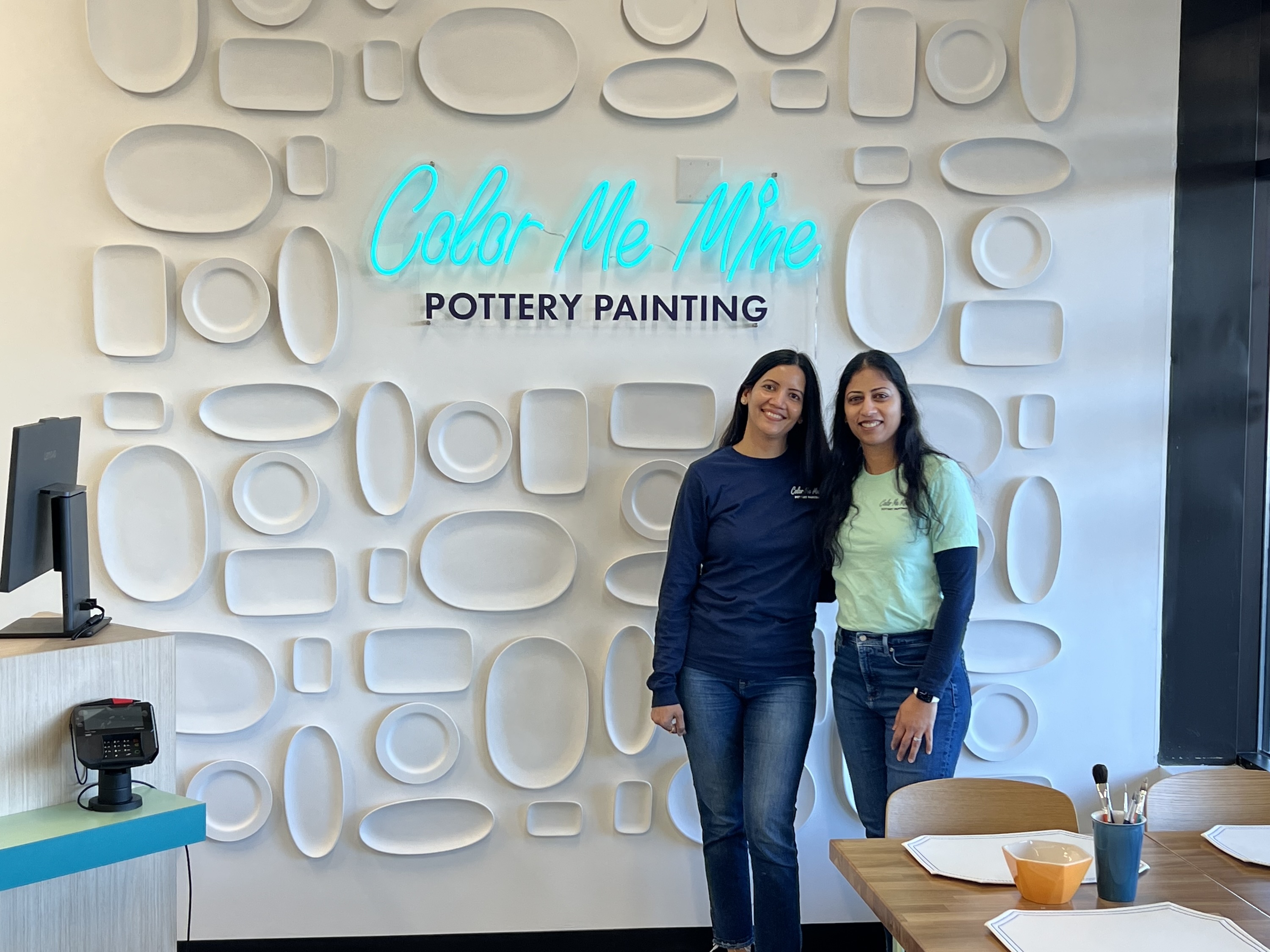
Antima Jain: A Legacy of Education
Jain’s path to entrepreneurship was influenced by her experiences as an educator. Having arrived in the U.S. in 2003 and settling permanently in 2012, she brought a background in commerce and teaching. Her tenure at Kumon provided her with operational discipline, while her role as a mother gave her the patience required to guide customers through the artistic process. With her children now in college, the studio represents a new chapter of professional growth.
Pooja Choudhary: The Analytical Edge
Choudhary, an electrical engineer by training, brought a different set of skills to the partnership. Beyond her role at the studio, she manages an investment property business, providing a layer of financial and strategic acumen. Her ability to balance the technical aspects of business management with the creative demands of the studio has been instrumental in the company’s early success.
Operational Realities and Challenges
While the public face of the studio is one of tranquility, the "back of house" reality is a fast-paced environment of constant adjustment.
The Staffing Hurdle
One of the most significant, and perhaps unexpected, challenges has been human resources. Managing a team of part-time employees, primarily high school and college students, requires a continuous cycle of hiring and training. Jain and Choudhary have embraced this reality, viewing their studio as a mentorship ground for young students. However, the churn rate inherent in this demographic requires constant administrative oversight.
The Art of Crisis Management
In the world of ceramics, perfection is elusive. Occasionally, a piece will not survive the kiln firing process—a heartbreaking moment for a customer who may have spent hours on their creation.
"Calling customers when something happens to their pottery in the kiln… is hard," Jain admits. "It happens very rarely—we estimate less than 1% of pieces—but we still dread those calls."
Their response to this challenge reflects their commitment to the customer experience. By offering replacement pieces and waiving studio fees, they turn a potential disaster into a demonstration of their brand’s integrity.
Implications for Future Growth
The success of the Edina Color Me Mine is not merely measured in revenue, though they have seen impressive results, reaching the top 25 in the franchise’s national sales rankings. The true implication of their success lies in their ability to scale a business model that is fundamentally rooted in human connection.
Scaling the Vision
Jain and Choudhary have their sights set on expansion. They aim to break into the top five of the franchise’s national sales rankings and have expressed a desire to open additional locations. "If I open another studio, I’ll do it with Pooja," Jain states, underscoring the strength of their partnership.
Community Integration
Their strategy for growth is deeply embedded in local engagement. By joining the chamber of commerce, participating in school fundraisers, and running recurring promotions, they have transformed their studio into a community hub. Their approach highlights a vital lesson for modern entrepreneurs: a successful retail business is not just a place to buy goods; it is a place where a community feels heard, seen, and celebrated.
A Model for Partnership
For aspiring entrepreneurs, the Edina studio offers a blueprint for success:
- Shared Values: Start with a partner who shares your vision and work ethic.
- Prioritize the Relationship: Formalize the commitment to communication before challenges arise.
- Leverage Systems: Utilize the support of a franchise to mitigate the risks of starting from scratch.
- Embrace the Human Element: In a digital world, physical spaces that foster creativity and connection are more valuable than ever.
As Jain and Choudhary look toward the future, they remain guided by the same alignment that brought them together a decade ago. Whether they are helping a nervous suitor find the perfect tray or managing the complexities of a bustling studio, their focus remains fixed on the people they serve. In the end, the pottery is merely the medium; the masterpiece is the community they are building together.
