

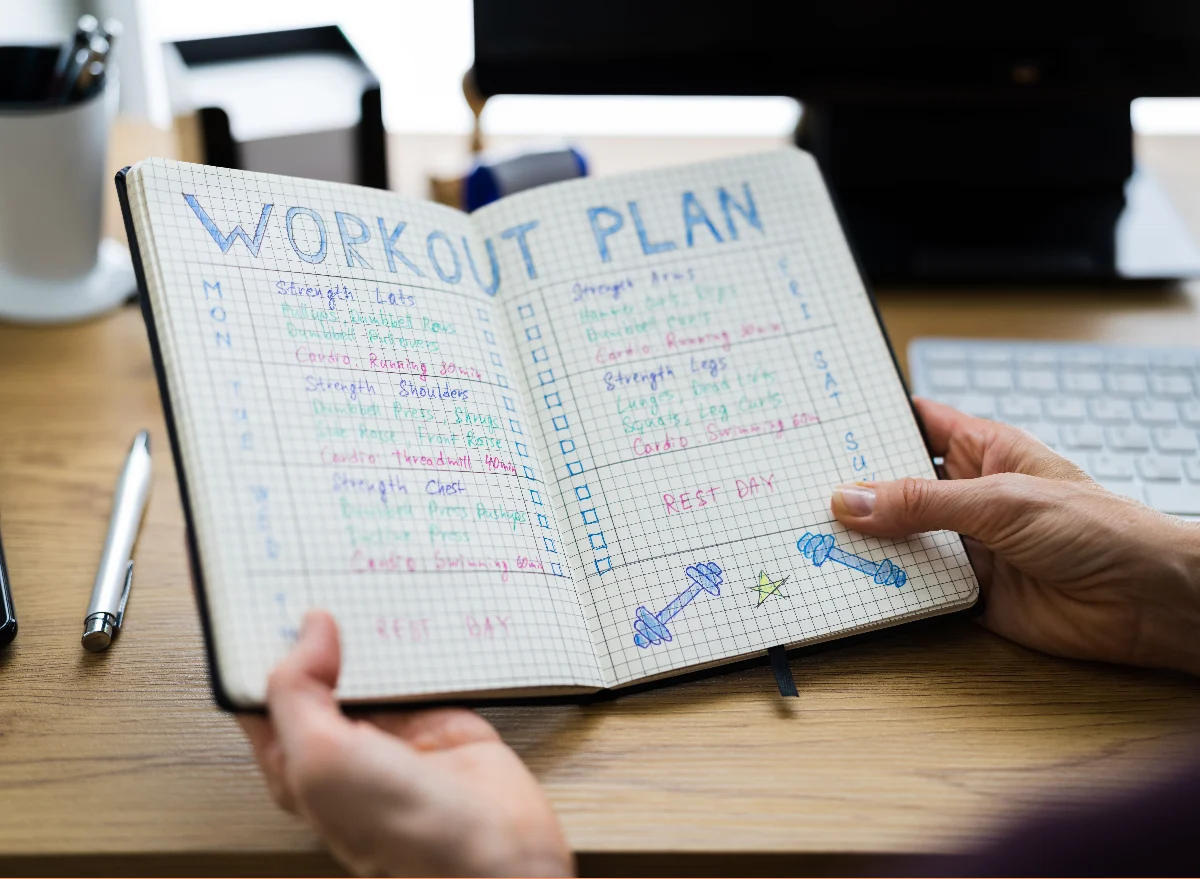
As we cross the threshold into our sixties, a quiet transformation occurs within the skeletal system. While the exterior remains unchanged, the structural integrity of our bones—the very scaffolding of our lives—often begins to falter. For many, this process is invisible, marked not by pain, but by a gradual, porous thinning that only becomes apparent following a minor trip or a routine clinical scan.
However, modern medical consensus and decades of personal training expertise suggest that this decline is not an inevitable consequence of aging. Instead, it is largely a result of disuse. When we stop asking our bones to perform demanding tasks, the body, in its efficiency, strips away density to conserve energy. This article explores how five specific, high-impact morning movements can act as a natural, more effective alternative to supplemental bone health, potentially reversing the tide of bone density loss.
The Physiology of Bone Loss After 60
To understand why our bones weaken, we must first view them as living, adaptive tissue rather than static calcium deposits. By the age of 60, women have often lost up to 20 percent of their peak bone mass, with men experiencing a similar, if slightly delayed, decline.
The Myth of Natural Decline
The prevailing narrative suggests that bone density loss is an unavoidable byproduct of the aging process. While hormonal shifts—specifically the decline in estrogen after menopause and lower testosterone levels in men—significantly impact bone mineral density, they are not the sole culprits. The primary driver of bone atrophy in the modern era is the lack of "mechanical loading."
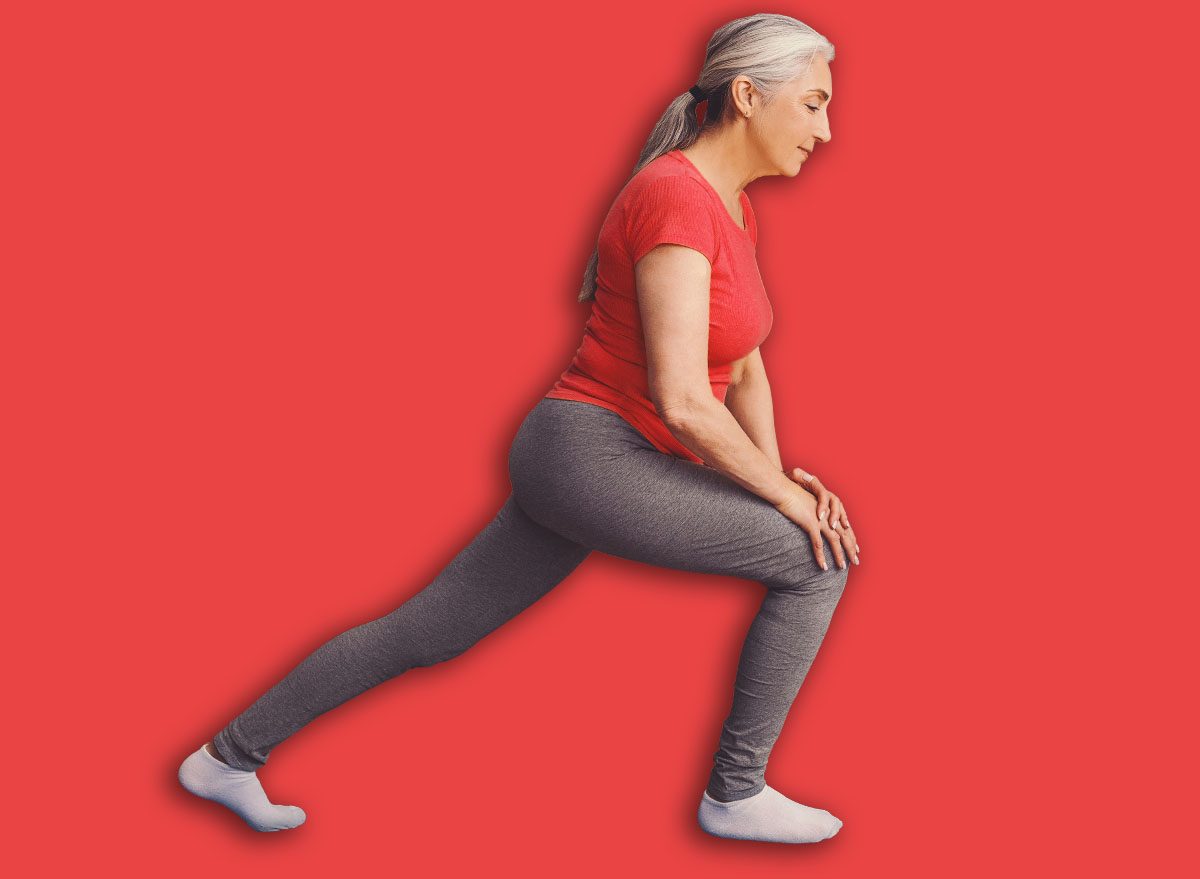
Our ancestors lived lives that demanded constant, varied physical labor. Today, we exist in a sedentary environment: we sit for hours, walk on cushioned surfaces, and rarely carry significant weight. Without the daily challenge of gravity and resistance, the body assumes that high-density bone is an unnecessary metabolic luxury. Consequently, it lowers the "maintenance level" of the skeletal structure, leaving us vulnerable to fractures from incidents that would have resulted in nothing more than a bruise in our younger years.
The Supplement Fallacy
Many turn to calcium and vitamin D supplements to combat osteoporosis. While these are essential building blocks for bone health, they are incomplete solutions. Think of supplements as the delivery of bricks to a construction site; without a foreman to direct the labor, those bricks will simply sit in a pile. "Loading"—the act of placing mechanical stress on the bone—is that foreman. It is the only signal the body recognizes as a command to initiate the bone-building process.
The Science of Wolff’s Law: Why We Must "Load" Our Bones
The foundation of bone training is Wolff’s Law, a principle established in the 1890s by German anatomist Julius Wolff. It states that bone in a healthy person will adapt to the loads under which it is placed. If you increase the load on a bone, it will remodel itself over time to become stronger.
When you perform exercises that involve impact or resistance, you trigger osteoblasts—cells responsible for bone formation. These cells recognize the mechanical stress as a need for increased density and begin depositing minerals into the bone matrix. This process is the gold standard for long-term skeletal health, far outpacing the efficacy of pharmaceutical interventions alone.
A 10-Minute Morning Protocol
Consistency is the greatest hurdle in any fitness regimen. By integrating these five movements into your morning routine, you capitalize on two advantages: habit-forming consistency and "priming" the body for an active day.
1. Heel Drops
This exercise sends a controlled impact wave up through the heels, hips, and spine—the "holy trinity" of fracture-prone areas in seniors.
- The Technique: Stand tall, rise onto your toes, and then drop your heels firmly to the ground.
- The Benefit: Research indicates that even 20 heel drops daily can lead to measurable increases in hip bone density.
- Pro-Tip: Ensure your landing is controlled but firm to create the necessary stimulus.
2. Bodyweight Squats
Squats are the most efficient full-body loading exercise. They simultaneously stress the hips, femurs, and spine.
- The Technique: Maintain a stable, upright posture, lowering yourself as if sitting in a chair.
- The Benefit: By moving through a natural range of motion, you simulate the weight-bearing tasks our bodies were designed to perform.
- Form Tip: Adopt a tempo of two seconds down and one second up to maximize the training stimulus.
3. Reverse Lunges
Unilateral (one-sided) training is critical. When you lunge, you double the load on the working leg, forcing the hip and femur to support your entire body weight independently.

- The Technique: Step backward into a lunge, keeping your front shin vertical.
- The Benefit: This addresses the imbalances often associated with aging, building stability alongside density.
4. Wall Press-Ups
Wrist and shoulder fractures are the second most common injury after hip fractures.
- The Technique: Facing a wall, place your hands at shoulder height and perform a controlled push-up.
- The Benefit: This loads the upper body in a safe, scalable manner.
- Progressive Loading: Once the wall feels easy, move to a kitchen counter to increase the angle and the load.
5. Standing Stomping March
For those who cannot jump or hop, this is the premier high-impact alternative.
- The Technique: March in place, lifting your knees and striking the ground firmly with the whole foot.
- The Benefit: It provides a sustained impact stimulus for 60 seconds, which is essential for maintaining lower-leg integrity.
Chronology of Progress: What to Expect
It is vital to understand that bone tissue remodels much slower than muscle tissue. Expecting results in a week is unrealistic, but the trajectory of change is well-documented.
- Month 1 (The Neural Phase): You will not see bone changes on a scan, but you will feel significantly steadier. The primary changes here are neuromuscular—your balance and coordination improve, which is the first line of defense against falls.
- Months 3 to 6 (The Remodeling Phase): Bone mineral density begins to shift. If you undergo a DEXA scan during this window, you may begin to see the early signs of improved structural density.
- Month 12 (The Consolidation Phase): Consistent practitioners often see density improvements of 2 to 5 percent. While this may seem modest, it is statistically significant in the context of fracture prevention.
Implications for Independent Living
The implications of this 10-minute daily investment extend far beyond bone scans. Skeletal health is perhaps the strongest predictor of one’s ability to live independently into their 80s and beyond.
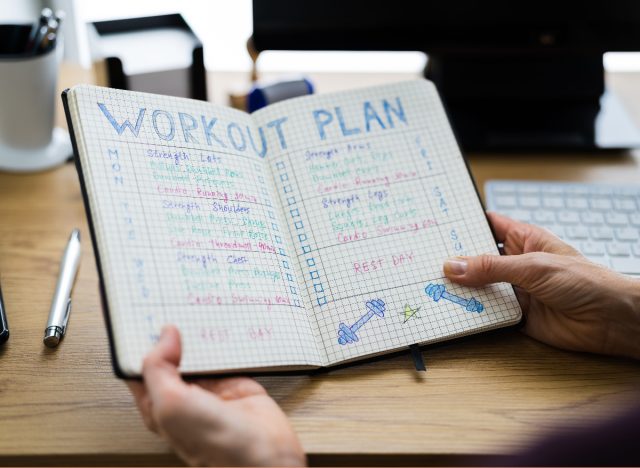
When you neglect your skeletal structure, you are not just risking a fracture; you are restricting your future autonomy. The goal of this protocol is not to create elite athletes, but to ensure that the body remains a resilient vehicle for life. By treating bone density as a daily practice rather than a medical concern, we reclaim our ability to walk, travel, and live with the confidence that our bodies are strong enough to support our ambitions.
Final Recommendations for Success
To achieve the best results, treat this routine as a non-negotiable morning appointment.
- Frequency: Aim for 5–6 days a week. Your bones need the stimulus, but they also require recovery time to deposit new tissue.
- Progressive Overload: After the first month, do not stay stagnant. Add a second set, increase your reps, or extend the duration of your stomping march. If the stimulus does not increase, the bone-building signal stops.
- The "Stacking" Effect: Supplement this routine with a 20-minute daily walk. While walking is not a high-intensity stimulus, it "stacks" loading time and supports metabolic health, which is vital for overall bone homeostasis.
In conclusion, the path to bone longevity is not found in a pharmacy aisle. It is found on your living room floor, in the rhythmic, deliberate act of loading your bones against the force of gravity. By committing to these small, daily transactions, you are investing in the most important asset you possess: your future mobility.
