

In an era where the automotive landscape is increasingly dominated by heavy, battery-electric SUVs and the relentless march toward complete electrification, the humble internal combustion engine (ICE) supermini has become an endangered species. Yet, as the industry pivots toward a high-voltage future, one car remains a stubborn, vibrant outlier: the Mini Cooper C. After a 6,000-mile long-term test, the question of whether the petrol hot hatch is a "spent force" has been answered with a resounding "no."
Main Facts: A Familiar Face with New Ambitions
To the casual observer, the new Mini Cooper appears to be a radical departure. However, peeling back the stylish, minimalist bodywork and ignoring the avant-garde knitted dashboard reveals a truth that purists will find comforting: beneath the skin, this is a sophisticated evolution of the platform that has underpinned the Mini since 2013.
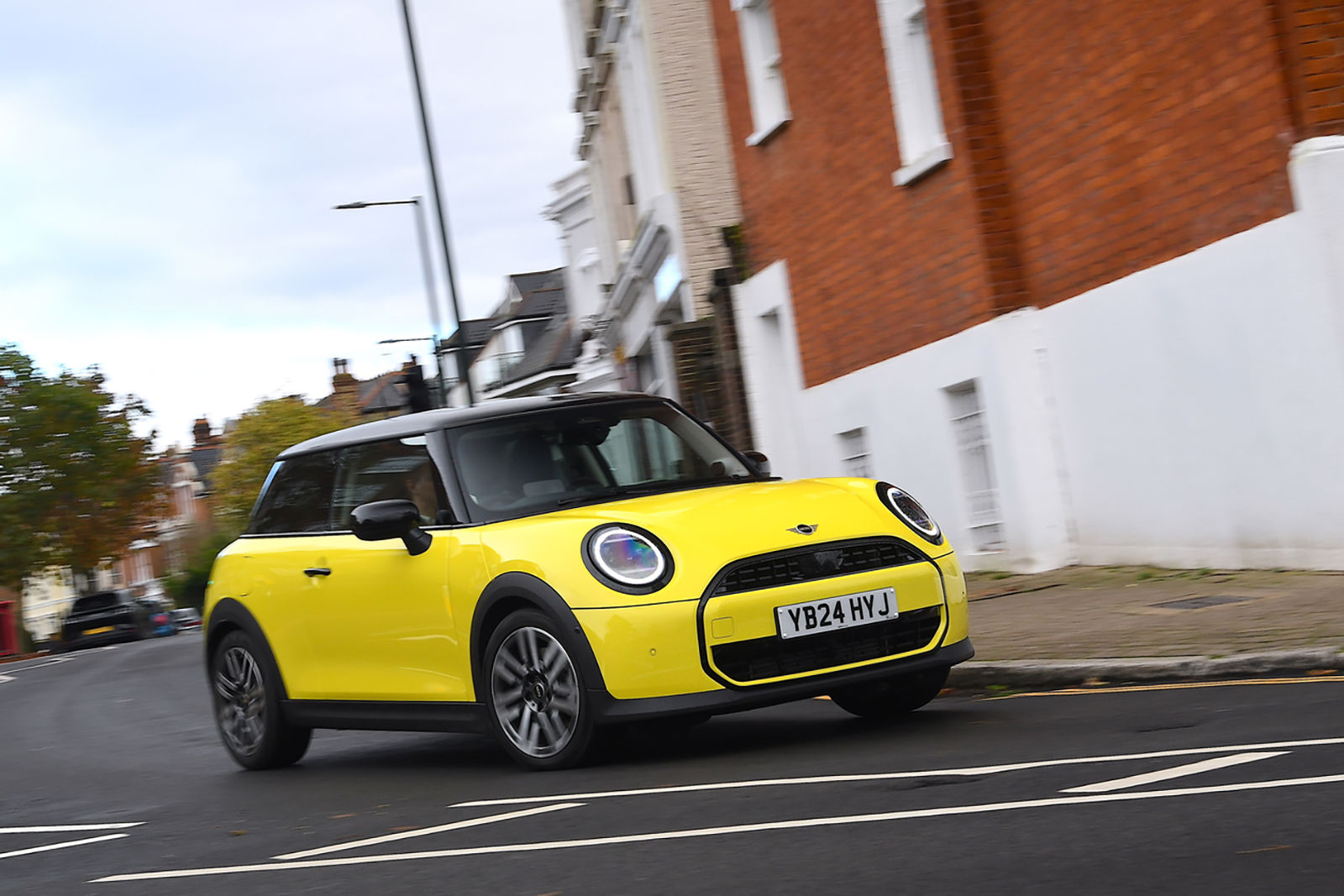
While its electric sibling—built in China on a new platform co-engineered with Great Wall Motor—represents a clean-sheet design, the ICE-powered Cooper remains a proudly British-engineered product, assembled in Oxford. It sits on the proven FAAR architecture, essentially a heavy, comprehensive facelift of its predecessor.
The lineup is refreshingly straightforward. Buyers can choose between three or five doors, with the powertrain hierarchy restricted to a 1.5-litre turbo triple in the entry-level ‘C’ model or a punchy 2.0-litre turbo four-cylinder in the ‘S’ and John Cooper Works variants. Notably, the industry-wide trend toward electrification has claimed the manual gearbox and diesel engines, leaving the seven-speed dual-clutch automatic as the sole transmission option.
Chronology: Six Months in the Life of a Modern Classic
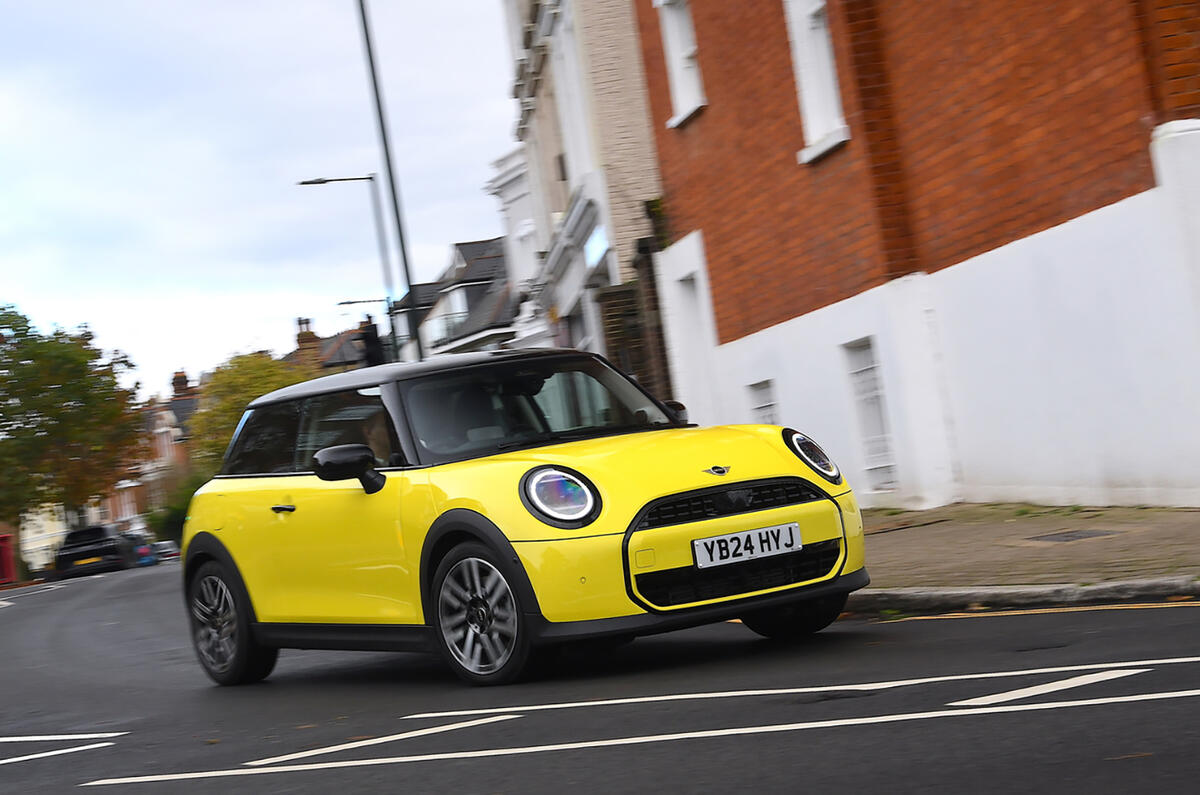
The test vehicle, a three-door Cooper C finished in the vibrant "Sunnyside Yellow," arrived as a "Classic" trim with the "Level 2" equipment pack. Over the course of six months, the car was subjected to everything from the claustrophobic congestion of South London to the freedom of the open road.
The City Grind
In the urban sprawl, the Cooper C proved its worth immediately. Its dimensions, which remain largely unchanged from the original BMW-era Mini of 2000, make it a master of the metropolis. During a particularly challenging weekend in Sutton, the car’s compact footprint allowed it to navigate parking spaces that would have stymied even the most confident SUV driver. The visibility, coupled with high-definition rear-view sensors and cameras, turned what should have been a stressful parking maneuver into a triviality.

The Long Haul
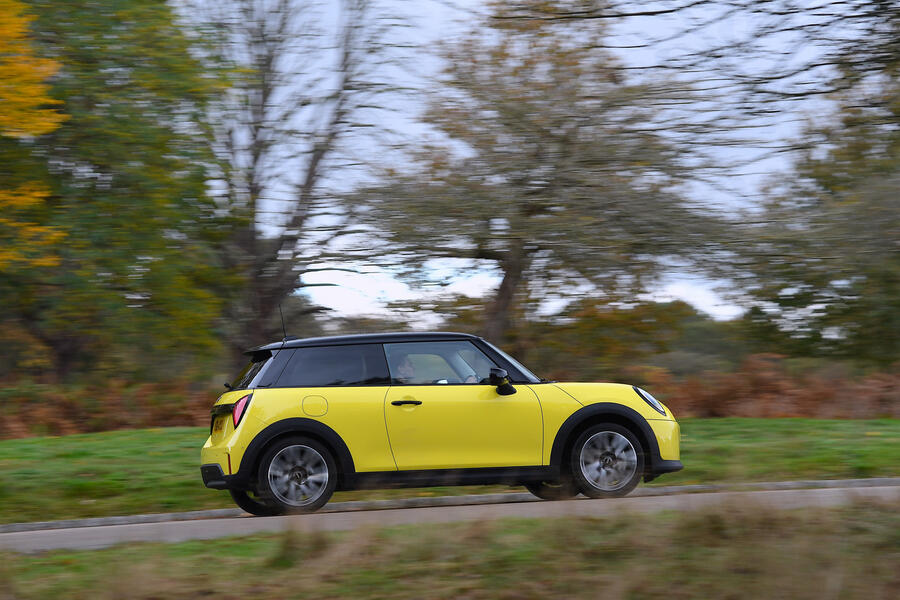
The true test of the Cooper C came when leaving the M25. Unlike the Abarth 500e it replaced—a car limited by a 140-mile real-world range and the inevitable anxiety of public charging infrastructure—the Mini offered the luxury of "petrol-powered liberation." With a 44-litre fuel tank and an engine that consistently delivered near 40mpg, the car allowed for spontaneous long-distance travel without the logistical burden of planning stops around charging networks.
Supporting Data: Efficiency and Practicality
The Mini Cooper C’s performance metrics paint a picture of a car that balances character with daily usability.
- Engine: 1.5-litre 3-cylinder turbo petrol.
- Performance: 154bhp and 170lb ft of torque, resulting in a 0-62mph time of 7.7 seconds.
- Economy: During the 6,000-mile test, the vehicle averaged 39.7mpg, with a best of 43.1mpg.
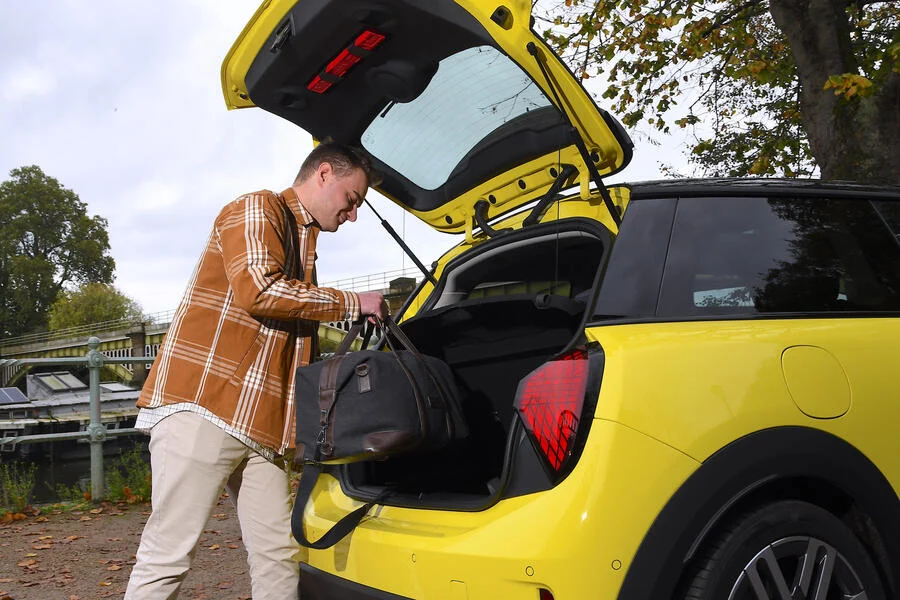
- Versatility: While the 210-litre boot seems modest on paper, the clever packaging allows for 725 litres of space with the rear seats folded, capable of swallowing significant amounts of luggage or garden waste.
The interior, though minimal, represents a premium shift. The circular OLED touchscreen is the centerpiece of the cabin. While it initially presented a learning curve—and a frustratingly clunky integration of Apple CarPlay—it eventually became a seamless part of the daily driving experience once the driver mastered the shortcuts for the start-stop system and speed limit warnings.
Official Perspectives and Market Positioning
Mini’s strategy with the new Cooper is clear: move the brand upmarket to maintain its status as a "heart-over-head" purchase. With a starting price of £23,150, the Cooper enters a precarious market segment. It is not the "people’s car" that the Ford Fiesta once was, nor is it a budget-friendly city car like the Dacia Sandero.
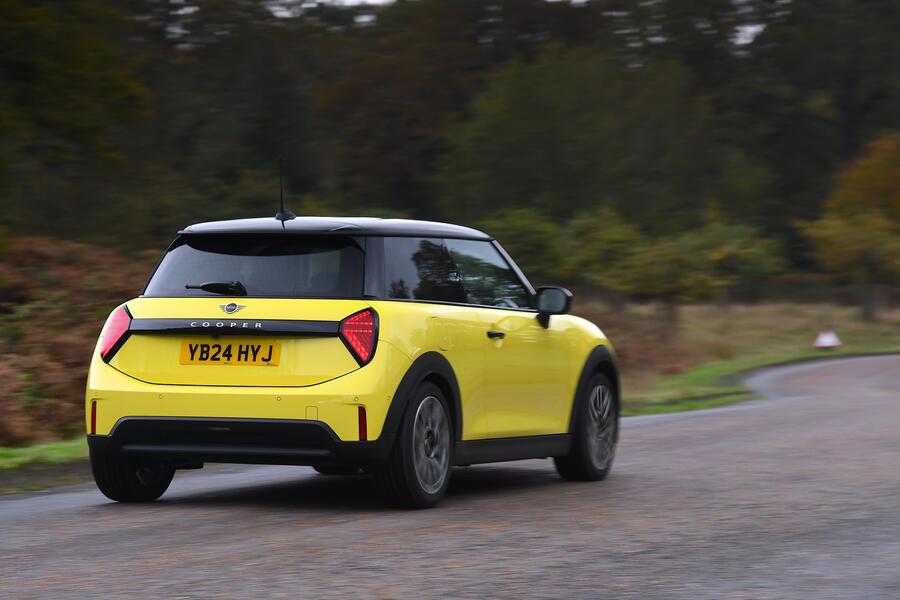
Instead, Mini is positioning itself as a boutique, stylish choice. The company’s design philosophy, characterized by the removal of "unnecessary smockets and trimmings," is a strategic play to reduce manufacturing costs while enhancing the car’s premium appeal. By stripping back the cabin, they haven’t made it cheap; they have made it contemporary and aspirational.
However, the lack of a manual gearbox remains a point of contention. For a car that claims to carry the torch of the John Cooper legacy—a name synonymous with motorsport success—the absence of a stick-shift is, for many enthusiasts, a glaring omission. Yet, in practice, the seven-speed dual-clutch transmission is so well-integrated that the loss is felt more in sentiment than in actual driving engagement.

Implications: The Future of the Small Petrol Car
The departure of the Cooper C to make way for the more powerful, five-door, 201bhp Cooper S highlights a broader industry shift. The petrol-powered supermini is critically endangered. As manufacturers move toward larger, more profitable crossovers to offset the massive costs of EV development, the existence of a car like the Mini Cooper C is a fleeting luxury.
Why It Still Matters
The Mini Cooper C succeeds because it acknowledges its limitations while maximizing its strengths. It does not try to be a family hauler; it accepts its role as a nimble, fun-to-drive, and aesthetically pleasing urban companion. Its reliability and the sheer ease of living with an ICE powertrain in a world obsessed with kilowatt-hours provide a sense of liberation that is becoming increasingly rare.
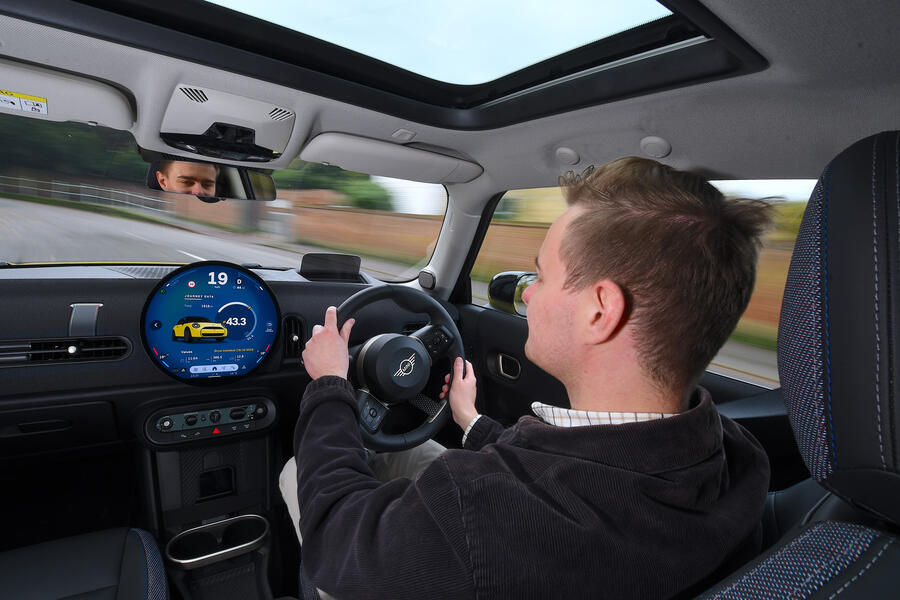
The Verdict on the "Spent Force" Argument
If the petrol hot hatch were a spent force, it would be a car that feels like a compromise. The Mini Cooper C feels like anything but. It feels slick, fresh, and remarkably refined at high speeds. Even with the "F66" chassis roots dating back over a decade, it manages to hold its own against newer rivals.
The transition from the entry-level C to the more powerful S variant will undoubtedly bring more speed and more kit, but it will be hard-pressed to replicate the effortless, cheerful, and simple joy that the base model provided over its 6,000-mile tenure.
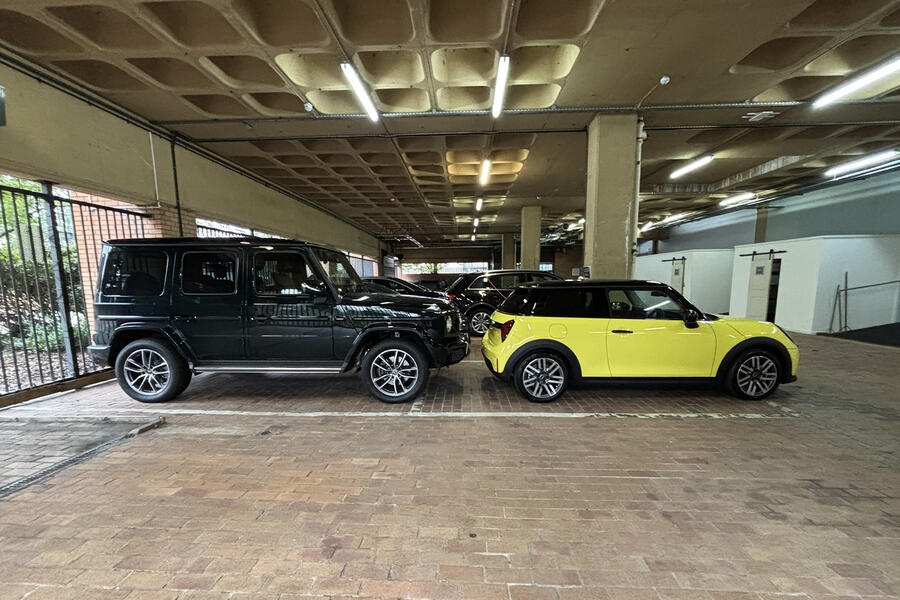
For those who still value the visceral, uncomplicated experience of a small, petrol-driven car, the Mini Cooper C is not just a remnant of the past. It is a reminder that, even in the twilight of the internal combustion engine, there is still room for cars that prioritize character over compliance and driving pleasure over pure utility. It may not be the cheapest car on the market, nor the most practical, but it remains one of the most essential for those who believe that driving should be a passion rather than a chore.
