

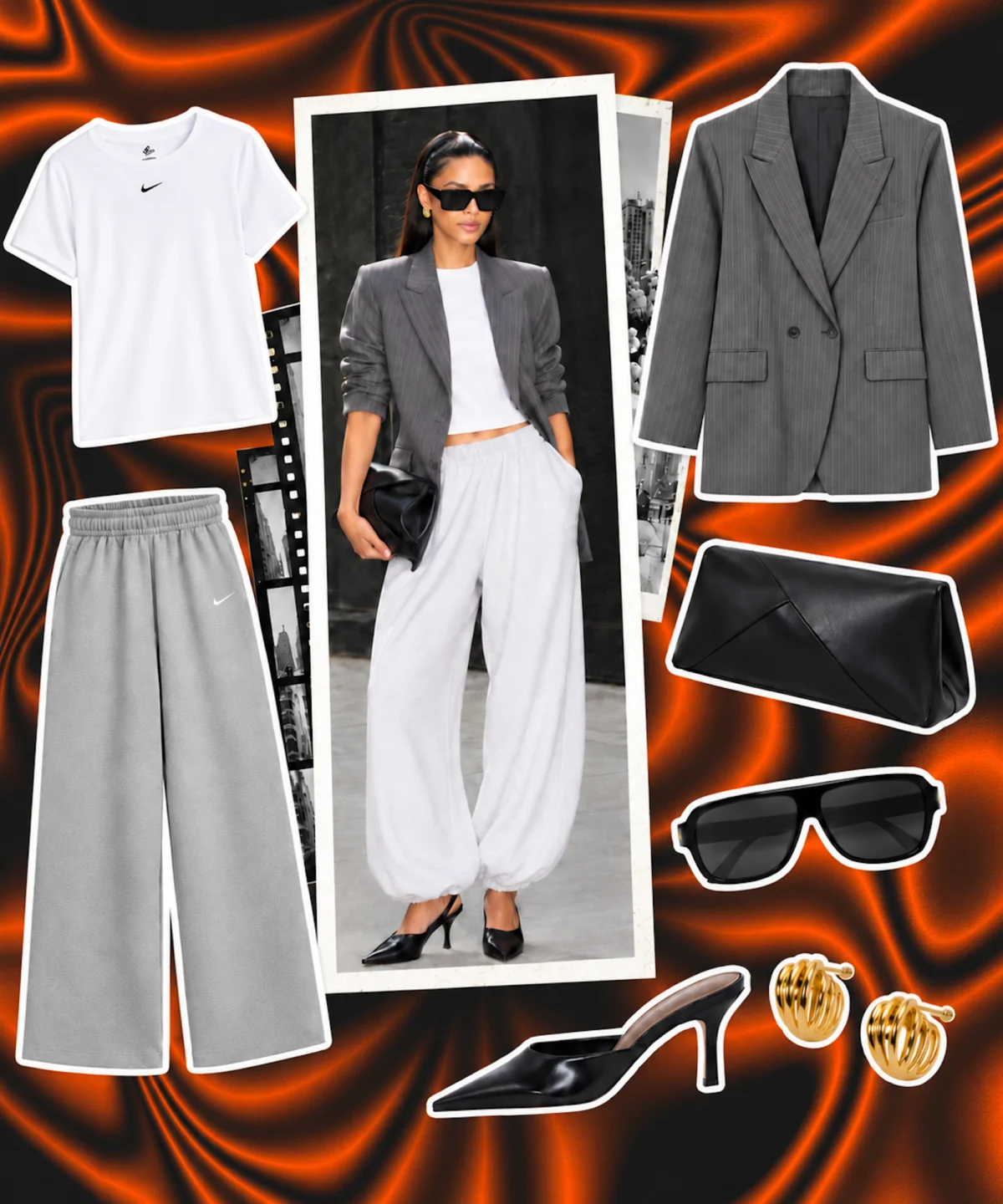
There is a specific, unparalleled thrill in the art of the "reveal." You are at a brunch or a gallery opening, and someone leans in to compliment your ensemble, likely assuming it is a designer curation. When you casually mention that the foundation of the look cost less than a round of cocktails—perhaps a crisp $65 find—the dynamic shifts.
The secret that fashion insiders have known for decades is that looking expensive has remarkably little to do with the price tag on the garment. It is not a matter of capital; it is a matter of contrast. The "High-Low" philosophy—the practice of pairing accessible, utilitarian basics with sharp, high-end accents—is the cornerstone of modern style. It is the visual equivalent of a well-balanced portfolio, ensuring that your aesthetic remains both grounded and elevated.
The Foundation: Why Basics Are the New Luxury
In the current fashion landscape, the definition of luxury has shifted. It is no longer about ostentatious logos or heavy embellishments; it is about silhouette, proportion, and the "clean line." Brands like Nike have mastered this language, offering staples that serve as the architectural backbone of a wardrobe.
When you treat a fleece crewneck or a pair of high-quality sweatpants not as "lounge clothes" but as neutral canvas pieces, you unlock a new spectrum of styling potential. The goal is to move these items out of the living room and into the streets, proving that the most versatile items in your closet are often the most affordable ones.
The Anatomy of the High-Low Formula
The strategy is simple: start with the uncomplicated—the white T-shirt, the go-to hoodie, the reliable sweatpant—and introduce "pizzazz." This could be a sharply tailored blazer, a structured leather bag, an architectural skirt, or refined footwear. By mixing these worlds, you create a tension that the eye finds inherently interesting. Below, we break down the five essential formulas that transform budget-friendly staples into a high-fashion statement.
1. The Power of Structure: The Simple Tee + The Boxy Blazer
The most common mistake when styling sweatpants is allowing the entire outfit to descend into "slouchy" territory. To master this look, you must inject structure.
A boxy, oversized blazer provides the perfect counterweight to the softness of a cotton jogger. When you anchor this with a high-quality, fitted white tee, you create a sense of intentionality. The secret lies in the accessories: avoid the temptation to pair this with more athletic gear. Instead, reach for a sleek, structured clutch, a pair of sculptural gold earrings, and pointed-toe mules. This juxtaposition of "gym comfort" and "boardroom structure" is what signals to the world that your look is a deliberate choice, not an accident.
2. The Sophistication of Contrast: The Crewneck + Slip Skirt
There is a poetic friction in pairing a sweatshirt with a satin midi-skirt. The crewneck, with its sporty, utilitarian roots, acts as a grounding force, stripping away the "preciousness" often associated with delicate fabrics like silk or satin.
The result is an outfit that feels entirely unbothered. To keep the look sophisticated rather than sloppy, lean into high-end finishes: a polished leather shoulder bag and slim, vintage-inspired sunglasses. By finishing with a clean, low-profile sneaker, you create a look that is perfectly suited for a transition from a creative office environment to an evening gallery stroll.
3. Playing with Proportion: The Simple Tank + Wide-Leg Trouser
A great tank top is a blank slate, but it requires a strong silhouette to make it pop. By pairing a close-fitting, ribbed tank with exaggerated, wide-leg trousers, you are playing with the fundamental rules of proportion.
This combination is inherently "directional," meaning it looks like it came straight off a runway. To define the waist against all that volume, a statement belt is non-negotiable. It gives the eye a focal point and anchors the silhouette. When paired with a compact bag and a kitten heel, the result is a masterclass in minimalism. It proves that you don’t need complicated layering to make a statement—just the right fit.
4. The High-Fashion Hybrid: The Sweatpants + The Trench + Pretty Flats
For those who are hesitant to wear sweatpants outside of the home, the trench coat is your greatest ally. A classic, camel-colored trench coat adds an instant veneer of polish to any outfit, including a matching hoodie-and-pant set.
However, the real "fashion girl" secret here is the footwear. By opting for a delicate, lace-up ballerina flat instead of a sneaker, you create a sophisticated tension. The sportiness of the sweats against the delicacy of the shoe creates a visual intrigue that is both unexpected and deeply chic. Minimalist, "barely-there" sunglasses complete the look, allowing the texture of the trench and the comfort of the sweats to remain the stars of the show.
5. The Preppy Evolution: The Quarter Zip + The Mini Skirt
The quarter-zip sweater has officially shed its purely athletic skin. When styled with a clean, A-line mini skirt, the piece takes on a preppy, collegiate edge.
The key here is tonal cohesion. By keeping your color palette tight—think monochromatic shades of cream, grey, or navy—you force the eye to see the outfit as one cohesive piece of design rather than a collection of random separates. Add a substantial leather tote and scrunched socks to lean into the collegiate aesthetic. It is proof that basics aren’t boring; they are just waiting for better company.
The Implications: Why Intentionality Matters
The shift toward the "High-Low" approach is not just a trend; it is a response to the growing consumer desire for sustainability and longevity. In an era where "fast fashion" cycles move at a breakneck pace, the ability to restyle the same five staples in dozens of different ways is the ultimate skill.
Economic and Environmental Impact
From a financial perspective, this approach encourages "conscious consumption." Instead of buying a new outfit for every event, you are investing in high-quality, high-impact accessories—a great bag, a sturdy pair of loafers, a classic blazer—that can elevate the affordable basics you already own. This reduces the urge to constantly cycle through low-quality trends, effectively shrinking the consumer’s carbon footprint.
Official Industry Perspectives
Fashion stylists and trend forecasters have noted a marked decline in "logomania" and a rise in "quiet luxury" and "foundational dressing." As one industry consultant noted, "The most stylish people in the room are no longer the ones wearing the most expensive items. They are the ones who understand how to make a $65 piece of cotton look like a million dollars through grooming, tailoring, and accessory choices."
Conclusion: The Secret is in the Styling
Ultimately, the high-low formula is about empowerment. It democratizes fashion, suggesting that style is an intellectual exercise—a puzzle to be solved—rather than a contest of who can spend the most.
Whether you are pairing a quarter-zip with a mini skirt or a blazer with sweatpants, the takeaway remains the same: basics are the canvas, and your styling choices are the paint. When you stop looking at your clothes as individual items and start looking at them as components of a larger, cohesive vision, you move from merely getting dressed to creating a signature style.
The next time you reach for that "simple" tee or those "basic" sweatpants, don’t view them as a default. View them as the foundation for your next fashion-forward statement. After all, the best outfits are rarely the ones that cost the most—they are the ones that reflect the most thought.
