

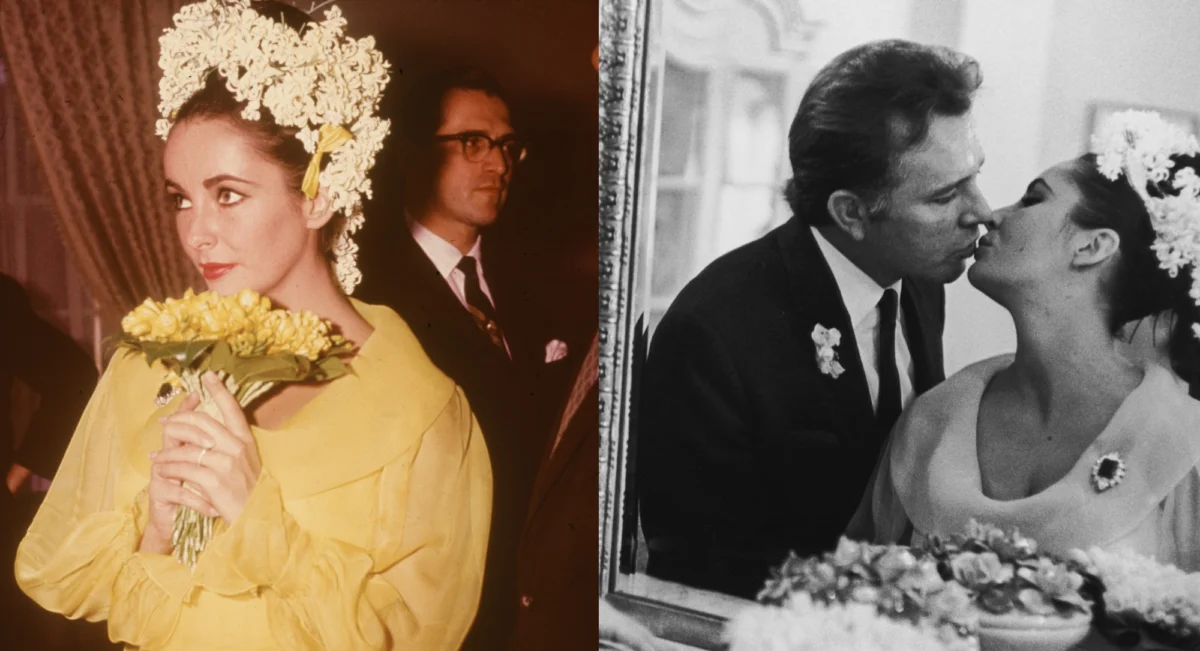
Of all the romances that defined the glitter and scandal of the 20th century, few have left a cultural footprint as indelible as the partnership between Elizabeth Taylor and Richard Burton. Theirs was a high-octane union of intellect, passion, and volatile celebrity that captivated the world, transforming the pair into the original "power couple" long before the term became a staple of modern vernacular. Recently, the 2024 HBO documentary Elizabeth Taylor: The Lost Tapes has brought their story back into the spotlight, offering a poignant re-evaluation of how the media—and the public—consumed the life of one of Hollywood’s most luminous stars.
The Main Facts: A Love Written in Celluloid
The relationship between Taylor and Burton was, at its core, a collision of two worlds. When they met on the set of the gargantuan 1964 production of Cleopatra, Taylor was already cinema royalty, while Burton was a classically trained Welsh powerhouse known for his Shakespearean gravitas. Their onset chemistry was immediate, sparking an affair that was not only public knowledge but also a source of international moral outrage.
They collaborated on over ten films, including the searing, Oscar-winning 1966 drama Who’s Afraid of Virginia Woolf?—a film that mirrored the visceral, often painful, intensity of their real-life domestic battles. Their union was punctuated by two separate marriages (1964 and 1975), millions of dollars in jewelry, and a lifestyle of global jet-setting that defined the excess of the mid-century elite.
Chronology: The Arc of a Turbulent Romance
To understand the trajectory of Taylor and Burton is to understand the pressure of fame under the scrutiny of an unforgiving lens.

- 1962–1963: The Cleopatra affair ignites. The sheer intensity of their connection leads to both of them ending their existing marriages, causing a scandal of seismic proportions.
- March 15, 1964: The first marriage takes place in Montreal. It is a quiet affair by their standards, attended by close associates, including Burton’s personal secretary, Jim Benton.
- 1964–1974: A decade of professional success, immense wealth, and personal turmoil. During this time, the couple becomes known for their collection of rare art and world-class jewels.
- 1974: The first divorce is finalized, a period characterized by intense public speculation regarding their inability to stay together—and their inability to stay apart.
- October 1975: The couple reconciles, marrying for a second time on the banks of the Chobe River in Botswana.
- 1976: The final separation. The second marriage, perhaps an attempt to recapture the magic of the early 60s, dissolves within a year.
Supporting Data: The Jewelry and the Aesthetic
Richard Burton was famously romantic, viewing jewelry not merely as an accessory but as a language of affection. As Taylor noted in her memoir, Elizabeth Taylor: My Love Affair With Jewellery, Burton used every occasion as an excuse to bestow gifts upon her.
The most iconic of these was not a traditional diamond engagement ring, but a Bulgari emerald brooch that Taylor wore on her wedding day in 1964. This piece set the tone for a collection that would eventually include the 32-carat Burmese sapphire pendant and the legendary Krupp diamond, purchased in 1968. These pieces were more than mere assets; they were symbols of a love that was constantly seeking material permanence amidst emotional instability.
The Bridal Style: Defying Convention
Taylor’s wedding attire serves as a testament to her status as a fashion icon. For her first wedding to Burton, she eschewed the traditional bridal white, opting for a golden-yellow, empire-waisted gown designed by Irene Sharaff. Sharaff, who had worked on Cleopatra, created a look that felt both regal and deeply personal.
Her hair was equally revolutionary for the era, a bouffant style accented by a cascading braid and adorned with white hyacinths and lilies of the valley. By integrating natural floral elements into a structured 1960s updo, Taylor inadvertently heralded the "flower power" aesthetic that would define the late 60s.

By 1975, for their second wedding in Botswana, Taylor’s style had evolved alongside the cultural shifts of the decade. She chose a green caftan embellished with avian patterns—a choice that favored comfort, fluidity, and bohemian elegance over the rigid structure of the 1964 gown. It was a reflection of the 1970s desire for freedom and authentic expression.
Official Responses and Public Scrutiny
Perhaps the most telling aspect of the Taylor-Burton phenomenon was the public and institutional reaction. At the height of the 1962 scandal, the outcry was so profound that the Vatican issued a formal rebuke. In a display of moral policing that would be considered extreme by modern standards, there were even calls for Taylor to lose custody of her children.
This reaction highlighted the deep-seated misogyny and double standards of the 20th-century press. As The Lost Tapes suggests, Taylor was frequently painted as a "man-eater" or a home-wrecker, while Burton’s own role in the collapse of his previous marriage was often framed through a lens of artistic passion. The couple’s inability to find privacy made their relationship a performative act, where every fight, reconciliation, and gift of jewelry was fodder for the headlines.
Implications: The Legacy of a Hollywood Archetype
The legacy of Elizabeth Taylor and Richard Burton remains a fascinating case study in the architecture of modern celebrity. They were the first couple to live their lives entirely in the public eye, setting a blueprint for the tabloid culture that would dominate the late 20th and early 21st centuries.

A Re-evaluation
The implications of their story are twofold. First, they represent the apex of "Old Hollywood" glamour—a time when stars were unreachable, mythological figures whose personal lives were as dramatic as their fictional counterparts. Second, the recent documentary work serves as a corrective. It asks us to look past the diamonds and the headlines to see the human cost of being a global icon.
Taylor’s life was defined by a quest for love that was often thwarted by the very fame that brought her everything else. Burton, meanwhile, struggled with the shadow of Taylor’s stardom and his own demons. Their story reminds us that even when two people possess the world’s resources, the fundamental human need for stability and connection remains the most difficult thing to procure.
Conclusion
Elizabeth Taylor and Richard Burton were not merely husband and wife; they were a cultural movement. From the golden-yellow gown of 1964 to the green caftan of 1975, their aesthetic choices reflected the changing tides of the century. Their story, replete with jewelry, drama, and the relentless flash of the paparazzi, continues to resonate because it is a profoundly human tale. By looking back at their union, we aren’t just looking at the history of a marriage; we are examining the history of how we, as a society, relate to the people we place on pedestals. Their romance was, in every sense of the word, an epic—one that continues to be written in the annals of pop culture long after the final curtain has fallen.
