

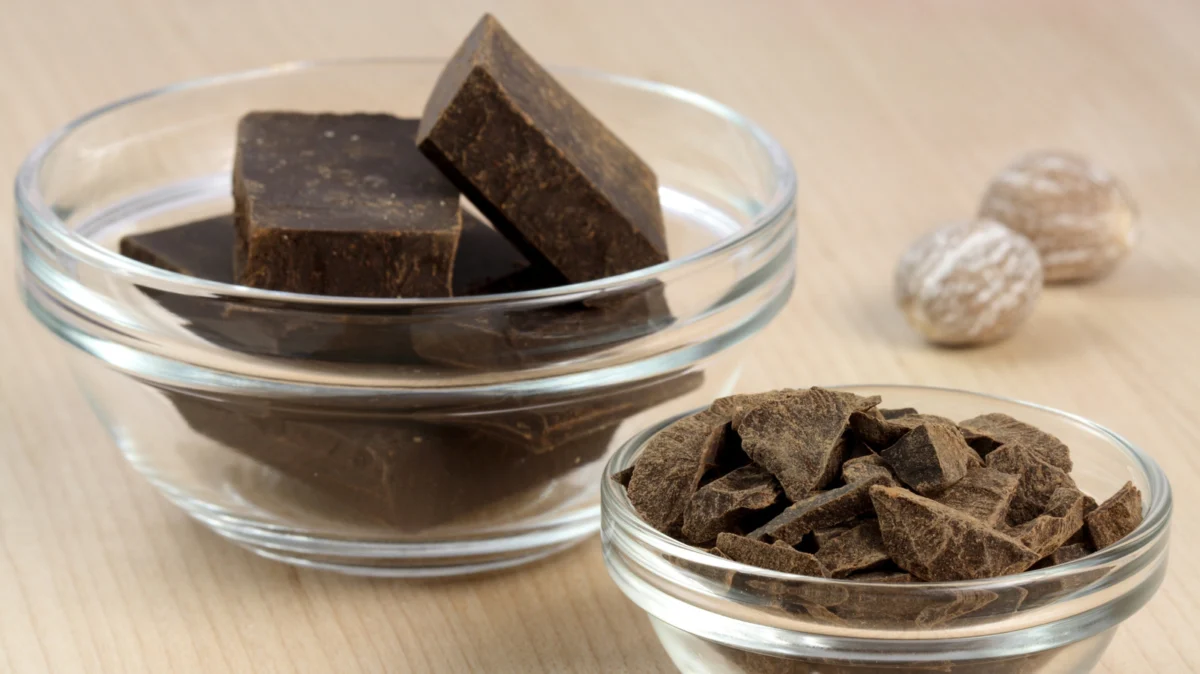
In the world of confectionery, few aisles are as deceptively simple as the baking section. For the casual home baker, the array of chocolate products—ranging from milk and white to the increasingly complex categories of dark chocolate—can be overwhelming. Among these, the confusion between "semi-sweet" and "bittersweet" is perhaps the most persistent. While both are dark chocolates characterized by a high cacao content and a minimal dairy footprint, they are far from interchangeable. Understanding the nuanced chemistry and culinary utility of these two ingredients is the secret to mastering everything from a balanced batch of cookies to a complex, savory mole.
Main Facts: Defining the Dark Spectrum
At the most fundamental level, both semi-sweet and bittersweet chocolates are classified as dark chocolate. They share a similar composition, primarily consisting of chocolate liquor (the ground nibs of the cacao bean), cocoa butter, and sugar. Unlike milk chocolate, which incorporates milk solids to soften the flavor and lighten the color, these two varieties rely on the inherent intensity of the cacao bean.
The primary difference, and the one that dictates their culinary application, is the ratio of cacao to sugar. According to FDA standards in the United States, both must contain at least 35% chocolate liquor. However, in common practice, the distinction is dictated by cacao percentage:
- Semi-Sweet Chocolate: Typically hovers around 60% cacao. It strikes a middle ground, offering a distinct chocolate profile that is tempered by enough sugar to appeal to the general palate.
- Bittersweet Chocolate: Usually contains at least 70% cacao. It is characterized by a deeper, more robust, and significantly more acidic or earthy profile.
It is important to note that the terms "semi-sweet" and "bittersweet" are not strictly regulated as absolute definitions across all global markets. A brand’s "bittersweet" might be 65% cacao, while another’s "semi-sweet" might reach 62%. Consequently, bakers must look beyond the label and examine the cocoa percentage on the packaging to understand exactly what they are introducing into their recipes.
Chronology: The Evolution of Chocolate Consumption
The history of chocolate as a culinary ingredient has undergone a radical transformation. For centuries, cacao was consumed as a bitter, spicy beverage in Mesoamerican cultures. It wasn’t until the 19th century, with the invention of the hydraulic cocoa press by Coenraad van Houten, that manufacturers were able to separate cocoa butter from the solids. This breakthrough allowed for the creation of solid, shelf-stable chocolate bars.
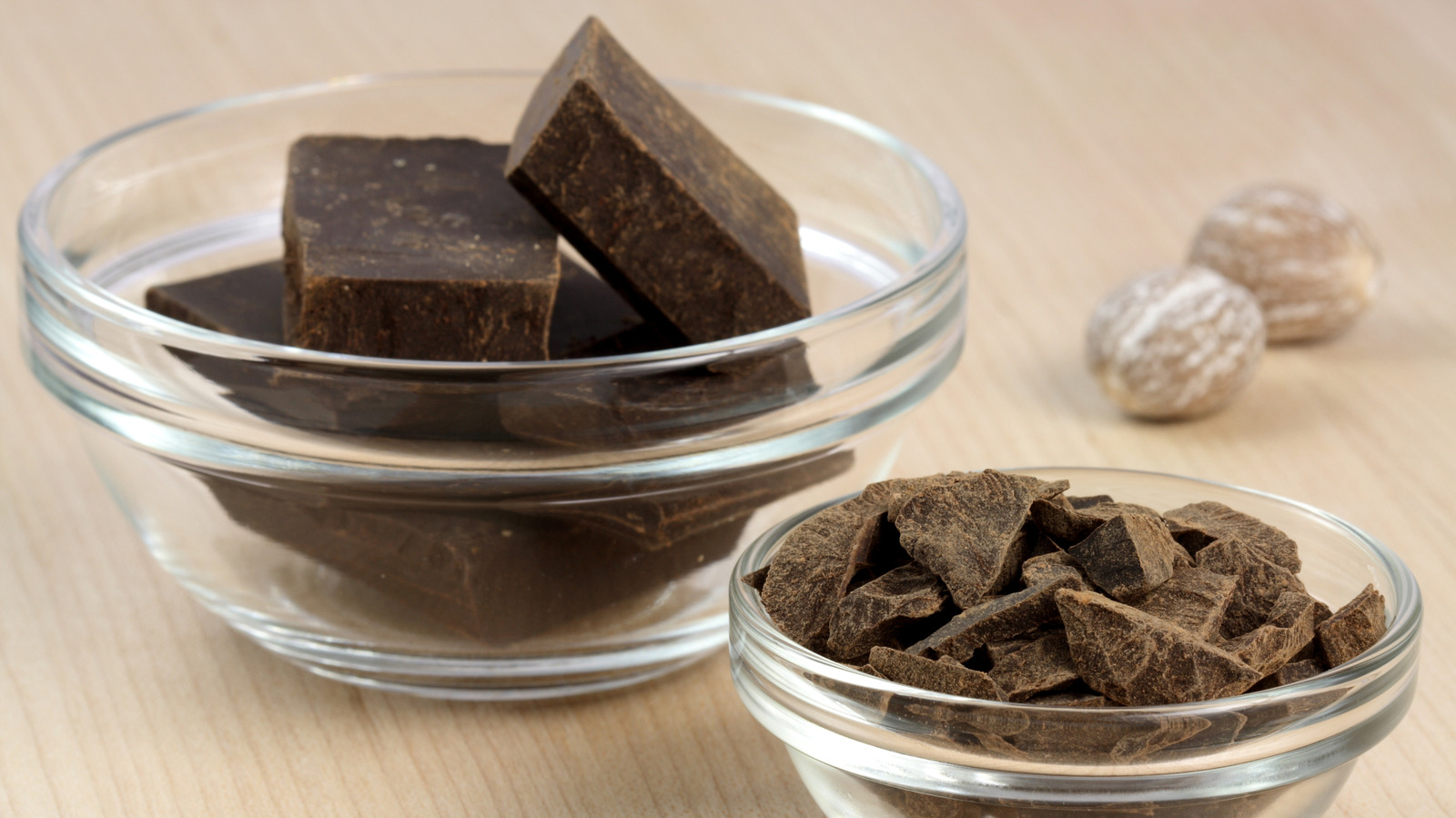
As the industrial age progressed, "sweet" became the dominant consumer preference. Milk chocolate, developed in Switzerland, swept the globe, creating a generational palate accustomed to high sugar levels. However, as the specialty food movement gained momentum in the late 20th century, there was a significant "return to the bean." Consumers began to seek out the health benefits and complex flavor profiles of high-cacao chocolate.
The emergence of the "semi-sweet vs. bittersweet" debate is a direct result of this evolution. As home baking became a hobby rather than a chore, and as high-quality chocolate brands entered the mainstream, the need for precise tools—rather than generic "baking chocolate"—became apparent. Today, the culinary world views these two as distinct instruments: one for integration, the other for elevation.
Supporting Data: The Science of Melt and Flavor
The distinction between these two chocolates is not merely a matter of sugar content; it is a matter of physical behavior. Semi-sweet chocolate generally contains a higher proportion of cocoa butter and emulsifiers like soy lecithin. This creates a lower melting point and a smoother, more fluid texture when melted.
The Emulsification Factor
The presence of soy lecithin in mass-market semi-sweet chips is a deliberate design choice. It prevents the chocolate from seizing during the rapid temperature fluctuations of a home oven. When you bake a chocolate chip cookie, you want the chip to hold its shape while softening, and semi-sweet is engineered to do exactly that.
The Flavor Chemistry
From a sensory perspective, the "bitterness" in bittersweet chocolate is derived from the high concentration of polyphenols and flavonoids found in the cacao bean. These compounds are inherently astringent. When the cacao percentage rises above 70%, the palate begins to perceive the "terroir" of the chocolate—the subtle notes of red fruit, tobacco, wood, or citrus that characterize different growing regions.
In contrast, semi-sweet chocolate is designed to be a "bridge" ingredient. The sugar content, while lower than that of milk chocolate, is sufficient to mask the harshness of the tannins, making it a reliable, crowd-pleasing option for desserts where the chocolate is intended to complement, rather than dominate, the flavor profile.
Official Perspectives: How Professionals Use Them
Industry experts and pastry chefs have long debated the boundaries of these ingredients. In a professional kitchen, "bittersweet" is almost exclusively the default for high-end applications.
"When we are crafting a mousse or a ganache where the chocolate is the primary structural and flavor component, we want the depth of a 70% or higher bittersweet," says one industry consultant. "The goal is to avoid an overly cloying sweetness. If the recipe needs sugar, we prefer to add it ourselves, rather than relying on the sugar already baked into the chocolate."
Conversely, the use of semi-sweet is seen as a strategic choice for moisture and balance. In recipes like brownies or dense chocolate cakes, semi-sweet provides a level of sweetness that balances the bitterness of the cocoa powder used in the batter. It is an act of calibration: the chef is balancing the acidity of the batter with the relative sweetness of the chips or chunks.
Implications: Making the Right Choice in Your Kitchen
Choosing between these two is not about which is "better"—it is about what you want your final dish to communicate.
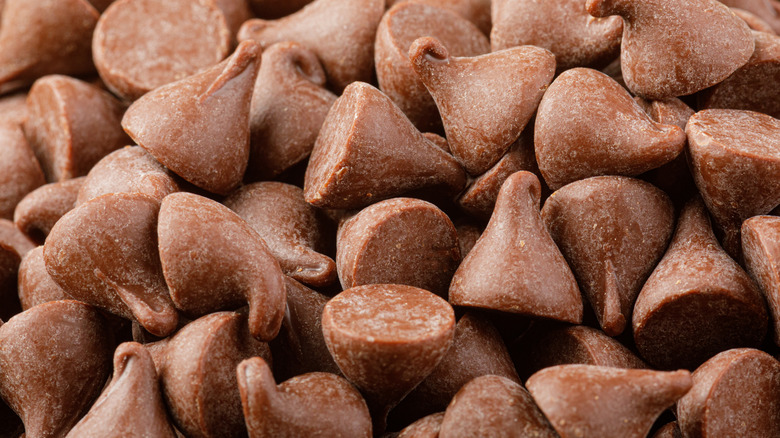
When to Choose Semi-Sweet:
- Crowd-Pleasing Cookies: Use semi-sweet when the cookie dough is the star. Its moderate sweetness ensures that the overall experience remains consistent.
- Dipping and Glazing: Because of its higher cocoa butter content and emulsifiers, semi-sweet melts more reliably for chocolate-dipped strawberries, truffles, or ganache coatings.
- Kid-Friendly Desserts: If the audience has a standard sweet tooth, the milder profile of semi-sweet will be more approachable.
When to Choose Bittersweet:
- The "Chocolate-Forward" Dish: If you are making a flourless chocolate cake, a classic mousse, or a pot de crème, bittersweet is mandatory. It provides the intensity required for a sophisticated dessert.
- Savory Applications: In dishes like Mexican mole or a savory chili, the depth of bittersweet chocolate is essential. The bitterness acts as a seasoning, cutting through the richness of fats and the heat of peppers.
- Balancing High-Sugar Components: If you are creating a dessert with other sweet elements—such as a salted caramel pairing or a fruit-heavy tart—bittersweet chocolate provides the necessary "bite" to cut through the sugar.
The "Substitution" Trap
Can you swap them? In a pinch, yes. If a recipe calls for semi-sweet and you only have bittersweet, you can compensate by adding a tablespoon or two of granulated sugar to your recipe. Conversely, if a recipe calls for bittersweet and you only have semi-sweet, reduce the sugar in the recipe slightly to prevent the final product from becoming overwhelmingly sweet.
Conclusion
The divide between semi-sweet and bittersweet chocolate is a testament to the sophistication of modern baking. It represents a transition from viewing chocolate as a mere "sweetener" to recognizing it as a complex, multifaceted ingredient. By understanding the chemical properties and the flavor profiles of these two staples, the home cook can move beyond following instructions and begin to manipulate the flavor architecture of their desserts. Whether you are seeking the comforting, reliable sweetness of a classic semi-sweet chip or the profound, complex intensity of a 70% bittersweet bar, your choice will ultimately define the character of your culinary creation.
