

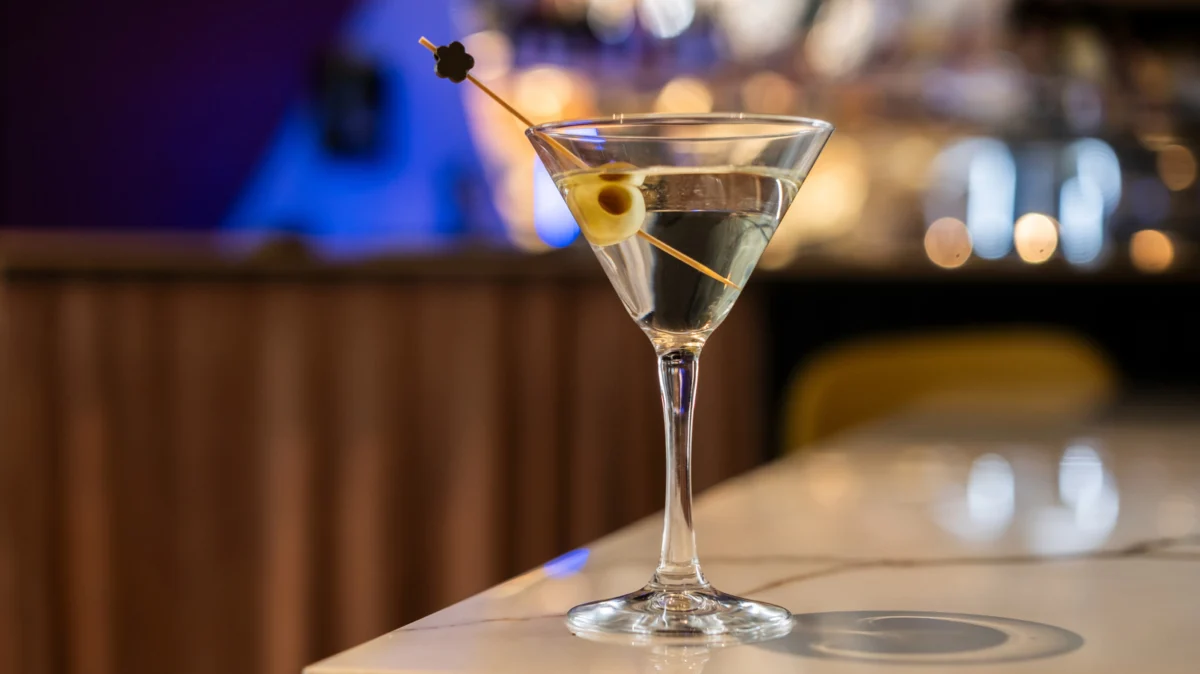
The martini is more than a cocktail; it is an icon of sophistication, a minimalist masterpiece that has defined the landscape of global bar culture for over a century. While the classic gin-and-vermouth preparation remains the gold standard, the "dirty" martini—enriched with a splash of olive brine—has surged in popularity as the definitive choice for those who crave a savory, complex, and unashamedly bold drinking experience. However, there is a yawning chasm between a standard bar-poured martini and the transcendent version you can craft at home.
The secret to elevating this cocktail from a simple drink to an experience of "quiet luxury" lies not in obscure ingredients, but in the rigorous application of physics and an intimate knowledge of cocktail vernacular. By mastering the temperature of your glassware and the nuances of martini terminology, you can create a drink that is not only better than the one served at your local watering hole but tailored perfectly to your palate.
The Science of the Chill: Why Temperature is Everything
The most critical, yet frequently overlooked, element in crafting a world-class dirty martini is the temperature of the glass. The martini is, by design, a high-ABV (alcohol by volume) beverage. Even after the dilution process—where stirring with ice introduces water and lowers the alcohol content—a standard martini typically hovers between 28% and 30% ABV. At room temperature, or even in a glass that has been merely rinsed with cold water, the ethanol’s "burn" can quickly overwhelm the delicate botanical profiles of the gin or the clean, crisp neutrality of a high-quality vodka.
The Frozen Glass Imperative
A frozen glass—ideally pulled directly from the freezer—acts as a thermal anchor. Because a martini is meant to be sipped slowly, it faces the constant threat of thermal degradation. As the drink warms, the olive brine loses its crisp, saline edge, and the alcohol becomes increasingly sharp and aggressive. When the liquid hits a frozen vessel, it maintains a consistent, icy viscosity. This texture is essential to the "mouthfeel" that martini enthusiasts prize. A cold glass transforms the drink, making the botanical notes—such as the juniper berries in gin—feel more cohesive and restrained, while keeping the saltiness of the brine sharp and refreshing. Without this step, you are essentially nursing a salty shot; with it, you are enjoying a luxurious, evolving cocktail.
Chronology: The Evolution of the Dirty Martini
To understand the martini, one must look at the history of the cocktail itself. While the exact origins are debated, the martini emerged in the late 19th century as a evolution of the "Martinez," a sweeter precursor. By the early 20th century, the martini had codified into the dry, gin-forward drink we recognize today.
- The Early Era (1900–1930s): The classic martini was defined by a heavy ratio of gin to sweet or dry vermouth. The drink was synonymous with the rise of the cocktail lounge.
- The Mid-Century Shift (1940s–1960s): The addition of olive brine—the "dirty" martini—began appearing as a playful modification. It mirrored the post-war trend of bolder, more savory flavors in American cuisine.
- The Bond Influence (1953–Present): Ian Fleming’s James Bond introduced the world to the "shaken, not stirred" mantra, permanently altering the public’s perception of the drink as a symbol of cool, tactical, and refined indulgence.
- The Modern Renaissance (2010–Present): We are currently in the era of the "hyper-customized" martini. The definition of "dirty" has expanded beyond traditional olive brine to include artisanal pickles, feta-infused brines, and even umami-forward additions like MSG, reflecting a broader culinary interest in savory complexity.
Supporting Data: Understanding the Martini Vocabulary
One of the primary reasons many patrons feel intimidated by the martini is the dense, almost arcane, jargon used to describe its preparation. Understanding this vocabulary is not just for show; it is the key to ensuring that every cocktail you encounter—or make—is exactly to your preference.
The Spectrum of Dryness
- Bone-Dry: For those who want the pure, unadulterated strength of the spirit. A bartender prepares this by swirling vermouth in the glass and discarding it before adding the gin or vodka. The result is a cold, potent pour with almost no herbal interference.
- Dry: The standard preparation, incorporating a small, measured amount of dry vermouth to provide structure without masking the base spirit.
- Wet: A "wet" martini increases the ratio of vermouth to spirit—often to a 3:1 ratio. This results in a softer, more floral, and lower-ABV cocktail that is often more approachable for those who find the "bone-dry" version too harsh.
The Language of Flavor Modifiers
The term "dirty" has evolved significantly. While it originated as a splash of brine from a jar of pimento-stuffed olives, the modern bartender treats "dirty" as a category of flavor enhancement.
- "Extra Dirty" or "Filthy": These terms signal a higher concentration of brine, intended to turn the drink into a savory, saline-forward experience.
- "Burnt": An underrated and sophisticated request, adding a dash of smoky single-malt Scotch. The smoke provides a profound, woody counterpoint to the brine, adding a layer of complexity that transforms the drink from a simple appetizer into a meditative experience.
Official Industry Perspectives on Quality
Bartenders and cocktail historians emphasize that the quality of your ingredients is the final arbiter of success. Because the martini has so few components, there is nowhere for low-quality products to hide.
"The martini is a spotlight," says one prominent industry consultant. "If your vermouth is oxidized, your gin is bottom-shelf, or your olive brine is low-quality, the drink will fail. But when you use high-quality, fresh ingredients and respect the temperature of the glass, the martini becomes a canvas for the spirit’s true character."
Industry experts also note the importance of the type of olive brine used. While standard green olive brine is the traditional baseline, the rise of "gourmet" brines—using Castelvetrano olives or even pickled ramps—has allowed for a more nuanced, floral, or tangy profile. The move toward "filthy" martinis has even led some high-end establishments to house-make their own brines, balancing salinity with acidity to prevent the drink from becoming overly flat or overly salty.
Implications for the Home Bartender
For the home enthusiast, the implications of these techniques are clear: you do not need an expensive setup to outperform a bar. You need discipline.
- Preparation is Key: Never attempt to build a martini in a room-temperature glass. Keep a few glasses in the freezer at all times.
- Ingredient Integrity: Use a dry vermouth that is fresh (keep it refrigerated after opening; it is a fortified wine, not a spirit, and it does go bad).
- The "Stir vs. Shake" Debate: While Bond favored shaking, stirring remains the gold standard for a clear, silky martini. Shaking introduces aeration and ice shards, which can cloud the drink and water it down too quickly. Save the shake for martinis with fruit juices or dairy, but for the classic or dirty martini, give it a long, steady stir with high-quality, large-cube ice.
- Consistency: By utilizing the correct terminology (e.g., asking for a "wet, dirty martini"), you can communicate your specific desires to any bartender. At home, this language helps you experiment—start with a 3:1 ratio and adjust until you find your "perfect" martini.
By combining the structural knowledge of martini ratios with the physical necessity of thermal management, you elevate the cocktail from a simple routine to an act of refined personal expression. Whether you prefer the aggressive salinity of a "filthy" pour or the smoky depth of a "burnt" martini, the power to create a superior cocktail lies entirely within your control. The martini is, and will always be, the ultimate test of a host—and with the right technique, it is a test you will pass every time.
