

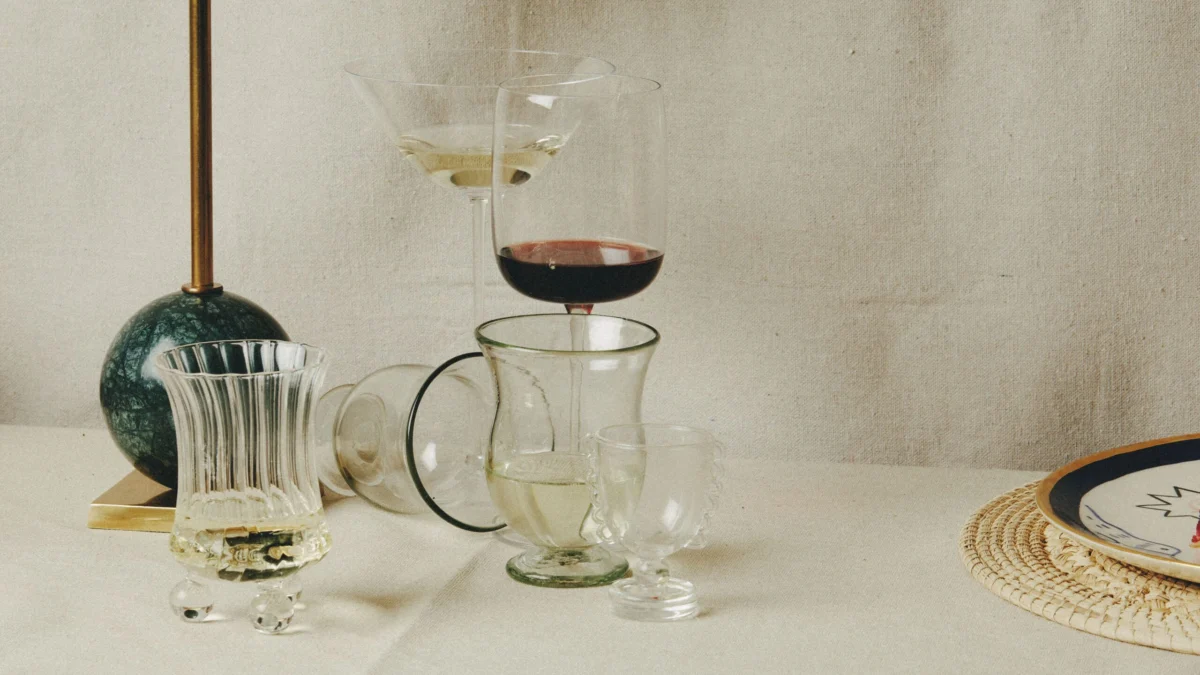
In the landscape of interior design and home entertaining, the focus often drifts toward the furniture, the lighting, or the centerpiece of the dining table. Yet, there is a quieter, more tactile element that dictates the rhythm of our daily lives: the vessel from which we drink. Whether it is a utilitarian glass of water at 3:00 PM or a vintage red wine poured at the end of a long week, the quality and aesthetic of your glassware fundamentally transform the sensory experience of consumption.
We no longer need to reserve our "good glasses" for milestone celebrations or formal dinner parties. The modern approach to living emphasizes the "everyday occasion," where the beauty of functional objects brings a sense of intentionality to our routine. As we curate our homes, the choice of a tumbler or a stemmed glass has become a deeply personal expression of style—a balance between the weight in the hand, the thinness of the rim, and the visual delight of the object itself.
The Anatomy of Choice: Why Glassware Matters
Choosing the right glassware is a surprisingly intimate affair. Ergonomics plays a significant role; some drinkers prefer the delicate, barely-there edge of a hand-blown crystal rim, while others seek the reassuring, substantial heft of a heavy-bottomed tumbler. The way a glass balances in the palm can change the entire ritual of sipping.

Beyond ergonomics, there is the psychological impact of design. When you find a piece of drinkware that resonates with your personal aesthetic—be it minimalist, maximalist, or mid-century modern—it changes your relationship with the beverage. A well-designed glass does not just hold liquid; it frames it. It turns an ordinary pour into a tactile experience. When your cabinet is filled with pieces you genuinely love, every interaction—from a quick gulp of water to a slow-sipped cocktail—becomes an opportunity for a small, meaningful moment of joy.
Chronology of Style: From Utilitarian to Artistic
The evolution of glassware mirrors the shift in how we view the home. Historically, glass was often segregated by function: heavy, durable glass for the kitchen, and fragile, ornate crystal for the formal dining room. However, the last decade has seen a blurring of these lines.
The rise of the "open kitchen" and the integration of dining spaces into living areas have necessitated a more versatile approach to glassware. We are moving away from the rigid sets of matching stems toward a more eclectic, "collected" aesthetic. This shift toward artisanal, personality-driven glassware—where one might mix colored coupes with clear, hand-blown tumblers—reflects a broader trend in interior design: the move toward authenticity and the celebration of the "perfectly imperfect."

Curated Selections for the Modern Home
To help you refine your own collection, we have analyzed several standout designs that bridge the gap between high-end artistry and daily functionality.
Best All-Around Wine Glasses: LSA International Borough Wine Glass
For those who prioritize both form and ease, the LSA International Borough set is a masterclass in balance. These glasses feature generously sized bowls that provide ample surface area for aeration, which is essential for unlocking the complexities of a good vintage. Crucially, they are crafted from high-quality crystalline glass that is entirely dishwasher-safe. This removes the "anxiety of ownership" that often keeps fine glassware hidden behind cabinet doors. You can enjoy a sophisticated pour on a Tuesday evening without the looming dread of fragile hand-washing.
For a Technicolor Toast: Estelle Colored Glass Champagne Coupes
Color has made a triumphant return to the tabletop, and the Estelle Colored Glass collection is at the forefront of this movement. By offering an assortment of vibrant, saturated hues, these coupes turn a standard glass of sparkling wine into a festive visual event. At a dinner party, the varied colors serve a functional purpose as well—they act as built-in glass markers, ensuring guests can easily identify their drinks amidst the conversation.

Best Artisanal Design: La Riccia Simple Glass
There is a distinct luxury in the hand-blown object. The La Riccia glasses from il Buco Vita represent the "perfectly imperfect" school of design. Produced without the use of industrial molds, each piece features subtle irregularities and slight variations in thickness. Because they are recycled, the color palette often shifts between ethereal greens, blues, and grays. These are not merely vessels; they are tactile reminders of the artisan’s hand, perfect for those who value craftsmanship over mass production.
Best for Oenophiles: Glasvin Obsession Glass
For the true wine enthusiast, the glass must be an invisible conduit between the liquid and the palate. The Glasvin Obsession glasses are remarkably featherlight, designed specifically to highlight the aromatic profile of wine. Despite their delicate, spindly appearance, they are engineered for durability. They represent a rare intersection where the technical requirements of a sommelier meet the aesthetic desires of a design-forward home.
For Subtle Pattern: Rebecca Udall Elisa Tumblers
Pattern in glassware can often feel overwhelming, but the Elisa tumblers prove that a delicate touch goes a long way. Featuring translucent dots and stripes, these glasses add a layer of texture to a tablescape without competing with your ceramics or linens. They are the ideal "bridge" pieces—sophisticated enough for a formal brunch, yet grounded enough for a casual lunch.

Flower-Inspired Glasses: Sophie Lou Jacobsen Verre Glasses
Inspired by the organic, sprawling shapes of wildflowers, these glasses are a testament to how design can be both whimsical and practical. The Verre design, with its fanning, flared rim, mimics the silhouette of a flower in bloom. Because they are made from durable borosilicate glass, they are remarkably robust and stackable, making them an excellent choice for urban dwellers with limited cabinet space who refuse to sacrifice style for function.
A Twist on a Classic: Noon & Moon Spiral Stem Martini Glasses
The classic V-shaped martini glass is a design icon, but it rarely invites reinvention. Noon & Moon has managed to update the silhouette with a sculptural, spiral stem. This small detail transforms the glass from a simple bar tool into a conversation-starting object. Placed on a bar cart, these glasses serve as decorative accents even when they aren’t in use, embodying the idea that our functional objects should be as beautiful as the art on our walls.
Implications for Modern Entertaining
The transition toward curated, expressive glassware has significant implications for how we host and live. When our tools are beautiful, we are more likely to use them. We stop "saving" things for a hypothetical future event and instead integrate them into the flow of our daily lives. This creates a psychological shift: the home becomes a sanctuary of aesthetic pleasure rather than just a place of storage.

Furthermore, the rise of independent glass studios and sustainable, recycled production methods indicates that consumers are becoming more conscious of the provenance of their goods. We are moving away from the "buy it once, replace it often" mentality of big-box retail, opting instead for pieces that possess longevity, character, and a story.
Final Reflections
Your glassware collection is a reflection of your lifestyle. Whether you prefer the structural rigor of a tulip-shaped wine glass or the organic warmth of hand-blown, recycled tumblers, the objects you hold in your hand daily should bring you a sense of satisfaction. By investing in pieces that prioritize both tactile comfort and visual beauty, you elevate the mundane act of drinking into an occasion. In the end, the most important ritual is the one we practice every day. Clear some space in your cabinets, curate your collection with intention, and turn your next pour into a celebration of the everyday.
