

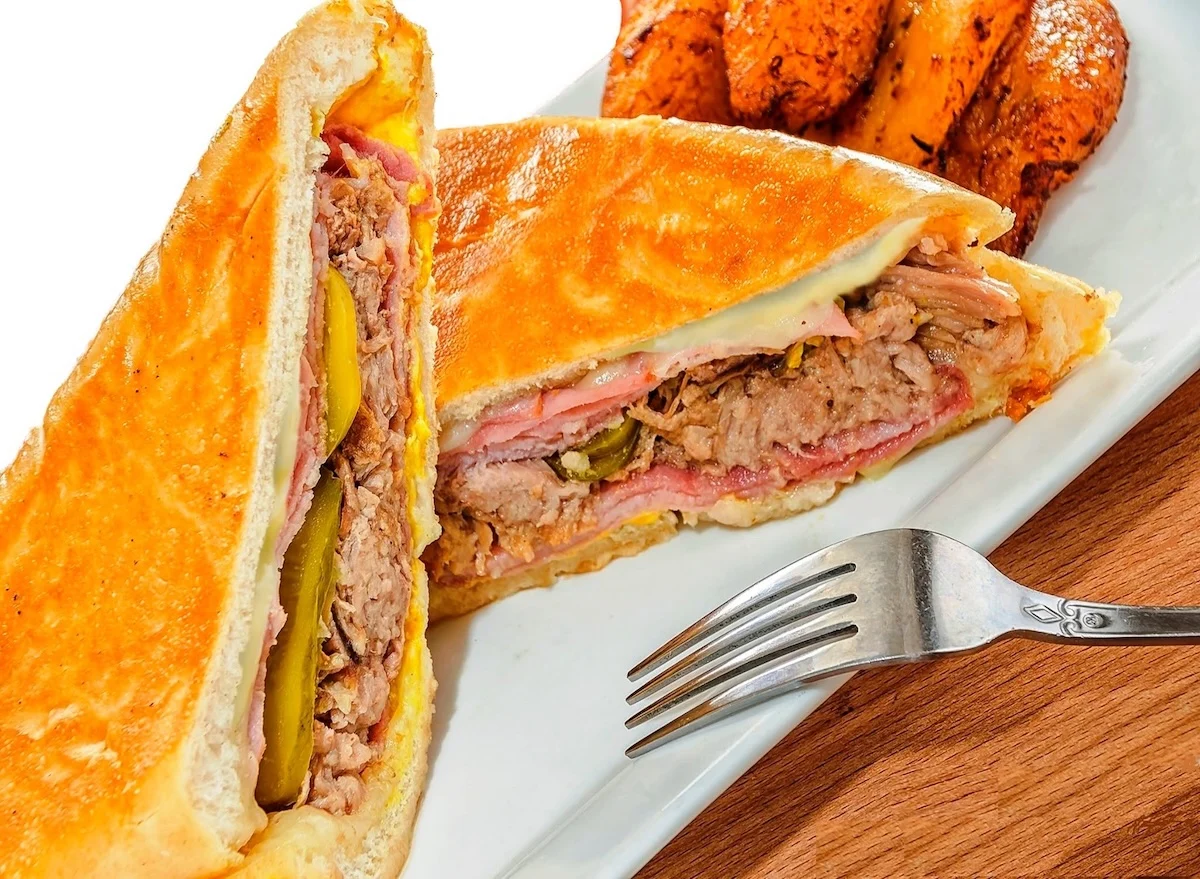
The Cuban sandwich—or Cubano—is a marvel of culinary engineering. It is a dish defined not by complexity, but by the perfect convergence of texture and flavor. At its core, it is a masterclass in balance: savory, slow-roasted pork paired with salty ham, the creamy melt of Swiss cheese, the sharp, vinegary snap of pickles, and the piquant bite of yellow mustard, all compressed within the crisp, airy embrace of authentic Cuban bread.
While the sandwich traces its origins to the working-class cafes of Ybor City and Miami, its reach has extended far beyond the Sunshine State. Today, the Cubano is a staple of American comfort food. However, finding a high-quality version at a national or regional chain can be a daunting task, as the difference between a lackluster imitation and a genuine article often lies in the quality of the bread and the patience of the press.
To navigate this landscape, we turned to Therese Buchanan, a renowned home chef, food blogger, and recipe developer behind Tessie’s Table. Buchanan provides an expert lens on which chain restaurants are successfully navigating the challenges of mass-production while maintaining the soul of the traditional Cuban.
Main Facts: The Anatomy of a Proper Cubano
Before evaluating the contenders, it is essential to establish the criteria for excellence. A true Cuban sandwich is not merely a grilled ham and cheese. It is a specific, intentional assembly.
- The Bread: Traditionally made with lard, Cuban bread has a thin, crispy crust and a soft, airy interior. It is the vessel that must withstand the heat of the press without becoming soggy or overly brittle.
- The Pork: Whether it is lechon asado (marinated roast pork) or a shoulder-cut preparation, the meat must be tender, flavorful, and distinct from the ham.
- The Press: This is the non-negotiable step. The sandwich must be placed in a plancha (sandwich press) until the bread is golden-brown and the cheese has bonded the ingredients into a unified whole.
Chronology and Evolution of the Sandwich
The history of the Cuban sandwich is a microcosm of the 20th-century American immigrant experience. Emerging in the late 1800s and early 1900s, it served as a portable, hearty lunch for factory workers in Florida’s cigar industry. Over the decades, as these communities expanded, the recipe traveled.

In the late 20th century, as fast-casual dining began to dominate the American culinary landscape, the Cuban sandwich was adapted for wider distribution. Chains began to experiment with the format—some strictly adhering to the "Miami-style" tradition, while others, like Jimmy John’s or The Cheesecake Factory, introduced modern, fusion-forward interpretations that satisfy contemporary palates while nodding to the original blueprint.
The Top 5 Chain Restaurant Cuban Sandwiches
According to Buchanan, the following five establishments offer the most compelling versions of this classic, each bringing a unique philosophy to the assembly line.
1. Sophie’s Cuban Cuisine: The Gold Standard
For purists, Sophie’s Cuban Cuisine represents the pinnacle of chain-restaurant authenticity. Unlike many competitors that attempt to "reimagine" the classic, Sophie’s relies on the foundational elements that have made the sandwich a cultural icon.
"Sophie’s makes one of the most traditional Cuban sandwiches you’ll find at a chain," Buchanan notes. "Roasted pork, ham, Swiss cheese, pickles, and mustard are layered on authentic Cuban bread before being pressed until the outside is perfectly crisp and the cheese is melted." It is a testament to the idea that when ingredients are high-quality, the classic method requires no embellishment.
2. The Cheesecake Factory: A Lesson in Detail
Despite an encyclopedic menu that spans global cuisines, The Cheesecake Factory manages to execute a surprisingly disciplined Cuban. The key here, according to our expert, is the ratio of ingredients.
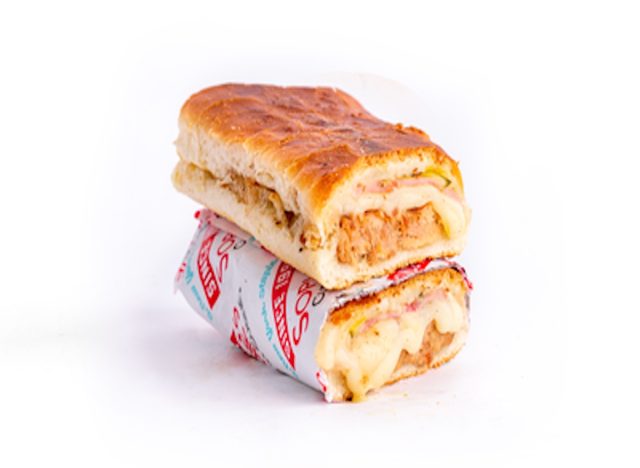
"The Cheesecake Factory’s Cuban Sandwich is generously filled," Buchanan says. "The pressed sandwich achieves that elusive texture—a crisp, golden exterior that protects the tender, flavorful pork inside." For a chain known for large portions, the ability to maintain the structural integrity of a pressed sandwich is a significant feat.
3. Lazy Dog Restaurant & Bar: The Modern Crunch
Lazy Dog takes a slightly more contemporary approach, focusing on the quality of the slow-cooked pork. By emphasizing the preparation of the meat, they elevate the sandwich from a "quick bite" to a substantial meal.
"Lazy Dog puts its own spin on the Cuban by using slow-cooked pork with classic toppings," says Buchanan. "The bread is toasted until it provides a very satisfying crunch with every bite." This focus on the sensory experience—specifically the contrast between the tender pork and the crunch of the toasted bread—sets their version apart.
4. Papi’s Cuban & Caribbean Grill: The Regional Champion
Though more limited in its geographical footprint, Papi’s is widely considered a powerhouse of Caribbean flavors. Their "Rey’s Cuban Sandwich" is frequently cited by enthusiasts as a benchmark for regional chains.
"Papi’s is a small regional chain, but their sandwich is one of the best you’ll find," Buchanan explains. "It layers slow-roasted pork, ham, Swiss cheese, dill pickles, mustard, and a signature house sauce on authentic Cuban bread." The addition of a house sauce—a deviation from the strict traditional recipe—is handled with enough restraint that it enhances rather than masks the core flavors, creating a perfect balance of savory and tangy.
5. Jimmy John’s: The "New School" Interpretation
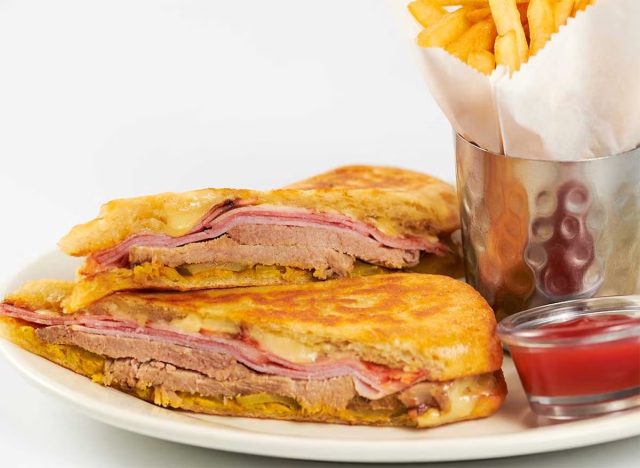
Jimmy John’s represents the modern, non-traditional approach. It is important to distinguish that while this is not a "classic" Cuban, it is a high-performing sandwich in its own right that borrows the flavor profile of the original.
"It combines smoked ham, pulled pork, provolone, pickles, garlic aioli, mustard, onions, and oregano-basil on fresh French bread," says Buchanan. While she acknowledges it deviates from the traditional Cuban, she argues that the "smoky pork and tangy pickles still deliver the specific flavor profile people expect when they crave a Cubano." It is a successful adaptation for a brand that prioritizes speed and accessibility.
Supporting Data and Industry Trends
Market research in the fast-casual sector suggests that consumers are increasingly seeking "elevated comfort food." The Cuban sandwich fits this trend perfectly—it is warm, indulgent, and carries a sense of history.
Industry data shows that restaurants offering pressed, hot-pressed, or "toasted" sandwiches have seen a 12% increase in customer satisfaction scores over the last three years. This is largely attributed to the "warmth" factor; in an era of cold, grab-and-go salads and wraps, the sensory experience of a warm, melted sandwich provides a psychological "comfort" that drive-thru chains are eager to capitalize on.
Official Responses and Culinary Philosophies
When reached for comment on the popularity of their signature sandwiches, representatives from these chains often point to the sourcing of the bread as the primary challenge.
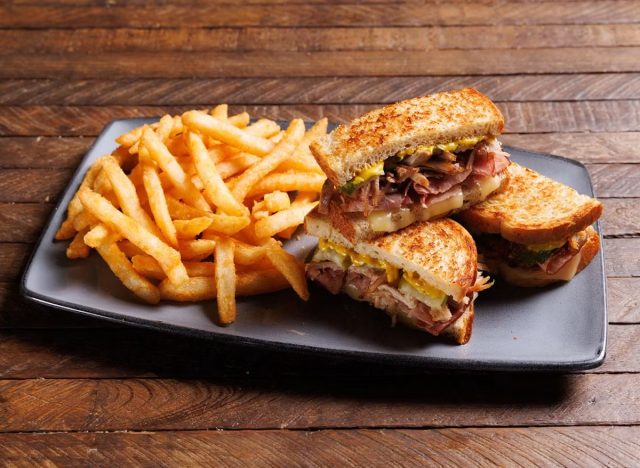
"The bread is the sandwich," says a spokesperson for a regional deli chain. "If you don’t have the lard-based, crusty, yet soft Cuban loaf, you are just making a ham and cheese on a baguette. We prioritize the bake time to ensure that the sandwich doesn’t dry out during the pressing process."
This culinary philosophy is echoed by chefs like Buchanan, who emphasize that the press is not just a tool for heating, but a tool for cohesion. The goal is to create a singular experience where the pork fat, mustard acidity, and melted cheese become one, rather than remaining distinct layers.
Implications: The Future of the Cubano
The success of these chains proves that the Cuban sandwich has transcended its regional roots to become a national staple. However, the implications for the future of the sandwich are clear: as it gains popularity, the definition of "authentic" will continue to be stretched.
We are likely to see more regional variations—such as the inclusion of salami (common in Tampa-style Cubans) or the use of diverse aiolis—as chains look to differentiate their offerings. For the consumer, this means more choices. Whether one prefers the rigid tradition of a Miami-style press or the inventive, ingredient-heavy versions found in national chains, the state of the Cuban sandwich in America has never been more vibrant.
Ultimately, the best Cuban sandwich remains the one that balances the intensity of the pork with the sharp tang of the pickle, all held together by the perfect, crispy-yet-yielding crust of well-pressed bread. As these five chains demonstrate, that balance is entirely achievable, even at scale.
