

As the autumn wind begins to rattle the leaves of New York City, the art world has descended into its perennial season of spectacle and introspection. The recent Armory Show, a centerpiece of the New York calendar, served as the launchpad for a week defined by a jarring collision of high-finance ambition, profound social decay, and the relentless pursuit of cultural relevance.
In this week’s dispatch, we examine the pulse of the industry—from the quiet, sobering halls of the latest art fairs to the provocative, often controversial narratives unfolding in galleries and global biennales.
The Armory Show: A Study in Stagnation and Silence
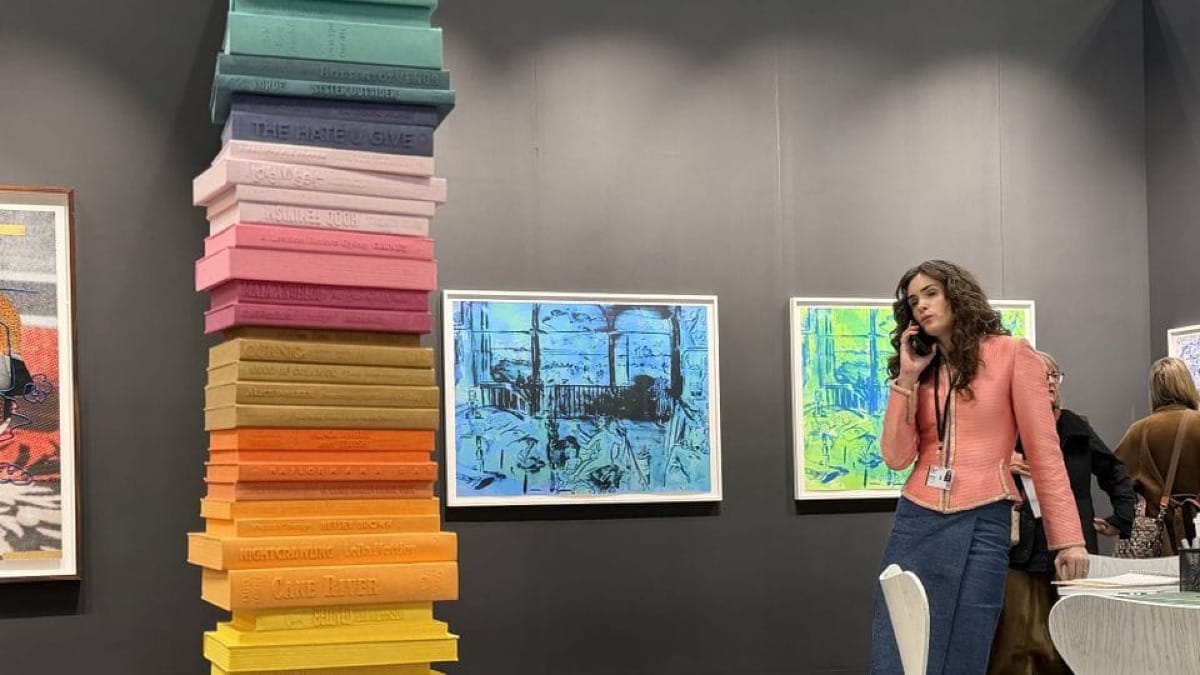
The Armory Show, long considered a barometer for the health of the New York art market, felt remarkably subdued this year. For the veteran attendee, the atmosphere was palpably "downcast"—a stark departure from the manic energy that usually characterizes these high-stakes commercial gatherings.
The Financial Disconnect
The contrast between the art on the floor and the reality of the economic climate was impossible to ignore. On the floor below the fair, a financial sector trade show hummed with a different kind of intensity, one that felt like a riotous explosion of capital compared to the hushed, almost funereal reverence found among the booths upstairs.
The experience was punctuated by a revealing interaction with a prominent curator during the press preview. When asked how they were doing, the curator initially—and perhaps inadvertently—confessed to being "obsessed with money and lifting weights." A quick, defensive correction to "running" followed, but the slip of the tongue spoke volumes. It encapsulated the pervasive anxiety currently gripping the art world: a frantic, exhausting obsession with maintaining status and liquidity in an era where the market is no longer guaranteed to reward the faithful.
The City as a Mirror: A Tale of Two Realities
Leaving the sterile, climate-controlled confines of the Armory Show, one is immediately thrust back into the raw, unvarnished reality of the Lower East Side. The juxtaposition is as striking as it is tragic.

Just a few blocks from the New Museum, where a major retrospective of Arthur Jafa’s work is currently drawing crowds, the reality of the urban crisis manifests in agonizing detail. While museum-goers discuss the complexities of Black American visual culture, a group of individuals suffering from the throes of addiction remain trapped in a cycle of suffering just feet from the museum’s sleek, glass-expanded facade.
This is not merely a background detail; it is the essential context of our current cultural moment. When we consume art, we are doing so in a city where the "Manhattan skyline glimmers from behind a cemetery," and where the moon, hanging over the skyline, appears "split in half like a black-and-white cookie." The beauty of the city—its river views and its literary residents reading Flannery O’Connor—exists in a precarious, haunting tension with the despair found on its sidewalks.
Global Critiques: The Venice Biennale’s Final Verdict
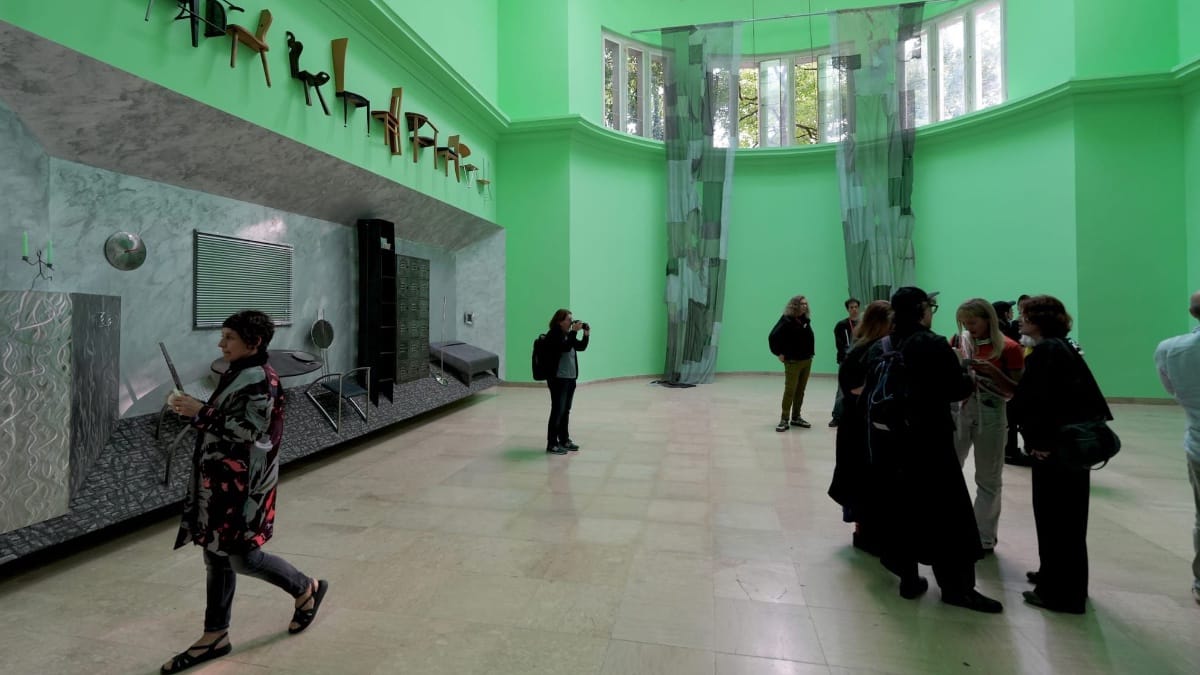
Beyond the local fervor of New York, the international art community remains locked in a fierce debate over the 61st Venice Biennale. In our concluding series of reviews, editors Hrag Vartanian and critic Aruna D’Souza have moved past the "lovable" highlights to address the failures that have plagued this year’s exhibition.
The Conflict of National Pavilions
The debate surrounding the national pavilions has grown increasingly heated. While some argue that these structures provide a necessary framework for cultural identity, others view them as antiquated relics of nationalism that impede the fluidity of contemporary discourse. Vartanian and D’Souza’s latest analysis does not hold back, dissecting the "worst" of the pavilions with a critical eye that refuses to succumb to diplomatic politeness. The takeaway is clear: the Biennale, in its current iteration, is struggling to reconcile its traditional structure with an increasingly globalized and critical audience.
Features and Cultural Currents: From Tarot to Damien Hirst
The breadth of current programming suggests an industry looking for answers in both the ancient and the absurd.
- Tarot for a Broken World: The Morgan Library & Museum’s recent exhibition, featuring some of the oldest surviving tarot decks, offers a fascinating look at how a Renaissance parlor game evolved into a complex tool for divination. In a "broken world," the resonance of these cards feels particularly acute.
- The Radical Influence of Alison Knowles: A new retrospective traces the evolution of bookmaking within Knowles’s practice, highlighting her role in shaping the trajectory of American art through radical experimentation and collaborative language.
- The Damien Hirst Phenomenon: Perhaps most titillating is the ongoing discourse surrounding Damien Hirst’s latest provocations. His work continues to invite both condemnation and celebration, serving as a reminder that the art world’s appetite for shock remains undiminished.
Implications: Is the "Artist" Identity Under Siege?
As we look toward the future, a central question remains for the creative class: If I have a day job, am I a real artist?
This question, explored in our latest features, underscores the precarious nature of the professional artist today. The economic burden of living in cities like New York, combined with the volatility of the art market, has forced a re-evaluation of what constitutes a "serious" practice.
The proliferation of "guides" to public art and the success of local events like Bushwick Open Studios indicate that while the commercial gallery model may be in a state of flux, the desire for community-driven, accessible art is at an all-time high.
Chronology of the Week’s Developments:
- Tuesday: Press preview of the Armory Show; observations on market fatigue.
- Wednesday: Opening of the Arthur Jafa retrospective at the New Museum; contrast between institution and street.
- Thursday: Publication of the final installment of the Venice Biennale critiques; internal debate on the relevance of national pavilions.
- Friday: Coverage of the Morgan’s Tarot exhibition and the ongoing dialogue regarding artist identity in the gig economy.
Final Thoughts: "I’m Just Looking"
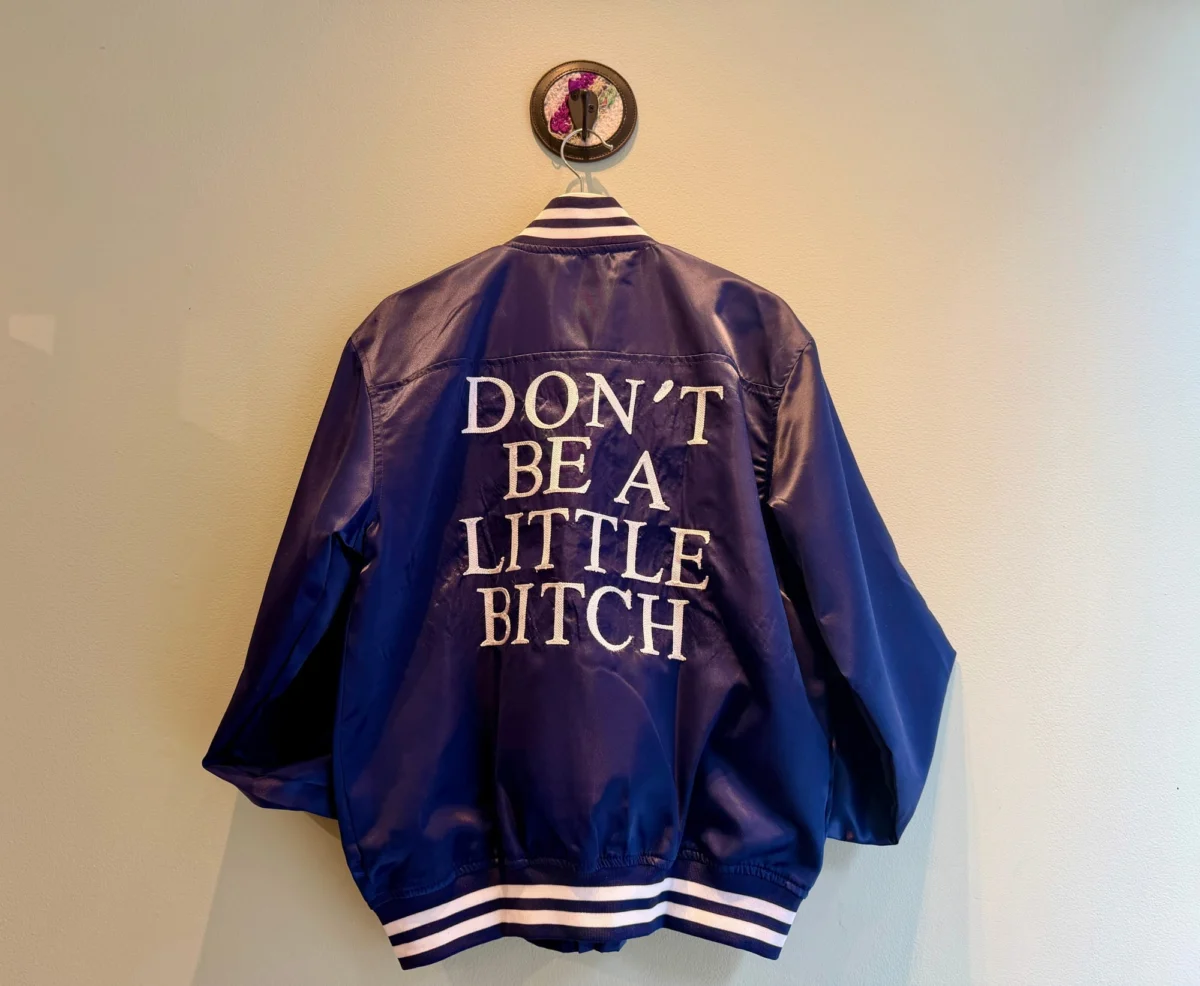
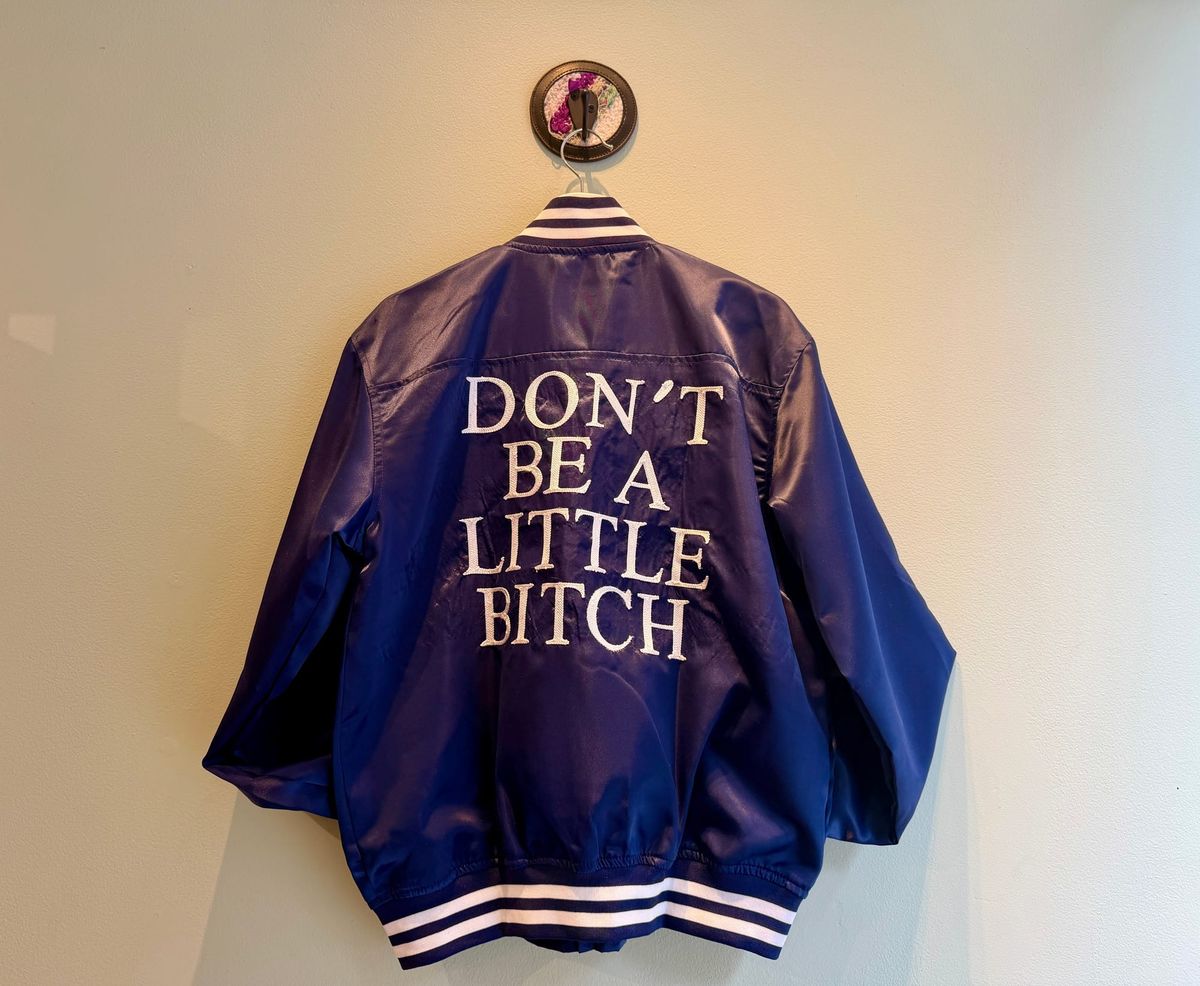
Returning to the scene of the store selling the jacket with the brazen, aggressive embroidery—"Don’t be a little bitch"—one is reminded of the performative nature of our current cultural landscape. When the shop assistant asked if I wanted to try it on, my response—"No, thanks. I’m just looking"—felt less like a polite decline and more like a manifesto for the contemporary critic.
We are all, in a sense, just looking. We are looking at the art, looking at the money, looking at the decay, and looking for a meaning that is increasingly difficult to pin down. As the season progresses, the task remains the same: to observe the shifting tides of the art world with clarity, even when the reflection in the glass is uncomfortable.
The art world is currently in a state of transition. Whether this leads to a new era of substance or a deeper descent into spectacle remains to be seen. But for now, the cycle of fairs, biennales, and retrospectives continues, providing us with the raw material to interrogate the world we inhabit.
Hakim Bishara is the editor-in-chief of Hyperallergic. This article synthesizes recent reports from the front lines of the global art market and community.
