

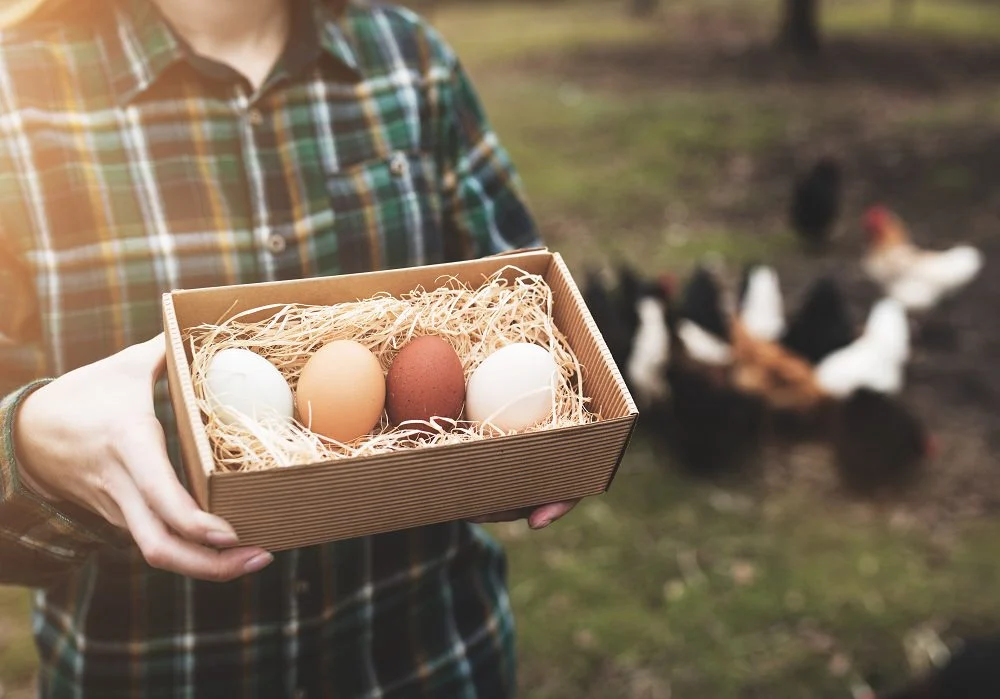
The American backyard, once a bastion of manicured lawns and ornamental gardens, has undergone a radical transformation over the last two years. Driven by the twin forces of record-breaking inflation and the fear of supply-chain fragility, roughly 11 million U.S. households have embraced the role of amateur poultry farmers. However, as of mid-2026, the landscape of home-based egg production has shifted. With egg prices retreating from their 2025 historic highs and new, sobering data regarding the health risks of keeping birds, the "backyard revolution" is entering a period of necessary maturation and caution.
The Price Signal That Built the Boom
The surge in interest in backyard chickens was never merely a hobbyist trend; it was a calculated response to the most volatile egg market in modern history. According to the USDA’s Economic Research Service, retail egg prices rose by 32.2% in 2022, followed by a steady climb in 2024 and a massive 21.9% spike in 2025. By March 2025, the average price for a dozen Grade A eggs peaked at approximately $6.22.
The primary architect of this chaos was Highly Pathogenic Avian Influenza (HPAI). Since the initial outbreak in February 2022, the virus has claimed more than 166 million birds across commercial and residential sectors. As industrial egg production facilities struggled to contain outbreaks, supply cratered, and retail prices soared. For millions of American families, the logic seemed clear: produce your own food to insulate yourself from grocery store price shocks.
By June 2026, however, the arithmetic of the backyard coop changed dramatically. As commercial producers rebuilt their flocks and HPAI detections slowed, the retail price for a dozen eggs plummeted to an average of $2.14—a 35.2% decline compared to the previous year. The "economic hedge" that motivated thousands of first-time chicken owners has effectively evaporated.
Chronology of the 2026 Poultry Landscape
The trajectory of the backyard movement follows a distinct timeline that reflects both consumer behavior and agricultural realities:
- Early 2025: Panic buying of chicks reached an all-time high. Feed stores reported sell-outs weeks before traditional "chick days," and major hatcheries experienced order volume increases of 80% or more.
- Late 2025: The first serious public health warnings regarding H5N1 "Bird Flu" in backyard settings began to circulate as human infections were documented in Louisiana and Washington.
- Q1 2026: A noticeable cooling effect in the market. First-time buyers began to exit the market as egg prices stabilized, shifting the industry back to long-term keepers focused on flock maintenance rather than expansion.
- Mid-2026: The CDC releases data indicating that while the risk to the general public remains low, the specific risk to poultry owners handling birds without protection is significant, as evidenced by a cluster of over 800 Salmonella cases linked directly to backyard flocks.
Supporting Data: The Cost of the Coop
For those considering entering the market today, the decision should be framed not as a way to save money, but as a commitment to a lifestyle. The cost of a six-hen flock is substantial, and the return on investment is rarely positive when accounting for capital expenditures.
| Measure | Estimate |
|---|---|
| Annual Feed/Bedding/Supplies | $250 – $600 |
| Startup Costs (Coop, Fencing, Birds) | $500 – $2,000 |
| Annual Egg Production (6 Hens) | 90 – 125 Dozen |
While six hens can produce enough eggs to cover a household’s needs during their peak years (the first two years of laying), the annual costs of feed, veterinary care, and predator-proofing often eclipse the savings gained from not buying store-bought eggs. As the data suggests, backyard flocks are a poor hedge against grocery inflation but may offer a sense of security against extreme supply-chain disruptions.
Official Responses and Public Health Warnings
The primary concern for health authorities in 2026 is no longer just the economic cost, but the direct health impact on the owners themselves. The CDC has been increasingly vocal about the risks of Salmonella and H5N1.
The Salmonella Crisis
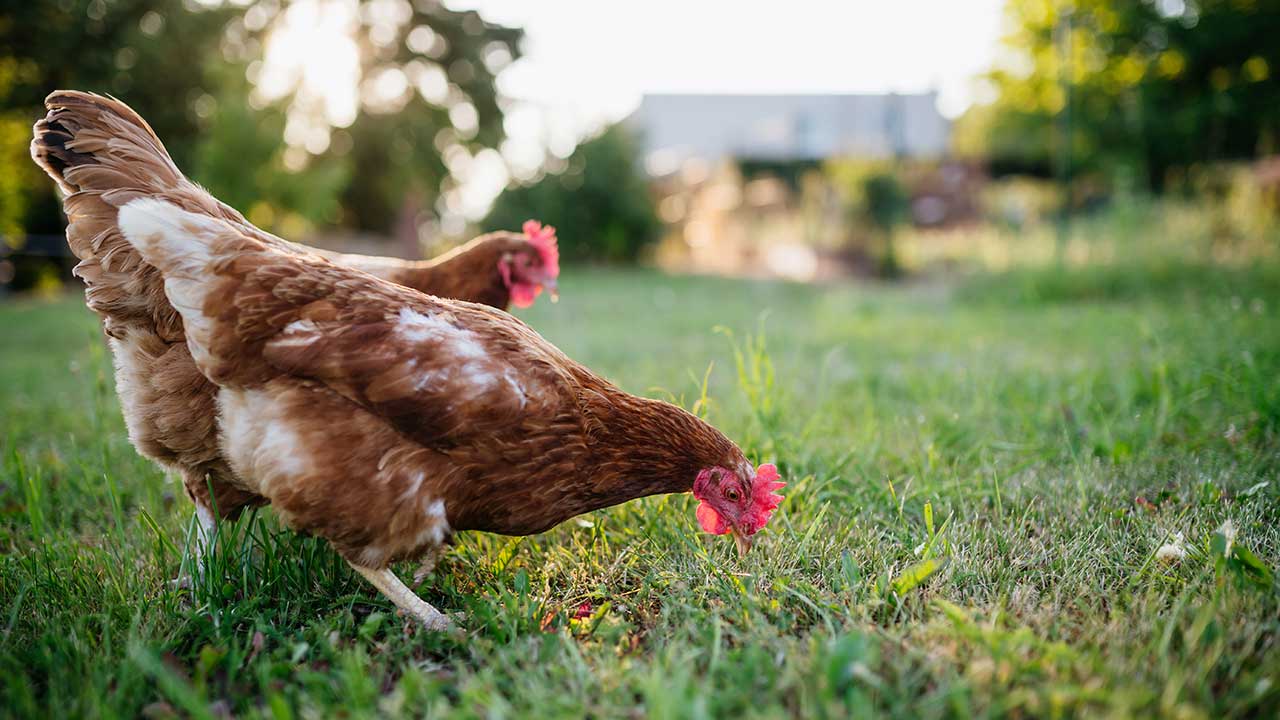
As of July 2026, the CDC is investigating eight multistate outbreaks of Salmonella linked to contact with backyard poultry. These outbreaks have resulted in 814 illnesses, 201 hospitalizations, and one death. Perhaps most alarming is that 84% of these patients had acquired their birds since the beginning of 2026. Investigators have successfully traced these strains to specific hatcheries, finding the bacteria even inside the shipping boxes used to transport chicks.
The H5N1 Threat
Avian influenza remains a top priority for the USDA and the CDC. While wild birds act as the primary vector—carrying the virus in their droppings and contaminating water sources—the virus is frequently spread to domestic flocks via human activity, such as contaminated footwear or equipment. The death of two backyard flock owners since 2024 has forced a re-evaluation of biosecurity protocols. The message from the USDA is clear: the virus is not just a threat to the flock; it is a potential threat to the family.
Implications for Future Flock Owners
The "backyard revolution" has reached a crossroads. The romanticized image of the self-sufficient family gathering eggs from a coop must now be balanced against the harsh realities of biosecurity and financial upkeep.
Understanding Local Regulations
Before purchasing a single bird, prospective owners must navigate a labyrinth of municipal ordinances. Many cities limit flock sizes to four to eight hens, prohibit roosters entirely, and mandate strict setback distances from property lines. Homeowners associations (HOAs) often enforce even more stringent rules. Failing to comply can lead to fines or the forced removal of the entire flock.
The Environmental Reality
A common misconception is that backyard chickens are inherently more "environmentally friendly" than commercial operations. However, recent analysis suggests the opposite. Because backyard flocks lack the scale efficiency of commercial farming, they often require more feed per egg produced. Since the production of feed grain is the largest driver of an egg’s carbon footprint, backyard production can inadvertently result in higher emissions per egg. The environmental argument for backyard chickens should focus on waste reduction—such as feeding birds kitchen scraps—rather than an assumption of lower carbon output.
The "Defend the Flock" Mandate
The USDA’s "Defend the Flock" initiative emphasizes four core habits for all owners:
- Keep your distance: Restrict access to your property and birds.
- Keep it clean: Wear dedicated clothes and shoes when working with your flock.
- Don’t haul disease home: Avoid sharing tools or equipment with other flock owners.
- Know the signs: Monitor birds for lethargy, respiratory distress, or sudden drops in egg production.
Conclusion: The Path Forward
For many, the reward of keeping chickens is not found in a spreadsheet or an environmental report, but in the personal satisfaction of animal husbandry. However, 2026 marks a year of "sobering up" for the movement. The days of panic-driven expansion are over. Current and future owners must prioritize education over impulse, understanding that their flock requires rigorous hygiene, significant financial investment, and a preparedness to handle, and report, potential disease outbreaks.
As we look toward the remainder of 2026, the guidance from agricultural and health authorities is unanimous: keep your flocks small, keep your biosecurity tight, and ensure that the decision to keep birds is motivated by a genuine desire for stewardship, rather than a fleeting reaction to market volatility. The backyard chicken movement is here to stay, but its future success depends entirely on the responsibility of the individuals behind the coop door.
