

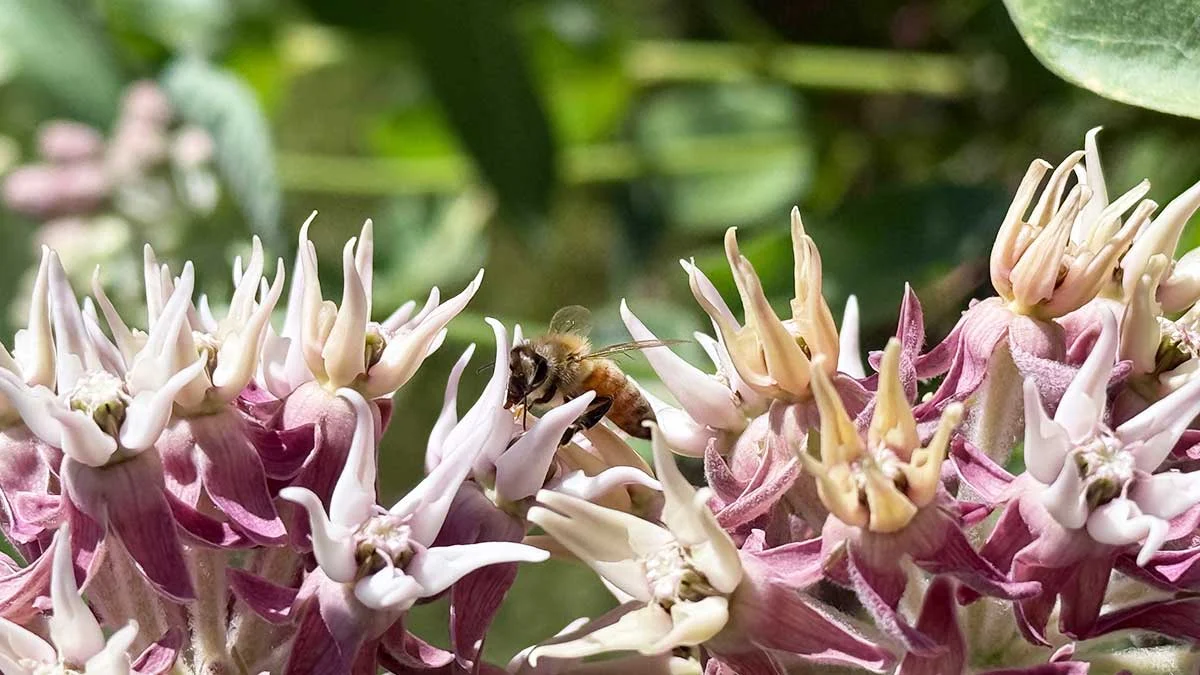
In an era defined by rapid urbanization and the pervasive reach of digital technology, the fundamental human need for nature—a concept known as "biophilia"—has never been more critical. As we navigate the complexities of modern life, the environments we inhabit play a decisive role in our psychological and physiological health. Increasingly, homeowners are looking beyond their four walls, realizing that the most effective remedy for stress and ecological decline lies just outside their back doors. By adopting biophilic design principles, individuals are transforming mundane lawns and patios into thriving, restorative sanctuaries that serve both human well-being and the survival of local wildlife.
Main Facts: The Biophilic Imperative
The core tenet of biophilic design is simple yet profound: humans possess an innate, evolutionary affinity for the natural world. Research published in PMC confirms that regular, meaningful interaction with green spaces significantly reduces cortisol levels, lowers anxiety, and elevates overall mood. When a person steps into a space designed with natural elements—native flora, moving water, and organic textures—the nervous system shifts from a state of "fight or flight" to a state of restorative calm.
However, the importance of these spaces extends far beyond human psychology. The United States loses an estimated 2 million acres of natural habitat annually to development and industrial sprawl. This fragmentation has created a "biological vacuum" in residential areas. When homeowners replace sterile, manicured lawns with native ecosystems, they are not merely decorating; they are actively mitigating the catastrophic loss of biodiversity. A backyard rich in native plants functions as a vital "stepping stone" habitat, allowing pollinators, birds, and amphibians to traverse urban landscapes that would otherwise be impassable.
Chronology of the Backyard Movement
The shift toward ecological gardening did not happen overnight. It is the result of decades of evolving environmental awareness:
- 1970s–1980s: The "Environmental Awakening" period saw the rise of early conservation movements, but residential landscaping remained largely focused on the aesthetic of the "perfect lawn," characterized by heavy pesticide use and non-native monocultures.
- 1990s–2000s: Ecologists began sounding the alarm on the decline of key pollinator species. During this time, the scientific community started to bridge the gap between academic conservation and private land management, emphasizing that private yards account for a massive percentage of total land surface in the U.S.
- 2010s: The "Rewilding" movement gained mainstream traction. Homeowners began shifting from aesthetic gardening to functional, habitat-friendly design, fueled by social media platforms and the proliferation of native plant nurseries.
- 2020s–Present: The post-pandemic shift toward home-centric living has accelerated the trend. We are currently in a "restorative era," where backyard biodiversity is viewed as a prerequisite for both community health and personal mental wellness.
Supporting Data: Why Native Plants Matter
The efficacy of a backyard ecosystem hinges on the use of native vegetation. Because native plants have co-evolved with local fauna over thousands of years, they provide the specific nutritional requirements that exotic, non-native plants cannot.
Data indicates that over 87% of flowering plant species—including nearly 90 of the world’s most crucial food crops—rely on pollinators. Yet, these populations are collapsing. By planting native species, homeowners can sustain the entire food chain. For instance, a single oak tree can support hundreds of species of caterpillars, which in turn are the essential protein source for nesting birds. Without this base of native plants, the entire local web of life falters.
Furthermore, the environmental impact of these small-scale changes is measurable. Research on stormwater management highlights that the installation of a bioswale—a landscape element designed to concentrate and convey stormwater runoff—can reduce pollution by 70% and absorb 30% more water than a standard turf lawn. These figures prove that backyard changes are not merely "feel-good" activities; they are essential infrastructure for a changing climate.
Official Perspectives and Ecological Guidelines
Conservation organizations, such as the National Wildlife Federation and the American Humane society, have shifted their advocacy toward residential land stewardship. Their consensus is clear: the "tidy" landscape is an ecological desert.
Official guidance from environmental experts suggests that we must redefine our perception of beauty. A "vibrant" backyard should look a little wild. This means leaving leaf litter (which harbors overwintering insects), resisting the urge to prune everything back in the fall, and prioritizing organic water sources. Water, in particular, is noted as the "missing link" in urban habitats. While many homeowners provide bird feeders, the lack of clean, accessible water sources is a primary limiting factor for wildlife survival. Official environmental guidelines emphasize that birdbaths and small ponds must be kept clean, as contaminated water is a leading vector for disease in avian populations.
3 DIY Paths to a Vibrant Backyard Ecosystem
For those looking to transition their outdoor space, three strategies offer the highest impact with the least amount of disruption to daily life.
1. The Layered Pollinator Garden
Instead of scattering individual plants, design your garden in "drifts" or groups of the same species. This makes it energy-efficient for pollinators, such as bees and butterflies, to forage. Select native plants that provide a succession of blooms; by ensuring something is in flower from early spring through late autumn, you provide a stable, year-round "grocery store" for local pollinators.
2. The Hydration Station
Water is the cornerstone of a healthy habitat. If a full pond is not feasible, a shallow container pond or a recirculating fountain can suffice. Crucially, the water must be clean. If you are collecting rainwater, ensure it is filtered. Avoid boiling water as a purification method if you suspect heavy metal contamination, as this does not remove lead and can actually concentrate it. High-quality filtration systems are the gold standard for maintaining a safe, healthy water source for local wildlife.
3. Structural Shelter: The "Messy" Aesthetic
Wildlife requires places to hide from predators and harsh weather. By creating a brush pile in a corner of your yard—using logs, twigs, and fallen leaves—you provide essential cover for amphibians, small mammals, and insects. Additionally, installing "insect hotels" or bee houses made of preservative-free, untreated wood provides critical nesting sites for solitary bees, which are far more efficient pollinators than honeybees.
Implications for the Future
The implications of this movement are far-reaching. When we view our backyards as part of a larger, interconnected ecosystem, we transition from being mere consumers of land to becoming stewards of the environment.
The psychological implications are equally significant. In a world characterized by "nature deficit disorder," the ability to step outside and observe a pollinator visiting a flower or a bird utilizing a water feature provides a necessary sense of agency and calm. It allows the homeowner to slow down and align their daily routine with the natural rhythms of the seasons.
Furthermore, this collective action holds the potential to build ecological corridors through urban centers. If every household in a neighborhood adopted just one of these practices, the cumulative impact would be equivalent to the creation of a massive, protected nature reserve.
As we look toward the future, the integration of biophilic design into residential architecture will likely become a standard rather than a niche preference. The "vibrant backyard" is not just a trend; it is an essential evolution in how we coexist with the natural world. Every pollinator-friendly bloom and every natural shelter serves as a building block for a more resilient, healthier society. By embracing these small, daily actions, we do more than improve our own backyards—we participate in the healing of our planet, one square foot at a time.
About the Author
Lola Marks is a prominent health and wellness journalist specializing in lifestyle optimization and sustainable living. As the Senior Editor of Body+Mind Magazine, she explores the intersection of human health and the environment, advocating for a holistic approach to life that fosters community, balance, and ecological awareness.
