

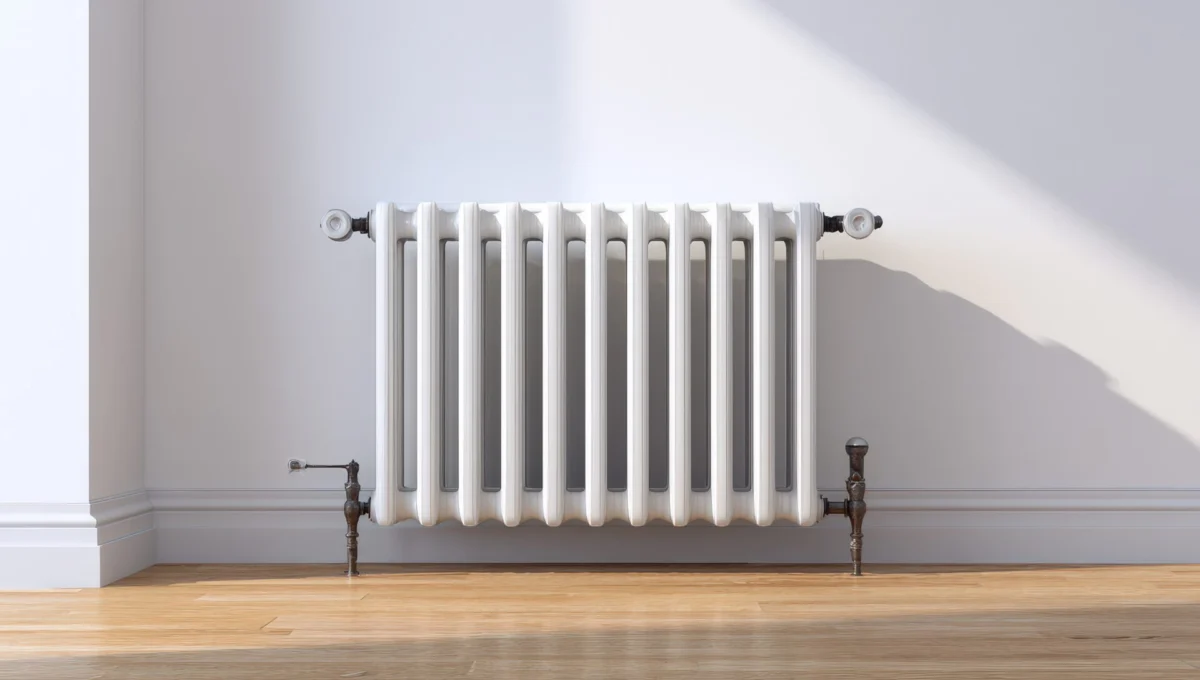
For many homeowners, the challenge of maintaining a comfortable indoor climate during the winter months often comes down to a choice between complex, duct-dependent HVAC systems and targeted, zone-based heating. Among the most enduring and effective solutions is the baseboard radiator. Often overlooked in favor of high-tech modern furnaces, these low-profile heating units remain a cornerstone of reliable home comfort.
If you are considering an upgrade or a new installation, understanding the financial and technical landscape is essential. With professional installation costs typically ranging from $200 to $1,200 per unit, baseboard radiators offer a versatile, albeit nuanced, path to warmth.
Main Facts: Understanding Baseboard Heating
At its core, a baseboard radiator is a heating element housed in a metal casing that sits along the floor—typically beneath windows—to counteract cold drafts. Unlike forced-air systems that push heated air through a network of ducts, baseboard radiators rely on either electrical resistance or hydronic circulation to distribute warmth.
The Two Primary Systems
- Electric Baseboard Radiators: These units draw power directly from your home’s electrical panel. They are favored for their ease of installation and low upfront purchase price, often costing between $50 and $130 per unit before labor.
- Hydronic Baseboard Radiators: These systems circulate hot water or oil, usually heated by a central boiler. While they represent a more significant initial investment—ranging from $180 to $320 per unit—they are widely regarded as more energy-efficient for whole-home applications.
The fundamental advantage of these systems is zoning. Because each room or unit can be controlled independently, you never have to waste energy heating unoccupied spaces. However, this comes with a trade-off: baseboard radiators do not provide air conditioning, meaning they must be paired with a separate cooling system if year-round climate control is desired.
A Chronological Perspective: The Evolution of Heating
The history of residential heating is marked by a shift from the central hearth to the decentralized efficiency of radiators. In the early 20th century, bulky, cast-iron radiators dominated. As architecture moved toward the streamlined, low-profile designs of the mid-century, the baseboard radiator emerged as a solution that saved floor space while maintaining consistent heat distribution.

The Modern Transition
In the last few decades, we have seen a pivot toward "intelligent" heating. While early systems were often manual and inefficient, modern baseboard radiators are now integrated with smart thermostats and programmable zone controllers.
Today, the installation process has also become more standardized. Contractors follow strict building codes regarding electrical load calculations and hydronic pressure testing, ensuring that modern units are safer and more responsive than the systems of the 1970s and 80s. When replacing an older unit today, homeowners often find that the labor is significantly streamlined because the infrastructure—be it electrical wiring or plumbing loops—is already in place.
Supporting Data: Breaking Down the Costs
When budgeting for a project, it is important to distinguish between the hardware and the labor. While the price of the radiator unit itself is relatively predictable, the total installation cost is heavily influenced by the complexity of the home’s layout.
Comparative Cost Table
| Heating Type | Hardware Cost (Per Unit) | Installed Cost (Total) |
|---|---|---|
| Electric | $50 – $130 | $200 – $1,100 |
| Hydronic | $180 – $320 | $430 – $1,200 |
Variables Affecting Your Bottom Line
- Room Size and BTU Demand: The "length" of the system is the primary driver of cost. A standard room requires roughly 10 watts per square foot for electric or 34 BTUs per square foot for hydronic. Larger rooms require longer units or multiple units, effectively multiplying the labor hours.
- Electrical Upgrades: If you are installing electric baseboard heating in a room that lacks a dedicated circuit, an electrician must be brought in. This can add between $50 and $130 per hour in additional labor costs.
- Plumbing Complexity: For hydronic systems, the proximity to the boiler is key. If the installation requires running new pipes through walls or floors, the labor costs will rise substantially compared to a simple replacement.
Official Professional Perspectives
To gain a clearer understanding of the industry, we spoke with Mitch Rosa, owner of Hudson Valley HVAC in Orange County, New York. His experience highlights the intersection of engineering and homeowner preference.
"People tend to ignore them, but baseboard radiators are one of the most effective ways to heat a home," Rosa notes. However, he cautions against the aesthetic trade-offs. "They use up a lot of space, and homeowners don’t always like to lose that. You are effectively losing the area directly in front of the unit, as you cannot place furniture there safely."

Rosa also emphasizes the importance of proper sizing. "Every home is like a body," he says. "It needs to breathe. If you run undersized heating solutions, it’s like running with cotton in your nose. You’re going to be working harder and cause a heart attack." His advice underscores that "saving money" by installing an undersized system often leads to a premature failure of the equipment and higher long-term utility bills.
Implications: The Long-Term Reality
Choosing between electric and hydronic isn’t just about the check you write on the day of installation; it is about the operational efficiency you live with for the next two decades.
Energy Efficiency and Maintenance
Hydronic systems are the gold standard for long-term efficiency. Because liquid retains heat far longer than electric coils, a hydronic boiler cycles on and off less frequently. This reduces wear and tear on the system and lowers monthly energy expenditures. Conversely, electric units are 100% efficient at converting electricity to heat, but because electricity is generally more expensive than natural gas or heating oil, the monthly costs can be significantly higher.
Safety and Spatial Planning
The implications for your home interior are significant. Baseboard radiators require clearance—specifically, keeping furniture at least three inches away from the units to allow for airflow. Failure to do so not only reduces the heating efficiency but also creates a fire hazard. Furthermore, homeowners must keep curtains and drapes at least 6 to 12 inches above the unit.
The "All-In-One" Dilemma
One of the most important implications for modern homeowners is the lack of versatility. Unlike a heat pump system, which provides both heating and cooling, a baseboard radiator is a one-trick pony. If you live in a climate where summers are becoming increasingly humid and hot, you will eventually have to pay for a separate AC installation, which might involve installing ductless mini-splits. Homeowners should weigh the cost of a baseboard system against the cost of a heat pump, which could potentially handle both heating and cooling needs.

Strategies for Success: How to Save
If you are committed to the comfort and quiet operation of baseboard heating, there are several ways to manage the budget:
- Bundle Installations: Many contractors offer discounts if you replace multiple units at once. If you are renovating, replace all units in the home simultaneously to save on travel and setup fees for the technician.
- Off-Season Scheduling: HVAC demand is seasonal. Scheduling your installation during the spring or late summer, when contractors are less busy, can lead to more competitive labor quotes.
- Optimize the Environment: Do not rely on the heater to compensate for a drafty house. Before installing new radiators, ensure your windows are sealed and your attic insulation is up to code. A well-insulated home requires a smaller, less expensive heating system.
- Professional Maintenance: Keep your system clean. Vacuuming dust and debris from the internal fins every six months prevents the system from working harder than necessary, extending its 20-year average lifespan.
Final Advice: The Path Forward
Before moving forward, measure your rooms carefully and calculate your heat load requirements. Once you have a clear picture of your needs, contact at least three licensed HVAC professionals. Request a site visit, as a quote provided over the phone is rarely as accurate as one based on an inspection of your home’s existing electrical or plumbing capacity.
Baseboard radiators remain a time-tested, reliable, and quiet solution for home heating. By prioritizing professional installation and regular maintenance, you ensure that your investment will provide warmth and comfort for years to come.
