

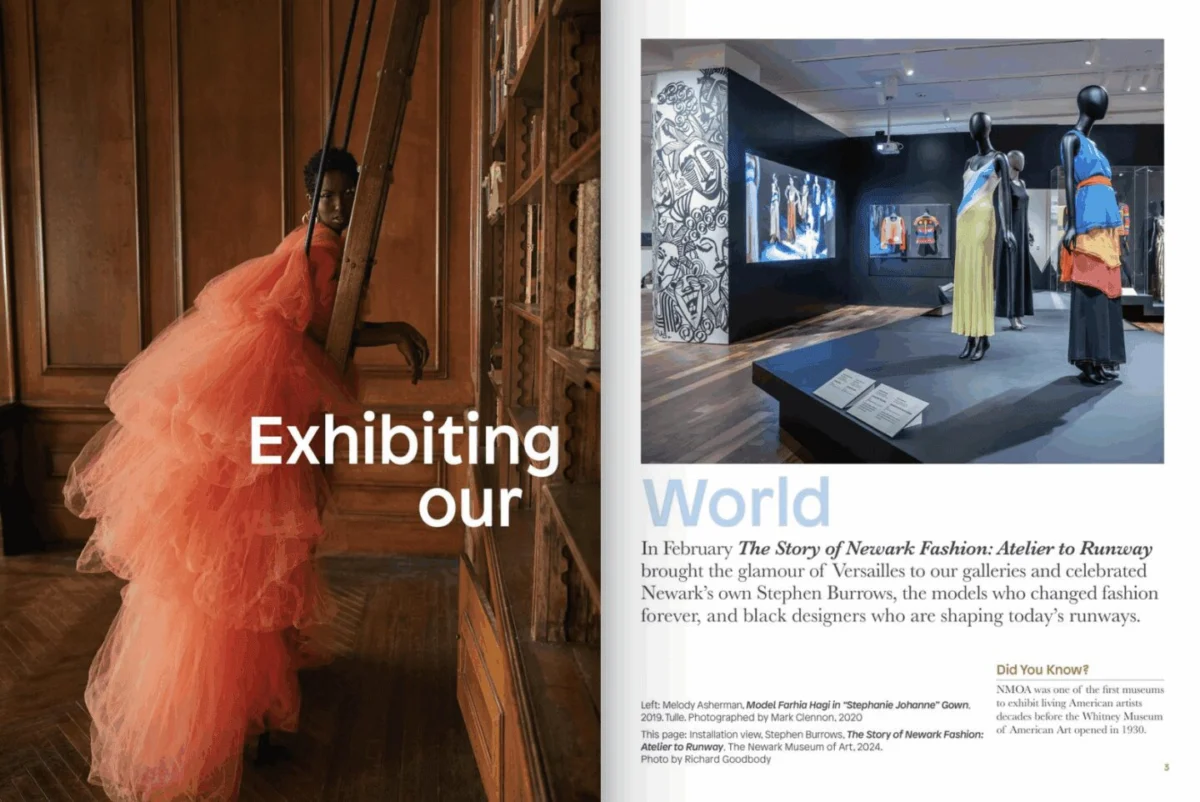
In an era where urban centers are re-evaluating the role of cultural institutions, The Newark Museum of Art (NMOA) stands as a testament to the symbiotic relationship between art, community, and economic development. Recently, the museum’s Director and CEO, Linda C. Harrison, joined Raven Santana on PBS’s NJ Biz Beat to discuss the institution’s multifaceted role as a pillar of Newark’s ongoing renaissance. The conversation, which highlighted the museum’s dual identity as both a sanctuary for the arts and an engine for local economic prosperity, underscores why the NMOA remains a critical asset in New Jersey’s largest city.
The Intersection of Culture and Commerce: A Strategic Vision
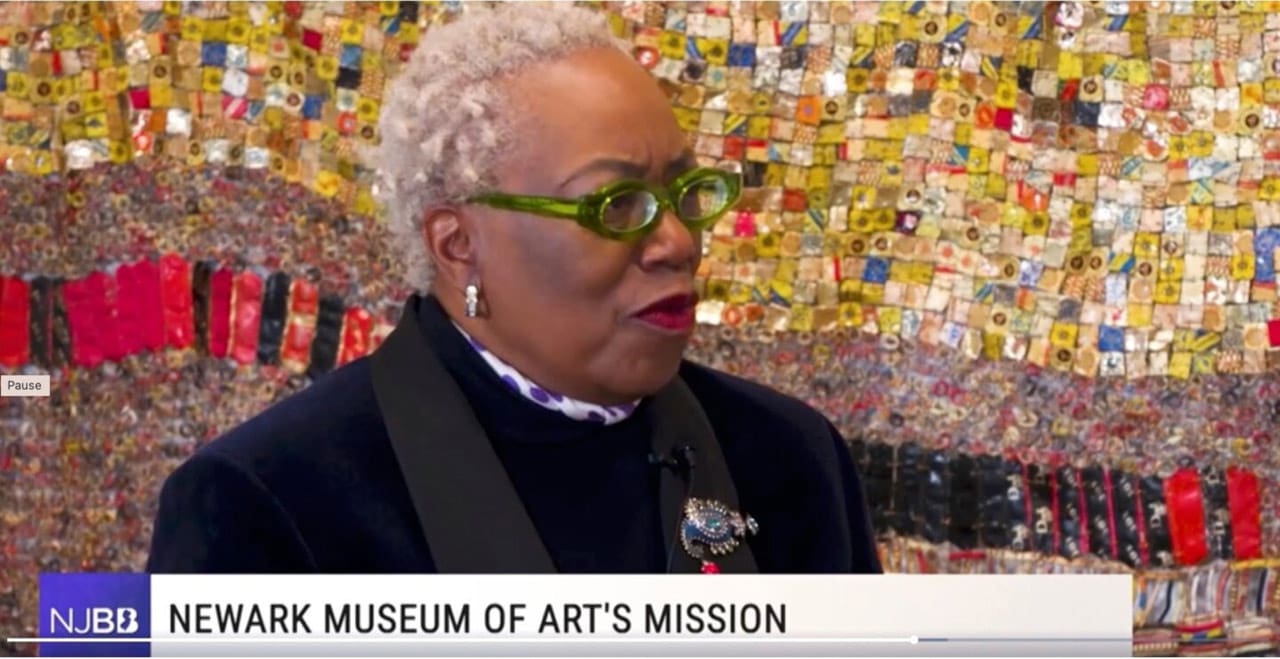
For many, a museum is simply a repository for historical artifacts and aesthetic masterworks. However, under the leadership of Linda C. Harrison, the NMOA has pivoted toward a more integrated model. During her appearance on NJ Biz Beat, Harrison articulated a vision for the museum that transcends its physical walls. She emphasized that the NMOA is not an island, but a central node in the economic and social fabric of Newark.
The segment, which viewers can access via the NJ PBS platform, features a robust dialogue on how museums serve as "economic multipliers." When the museum thrives, it draws tourism, encourages local foot traffic, and provides educational opportunities that develop the local workforce. By positioning the institution as a welcoming space for all, Harrison is actively working to dismantle the "ivory tower" perception of traditional museums, replacing it with a model of radical inclusivity and community engagement.
Chronology: A Trajectory of Growth and Resilience
To understand the current influence of the NMOA, one must look at the timeline of its evolution under recent leadership:
- Pre-2020 Foundation: The NMOA has long served as the cultural heartbeat of the city, maintaining one of the most diverse and significant collections in the United States.
- The Leadership Transition: The appointment of Linda C. Harrison marked a shift toward a more modern, community-centric strategy, emphasizing digital presence, accessibility, and economic partnership.
- The Pandemic Pivot: During the global health crisis, the museum demonstrated extreme agility, shifting its programming to digital formats to ensure that the community remained connected to the arts, even when physical galleries were shuttered.
- The 2023 Spotlight: The appearance on NJ Biz Beat served as a high-profile validation of the museum’s post-pandemic recovery and its role in the city’s broader economic resurgence.
- 2024 and Beyond: With the publication of recent Impact Reports, the museum has transitioned into a phase of data-driven growth, quantifying its contributions to the local economy and educational outcomes.
Supporting Data: By the Numbers
The impact of the NMOA is not merely anecdotal; it is substantiated by a consistent track record of engagement. As highlighted in the museum’s recent annual reports, the institution has become a primary driver of educational enrichment in the region.
In 2024, the museum reported a significant uptick in audience engagement, particularly among youth and local families. By tracking ticket sales, program participation, and visitor origin data, the NMOA has demonstrated that it is a regional destination that draws visitors from across the Tri-State area. This influx of visitors translates directly into revenue for surrounding local businesses, including restaurants, parking facilities, and retail shops.

Furthermore, the museum’s internal economic data shows a commitment to hiring and procurement practices that prioritize Newark-based vendors and talent. This "Newark-first" approach ensures that the capital invested in the institution ripples through the local economy, creating a virtuous cycle of financial health.
Official Responses and Strategic Philosophy
During the interview with Raven Santana, Harrison spoke candidly about the challenges and rewards of leading a major cultural institution in a changing city. "The goal," Harrison noted, "is to ensure that every resident of Newark sees themselves represented within our galleries and feels a sense of ownership over our institution."
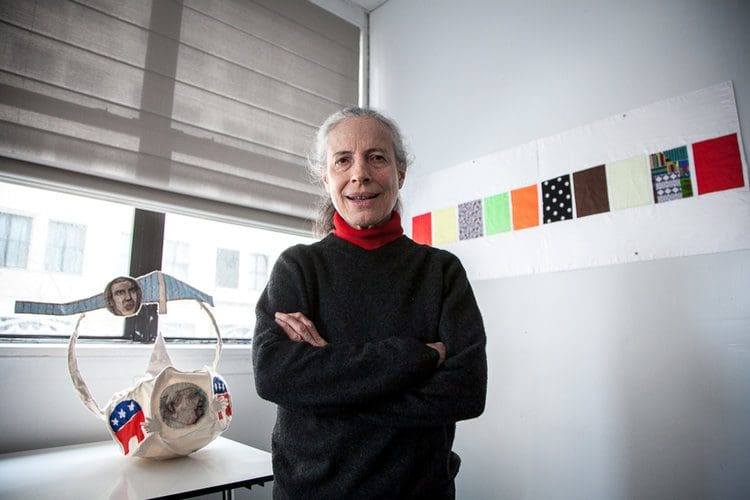
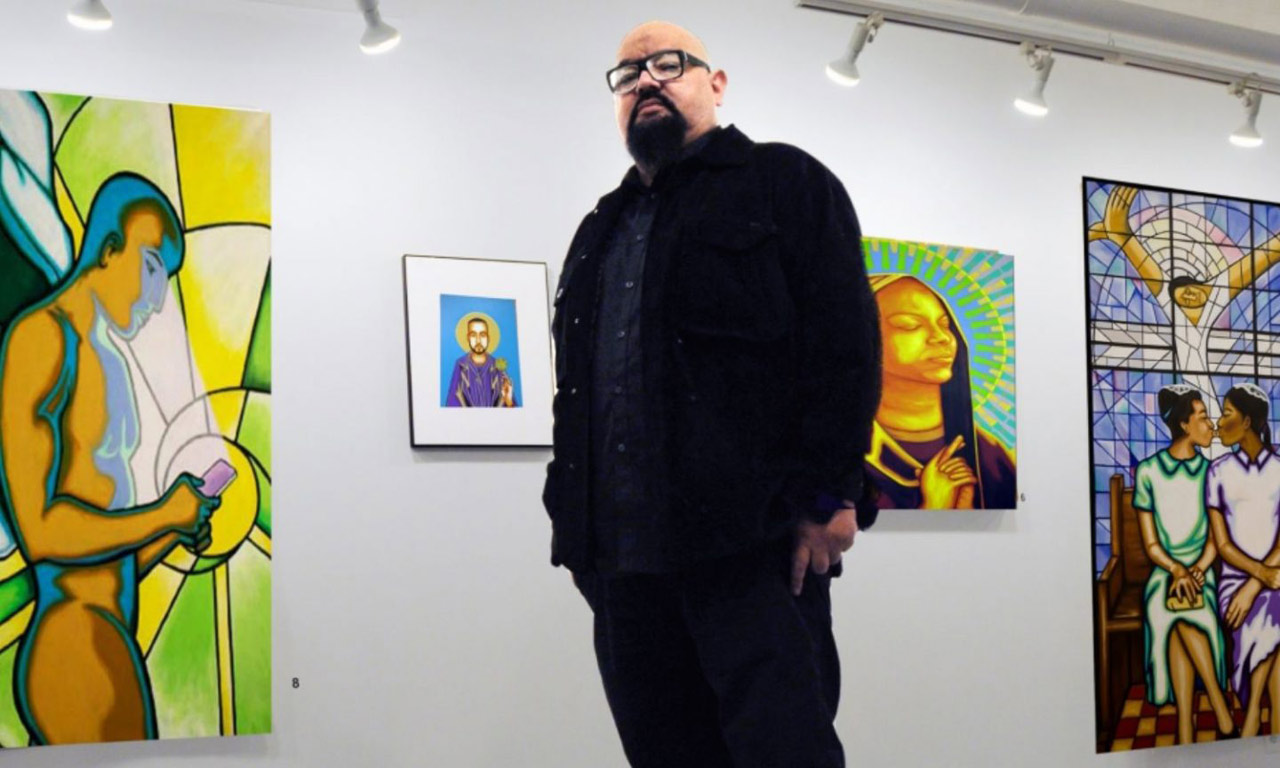
This philosophy is reflected in the museum’s exhibition strategy, which frequently highlights local artists, such as the featured works of Jo-El Lopez and the creative inquiries of Patricia Dahlman. By giving a platform to local talent, the museum validates the creative labor occurring in the city, turning the NMOA into a launching pad for the next generation of Newark’s cultural leaders.

When asked about the future of the museum, Harrison consistently points to the "Impact Reports." These documents are more than just PR collateral; they are strategic roadmaps that identify gaps in community service and provide metrics to ensure the museum is meeting its goals. Whether it is through the annual toy drives or collaborative educational partnerships with Newark Public Schools, the leadership team at NMOA is committed to a model of "radical relevance."
The Broader Implications for Urban Development
The success of the Newark Museum of Art holds significant implications for other American cities. The traditional model of museum management—which relies heavily on endowments and static exhibits—is becoming increasingly fragile. The NMOA’s pivot toward economic partnership and community development serves as a blueprint for how cultural institutions can survive and thrive in a 21st-century urban environment.
1. Museums as Economic Engines
By acting as a "third space" (neither home nor work), the museum provides a venue for networking, commerce, and social gathering. The revenue generated by visitors who travel to Newark specifically to visit the museum provides an injection of external capital into the city’s service sector.
2. Educational Equity
The NMOA’s educational programs serve as a crucial supplement to the local public school system. By providing high-quality art education, the museum helps to bridge the "opportunity gap" that exists in many urban centers, ensuring that children from all backgrounds have exposure to world-class art and historical context.
3. Identity and Civic Pride
Perhaps the most intangible but important implication is the role of the museum in shaping the city’s identity. By celebrating the history and the future of Newark through exhibitions and public programming, the museum fosters a sense of civic pride that is essential for social cohesion and long-term urban stability.
Looking Forward: Sustaining the Momentum
As the NMOA looks toward the future, the challenge will be to maintain this high level of engagement while continuing to innovate. With the release of their 2024 Impact Report, the museum has set a high bar for transparency and accountability. Future projects, as hinted at in their latest communications, suggest an even deeper integration of technology into the visitor experience and a continued expansion of partnerships with local community organizations.
The interview with Linda C. Harrison on NJ Biz Beat was not just a promotional appearance; it was a clear signal to the stakeholders of Newark that the museum is an active participant in the city’s development. In an age of digital distraction and urban flux, the NMOA has reaffirmed its status as a foundational pillar—not just of the art world, but of the city itself.
For those interested in exploring the depth of the museum’s work, the institution’s official website remains a treasure trove of information, including past impact reports, artist spotlights, and details on upcoming events. As Newark continues its trajectory of growth, the Newark Museum of Art is poised to remain a vital, resilient, and essential partner in that journey.
To watch the full segment of "NJ Biz Beat with Raven Santana" featuring Linda C. Harrison, visit the official NJ PBS website. For further reading on the NMOA’s recent initiatives, including the 2024 Impact Report and upcoming artist talks, please visit newarkmuseumart.org.
