

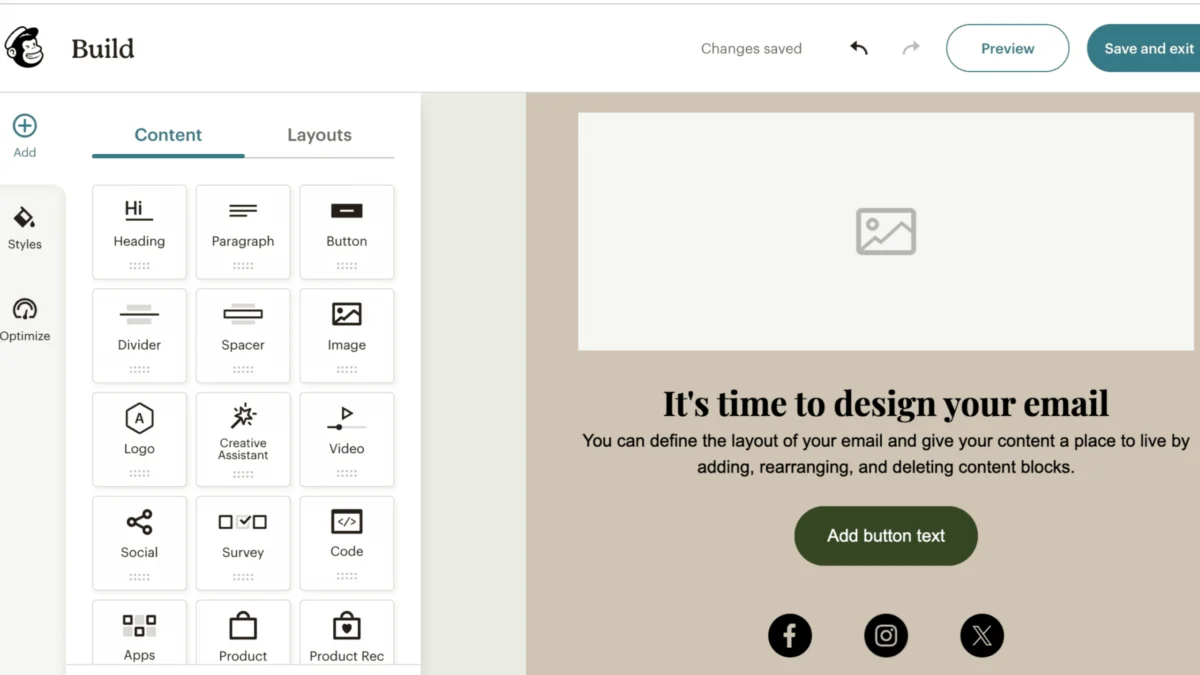
In the modern digital landscape, the inbox has become the ultimate battleground for attention. With an estimated 376 billion emails flooding global inboxes every single day in 2025, the "spray and pray" approach to email marketing is no longer just ineffective—it is actively detrimental to a brand’s digital health.
Many marketers operate under the false assumption that a lack of conversions stems from a weak product or lackluster copy. In reality, the culprit is often the medium itself: sending a singular, generic message to an entire database of subscribers. In an era of hyper-personalization and AI-driven insights, customers have grown immune to broad-spectrum broadcasts. However, when executed with precision, email remains the undisputed king of digital marketing ROI, yielding between $36 and $42 for every dollar spent.
The divide between campaigns that disappear into the "Promotions" tab and those that drive consistent revenue comes down to a fundamental shift in strategy. Here is how modern marketers are professionalizing their approach to move the needle.
1. Segmentation: Moving Beyond the "List"
The era of the monolithic mailing list is over. According to data from Campaign Monitor, segmented campaigns generate up to 760% more revenue than untargeted blasts. This is not merely an incremental gain; it is the difference between a self-sustaining marketing engine and a drain on your domain reputation.
The Lifecycle Approach
Effective segmentation begins by categorizing subscribers based on their position in the customer journey. By grouping users into cohorts—such as "New Sign-ups," "Active Buyers," and "Lapsed Customers"—marketers can tailor their messaging to the specific psychological needs of each group.
Keeping Data "Fresh"
A common pitfall is the "stale segment." A customer who engaged with your brand eight months ago is a fundamentally different prospect than one who clicked a link yesterday. Leveraging behavioral data through platforms like Campaigner or ActiveCampaign allows for dynamic segmentation. As a user interacts with your website or clicks through an email, their profile should automatically update, moving them into a more relevant nurture track. If a contact remains dormant for an extended period, an automated re-engagement sequence must trigger to win them back or purge them before they harm your sender reputation.

2. The Evolution of Personalization: Beyond the First Name
For years, inserting a subscriber’s first name into a subject line was considered the gold standard of personalization. Today, it is merely the baseline. While studies show that basic personalization can lift open rates by roughly 26%, true resonance is found in behavioral and purchase-history integration.
Dynamic Content Blocks
Modern email infrastructure allows for "dynamic content," where a single email template transforms based on the recipient’s data. For instance, a retail brand can send one newsletter where the main banner and product recommendations shift based on whether the reader is a repeat buyer or a first-time visitor. By pulling data directly from a CRM, marketers can ensure that the content is always relevant to the user’s specific history, turning a static message into a bespoke experience.
3. The Power of Behavioral Automation
Automation is the silent engine of modern e-commerce. Despite representing only 2% of total email volume, automated workflows account for nearly 37% of email-generated revenue.
Triggered Journeys
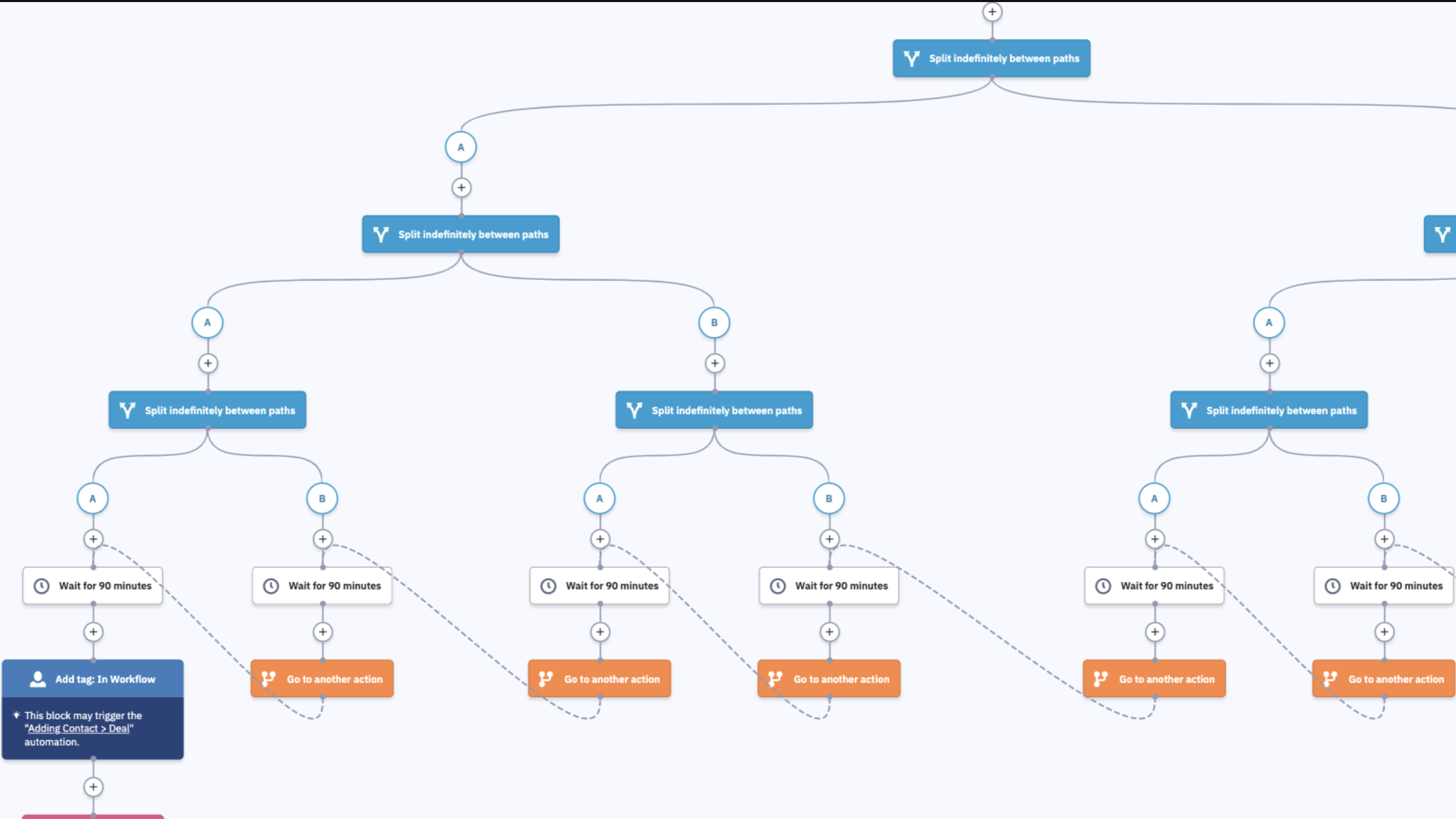
The highest-performing campaigns are not scheduled; they are triggered. When a user abandons a cart, clicks a specific product category, or completes a signup, they enter a pre-mapped journey. Abandoned cart sequences, for example, boast an average open rate of over 50% and conversion rates exceeding 3%. By utilizing visual workflow builders, marketers can create "if-this-then-that" logic that guides a customer from curiosity to checkout without requiring manual intervention.
4. The Scientific Method: A/B Testing for Impact
Many marketers approach A/B testing as a creative exercise. To be effective, it must be treated as a scientific experiment.
Defining Hypotheses
Before launching a test, define a clear hypothesis. Are you testing the impact of urgency in the subject line, or the efficacy of a button color? By changing only one variable at a time and waiting for a statistically significant sample size—usually at least 1,000 contacts per variant—marketers can isolate what actually drives performance.

Industry Standards vs. Internal Data
While research from Snov.io suggests that six-to-ten-word subject lines perform best, your own data is the ultimate authority. By maintaining a rigorous testing log, you can identify patterns unique to your audience, ensuring that every campaign is an iteration of previous learnings rather than a shot in the dark.
5. Deliverability: The Non-Negotiable Foundation
All strategy is moot if your email fails to reach the inbox. Deliverability is frequently ignored as a technical background task, but in 2025, it is the primary gatekeeper of success.
Authentication Standards
As Google and Yahoo continue to tighten their anti-spam requirements, authentication protocols like SPF (Sender Policy Framework), DKIM (DomainKeys Identified Mail), and DMARC (Domain-based Message Authentication, Reporting, and Conformance) have become mandatory. As of 2025, only roughly 33% of businesses have configured DMARC correctly, leaving the majority of organizations vulnerable to spoofing and poor inbox placement.
Hygiene and Reputation
Beyond authentication, list hygiene is paramount. A high bounce rate acts as a red flag to ISPs, suggesting that your list is either purchased or poorly maintained. Suppressing contacts who have not engaged in 90 to 180 days is not just "losing" leads; it is protecting the reputation of your domain to ensure that your active subscribers continue to receive your content.
6. Mobile-First Architecture
With 65% of all email opens occurring on mobile devices, the "desktop-first" design philosophy is obsolete. If an email requires zooming or side-scrolling, it has failed.
- Single-Column Layouts: These ensure maximum readability across various screen sizes.
- Typography: Body text should be at least 14px to ensure legibility.
- Touch Targets: Call-to-action buttons must be large and tappable, preventing the "fat finger" frustration that leads to immediate unsubscribes.
Data from ZeroBounce indicates that over half of mobile users will delete an email instantly if it does not render correctly. Mobile preview tools are no longer optional; they are a standard requirement for every campaign deployment.
7. Metrics that Matter: Moving Beyond the Open Rate
Since Apple introduced Mail Privacy Protection (MPP) in 2021, the "open rate" has lost its luster as a reliable KPI. Because Apple pre-loads images regardless of whether the user viewed the email, open rates are often artificially inflated.
The New Standard of Measurement
Professional marketers are shifting their focus to:
- Click-Through Rate (CTR): A clear indicator of content effectiveness.
- Click-to-Open Rate (CTOR): This metric isolates the performance of the email content itself by comparing clicks only against those who actually engaged with the message.
- Revenue Per Email: For e-commerce, this is the final word in success. It links the email channel directly to the bottom line, proving the value of the marketing effort.
The Path Forward
The future of email marketing is not about volume; it is about intent. By prioritizing authentication, embracing behavioral automation, and respecting the constraints of the mobile inbox, brands can navigate the noise of 2025.
The industry is moving toward a model where every email sent is a tailored, expected, and valued touchpoint. Those who cling to the "generic blast" will continue to see their deliverability plummet and their ROI erode. Those who adopt these data-backed strategies will find that the inbox remains one of the most powerful tools in the modern marketer’s arsenal—a direct line to the customer that, when nurtured correctly, pays dividends for years to come.
