

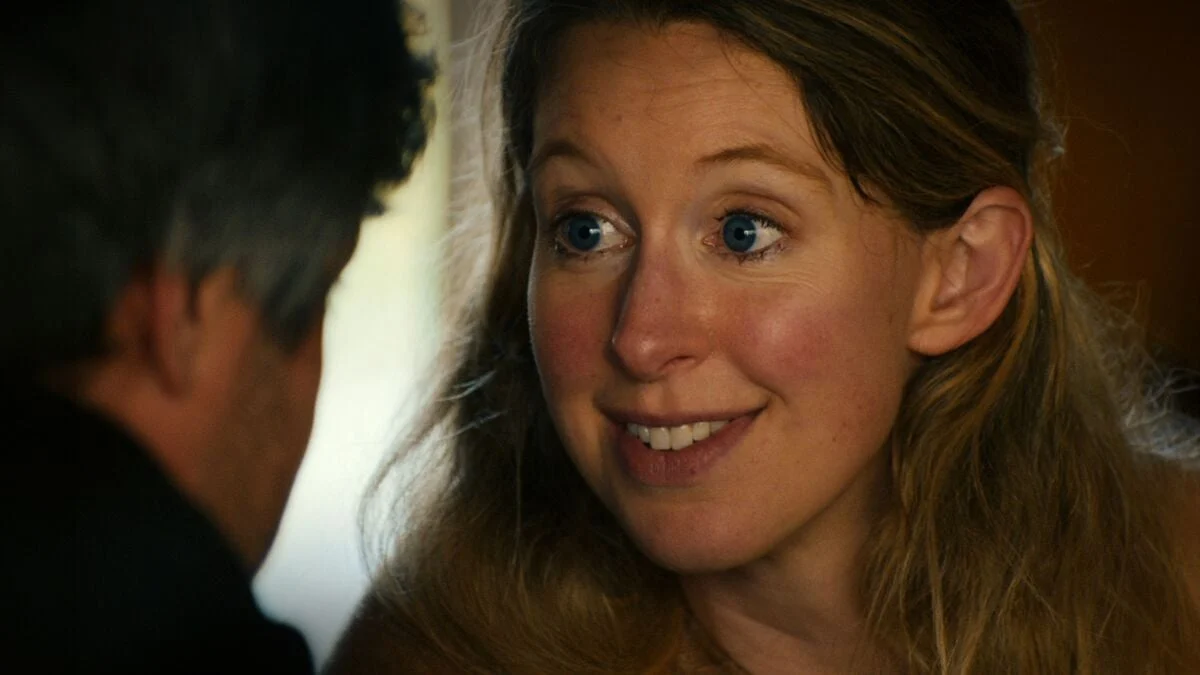
In the annals of documentary filmmaking, few projects have captured the zeitgeist with the ferocity of A24’s latest offering, You Can See Everything. Directed by the unlikely yet formidable duo of Nathan Fielder and Lance Oppenheim, the film—a deep-dive examination of the rise and fall of Theranos founder Elizabeth Holmes—has defied every conventional expectation of the non-fiction genre. Since its release on October 16, it has transformed from a niche cinephile curiosity into a genuine cultural juggernaut, sparking sold-out screenings, frantic Google searches, and a level of discourse rarely reserved for documentaries.
The Unprecedented Opening Weekend
The raw data from the film’s opening weekend paints a picture of a commercial anomaly. Despite its nearly three-hour runtime and a limited initial release strategy, You Can See Everything raked in an astounding $15 million. While it secured the #2 spot at the domestic box office, trailing only the blockbuster Street Fighter, its performance is arguably the more impressive feat.
Industry analysts have confirmed that this figure represents the largest opening weekend for any documentary in the last decade. In an era where audiences are increasingly conditioned to wait for streaming releases, the "must-see" status of the film has effectively turned theater-going into a communal event. According to reports from The New York Times, the film has already sold out more than 2,000 showtimes, creating a "scarcity premium" that has only fueled the public’s desire to secure a seat.
Chronology of a Viral Hit
The trajectory of You Can See Everything is a case study in modern marketing and organic internet fervor.
- Pre-Release Anticipation: Long before the first screening, rumors of Fielder and Oppenheim’s unique approach to the Holmes narrative—rumored to be a surreal, genre-bending exploration of deception—began to circulate on platforms like Letterboxd and X (formerly Twitter).
- October 16 – Opening Day: The film debuted in fewer than 1,000 theaters. Almost immediately, reports of "Sold Out" signage emerged from major metropolitan hubs, from New York City to Los Angeles.
- The Weekend Surge: By October 18, the term "You Can See Everything showtimes" had surged to the top of Google’s trending search queries. Moviegoers took to social media to express both their admiration for the film and their mounting frustration at the inability to find tickets.
- The Social Media Backlash: As the weekend progressed, a divide emerged between those who had successfully experienced the film in a crowded theater and those who were left empty-handed. The digital discourse became a mix of envy and urgency, effectively turning the movie into a FOMO-driven event.
- The Expansion Announcement: Responding to the mounting pressure and the clear demand, A24 announced that the film would expand to over 2,500 screens for its second weekend.
Supporting Data: Why This Film Resonates
Why are audiences flocking to a three-hour documentary in such large numbers? The answer lies in the intersection of true crime obsession and the specific directorial signatures of Fielder and Oppenheim.
The documentary does not merely recount the known facts of the Elizabeth Holmes trial; it allegedly interrogates the nature of "truth" in the digital age. By positioning the film as a theatrical experience rather than a "background watch" for streaming, A24 has tapped into a craving for shared reality.
Market data shows that the core demographic for the film spans from Gen Z—who are drawn to the "cringe-comedy" and surrealist elements often found in Fielder’s work—to older demographics who have followed the Theranos scandal since its inception. The "sold-out" status isn’t just a byproduct of limited screens; it is a testament to the film’s ability to act as a social currency. To have seen You Can See Everything is to be part of the current cultural conversation.
The A24 Factor and Official Responses
A24 has remained characteristically enigmatic regarding the specifics of the production. When the studio announced the massive expansion to 2,500 screens, they accompanied the news with an image of hands holding a yellow bowl—a cryptic nod that has sent fans into a frenzy of speculation.
The studio has been tight-lipped about whether they anticipated this level of demand or if the limited release was a calculated maneuver to build the very "hard-to-get" aura that is now driving ticket sales. When reached for comment, representatives for A24 maintained that their focus remains on "bringing the most compelling stories to the widest possible audience," though they declined to provide specifics on the production budget or the total number of prints distributed.
The Broader Implications for Cinema
The success of You Can See Everything has profound implications for the film industry, particularly for the documentary genre. For years, the documentary has been sidelined as "educational" or "streaming-only" content. This film proves that, when packaged with the right auteur vision, non-fiction can compete with, and even outshine, the typical Hollywood blockbuster.
The "Event" Documentary
We are witnessing a shift where documentaries are being treated with the same marketing weight as superhero franchises. By limiting the initial footprint, the studio created a vacuum that the audience was eager to fill. This "event-ization" of the documentary could lead to more studios taking risks on long-form, challenging non-fiction projects that would otherwise be relegated to the bottom of a streaming queue.
The Challenge of Distribution
However, the frustration expressed by those unable to find the film in their local theaters highlights a lingering issue: the disparity in theatrical accessibility. As theater chains struggle to remain relevant, they rely on films that can sell out auditoriums. The decision to expand to 2,500 screens is a massive vote of confidence from theater owners, who see this film as a lifeline for midweek and second-weekend revenue.
A Cultural Mirror
Ultimately, You Can See Everything is a mirror held up to our current obsession with grifters, tech-gurus, and the blurred lines between performance and reality. Elizabeth Holmes, as a subject, is the perfect vessel for this exploration. The film’s popularity suggests that audiences are not just interested in the "what" of her crimes, but the "how"—the psychological mechanisms that allowed an entire industry to be hoodwinked.
As the film moves into its second, wider release, the real test will be whether the momentum holds. Can a three-hour, high-concept documentary maintain its grip on the public consciousness as it moves into suburban multiplexes? If the opening weekend is any indication, the answer is a resounding yes.
For those still waiting to see the film, the expansion provides a glimmer of hope. But if the current trend is any indicator, those tickets will likely be just as elusive. In a media landscape crowded with content, You Can See Everything has managed to do the impossible: it has made the world stop, look, and scramble for a ticket, proving that when the story is right and the vision is sharp, the audience will always find a way to the theater.
Whether you are a fan of true crime, a devotee of Nathan Fielder’s brand of social experimentation, or simply a moviegoer looking for the next great cinematic conversation, You Can See Everything is, for better or worse, the film that defines this moment in time. Stay tuned for further updates as the film continues its historic run, and perhaps, by next weekend, we might finally understand what that yellow bowl truly signifies.
