

There is a distinct, rhythmic satisfaction to the pop of a wine cork—a sound that signals the beginning of a meal, a celebration, or a quiet evening. However, that sound is often replaced by a sinking feeling of frustration when you find yourself at a remote beach, a sprawling park, or a mountain cabin without the one tool designed to liberate your vintage: the corkscrew.
While the modern era of convenience offers wine delivery apps and ubiquitous grocery store aisles, the physical act of opening a bottle remains tethered to a specific, often absent, piece of hardware. Yet, according to some of the industry’s most respected beverage directors, a lack of equipment shouldn’t necessarily mean a lack of wine. We spoke with experts to determine how to handle these "cork-less" dilemmas with safety, strategy, and a touch of professional wisdom.
The Philosophy of the Improvisational Pour
"I’m not officially endorsing any of this," says Jules Bandy, general manager and beverage director at Hayward in Oregon’s Willamette Valley. "But in moments of true desperation, I have absolutely opened a bottle of wine with a pair of scissors. Was it elegant? Absolutely not. Was it effective? Shockingly, yes."
Bandy’s sentiment reflects a secret shared among hospitality professionals: while they are trained in the art of the perfect, silent pull, they are also realists. In the high-pressure environment of a restaurant or the spontaneous setting of a personal outing, improvisation is often the only path to the beverage. However, this isn’t an invitation to chaos. The pros emphasize that there is a fine line between a clever workaround and a ruined bottle—or worse, a trip to the emergency room.
Understanding the Stakes: Why Vintage Matters
Before you start rummaging through your toolbox or kitchen drawer, Edward Knight, general manager of Decant in Medford, Oregon, offers a critical caveat: context is everything.
The Fragility of Age
"I would not try any of these methods with an older or more delicate bottle," Bandy warns. The chemistry of a cork changes over decades. As a wine ages, the cork loses its elasticity and can become brittle or dry. If you attempt an unconventional removal on a 20-year-old vintage, you are almost guaranteed to end up with a bottle full of cork crumbles, effectively ruining the wine.
The Right Bottle for the Right Setting
Knight notes that there is a social hierarchy to wine consumption. "I’d think the consumption of an older bottle is a little less whimsical," he says. "These bottles should be enjoyed in a controlled environment, like a dining room, where you have the proper tools to preserve the integrity of the cork." If you find yourself in a situation where you lack a corkscrew, you are likely enjoying a "whimsical" bottle—a young, robust wine that can handle a bit of rough handling. Save your precious cellar treasures for nights when you have the right gear.
Safety Protocols: What to Avoid
The internet is rife with "life hacks" for opening wine, many of which involve excessive force or potentially dangerous implements. Knight is adamant about avoiding "saber-style" techniques or anything that involves high-velocity impact.
"Joking aside, I think methods that use an excessive amount of force should be avoided," Knight explains. "It is incredibly easy to break the glass, resulting in a severe injury or the total loss of your wine."
The Scissors Technique
If you are going to use a tool, choose one that allows for controlled movement. Bandy suggests a pair of scissors, but with specific instructions:
- The Insertion: Wedge one blade of the scissors as far into the center of the cork as possible.
- The Torque: Slowly twist while pulling upward.
- The Stop: If the cork begins to crumble or split, abandon the effort. "Go slowly," Bandy advises. "If it starts to sink or disintegrate, you’ve hit a point of no return."
The Thermodynamics of Air Pressure
If you have access to a heat source—such as a small lighter or a match—you can utilize the physics of air expansion to your advantage. This is perhaps the most "professional" of the unconventional methods, as it avoids damaging the cork entirely.
How it Works
There is a small pocket of air between the bottom of the cork and the surface of the wine. By applying heat to the glass neck directly below the cork, the air inside the bottle expands. As the air pressure increases, it gently pushes the cork upward.
Pro Tip: This method is effective because it keeps the cork intact, preventing the issue of floating debris. However, exercise extreme caution: glass can crack if subjected to uneven or extreme heat, so move the flame continuously to warm the area gradually.
The "Last Resort" Strategies: Pushing Through
If the cork refuses to budge, you have two primary options: the "shoe" method or the "push-through" method. Our experts have strong opinions on both.
The Myth of the Shoe
You may have seen videos of people hitting the bottom of a wine bottle against a wall while wearing a shoe. Bandy clarifies that this is largely a theatrical stunt. "This method typically only works with sparkling wine or a very specific type of pressure," she says. "I’ve seen this attempted in a car, which should tell you everything you need to know about the level of commitment—and potential for disaster—involved." It is, by all accounts, an unreliable and messy endeavor.
The Push-Through Method
When all else fails, Knight suggests the most pragmatic solution: push the cork into the bottle.
"Although it leaves the cork inside the wine, I believe using a pen, the handle of a wooden spoon, or a screwdriver is the safest method," Knight explains. "I’ve always thought that a little cork in the wine isn’t going to hurt me."
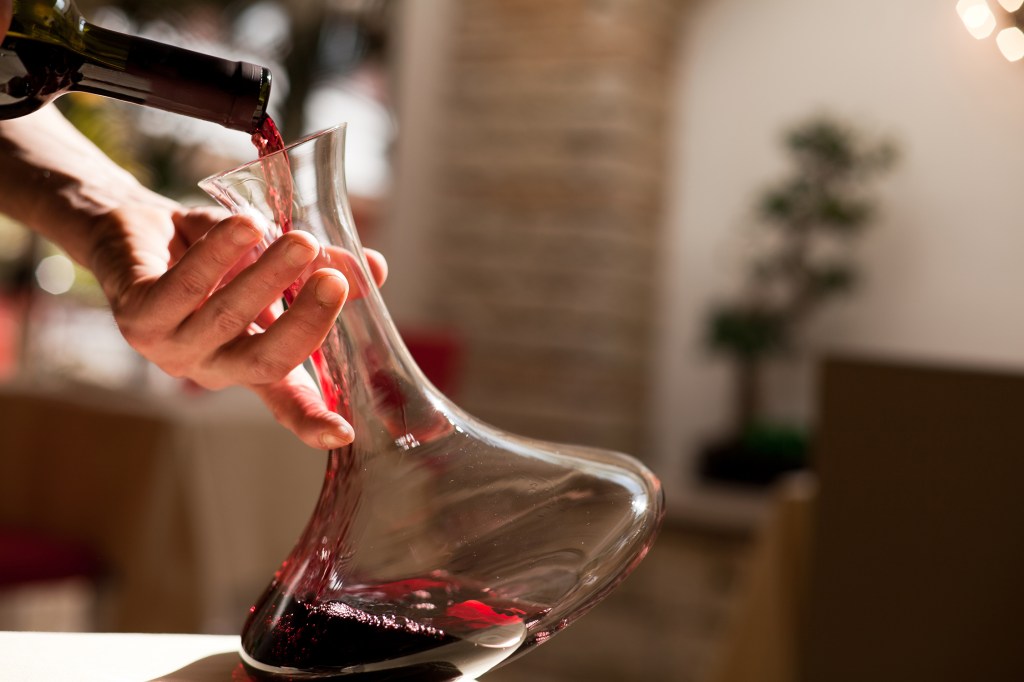
Once the cork is submerged, the wine is accessible. If you are concerned about bits of bark in your glass, simply pour the wine through a fine-mesh strainer or a clean cloth into a decanter.
Chronology of an Improvisation
To summarize the professional workflow when a corkscrew is absent, follow this chronological order of operations:
- Assessment: Evaluate the wine. Is it an expensive, aged bottle? If yes, find a corkscrew. If no, proceed.
- The Tool Check: Look for a blunt, sturdy implement (spoon handle, pen) rather than a sharp one.
- The Thermal Test: If you have a lighter, try the heat expansion method first. It is the least invasive.
- The Leverage Test: If heat fails, use the scissor-twist method, applying minimal, consistent pressure.
- The Finality: If the cork is stubborn, use a blunt object to push it into the bottle.
- The Recovery: If needed, strain the wine to remove any cork fragments.
Implications for the Casual Drinker
The most important takeaway from the beverage experts is that the tool does not define the experience. Whether you are in a high-end restaurant or a park, the "wine experience" is ultimately about the company you keep and the enjoyment of the beverage itself.
While these hacks serve as a bridge during moments of necessity, they are not intended to replace the traditional corkscrew. The ritual of the opening is part of the charm of wine culture. However, should you find yourself in the woods without a tool, rest assured: the pros have been there, done that, and still managed to enjoy a glass.
"Wine is meant to be consumed," Knight concludes. "If you have to push the cork in to get there, that’s just a story you’ll be telling over the first glass."
As you navigate your next excursion, remember: keep your corkscrews packed, but don’t let a missing piece of metal keep you from the bottle. Just be patient, be careful with the glass, and keep your standards—and your expectations—flexible. After all, the best wine is the one that actually makes it into your glass.
