

"Love is dead." It is a phrase that has echoed across the digital landscape with alarming frequency throughout 2026. For the modern fan, the dissolution of a high-profile romance feels less like a piece of celebrity gossip and more like a personal betrayal of the romantic ideals we project onto the stars.
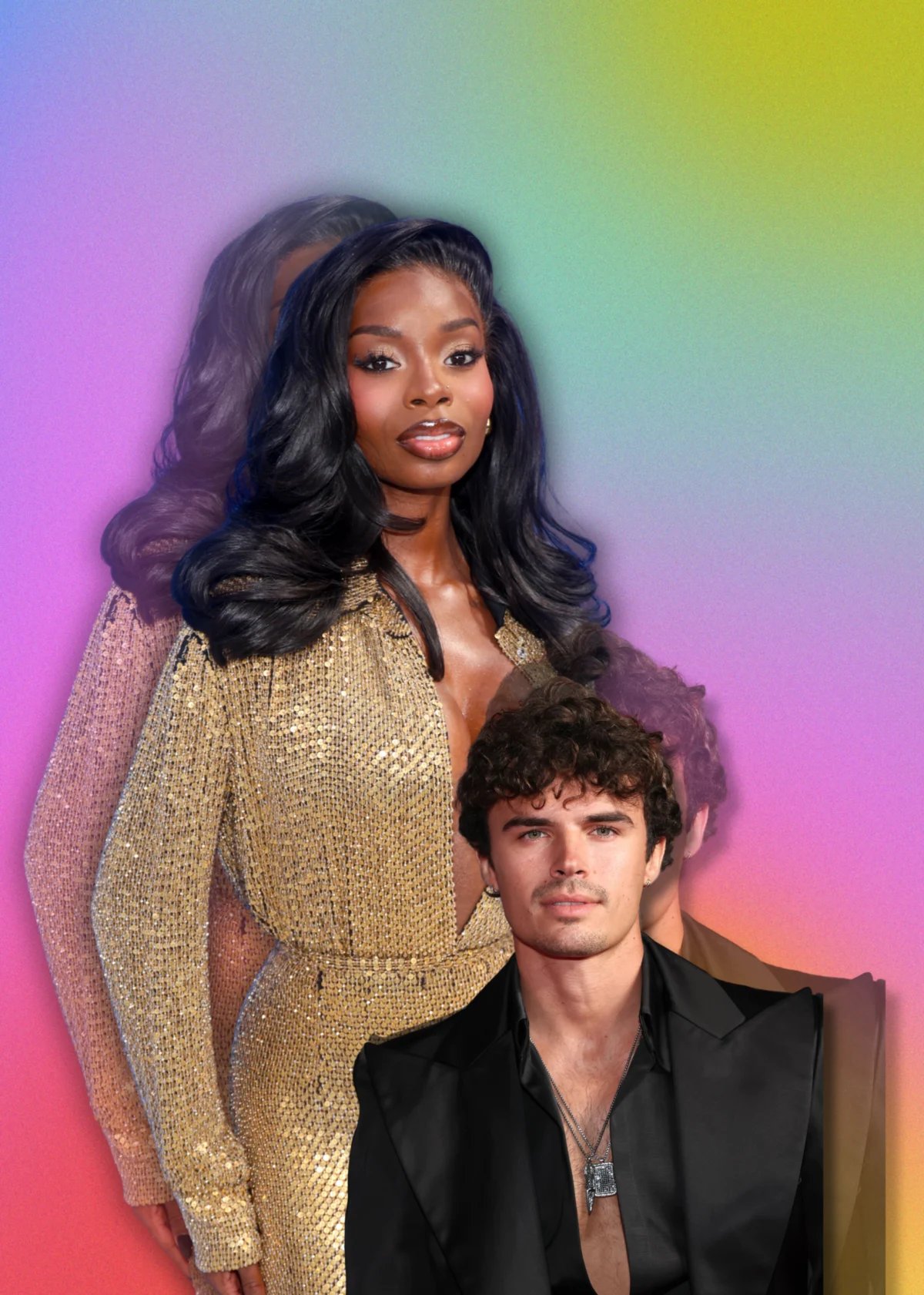
The latest casualty in this season of heartbreak is the widely followed Love Island Season 7 couple, Olandria Carthen and Nic Vansteenberghe. After a year of intense public scrutiny and viral moments, the duo has officially confirmed their split. As the "Nicolandria" hive grapples with the news, it serves as a poignant reminder of our collective obsession with celebrity relationships and the psychological weight we place on them.
The Nicolandria Split: A Timeline of a Modern Romance
The relationship between Olandria Carthen and Nic Vansteenberghe was, by all metrics, a digital phenomenon. Born in the high-pressure, voyeuristic environment of Love Island, their connection was documented from the very first spark. Unlike traditional celebrity romances that flourish behind closed doors, theirs was played out in front of millions, creating a level of intimacy that blurred the lines between reality television and actual reality.
Following their exit from the villa, the pair maintained a consistent, albeit curated, presence on social media. They were the poster children for the "post-reality TV" success story. However, cracks began to show in the public facade, leading to the confirmation of their breakup via PEOPLE magazine.
According to sources close to the couple, the decision to part ways was mutual. The primary culprits? The same factors that haunt any modern working couple, amplified by the lens of fame: distance and grueling schedules. "The distance between them and their busy schedules made it challenging to maintain their connection," the source claimed. Despite the heartbreak for fans, the source emphasized a narrative of amicable transition: "They still remain close friends. They share a deep love and respect for each other and will always support one another whenever possible."
A Year of "The Split": The 2026 Landscape
The dissolution of the Carthen-Vansteenberghe union is merely one chapter in a broader narrative of 2026. This year has seen a staggering number of high-profile breakups that have left the public reeling.
- Margaret Qualley and Jack Antonoff: Following their surprise split, reports indicated the pair were "figuring things out," a sentiment that often leaves the public holding onto a thin thread of hope for reconciliation.
- Ariana Grande and Ethan Slater: This split sparked a flurry of internet speculation, particularly following rumors of Grande reconnecting with her former flame, Ricky Alvarez.
- Sue Bird and Megan Rapinoe: The separation of this iconic power couple hit particularly hard, drawing widespread mourning from fans who viewed them as a gold standard for enduring partnership.
- Megan Thee Stallion and Klay Thompson: Their breakup served as another stark reminder that even those who seem to possess it all—wealth, status, and beauty—are not immune to the volatility of romance.
Each of these headlines triggered a distinct response on social media: speculation, rage, and a profound, collective sense of mourning.
The Mechanics of Parasocial Grief
Why do we care so much? To answer this, one must look at the psychological underpinnings of celebrity worship. Dr. Marny Lishman, a noted psychologist, suggests that the interest is rooted in both curiosity and identification.
"At some level, their lives are so unattainable and almost fantasy-like to us, but at another level, many of the same trials and tribulations they endure are not unlike our own," Dr. Lishman explains.
We live vicariously through these couples. When we are single, we look to them for hope; when we are in relationships, we unconsciously benchmark our own success against theirs. When a "perfect" couple breaks up, it feels like a violation of the contract we have with them—a promise that, if they can make it work, there is hope for the rest of us.
"We idolize their relationships just as we idolize the celebrity," says Dr. Lishman. "When the ‘seemingly perfect’ relationship ends, we grieve for the ending of what we perceived as perfection. We see a fairly edited version of reality, so it’s hard to understand why a seemingly perfect relationship would end."
The "Relationship Goals" Trap
The term "#RelationshipGoals" has, over the last decade, evolved from a lighthearted social media tag into a problematic social construct. In a 2021 analysis by Refinery29, it was noted that the fetishization of celebrity couples often prioritizes the maintenance of a brand over the authenticity of a connection.
When fans project the idea of the "power couple" onto stars—viewing them as down-to-earth yet aspirational—they are inadvertently setting a standard that no real-world human can meet. When these couples inevitably struggle, the public reaction is one of shock rather than understanding. As one fan, 23-year-old Nina, put it: "When couples you look up to split up, it kind of gives you a ‘romance and love are dead’ feeling, which sucks."
This "pedestal effect" creates a reality check for fans. The sudden collapse of a celebrity marriage is a harsh reminder that no one is immune to the difficulties of love, commitment, and personal evolution.
The Digital Echo Chamber
Social media has fundamentally altered how we process these breakups. In the past, a celebrity breakup was a blip in a newspaper. Today, it is a multi-day event characterized by timeline analysis, deep-dive videos, and invasive commentary.
The rise of reality television—where the entire origin story of a couple is captured on camera—has heightened the sense of "ownership" fans feel. Unlike the era of tabloid-only celebrity, today’s fans feel they have been on the journey from the first kiss to the final, cryptic Instagram post. This creates an environment where audiences feel entitled to the truth, leading to toxic behavior like the relentless speculation seen in the aftermath of the Olandria Carthen and Travis Scott rumors.
When Olandria was forced to address false claims circulating on the gossip platform DeuxMoi, the incident highlighted the darker side of this parasocial relationship. Her defense—and the subsequent legal posturing—showed that while fans view these lives as public entertainment, the individuals involved are struggling to protect their privacy in an age of constant surveillance.
Implications: Moving Forward
Is it possible to be a fan without the obsession? Perhaps, but the data suggests we are nowhere near that point. The sheer volume of traffic generated by celebrity breakup news ensures that media outlets will continue to cover these stories with the intensity they deserve.
The reality, as Dr. Lishman points out, is that celebrities are "complex, imperfect creatures that go through highs and lows in life, just like we do." They lose love, they grieve, they get rejected. The sooner we accept that, the less devastating the "end of an era" will feel.
Yet, there is a silver lining. Our continued interest in celebrity love stories—and our desire to see them work—is a testament to our enduring belief in romance. Whether it’s the hope that Jennifer Lopez and Ben Affleck might find their way back to each other, or the simple desire to see our favorite reality stars find happiness, our investment is a reflection of our own human desire for connection.
As we turn the page on the Nicolandria era, it is worth remembering that hope is not dead, and neither is love. It is simply changing. In the age of the curated life, the most radical act may be to recognize that even the most "perfect" fairy tales are just people, doing their best, navigating the same messy, beautiful, and unpredictable path as the rest of us.
Perhaps the real "relationship goal" is not finding a partner who never breaks up, but learning to gracefully move forward when the curtain finally falls.
