

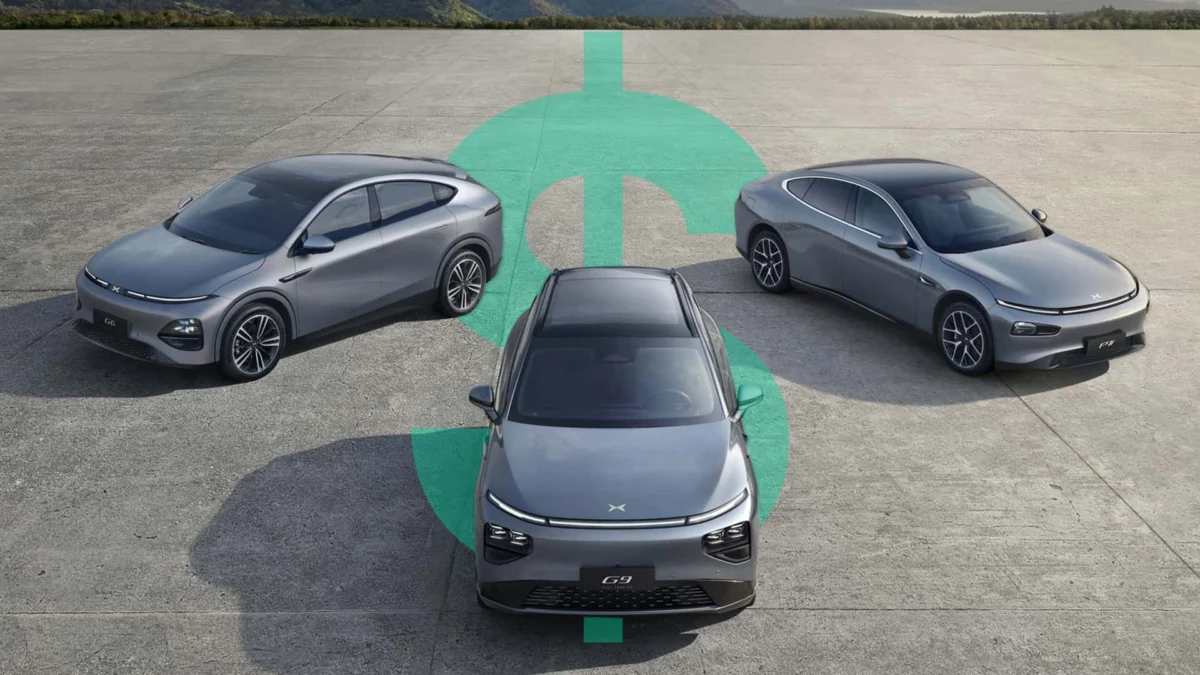
For motorists in the United States, the Xpeng badge remains a relative mystery, a nameplate relegated to trade journals and tech-focused automotive forums. However, across the Atlantic, the landscape is shifting. Xpeng is no longer a peripheral player; it has become a central figure in the wave of Chinese manufacturers aggressively capturing market share from Europe’s century-old automotive dynasties. With a bold new mandate to scale its operations, Xpeng is signaling that its ambitions extend far beyond its domestic borders.
CEO He Xiaopeng recently unveiled a roadmap that seeks to more than double the company’s global delivery figures by the end of the decade. At the heart of this transformation is a singular, high-stakes bet: Europe.
The Scale of Ambition: A Million-Vehicle Goal
Last year, Xpeng reported global deliveries of just under 430,000 vehicles. While impressive for a relatively young company, it is a fraction of the output of legacy giants like Volkswagen or Toyota. Yet, in a recent briefing with Bloomberg, He Xiaopeng outlined a vision for 2030 that demands nothing short of hyper-growth.
The target is 1 million annual deliveries by the turn of the decade. More remarkably, Xpeng expects half of that volume—500,000 units—to be generated within the European theater. To understand the magnitude of this goal, consider that since its initial entry into the region in 2020, Xpeng has moved only 60,000 units. To reach 500,000 annual sales by 2030, the company must effectively reinvent its European logistics, manufacturing, and brand presence overnight.
To put this in perspective, Ford, an automaker with a European heritage spanning over 115 years, recorded 426,000 sales in the region last year. Xpeng is effectively proposing to surpass a titan that helped build the European automotive industry, doing so in less than half the time Ford took to establish its initial European dominance. While it is true that Ford’s European sales have been in a long-term decline—dropping from highs of 1 million units annually a decade ago—the sheer audacity of Xpeng’s target highlights the aggressive nature of the new guard of Chinese OEMs.
A Chronology of Expansion: From Import to Localization
The trajectory of Chinese EVs in Europe has evolved rapidly, moving from experimental pilot programs to full-scale strategic integration.
- 2020–2022: The Beachhead Phase. Xpeng entered the European market with initial launches in Norway, targeting early adopters and tech-savvy consumers. The focus was on establishing brand trust and testing the feasibility of their software-heavy infotainment systems in a foreign regulatory environment.
- 2023: Strategic Partnerships. Recognizing the limitations of relying solely on imports, Xpeng began exploring deeper manufacturing ties. The decision to contract with Magna Steyr in Austria to produce specific models served as a vital bridge, allowing the brand to bypass some of the logistical hurdles associated with long-distance shipping.
- 2024–2025: Regulatory Adaptation. The European Union’s implementation of stricter local content requirements for electric vehicles marked a turning point. Xpeng’s move to expand its manufacturing footprint shifted from a "desirable" goal to a "necessary" survival tactic to avoid punitive tariffs and regulatory barriers.
- 2026 and Beyond: The Localization Push. Current initiatives, as stated by Vice President Yeqing Zheng, involve a pivot toward expanding localized production capacities. With Magna’s existing facilities proving insufficient to meet the aggressive 2030 targets, Xpeng is actively scouting for expanded production capabilities within the bloc.
Supporting Data: The Mechanics of Market Penetration
Why is Xpeng confident it can capture such a significant share of a saturated market? The answer lies in the "tech-first" value proposition. Chinese EVs entering Europe are characterized by high-density, software-defined architectures, rapid charging capabilities, and pricing strategies that undercut European equivalents.
While legacy manufacturers have struggled with the transition from internal combustion engines to software-defined vehicles, Xpeng has utilized its agility to integrate advanced driver-assistance systems (ADAS) and high-end infotainment as standard features.
Market Comparison Snapshot:
- Legacy Automakers: Often hampered by high overhead costs and the need to sunset existing engine production lines.
- Xpeng: Built on a "native-EV" architecture, allowing for lower production costs per unit and more frequent OTA (over-the-air) software updates that keep vehicles competitive for longer periods.
- The Price Gap: Through vertical integration and proximity to the world’s most advanced battery supply chain, Xpeng can offer vehicles with premium features at mid-market price points, a segment currently being abandoned by European brands as they struggle with profitability.
Official Responses and Strategic Shifts
The pressure from both the European Union and the company’s internal growth targets has prompted a candid response from Xpeng’s leadership. Vice President Yeqing Zheng recently confirmed to Reuters that the current manufacturing arrangement with Magna is effectively hitting a ceiling.

"The output of vehicles at Magna is not even sufficient to meet our sales goal," Zheng noted, underscoring that the status quo is incompatible with the 500,000-unit objective.
This admission serves as a catalyst for future investment. For the European Commission, which has been debating local content rules to protect domestic jobs, Xpeng’s move toward local manufacturing is the exact outcome they aimed for. By forcing Chinese automakers to build in Europe, the EU hopes to foster a competitive environment where knowledge transfer and local employment remain anchored within the continent.
The Implications: A Shifting Power Dynamic
The implications of Xpeng’s strategy are profound. If they succeed, they will have proven that a "born-digital" Chinese automaker can overcome the institutional weight of heritage brands. However, the path forward is fraught with challenges.
1. The Regulatory Landscape
The EU is increasingly sensitive to the "China threat." Trade tensions, potential tariffs, and local content requirements mean that Xpeng is essentially playing a game of chess against regulators. Any misstep in its localization strategy could result in significant financial penalties that would derail its 2030 roadmap.
2. Brand Perception
Price and tech are powerful, but long-term success in Europe requires brand equity. European consumers have long favored established marques for their perceived safety, reliability, and resale value. Xpeng must move beyond being a "value option" and establish itself as a premium, reliable alternative to incumbents like BMW, Audi, and Volkswagen.
3. The Infrastructure Hurdle
Scaling to 500,000 cars annually requires more than just factories; it requires a robust service, repair, and charging network. Building this infrastructure in a fragmented European market is an enormous capital drain that will test the company’s cash flow and investor patience.
4. Competitive Response
Legacy automakers are not sitting still. Volkswagen’s recent push for affordable, entry-level EVs and the collective efforts of the European auto industry to consolidate battery production suggest that the market will become significantly more competitive by 2028. Xpeng will not be the only player fighting for the "affordable-yet-tech-rich" segment.
Conclusion: The Road to 2030
Xpeng’s goal of reaching 1 million global deliveries, with half coming from Europe, is one of the most audacious strategies in the modern automotive era. It is a direct challenge to the status quo, predicated on the belief that the future of mobility is defined by software integration and efficient, localized manufacturing.
As the company transitions from an importer of vehicles to a potential local manufacturer in Europe, it will face intense scrutiny from competitors, regulators, and consumers alike. Whether Xpeng becomes a household name in Paris, Berlin, and Madrid, or whether it becomes a cautionary tale of over-ambition, remains to be seen. What is certain, however, is that the competitive landscape of the European automotive market has been permanently altered. The "Blue Oval" and its peers are no longer just fighting each other; they are fighting for the very right to define the next generation of the European car.
