

In the wake of the rapid, transformative rise of generative artificial intelligence, a quiet but profound shift is reshaping the American workforce. For decades, the path to middle-class security was paved with four-year degrees and office-based roles in marketing, software development, and administration. Today, that trajectory is being questioned by a generation of young workers who view the digital landscape not as a gateway to opportunity, but as a volatile minefield of potential obsolescence.
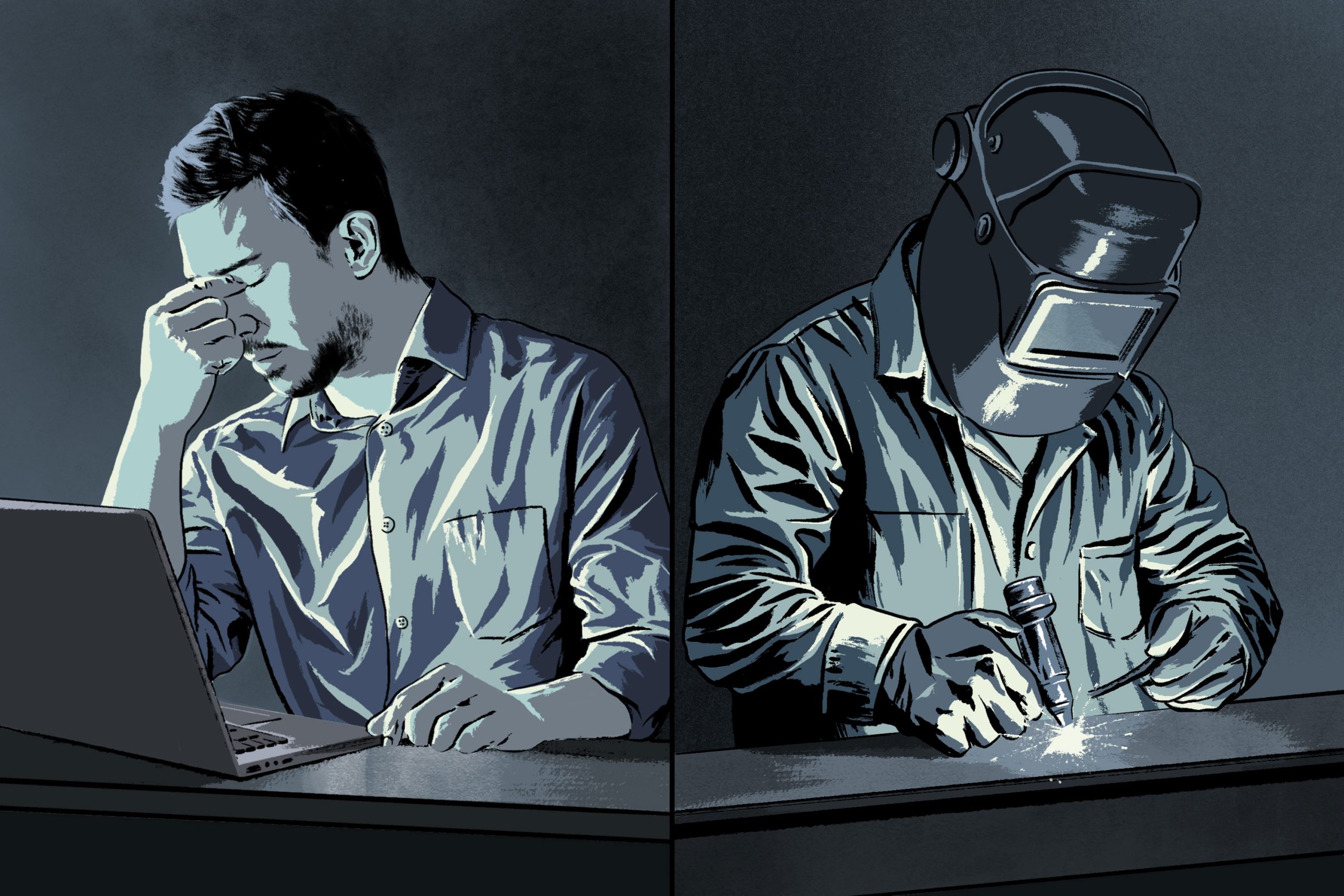
Across the United States, recent graduates and young professionals are pivoting away from white-collar sectors. They are swapping keyboards for toolbelts, lecture halls for job sites, and software suites for skilled trades. Driven by a visceral fear of automation, these workers are seeking "AI-proof" careers—jobs that require physical dexterity, human connection, and the kind of nuanced, on-the-spot problem-solving that remains, for now, beyond the reach of algorithms.
The Catalyst: A New Era of Professional Anxiety
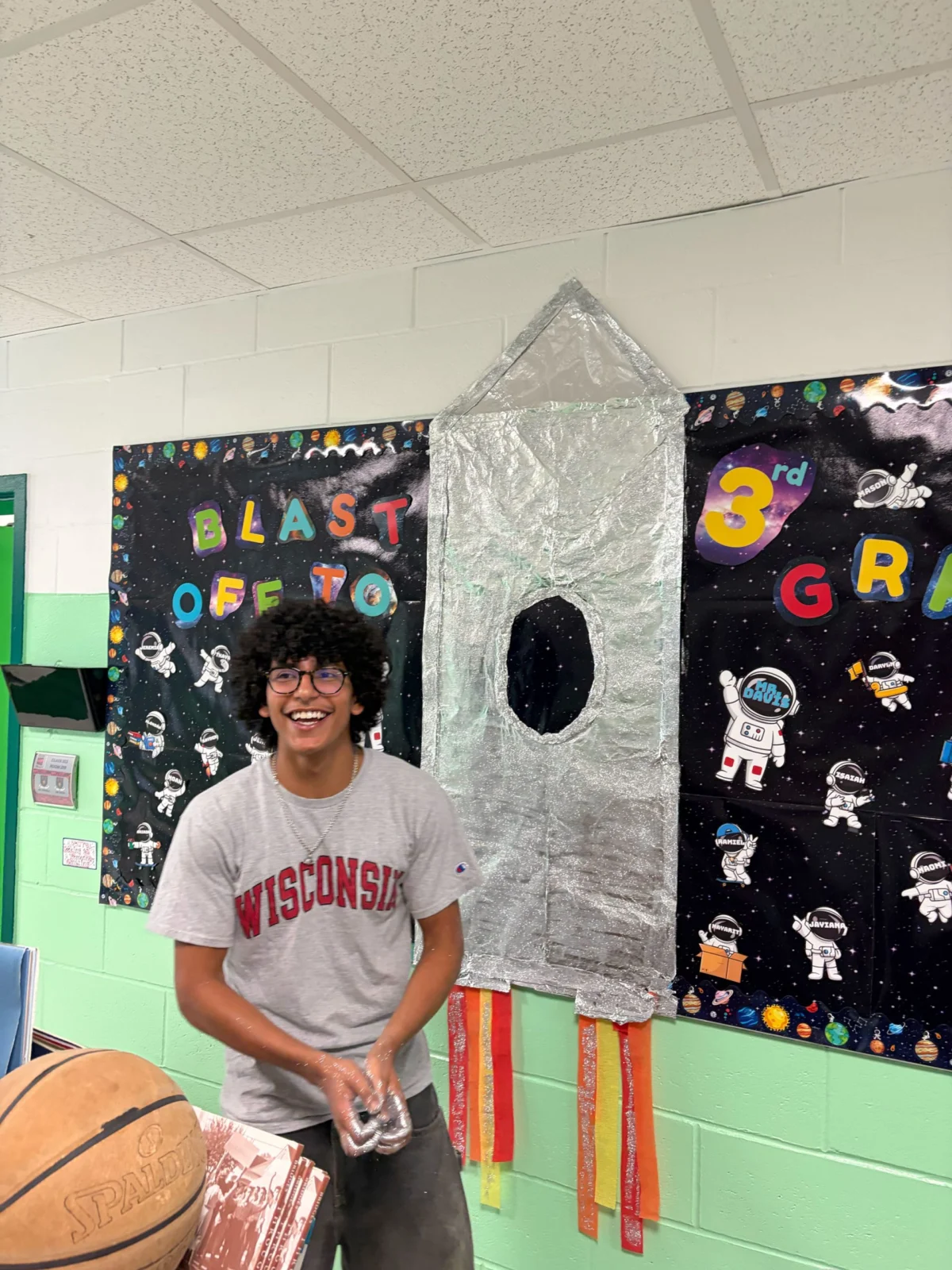
Keon Davis, a 2024 graduate of the University of Wisconsin-Madison, provides a clear lens into this cultural shift. During his junior year, the arrival of ChatGPT initially seemed like a convenient productivity hack. He utilized it for his marketing studies, but the utility quickly curdled into apprehension. During a summer internship, he watched in real-time as the AI automated the very tasks he was hired to perform—crafting outreach emails and conducting consumer research.
"Seeing how easily I might be replaced was one reason I changed direction," Davis recalls. Just months before his graduation, he abandoned his marketing career path to join Teach for America. Today, he manages a third-grade classroom in New York City. For Davis, the appeal of teaching is its inherent resistance to automation. "It’s about building trust, understanding individual needs, and helping children believe in themselves," he says. "Stuff like that cannot be automated."
Chronology of a Career Shift
The timeline of this transition aligns sharply with the acceleration of AI technology:
- November 2022: The public launch of ChatGPT serves as the "canary in the coal mine" for white-collar workers, exposing the vulnerability of desk-bound tasks to language models.
- 2023–2024: As AI tools become integrated into corporate workflows, layoffs in sectors like marketing, customer service, and entry-level coding begin to mount, sparking widespread job insecurity among Gen Z.
- May 2024: Workers like Kevin Brough are formally laid off from software development roles. Brough, noting the rapid advancement of AI coding tools, chooses to leave the tech industry entirely.
- Summer 2025: Enrollment trends solidify; trade schools and apprenticeship programs report massive spikes in applicants from white-collar backgrounds.
- 2026: Federal and institutional data confirm a distinct divergence: computer science enrollment dips, while demand for human-centric professions like nursing and trade apprenticeships reaches historic highs.
Supporting Data: The Shrinking White-Collar Horizon
The concerns driving these career changes are supported by empirical data. According to a recent Pew Research Center poll, 73 percent of adults under 30 believe AI will lead to fewer available jobs, a significant jump from 61 percent just two years prior.
The economic reality matches the sentiment. Research from the Stanford Digital Economy Lab indicates that between November 2022 and June 2026, workers aged 22 to 25 in "high-exposure" AI roles—such as customer service and software development—saw a 19-percent decline in employment compared to their peers in "low-exposure" roles, such as maintenance, repair, and healthcare support.
Educational institutions are feeling the ripples. The National Student Clearinghouse reports a shift in enrollment away from traditional computer science programs toward health professions. Meanwhile, vocational training is booming. Rosedale Technical College in Pittsburgh has seen enrollment grow by 50 percent in two years, with 80 percent more inquiries from individuals looking to flee the volatility of the tech and corporate sectors.

Case Studies: From Code to Concrete
The transition is rarely easy, yet for many, the trade-off is worth the stability.
Kevin Brough, 34, spent years as a software developer before being laid off in May 2024. After witnessing the capability of AI to write functional code, he realized his profession was facing a structural change. He enrolled in an automotive technology program. Today, he spends his days performing mechanical repairs—tasks requiring physical touch and tactile problem-solving that he believes will remain safe for decades. "I never thought I’d be changing from software development," Brough admits, "but here I am."
For others, the shift involves a harder physical toll. Meagan Acevedo, 33, experienced the erosion of her retail and HR career as self-checkouts and chatbots decimated her department. She chose to enter a six-year apprenticeship as an industrial construction electrician. While she now enjoys the security of a union-backed position with full benefits, the transition has been demanding. Waking at 3:00 a.m. to lift 75-pound spools of wire is a stark departure from her office-based past. "I’ll be honest, all of it was kind of rough," she says, yet she remains firm in her resolve: "I feel like I can see where my career is going."
The Education and Policy Gap
The trend of "AI-proofing" careers is putting universities in an awkward position. If the degree a student earns today is obsolete by the time they graduate, the value proposition of higher education suffers. Some institutions are reacting; Purdue University, for instance, has implemented an "AI working competency" mandate, requiring students to master AI tools in their respective fields rather than hide from them.

However, the broader systemic issue remains the lack of a federal safety net. While some economists suggest that current layoffs are merely a correction from pandemic-era over-hiring, the long-term threat of automation remains a central concern.
Policy experts are divided on the solution:
- The Pro-Retraining Bloc: Figures like former Biden official Jacob Leibenluft have called for a federally funded program—modeled after trade adjustment assistance—to retrain workers specifically displaced by AI.
- Corporate Proposals: Major AI firms, including OpenAI and Anthropic, have floated proposals for portable health insurance, wage insurance, and training grants, though these remain voluntary and largely unimplemented.
- Legislative Stagnation: In Washington, proposals from senators like Mark Kelly (a federal trust fund for reskilling) and Bernie Sanders (an excise tax on AI-driven job displacement) have yet to gain the traction of formal legislation.
Implications for the Future of Work
The "Great Pivot" suggests a fundamental reassessment of the American Dream. The prestige associated with office-based "knowledge work" is being eclipsed by a newfound respect for "essential labor." As the demand for solar installations, data center construction, and building maintenance surges, the trades offer a level of job security that many office workers currently find lacking.
However, the path is not without its failures. As seen with the case of Cassie, a 31-year-old who pursued a degree in forensic science hoping to escape the instability of freelance journalism, the transition to a new field is often hampered by systemic barriers—such as hiring preferences for veterans or lack of entry-level access.

Ultimately, the move toward hands-on, human-centric, and trade-based careers represents more than just a reaction to technology; it is a search for agency in an age of uncertainty. As long as workers feel that the digital economy is designed to replace them rather than empower them, the migration to the trades will likely continue. For those like Meagan Acevedo and Keon Davis, the trade-off—whether it’s early mornings, physical strain, or the challenge of learning a new craft—is a small price to pay for the feeling that their future is, at last, back in their own hands.
