

In an era defined by political polarization and intense cultural friction, the American public remains remarkably unified on at least two fronts: the urgent need for more housing and the foundational importance of public green spaces. While debates over zoning and urban density often dominate the headlines, a growing body of research suggests that parks are not merely aesthetic luxuries. Instead, they are high-performance pieces of infrastructure that drive economic growth, combat the climate crisis, and serve as the essential, non-commercial "third places" necessary for a healthy, functioning society.
A recent poll conducted by the Trust for Public Land (TPL) underscores the depth of this consensus. The data reveals that 88 percent of Americans visited a park or public outdoor space within the last year. Perhaps more strikingly, the appeal of these spaces transcends party lines: nearly 90 percent of voters who supported Kamala Harris and 80 percent of those who backed Donald Trump categorize these spaces as "critical infrastructure" for their local communities.
For urban planners and policymakers, the message is clear: the path to community stability and economic prosperity may be paved with grass, trees, and public plazas.
The Economic Multiplier: A $3 Return on Every Dollar
For years, municipal budget committees have viewed parks as "amenities"—expenditures to be trimmed during lean fiscal times. A groundbreaking new report from the Trust for Public Land challenges this outdated paradigm. The report concludes that for every dollar invested in parks and recreation, local communities reap a $3 economic return annually.
"You really do get so much goodness out of them," explains Will Klein, director of parks research at the Trust for Public Land. "People are healthier, they connect with each other, and they drive business activity, particularly for small businesses and local entrepreneurs."
This economic ripple effect is observable across the country. When a city invests in a park, it creates a gravitational pull for foot traffic. Visitors to these spaces frequently spill over into adjacent neighborhoods, patronizing local cafes, bakeries, and boutiques. In major metropolitan areas, flagship green spaces—such as New York City’s Central Park, Chicago’s Millennium Park, and San Francisco’s Golden Gate Park—serve as massive economic anchors, attracting tourists and boosting local tax bases.
The TPL report highlights the Florida Gulf Coast Trail, a 420-mile greenway currently under development, as a prime example. Projections indicate that the trail will generate $200 million in economic activity in Sarasota County alone, primarily by drawing cyclists and outdoor enthusiasts who require lodging, food, and specialized equipment.
The Social Fabric: Parks as the Ultimate ‘Third Place’
In an increasingly commodified society, the "third place"—a social environment separate from the home (the first place) and the workplace (the second place)—is disappearing. As private gyms, members-only clubs, and expensive cafes become the primary venues for socialization, low-income citizens and the elderly are increasingly sidelined.
Parks represent one of the few remaining bastions of commerce-free public space. They are democratic environments where the cost of entry is zero. This accessibility is essential for mental health, offering a venue for movie nights, community concerts, and casual social interaction.
"There’s movie nights in the park, concerts in the park," Klein notes. "Just playing on the playground, talking to neighbors, having barbecues—all that stuff allows people to afford a higher quality of life without the barrier of a price tag."
The mental health implications are profound. Research consistently demonstrates that proximity to greenery reduces cortisol levels, improves mood, and combats the epidemic of loneliness currently gripping the nation. For the elderly or those on fixed incomes, the park serves as a vital lifeline, preventing isolation and fostering the intergenerational connections that keep neighborhoods resilient.
Public Health and the $5.3 Trillion Problem
The United States spends approximately $5.3 trillion annually on healthcare, a staggering figure that is heavily influenced by chronic, lifestyle-related conditions. Physical inactivity is a primary driver of cardiovascular disease and metabolic disorders, costing the nation over $200 billion each year.
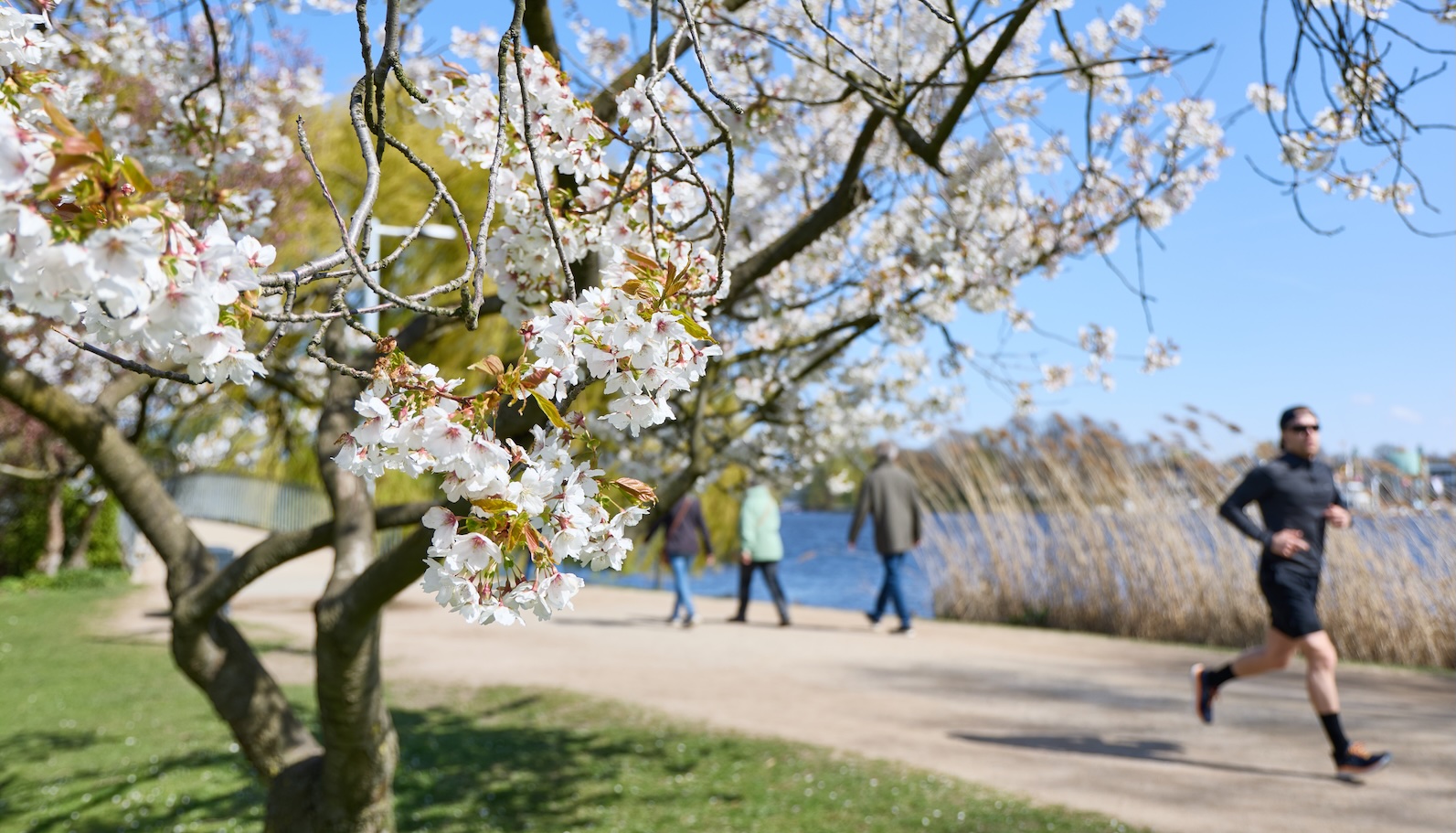
Parks act as a preventative health intervention. The TPL polling data for 2025 indicates that public parks and recreation centers have overtaken private gyms as the most popular locations for exercise and physical activity among Americans.
"That physical activity has real health and economic benefits, equating to about $2,000 per person in healthcare savings each year," Klein adds. By providing accessible space for jogging, cycling, and team sports, municipal parks essentially act as decentralized wellness centers, reducing the long-term burden on the national healthcare system.
Climate Resilience: The Hidden Defense
Beyond economics and health, parks are evolving into critical climate-adaptation tools. As climate change accelerates, cities are facing the dual threats of "urban heat islands" and increased flooding from extreme rainfall.
Modern municipal drainage systems were largely designed for the weather patterns of the 20th century. Today, these systems are frequently overwhelmed by high-intensity storms. Public parks act as massive sponges, absorbing stormwater runoff that would otherwise flood basements, destroy infrastructure, and overwhelm treatment plants. This capacity for flood mitigation saves cities millions of dollars in emergency repairs and insurance premiums.
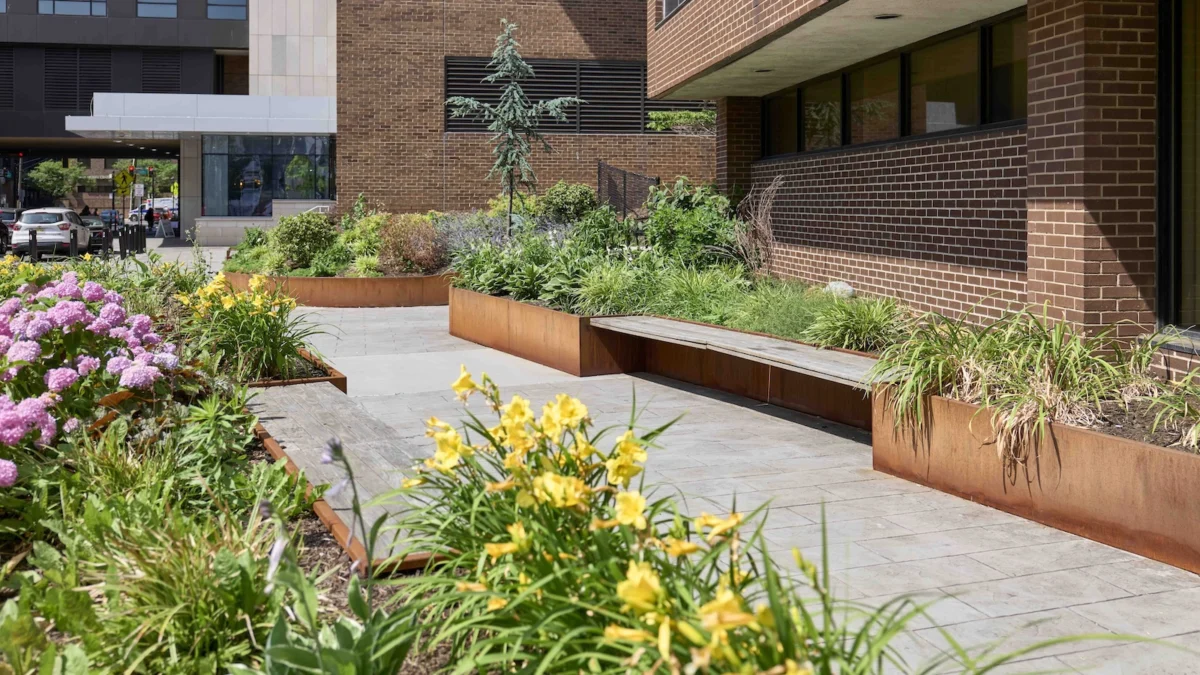
Furthermore, the "urban heat island" effect—where concrete and asphalt trap heat, causing city temperatures to soar—is directly mitigated by the canopy cover and transpiration provided by urban parks. Even in the most densely populated cities, the introduction of "pocket gardens" or micro-parks can significantly lower the ambient temperature of a city block, providing a cooling effect that is both tangible and life-saving.
Balancing Growth: Housing and Greenery
A common criticism is that prioritizing parks leaves less room for much-needed housing. However, urban planners argue that these two priorities are not mutually exclusive. Modern development strategies, such as "agrihoods"—communities built around working farms or shared green spaces—demonstrate that high-density housing can be designed to incorporate significant green infrastructure.
These developments offer a dual benefit: they provide the density required to address the housing crisis while simultaneously ensuring that residents have immediate access to the psychological and health benefits of nature. Furthermore, the presence of well-maintained green space increases the property value of surrounding housing, which in turn broadens the tax base, providing local governments with the revenue necessary to fund further community improvements.
The Path Forward: A Policy Imperative
For local leaders, the evidence is compelling. The humble park is no longer just a patch of grass; it is a sophisticated, multi-purpose tool for urban governance. By integrating parks into long-term infrastructure planning, cities can:
- Stimulate local economies through increased tourism and foot traffic to small businesses.
- Lower public expenditures by reducing the burden on healthcare and disaster management systems.
- Strengthen social cohesion by providing accessible, inclusive public gathering spots.
- Increase property tax revenues by boosting the desirability of residential areas.
As the nation looks for solutions to the complex challenges of the 21st century, the most effective answers may be the ones that have been right under our feet all along. "Parks are actually one of these solutions hiding under the feet of all these local leaders," Klein concludes.
The mandate for the coming decade is clear: investment in public space is not an expense, but a high-yield investment in the health, wealth, and resilience of the American community. Whether it is a large-scale trail system or a small, neighborhood-level pocket garden, every acre of green space serves as a down payment on a more sustainable and prosperous future.
