

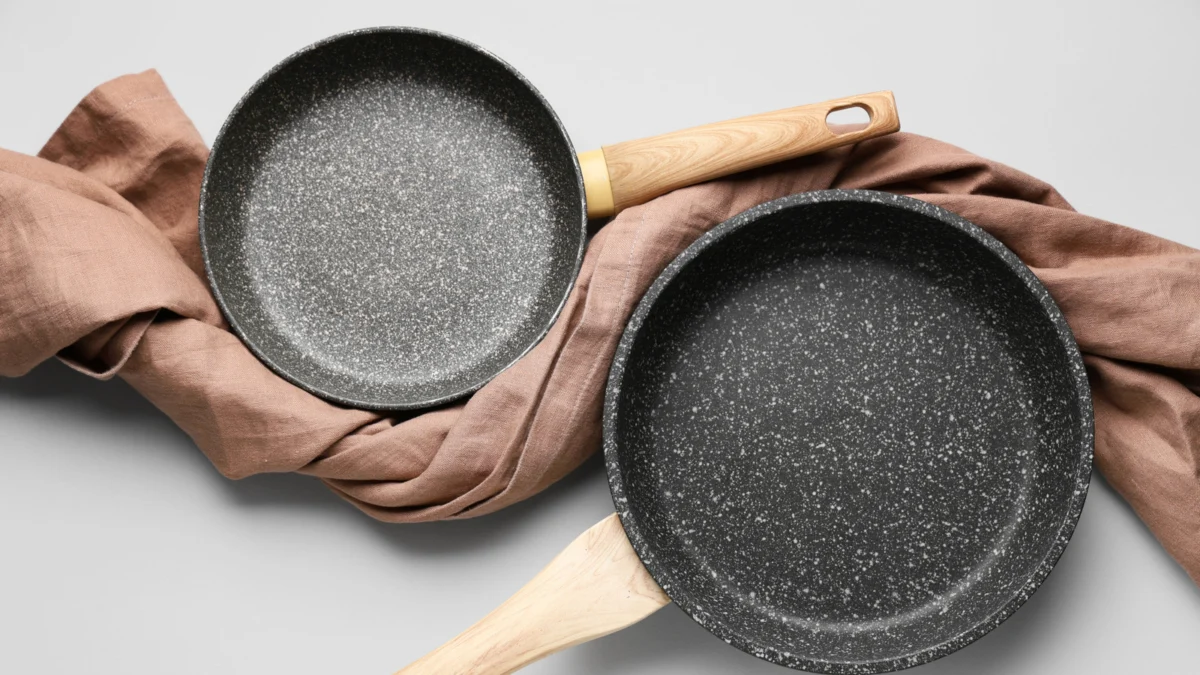
For the modern home cook, the versatility of a pan that can transition seamlessly from the stovetop to the oven is a hallmark of culinary efficiency. Whether you are perfecting a reverse-seared ribeye, finishing a frittata, or baking a savory Dutch baby, the "stove-to-oven" method is a fundamental technique. However, this convenience carries a significant, often overlooked risk: if your cookware contains plastic or non-rated materials, you aren’t just risking a ruined dinner—you are potentially creating a hazardous environment in your own kitchen.
The Core Hazard: Understanding Material Limitations
The fundamental rule of oven safety is simple yet frequently ignored: plastic components have no place in a hot oven. While manufacturers have made great strides in engineering heat-resistant materials, the presence of plastic handles, knobs, or protective coatings can turn a routine meal into a source of toxic fumes and fire risks.
When plastic is exposed to temperatures exceeding its thermal tolerance, it begins to degrade. This process—known as thermal decomposition—can release volatile organic compounds (VOCs) and other hazardous chemicals into the air. If you are cooking food in that pan, those chemicals can leach into your meal, rendering it unsafe for consumption. Furthermore, the aesthetic and functional damage to the pan is often irreversible; melted plastic is notoriously difficult to remove from oven racks and the floor of the oven itself.
Chronology of a Kitchen Disaster: A Step-by-Step Breakdown
To understand how these accidents occur, it is helpful to look at the progression of a typical kitchen error involving non-oven-safe cookware.
- The Oversight: The cook initiates a recipe, such as a pan-seared chicken breast, on the stovetop. The pan is selected based on its nonstick properties, with the cook failing to check the manufacturer’s documentation regarding oven temperature limits.
- The Transition: The pan is moved to a preheated oven—often set to 400°F (204°C) or higher. While the metal body of the pan may handle the heat, the plastic handle begins to soften, warp, or off-gas immediately.
- The Thermal Failure: As the internal temperature of the oven stabilizes, the heat penetrates the handle’s core. If the handle contains a screw or a mounting bracket that conducts heat, the plastic starts to melt from the inside out.
- The Chemical Release: Once the plastic reaches its melting point, the kitchen begins to smell of acrid, synthetic burning. Toxic fumes fill the oven cavity and circulate throughout the kitchen.
- The Cleanup and Consequences: The cook realizes the error only after the damage is done. The pan is now compromised, the meal is tainted by chemical residue, and the oven requires a professional-grade cleaning to remove the toxic plastic residue from the heating elements.
Supporting Data: Why "Oven-Safe" is a Misnomer
The term "oven-safe" is often used as a catch-all, but it is a nuanced label. Culinary experts and manufacturers categorize oven safety based on specific temperature thresholds.
The Temperature Thresholds
- 400°F (204°C) Limit: Many mid-range nonstick pans are labeled as oven-safe, but only up to 400°F. This is usually due to the composition of the handles or the integrity of the nonstick coating. Exceeding this temperature can lead to the degradation of the PFOA-free coatings and the softening of handle resins.
- The 500°F (260°C) Standard: Professional-grade stainless steel or cast iron cookware is often rated for 500°F or higher. These pans lack plastic components entirely, utilizing riveted metal handles designed to dissipate heat.
- The Coating Factor: Even when the metal is safe, the coating may not be. Ceramic-coated pans, while popular for their aesthetic, have varying heat tolerances. Applying high heat to a ceramic pan that isn’t rated for it can cause the coating to crack or flake, rendering the pan useless.
Professional Advice: Best Practices for Home Cooks
To avoid the pitfalls of kitchen accidents, home cooks should adopt a rigorous inspection protocol.
1. The "Read the Label" Mandate
Before purchasing or using a new piece of cookware, consult the manufacturer’s manual. Look for a specific temperature rating. If the packaging is vague—using terms like "heat resistant" without providing a numerical value—treat the item as if it is not intended for the oven.
2. Physical Inspection
Before placing a pan in the oven, conduct a physical "stress test":
- Check the Handle: If the handle is coated in a soft-touch rubber or plastic-feeling material, it is almost certainly not intended for the oven.
- Check the Lid: Often, the lid is the weak link. A pan may be oven-safe, but the tempered glass lid with a plastic knob may not be.
- Gaskets and Seals: Examine the junction where the handle meets the pan. Some budget-friendly brands use plastic gaskets that can melt even if the handle itself appears robust.
3. Investment in Resilient Materials
If your culinary repertoire relies on moving pans from stove to oven, prioritize materials designed for this purpose:
- Cast Iron: Naturally heat-resistant and durable. It is the gold standard for high-heat cooking.
- Carbon Steel: Offers many of the benefits of cast iron with a lighter weight, and it is entirely oven-safe.
- High-Quality Stainless Steel: Ensure the pan is "all-clad" or features a core that can withstand high temperatures. Avoid pans with hollow plastic-core handles.
Official Responses and Industry Standards
Manufacturers are increasingly moving toward clearer labeling to mitigate liability. Consumer safety groups and regulatory bodies, such as the Consumer Product Safety Commission (CPSC), have long emphasized that labeling must be explicit.
"The burden of safety lies in the clarity of communication," says one leading culinary equipment testing firm. "Consumers should never have to guess whether a piece of equipment is safe. If a product contains any polymer-based material—be it a handle, a knob, or a trim—it should be clearly labeled with a maximum temperature in degrees Fahrenheit and Celsius."
Industry experts also note that the rise of "as-seen-on-TV" cookware sets has complicated the market. These sets often prioritize low cost over long-term durability, leading to pans that are labeled "oven-safe" but suffer from structural fatigue after just a few high-heat cycles.
The Implications: Safety, Health, and Economics
The implications of ignoring cookware material limitations extend beyond a single ruined dinner.
Health Impacts: The inhalation of fumes from melting plastic is a genuine respiratory irritant. In small, unventilated kitchens, this can cause immediate discomfort, lightheadedness, or nausea. If you suspect you have melted plastic in your oven, turn the oven off immediately, ventilate the area by opening windows, and ensure the oven is completely cool before attempting to inspect or clean the interior.
Financial Consequences: Replacing an oven’s heating element or specialized fan system due to melted debris is a costly endeavor. Furthermore, the loss of a meal and the premature disposal of a pan that could have lasted years represent an avoidable waste of resources.
Environmental Impact: High-quality, durable cookware is a sustainable choice. By choosing materials like cast iron or stainless steel that can withstand decades of use, you reduce the need for the frequent replacement of cheap, plastic-laden pans that eventually end up in landfills.
Conclusion: A Call for Kitchen Vigilance
The modern kitchen is a place of innovation, but it is also a place where basic physics and chemistry apply. The next time you prepare to finish a sear in the oven, take a moment to look at your cookware. If you see plastic, step back. By taking the time to understand the materials in your cabinet, you ensure not only the quality of your cooking but the safety of your home. When in doubt, leave the pan on the stovetop and transfer your food to an oven-safe vessel, such as a glass casserole dish or a dedicated metal tray. Your health, your oven, and your dinner will thank you.
