

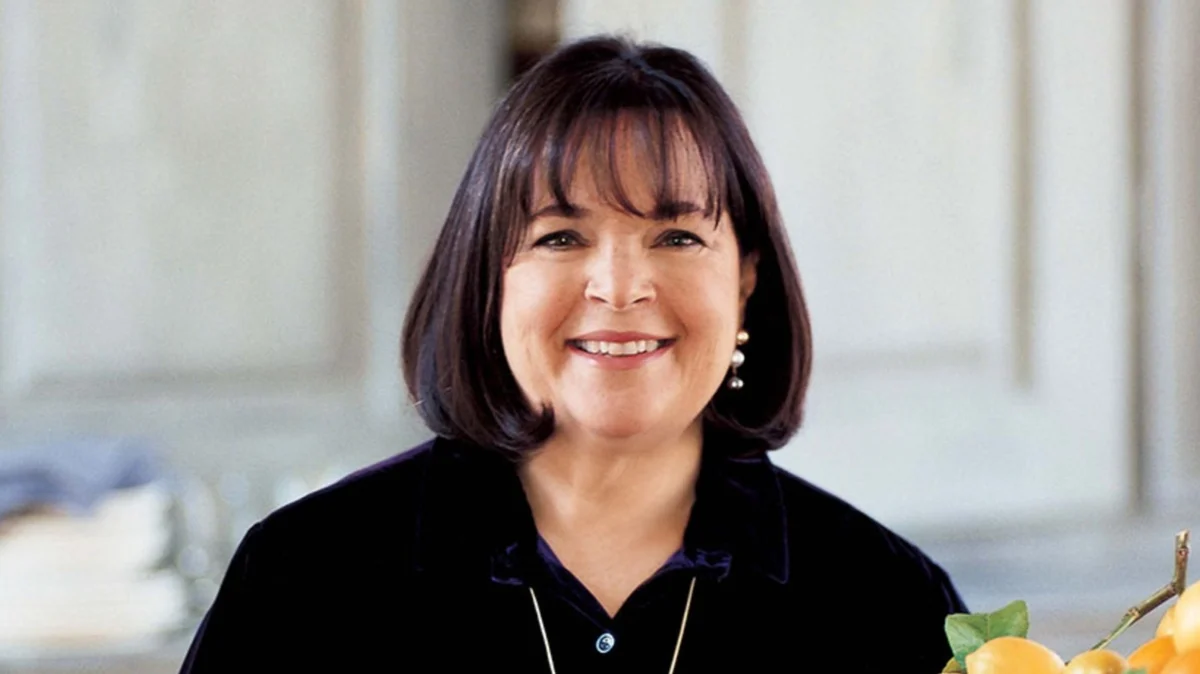
In the world of culinary media, few figures command the domestic authority and universal affection of Ina Garten. Known globally as the "Barefoot Contessa," Garten has built an empire not on the back of Michelin-starred intensity or avant-garde molecular gastronomy, but on the principles of simplicity, reliability, and the profound power of hospitality. While millions recognize her as the quintessential host of the Food Network, her journey—from a childhood marked by adversity to the halls of the White House and eventually to the pinnacle of the publishing world—is a testament to the transformative power of the kitchen.
The Foundations: A Path Less Traveled
Born in 1948 and raised in Connecticut, Ina Garten’s path to culinary stardom was anything but linear. Her early years were defined by a difficult environment; she has spoken openly about an upbringing shadowed by an abusive father, a period she sought to escape as soon as possible. It was this desire for autonomy and a fresh start that led her to meet her husband, Jeffrey, at the age of 16. Their partnership, which began in 1968, would become the bedrock of her life and career.
Interestingly, Garten’s entry into the culinary world was delayed by her own upbringing. Her mother, who discouraged her from spending time in the kitchen, left Garten with little formal training. It was only after marrying Jeffrey that she truly began to explore her interest in cooking. Turning to the seminal work of Julia Child, Mastering the Art of French Cooking, Garten began to self-teach, absorbing the techniques that would eventually underpin her own straightforward approach. Before she was a household name, however, she took a detour into public service, working for the White House Office of Management and Budget in Washington, D.C.—an experience that fostered the discipline and organizational skills that would later define her business success.
Chronology of a Culinary Icon
The trajectory of Garten’s career is a blueprint for strategic reinvention:
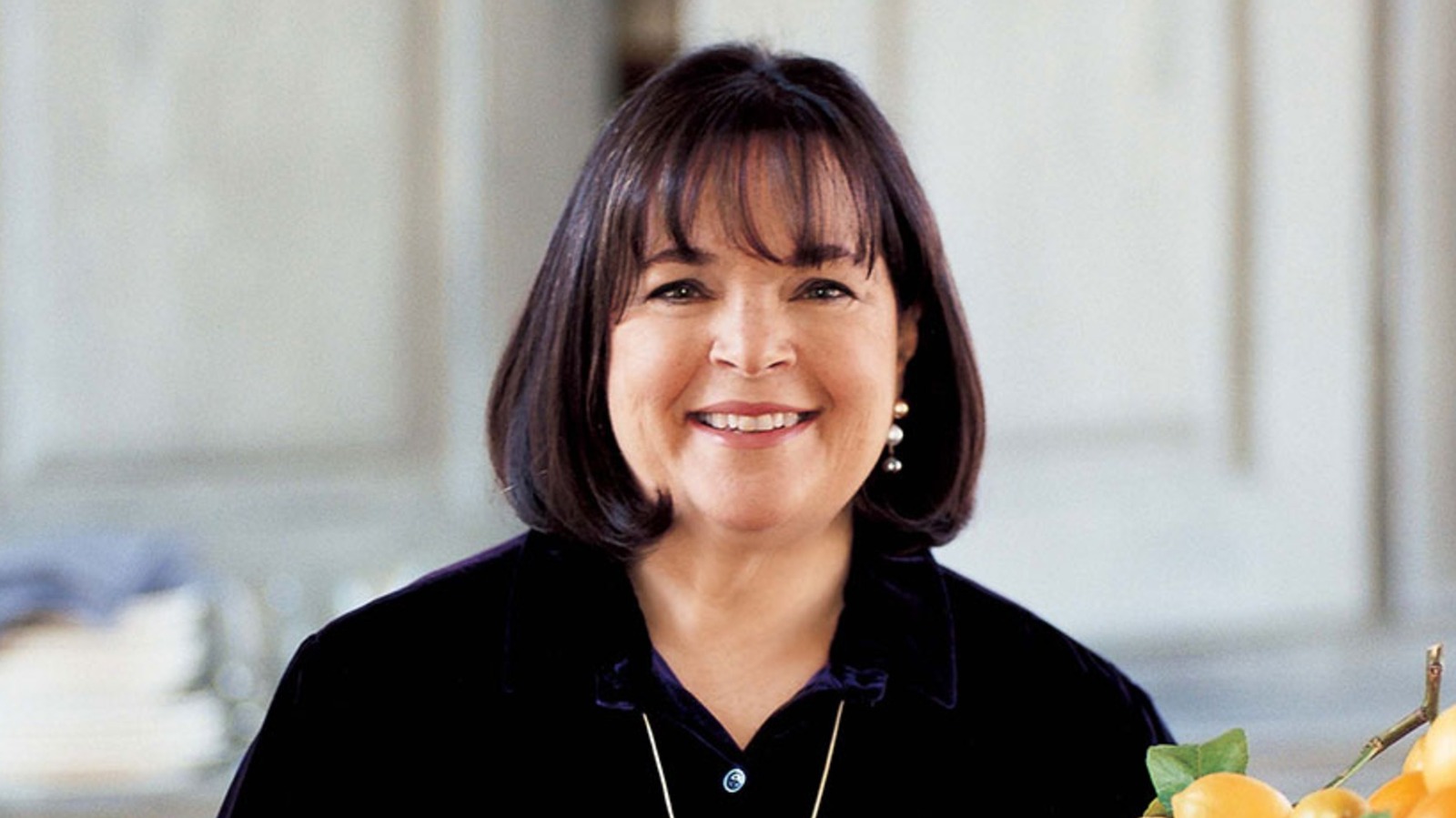
- 1978: Seeking a creative outlet, Garten purchased a small specialty food store in the Hamptons called "Barefoot Contessa." This decision, which felt impulsive at the time, would become the foundation of her entire brand.
- The 1980s and 90s: The store flourished, moving to larger premises in East Hampton and becoming a cultural touchstone for high-end, approachable specialty foods.
- 1999: After nearly two decades of retail, Garten sold the store to her employees and pivoted to authorship. Her debut, The Barefoot Contessa Cookbook, became an immediate sensation, selling over 100,000 copies in its first year.
- 2002: The premiere of the Barefoot Contessa television show on the Food Network. The series would run for an unprecedented 19 seasons, concluding in 2021.
- Modern Era: Garten continues to influence the culinary landscape through Be My Guest with Ina Garten and a prolific string of best-selling cookbooks and memoirs.
The Philosophy of "How Easy Is That?"
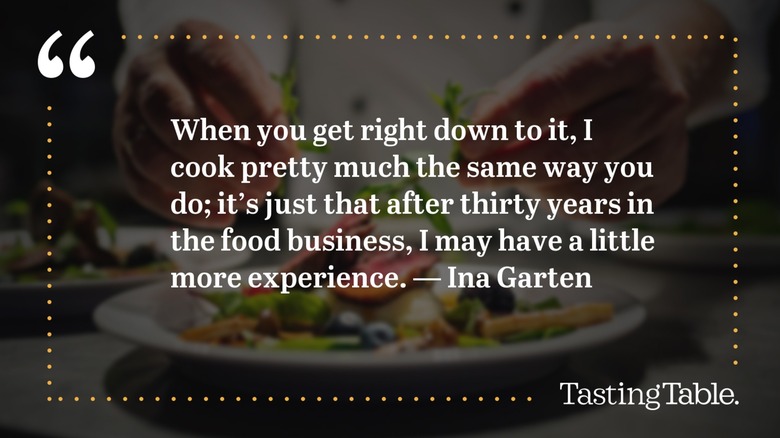
At the core of Garten’s success is a unique culinary ethos that rejects the "chef-as-dictator" model in favor of the "host-as-facilitator." In the introduction to her 2010 cookbook, Barefoot Contessa, How Easy Is That?: Fabulous Recipes & Easy Tips, she famously noted: "When you get right down to it, I cook pretty much the same way you do; it’s just that after thirty years in the food business, I may have a little more experience."
This statement is more than just humility; it is the cornerstone of her brand. Garten operates on the premise that the average home cook is time-poor and stressed. By removing the need for professional-grade equipment and intimidating techniques, she empowers her audience. She acknowledges that she possesses a "short attention span" for overly complicated recipes, a trait that resonates deeply with her audience. Her recipes are designed to be low-stress and high-reward, prioritizing the quality of ingredients over the complexity of the preparation.
Supporting Data: By the Numbers
The scale of the Barefoot Contessa brand is immense. With 13 cookbooks—all of which have hit the New York Times bestseller list—and a memoir, Garten has cemented her status as one of the most successful authors in the industry. Her accolades include multiple Daytime Emmy Awards and three James Beard Foundation Awards, solidifying her status as a respected professional even without formal culinary school training.
The longevity of her television career is equally impressive. The 19-season run of her original show provided viewers with a consistent, aspirational, yet achievable look at home entertaining. Her ability to pivot from a brick-and-mortar retailer to a multimedia powerhouse serves as a case study for business development in the lifestyle sector.
The Deeper Meaning: Hospitality as a Gift
When one looks past the recipes and the elegant East Hampton sets, the "Ina Garten brand" is ultimately about human connection. Garten has spoken extensively about her view of cooking as an act of service. As she wrote in Cooking for Jeffrey, "Cooking is one of the great gifts you can give to those you love. It says ‘you’re important enough to me to spend the time and effort to cook for you.’"
This perspective explains why she has consistently refused to open a restaurant. During a discussion on the Radio Cherry Bombe podcast, she noted that the restaurant business is "the hardest work on the planet," citing the grueling nature of the industry and the lack of space for the kind of intimacy she values. For Garten, the environment of the home—where the host can actually interact with guests rather than being tethered to a line—is the only setting where true hospitality can occur.
Implications for the Culinary Industry
Ina Garten’s influence on the modern culinary landscape cannot be overstated. She has effectively bridged the gap between professional technique and home-cooking reality. Her influence has shifted the focus of food media away from the "celebrity chef" ego and back toward the "celebrity home cook."
1. The Death of the "Fussy" Recipe
Garten’s success has forced a market shift. Publishers and networks now prioritize "approachable" content over the overly technical, recognizing that the audience is not interested in spending six hours on a single dish.

2. Time as a Commodity
Garten was an early proponent of the idea that time is the modern cook’s most precious resource. By focusing on "shortcuts" that do not sacrifice flavor, she tapped into the psyche of the working professional who still wants to produce high-quality meals.
3. The Power of Authenticity
Perhaps the most significant implication of her career is the validation of the "self-taught" cook. By succeeding without a culinary degree, she challenged the elitism of the professional kitchen, proving that passion, iteration, and a dedication to quality ingredients are just as valid as a diploma from a prestigious cooking institute.
A Legacy of Joy
Garten’s impact is perhaps best summarized by her own reflections on the emotional weight of food. Her famous quip—"You can be miserable before you eat a cookie, and you can be miserable afterwards, but never while you’re eating a cookie"—perfectly encapsulates her brand: a blend of humor, comfort, and the recognition that food is, at its best, a source of temporary but necessary solace.
As she moves forward in her career, continuing to host high-profile guests and share her expertise, Ina Garten remains a steadying force. She has proven that success does not have to be loud or aggressive; it can be quiet, organized, and focused on the simple, enduring joy of feeding the people we love. Whether she is teaching a viewer how to roast a chicken or sharing her thoughts on the importance of happiness, the Barefoot Contessa remains a vital, influential, and deeply human presence in the modern kitchen.
