

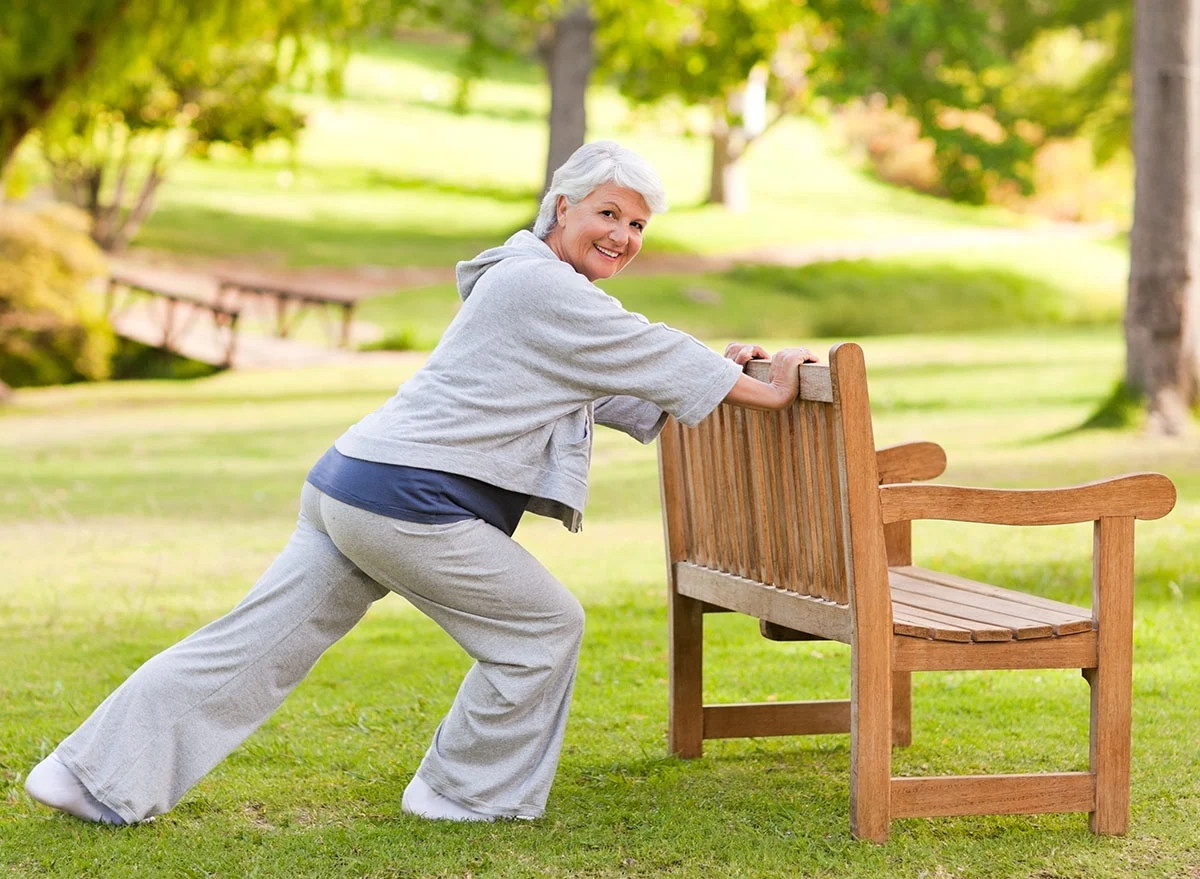
For many, the kitchen counter is merely a workspace for culinary endeavors. However, for those navigating the landscape of health after the age of 60, it represents something far more valuable: a high-quality, accessible, and safe training station. As we age, hip strength becomes the linchpin of independent living. It dictates our ability to navigate stairs, rise from deep armchairs, and maintain the steady gait necessary for daily errands.
By leveraging the structural stability of your kitchen counter, you can engage in targeted, effective strength training without the need for expensive gym memberships or intimidating machinery. This article explores the physiological importance of hip health in the senior population and provides a structured, four-part movement protocol to help you regain your strength and confidence.
The Physiological Imperative: Why Hips Matter After 60
The hips act as the primary kinetic bridge between our upper and lower bodies. When they lose strength, the body compensates in ways that often lead to chronic pain—shifting the burden to the lower back, knees, and ankles. Research indicates that targeted hip strengthening can significantly reduce the risk of falls, which remains a leading cause of injury among older adults.
Restoring hip strength is not merely about muscle aesthetics; it is about functional longevity. Stronger hips support dynamic movement, allowing for smoother transitions when walking, standing, or climbing. Utilizing a counter provides a "safety net" that allows the nervous system to feel secure, which is essential for motor learning and building the confidence to challenge your limits. Unlike isolated gym machines, which often fix the body in a rigid path, counter-supported exercises require you to manage your own balance while your feet remain firmly on the floor. This "real-world" training helps bridge the gap between structured exercise and the unpredictable nature of daily life.
Chronology of Strength: A Progressive Approach to Training
Building strength after 60 requires a methodical, consistent approach. Muscles and connective tissues respond best to a steady increase in intensity rather than explosive, irregular bursts of activity.
Phase 1: Foundation (Weeks 1–2)
Focus on learning the movement patterns. Keep your grip on the counter firm, and prioritize full range of motion over speed. The goal is to establish a neurological connection with the glutes and hip stabilizers.
Phase 2: Engagement (Weeks 3–6)
Begin to lighten your grip. Use the counter only for balance, not for support. Introduce the resistance bands during the abductions and look to increase your rep counts slightly.
Phase 3: Consolidation (Week 7 and beyond)
Integrate these movements into your daily routine. By now, these exercises should feel like a natural part of your morning, perhaps performed while waiting for the kettle to boil. The goal is to maintain the strength you have built, treating these as "maintenance" for a healthy, mobile body.
Core Movement Protocols
The following exercises are designed to target the hips from multiple angles, ensuring comprehensive strength development.
1. Standing Band Hip Abductions
Outer-hip strength is the unsung hero of balance. These muscles, particularly the gluteus medius, prevent your pelvis from dropping when you walk.

- The Technique: Stand upright with your feet together. Place a resistance band around your ankles or just above the knees. Holding the counter for stability, slowly lift one leg out to the side while keeping your toes pointed forward.
- Why it works: It forces the standing leg to stabilize the entire body weight, mimicking the demands of a single-leg stance during walking.
2. Supported Squats
The squat is the "king" of functional movements. It mirrors the act of sitting down and standing up—a motion you perform dozens of times daily.
- The Technique: Position your feet shoulder-width apart. Reach forward to hold the counter. As you descend, drive your hips back as if aiming for a chair. Keep your weight in your heels.
- Why it works: The counter acts as a counterbalance, allowing you to achieve a deeper, more effective squat without the fear of falling backward.
3. Supported Reverse Lunge
Lunges are excellent for correcting muscle imbalances between the left and right legs, which is common as we age.
- The Technique: Standing tall, take a controlled step backward with one foot. Lower your back knee toward the ground while keeping your front shin vertical. Use the counter to maintain an upright torso.
- Why it works: Stepping backward is generally easier on the knees than stepping forward, making this a safer, more effective way to train single-leg strength.
4. Supported Marching
This movement targets the hip flexors and core, which are essential for lifting the feet to avoid tripping hazards like rugs or thresholds.
- The Technique: Stand tall, holding the counter. Slowly lift one knee toward your chest until your thigh is parallel to the floor. Pause for one second, then lower with control.
- Why it works: It trains hip control under tension, improving the rhythm and cadence of your natural walking pattern.
Supporting Data: Evidence for Home-Based Care
Recent clinical data published in journals such as the Archives of Physical Medicine and Rehabilitation supports the efficacy of home-based, low-impact training. Studies consistently show that older adults who engage in consistent, resistance-based training see improvements in bone density, muscular hypertrophy, and—most importantly—self-reported quality of life.
The use of "supportive structures" (like a kitchen counter) is not a sign of weakness; it is a strategic tool. By removing the fear of instability, the brain is "permitted" to recruit more muscle fibers during each repetition. This neuro-muscular feedback loop is critical for seniors. When you feel safe, your body performs better, leading to faster strength gains and improved coordination.
Expert Insights and Official Recommendations
Jarrod Nobbe, a renowned strength coach and performance expert, emphasizes that the key to success after 60 is consistency over intensity. "The kitchen counter is a perfect training tool because it lowers the barrier to entry," Nobbe explains. "When you integrate movement into your environment, you aren’t just ‘working out’—you are building a body that is ready for the demands of the day."
Professional Recommendations:
- Frequency: Perform these movements 3 to 5 days per week.
- Duration: Start with two rounds of each exercise. As you progress, move to three.
- Progression: Once a movement feels easy, reduce your reliance on the counter by using only your fingertips for balance, eventually working toward performing these moves without any assistance.
- Listen to Your Body: Mild muscle fatigue is normal; sharp or shooting pain is not. Always consult with a physician or physical therapist before starting a new exercise program, especially if you have a history of hip or knee surgery.
Implications for Long-Term Mobility
The implications of adopting this routine extend far beyond the kitchen. By committing to this protocol, you are effectively "future-proofing" your body. Hip strength is a primary indicator of how well we age. Those who maintain strong hip stabilizers are statistically more likely to remain in their own homes longer, engage in social activities with greater ease, and avoid the cycle of injury that often follows a loss of physical confidence.
Ultimately, the kitchen counter is a metaphor for your health. It is always there, it is solid, and it provides the support you need to reach for more. Whether you are 60 or 80, the path to stronger hips is not paved with heavy iron and complex gym equipment—it is built in the small, consistent actions you take within the comfort of your own home. By starting today, you are choosing to prioritize your autonomy and ensuring that your later years remain active, mobile, and full of life.
