

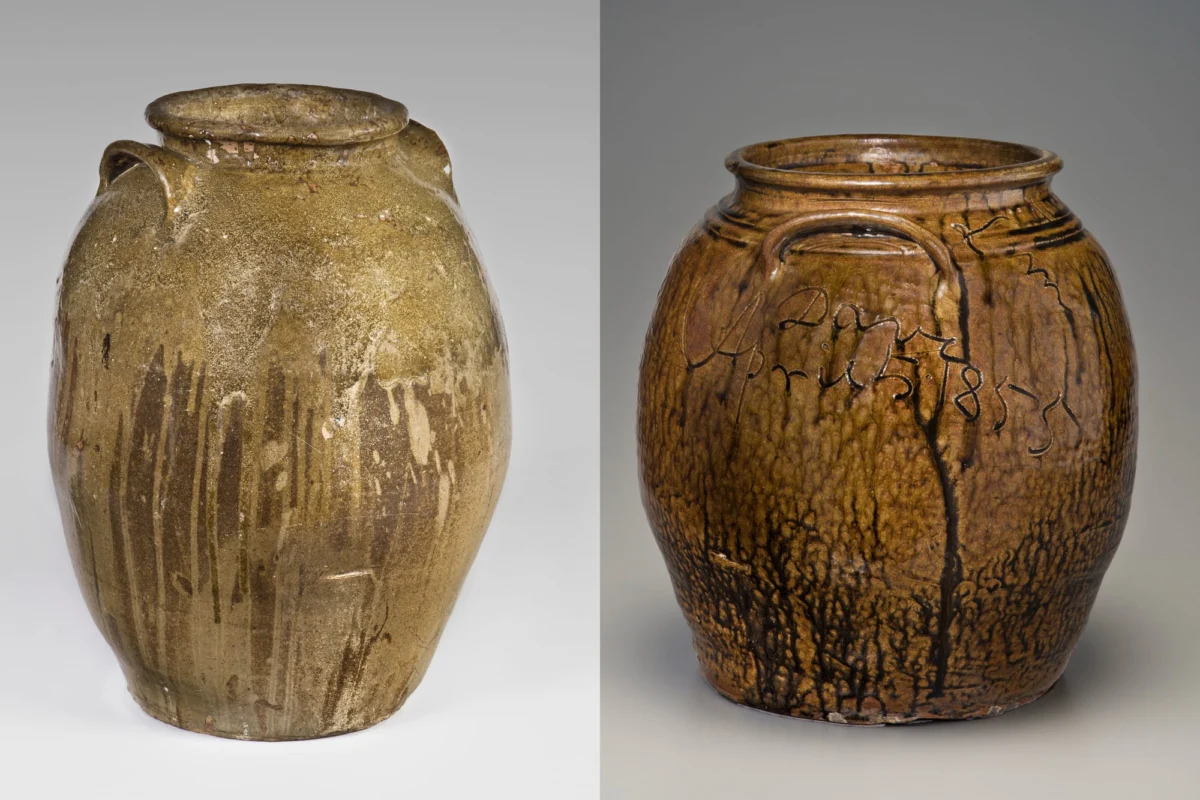
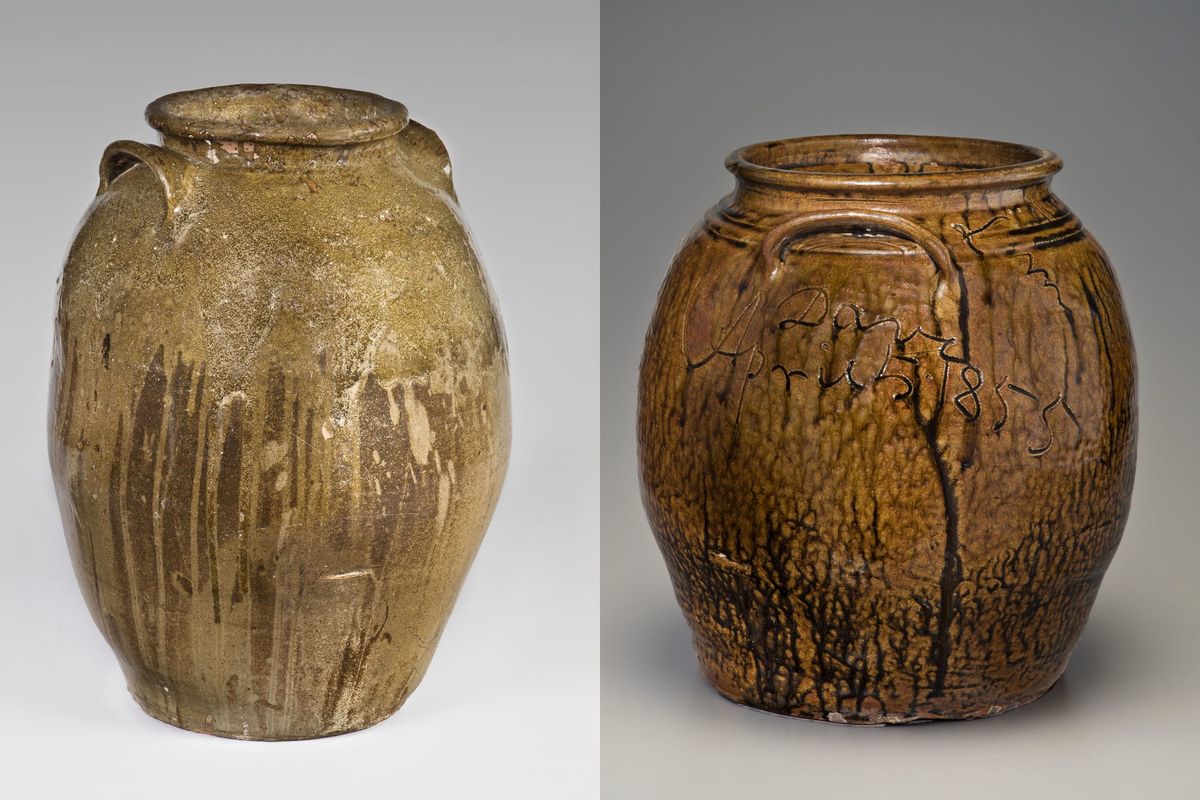
In a landmark shift regarding the stewardship of American cultural heritage, the Milwaukee Art Museum (MAM) recently finalized an ownership transfer of two 19th-century stoneware vessels to the direct descendants of the legendary enslaved artisan David Drake, widely known as "Dave the Potter." This move, closely followed by a similar repatriation announcement from a Virginia-based institution, marks a growing movement among American museums to reconcile with the complex, often violent histories behind the objects in their collections—particularly those created by enslaved individuals whose voices were systematically suppressed.
For the descendants of Drake, these vessels are not merely historical artifacts or aesthetic objects of ceramic mastery. They are familial relics, tangible manifestations of a man who defied the brutal constraints of the antebellum South to assert his humanity, intellect, and artistic agency.
The Man Behind the Vessel: A Legacy of Defiance
Born into slavery in South Carolina around 1801, David Drake’s life remains partially obscured by the lack of documentation common to the lives of the enslaved. However, the records that do exist reveal a man of extraordinary skill and intellectual resilience. As a young man, he was brought to the Edgefield District of South Carolina, a region that would become the epicenter of Southern stoneware production due to its rich deposits of kaolin clay.
Drake’s work is distinct not only for its technical sophistication—he was renowned for his ability to throw massive jars, some of which held dozens of gallons—but for the radical act of inscription. In an era when the 1740 Negro Act of South Carolina criminalized literacy for enslaved and free Black people, punishing the act of reading or writing with whipping, branding, or death, Drake chose to sign his name and write original poetry on his creations.
These vessels, often featuring rhyming couplets, serve as a testament to a man who refused to be silenced. One famous inscription reads: "I wonder where is all my relations / Friendship to all—and every nation." By carving these words into the wet clay before firing, Drake effectively turned industrial pottery into a medium of protest and record-keeping, ensuring that his name and thoughts would outlast the plantation system that sought to reduce him to a mere instrument of labor.
Chronology of Recognition and Repatriation
The path toward returning these vessels to the Drake family is part of a broader, decades-long trajectory of scholarly and public re-evaluation of his work.
- 1801–1860s: David Drake works as a master potter in Edgefield, South Carolina. He creates hundreds of vessels, many inscribed with dates, signatures, and poems.
- Late 20th Century: Art historians and collectors begin to treat Dave’s vessels as significant fine art rather than mere utilitarian stoneware. Prices for his works skyrocket at auction, moving from folk-art curiosities to high-value museum acquisitions.
- 2020s: A shift in museum ethics, spurred by the national conversation on racial justice, leads institutions to audit their collections. The focus turns to the provenance of objects made by enslaved people and the ethics of owning their creative output.
- 2025–2026: The Milwaukee Art Museum formalizes a transfer of ownership, acknowledging that the artifacts rightfully belong to the Drake lineage. This agreement, a model of "stewardship-sharing," allows the museum to continue displaying the works while the legal title rests with the descendants.
- Late 2026: A Virginia museum follows suit, announcing the return of another vessel, signaling a potential trend in how museums handle "Dave the Potter" holdings nationwide.
The Significance of the Ownership Transfer
The agreement between the Milwaukee Art Museum and the Drake family is nuanced. It is not an abandonment of the objects by the museum, but rather a restorative justice framework. Under the terms of the transfer, the objects will remain available for public exhibition under a long-term loan agreement. This ensures that the public can continue to learn from Drake’s artistry while the family maintains agency over the legacy of their ancestor.
"For our family, this agreement is about more than the ownership of these two vessels," said Yaba Baker, Drake’s fourth great-grandson, in a press statement. "It is about recognizing David Drake as our ancestor whose voice, expertise, and creativity have endured for over 175 years."
This sentiment underscores a critical shift: museums are moving from being passive repositories of "orphaned" history to active partners in the preservation of ancestral memory. By returning ownership, institutions are acknowledging that for many Black families, the history of the American South is not a distant, academic subject, but a living connection to ancestors who were stripped of their names, their families, and the fruits of their labor.
Implications for Future Museum Ethics
The repatriation of Drake’s work poses difficult, necessary questions for the museum field. If a museum holds an object made by an enslaved person, is it a "collection item" or is it a stolen legacy?
Defining "Provenance" in the Context of Slavery
Traditionally, provenance in the art world has focused on the chain of ownership following the object’s creation. However, the Drake cases highlight the need for a "moral provenance." Because enslaved people were legally prohibited from owning property—including their own labor—they could not "sell" their work. Therefore, every transaction involving a work by Dave the Potter in the 19th century was inherently coerced.
The Role of Long-Term Loans
The Milwaukee Art Museum’s model of "transfer of title, long-term loan" provides a roadmap for other institutions. It allows museums to avoid the "empty gallery" problem while providing the descendants with the legal recognition they deserve. It validates the family’s right to decide how their ancestor’s work is framed and presented.
Expanding the Canon
The return of these pieces is also an opportunity to re-contextualize Drake’s work. Instead of labeling him simply as an "enslaved potter," museums are increasingly looking at his work through the lens of intellectual history. The poems are being studied as significant literary contributions, and the technical skill required to throw a 40-gallon jar is being recognized as high-level engineering.
A Legacy Transcending Clay
As more museums across the United States evaluate their holdings, the story of Dave the Potter serves as a touchstone. His work represents a paradox: the objects were created under the crushing weight of the plantation system, yet they are imbued with a spirit of intellectual freedom that the system could not extinguish.
The return of these vessels to the Drake family is a step toward correcting a historical imbalance. It affirms that David Drake was not just a laborer in the Edgefield kilns; he was an author, a thinker, and an artist. By honoring his descendants, these institutions are finally listening to the voice that Drake carved into the clay nearly two centuries ago—a voice that spoke of his identity, his God, and his enduring relationship with a world that tried to erase him.
As the industry moves forward, the "Dave the Potter" repatriations will likely be viewed as a turning point. It is a transition from an era of appropriation to an era of acknowledgement, where the objects in our galleries are finally allowed to be seen in their true context: as the hard-won legacy of those who built the American landscape.
